Summary:
Most homeowners don’t think about their septic system until something forces them to. A slow drain, a smell near the back of the yard after heavy rain, a neighbor’s backup that suddenly makes yours feel less theoretical. If you’ve recently bought an older home in Huntington, Northport, Selden, or anywhere else across Suffolk County, there’s a good chance you inherited a system with no maintenance records and no clear picture of what’s actually in the ground. This guide is for you. We’ll walk through what septic system maintenance actually involves, why Long Island’s conditions make it more pressing than most places, and what you should expect from a professional service visit.
What Septic System Maintenance Actually Covers
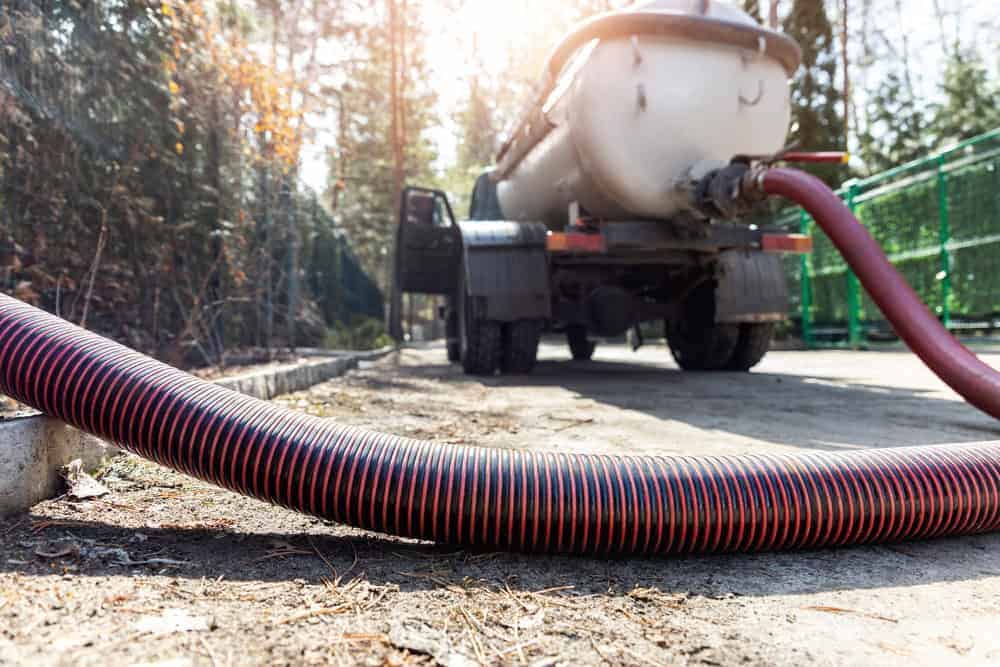
Septic system maintenance isn’t a single task — it’s a set of ongoing checks that keep a system functioning the way it was designed to. At the core is pumping: removing the accumulated solids and liquids from the tank before they reach levels that push untreated waste into the drain field or back into the house.
But pumping alone isn’t a complete picture. A thorough maintenance visit also includes inspecting the tank walls, baffles, and inlet and outlet pipes; checking the effluent filter if one is present; evaluating the condition of the drain field or leaching structure; and assessing whether the system is showing any early signs of stress.
The EPA recommends inspections every one to three years, with pumping every three to five years — but those are national averages. In Suffolk County, the Department of Health Services recommends pumping every three years at minimum, and for most families of four, every two to three years is closer to the practical reality given local usage and soil conditions.
Cesspool vs. Septic Tank: Why the Difference Matters for Maintenance
This is the question we hear constantly from homeowners across Suffolk County, and it matters more than most people realize. A cesspool and a septic tank are not the same thing, and they don’t get maintained the same way.
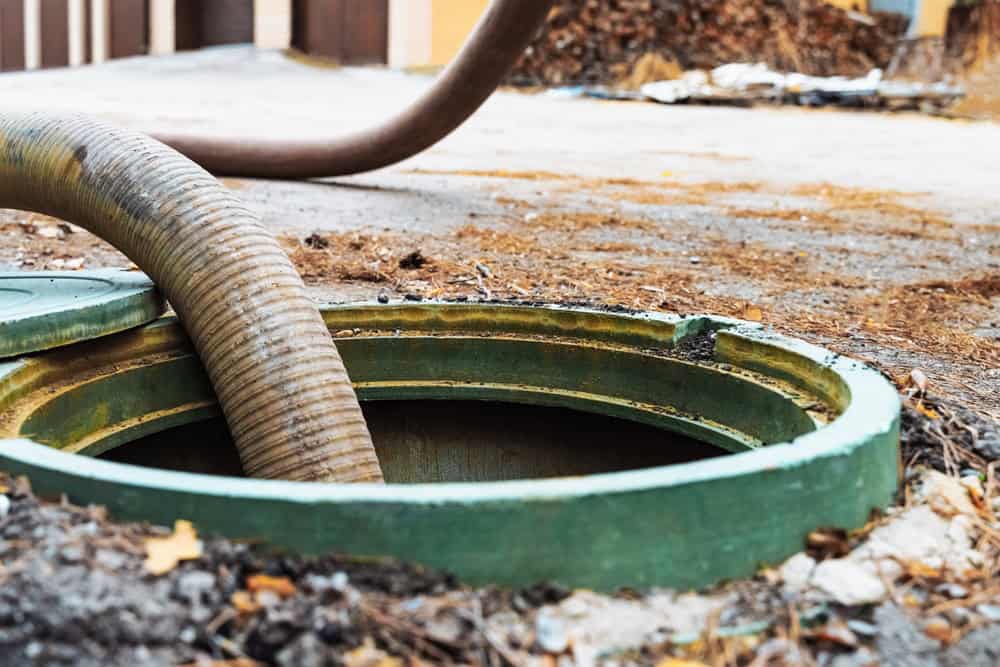
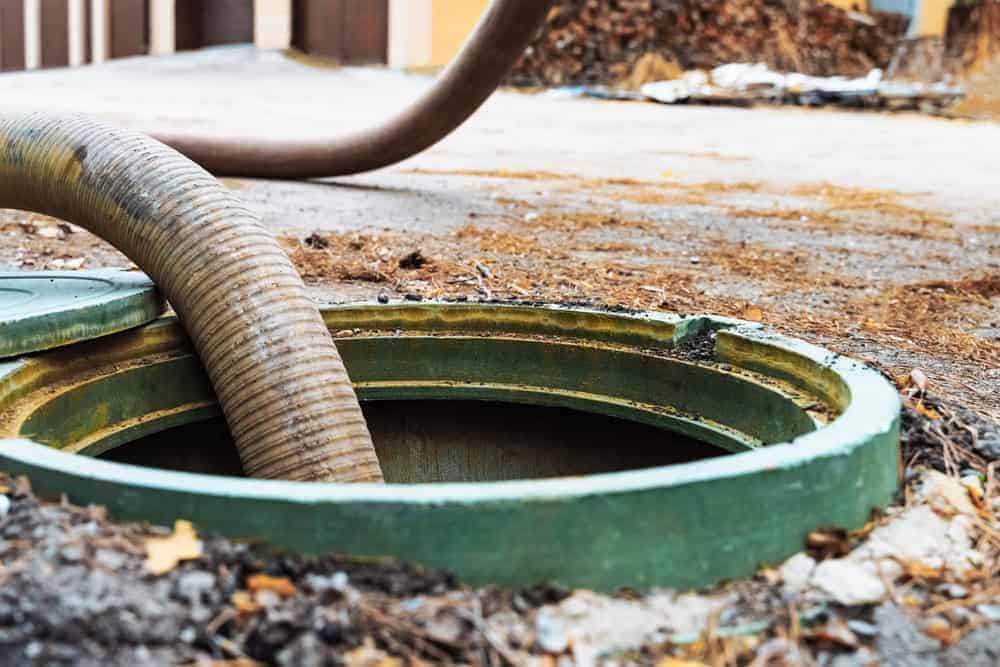
A cesspool is essentially a buried pit with porous walls. Liquids seep out through the sides into the surrounding soil, while solids accumulate at the bottom. There’s no separation of waste, no treatment stage, and no drain field. It’s a simpler system — and an older one. The majority of homes built in Suffolk County before the 1970s have cesspool-only systems.
In fact, of the approximately 365,000 residential septic systems across the county, roughly 252,530 are cesspool-only. That’s a lot of older infrastructure, and a lot of homeowners who bought their homes without fully understanding what type of system they have.
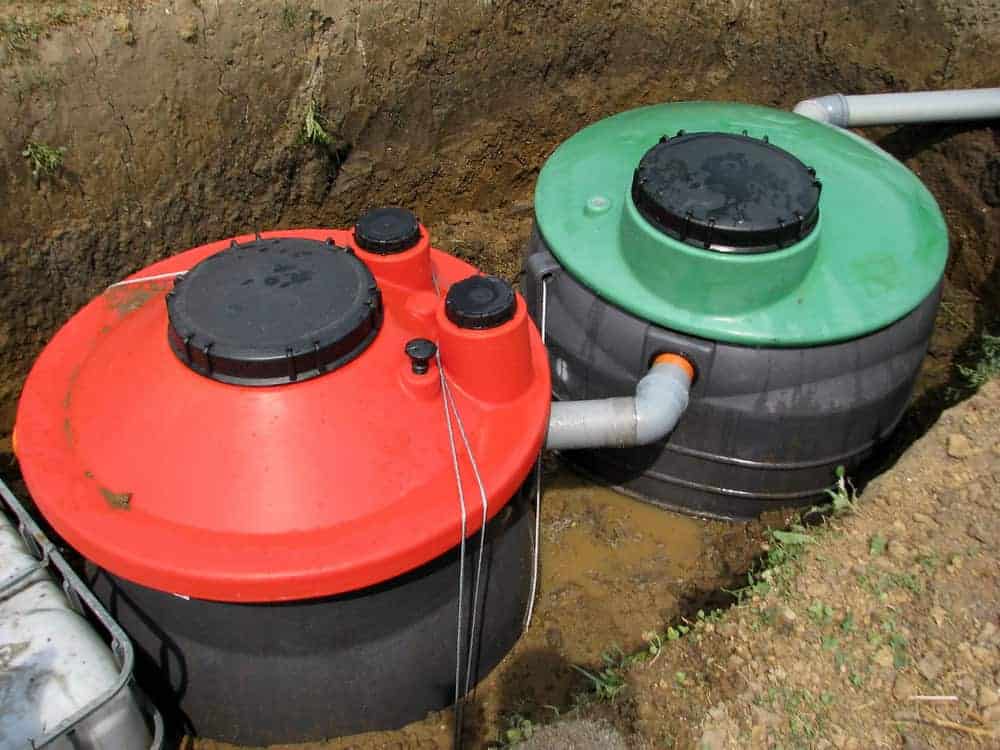
A modern septic tank works differently. It’s a watertight container that separates solids from liquids through a two-stage process. Solids settle to the bottom as sludge, lighter materials float to the top as scum, and the clarified liquid in the middle — called effluent — flows out to a drain field where it’s further filtered through the soil. This system is more effective at treating waste, but it also has more components that need to be checked: the baffles, the outlet filter, the distribution box, and the drain field itself.
Why does this distinction matter for maintenance? Because cesspools typically need to be pumped more frequently than septic tanks, they’re more vulnerable to groundwater intrusion during wet seasons, and they’re subject to different regulatory considerations in Suffolk County.
If you don’t know which system you have — and many homeowners don’t — the first step is finding out. We can identify your system type during an inspection and advise on the right maintenance schedule from there.
One more thing worth knowing: Suffolk County banned new cesspool installations as of July 1, 2019. If your system ever needs full replacement, it will need to be replaced with an Innovative/Alternative Onsite Wastewater Treatment System, not another cesspool. That’s a significant cost difference, which is exactly why keeping your existing system properly maintained is worth taking seriously.
What a Professional Septic Tank Maintenance Service Visit Actually Looks Like
There’s a version of septic service where a truck shows up, pumps the tank, and leaves. You get a bill and no real information about what was found. That’s not maintenance — that’s a transaction. And it’s a common frustration among homeowners who’ve had service done but still don’t know whether their system is in good shape.
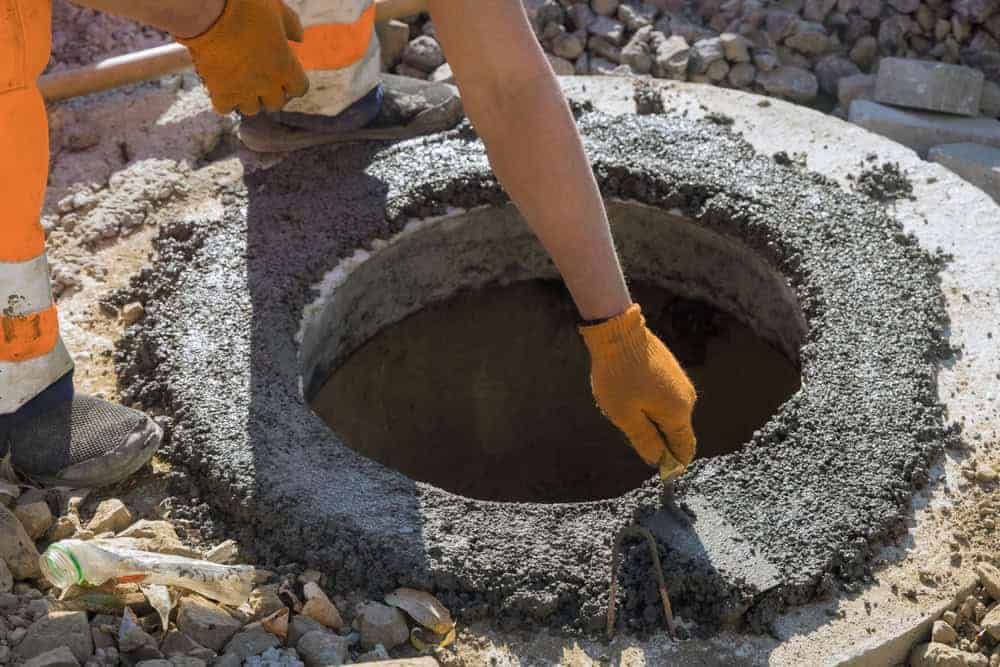
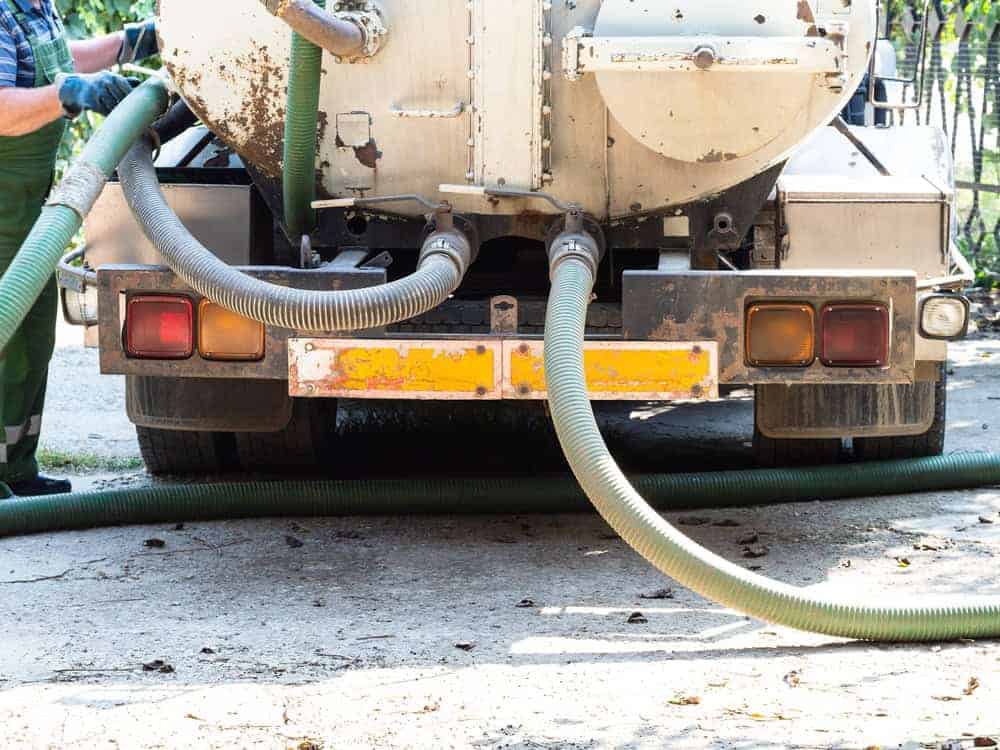
A proper septic tank maintenance service visit starts before the truck arrives. A qualified provider should be reviewing your system’s permit history and any prior maintenance records. On-site, the technician locates and safely accesses the tank, pumps out accumulated solids and liquids, and then actually looks at what’s there.
That means checking the tank walls for cracks or corrosion, inspecting the inlet and outlet baffles, evaluating the effluent filter if present, and looking for signs of leakage or backup. From there, a thorough provider will assess the drain field or leaching structure for signs of saturation, unequal drainage, or surfacing effluent.
If the system includes a pump — more on that below — the pump, float switch, and electrical connections get checked as well. At the end of the visit, you should walk away with a clear picture of what was found, what condition the system is in, and when the next service should be scheduled based on your actual sludge and scum levels — not a generic interval.
This matters for Suffolk County homeowners in particular because the county requires professional septic inspections every three years, and pumping records are required documentation for property transfers and renovation permits. If you’re planning to sell your home, or if you’ve recently bought one, having documented service records isn’t optional — it’s part of the compliance picture. A provider who pumps and leaves without documentation isn’t setting you up for that.
Septic Pump Maintenance: The Part Most Homeowners Don't Know About
Not every septic system has a pump, but many do — and the pump is one of the most overlooked components in the entire system. If your property sits on lower ground, has a mound system, or requires effluent to be moved uphill to the drain field, there’s likely a submersible effluent pump or sewage pump involved. This is a mechanical component with its own maintenance requirements, completely separate from the biological health of the tank itself.
The tricky part is that pump problems don’t always announce themselves loudly. A pump can be running inefficiently, cycling too frequently, or on the verge of failure without triggering an obvious backup — until it does. That’s when homeowners find out the hard way that their system included a pump they didn’t know existed.
How Do You Know If Your Septic Pump Needs Maintenance?
The most obvious sign of pump trouble is a sewage backup — but by then, you’re already in emergency territory. Before it reaches that point, there are subtler indicators worth paying attention to.
If your alarm panel (if you have one) is triggering, that’s a direct signal the pump isn’t keeping up. If drains are slow but the tank isn’t overdue for pumping, the pump may not be moving effluent out efficiently. A pump that runs continuously without cycling off is another warning sign — it suggests the float switch may have failed or the pump is overwhelmed.
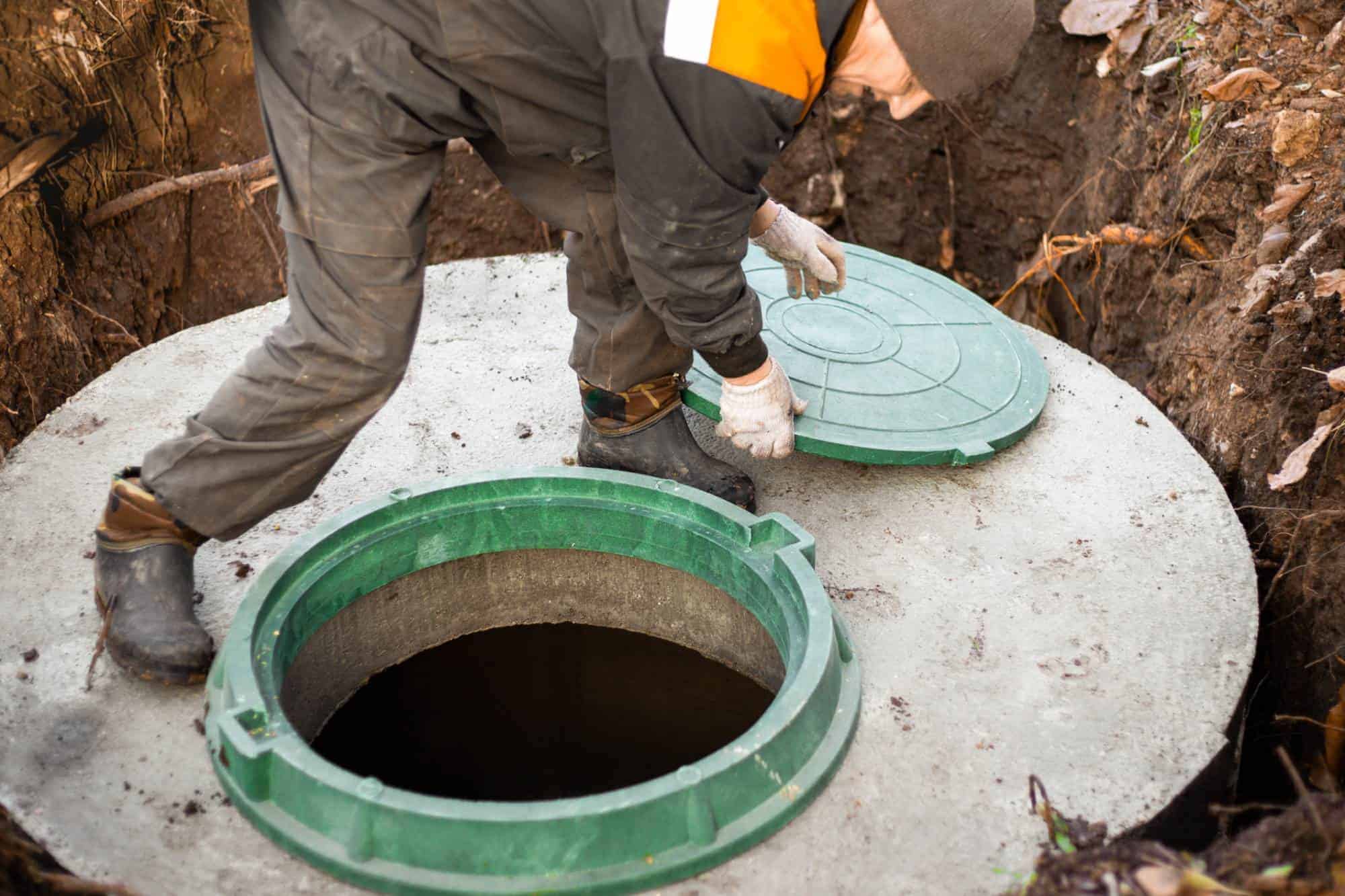
Septic pump maintenance involves inspecting the pump itself for wear, testing the float switch to confirm it’s triggering at the right levels, checking the electrical connections for corrosion or damage, and verifying that the pump is moving the right volume of effluent per cycle. These aren’t things a homeowner can assess visually from above ground. They require a technician to access the pump chamber and run through a proper evaluation.
For Suffolk County homes with pumped systems, annual pump inspection is a reasonable standard — particularly given the region’s high and seasonally variable water table. During heavy rain or snowmelt, the water table across much of Long Island rises significantly, especially in low-lying coastal areas. A pump that’s already marginal can fail quickly under those conditions. The sandy, glacially deposited soil that covers most of Long Island allows water to move rapidly — which is part of why system stress during wet seasons is so common here and why staying ahead of pump maintenance matters more than it might in other regions.
Suffolk County's Soil and Water Table: Why Maintenance Is More Urgent Here
Long Island’s geology is specific, and it has direct consequences for how septic systems perform and fail. The island sits on glacially deposited sandy soil — soil that drains quickly. That’s partly why cesspools and septic systems were so widely installed here in the first place. But rapid drainage cuts both ways.
When a system is failing or under-maintained, contaminants don’t linger in the soil long enough for natural filtration to do much work. Nitrogen, phosphorus, and pathogens move quickly through the ground and reach the water table fast. That water table feeds Long Island’s sole-source aquifer — the only source of drinking water for everyone on the island.
There’s no backup supply. What goes into the ground from a failing septic system has a direct path to the water that comes out of your tap, or into the nearest bay, harbor, or estuary. The nitrogen pollution documented in Long Island’s coastal waters — the harmful algal blooms, the shellfish bed closures — traces in significant part back to the county’s aging cesspool infrastructure and under-maintained septic systems.
This is the environmental backdrop that makes Suffolk County’s regulatory approach one of the strictest in the country. The county’s mandatory three-year inspection requirement, the Long Island Nitrogen Action Plan, the ban on new cesspools, the Septic Improvement Program offering up to $10,000 in grant funding for qualifying upgrades — these aren’t bureaucratic formalities. They’re responses to a real and measurable problem.
For homeowners in Babylon, Riverhead, East Hampton, or anywhere else across the county, understanding this context helps explain why regular maintenance isn’t just a good habit. It’s a legal requirement, a financial protection, and — given what’s at stake with the aquifer — something that affects the whole community.
We’ve been working in Suffolk County since 1980. We know the soil, the systems, and the regulations. When we show up for a maintenance visit, we’re not running through a generic checklist — we’re looking at your specific system, in your specific conditions, and giving you an honest picture of where things stand.
Getting Septic System Maintenance Right on Long Island
Septic system maintenance isn’t complicated once you understand what it actually involves. It’s pumping on a schedule that fits your household and system type, not a one-size-fits-all interval. It’s an inspection that looks at the whole system — tank, baffles, filter, drain field, and pump if you have one. It’s documentation that keeps you compliant with Suffolk County’s requirements and protects you when it matters most, whether that’s a routine county inspection or a real estate transaction.
The homeowners who end up with expensive emergency repairs are usually the ones who didn’t know what they didn’t know. If you’ve inherited a system with no maintenance history, or if it’s simply been a while since anyone looked at what’s underground, that’s where to start.
Antorino & Sons offers free estimates, flexible scheduling, and payment plans for larger work — because we’d rather help you stay ahead of a problem than show up after one has already cost you more than it should have. Reach out and we’ll take it from there.