Summary:
You didn’t plan for this. Maybe the drains are slow, there’s an odor you can’t explain, or a wet patch showed up in the yard. Maybe a home inspector flagged something and now you’re staring at a quote you don’t know how to evaluate. Whatever got you here, the question is the same: do you actually need to replace the whole system, or will a repair hold?
That’s exactly what this page answers. We’ll walk you through how to think about the repair-vs.-replace decision, what realistic costs look like in Suffolk County, NY, and one financial factor that most homeowners don’t find out about until after they’ve already paid.
How to Decide Between Cesspool Repair and Full Replacement
The honest answer is that most homeowners can’t make this call on their own — and they shouldn’t have to. But there are a few factors that consistently push a situation toward one outcome or the other, and understanding them helps you have a smarter conversation with whoever you bring in to assess the system.
System age is the first thing to look at. A cesspool installed in the 1950s or 1960s — which describes a significant portion of the housing stock in towns like Huntington, Smithtown, and Coram — is operating well past the lifespan its original materials were designed for. That doesn’t automatically mean replacement, but it changes how you weigh the cost of repairs.
Structural Failure vs. Drainage Problems: Why the Type of Failure Matters
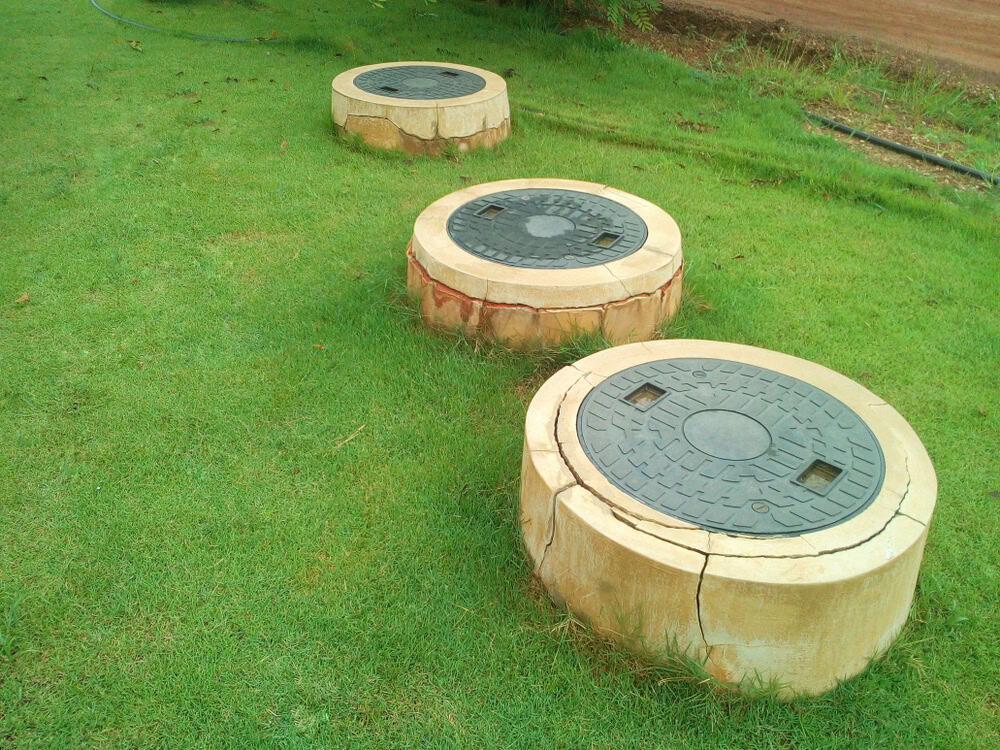
Not all cesspool problems are created equal. Some failures are mechanical — a broken baffle, a cracked lid, a damaged pipe — and these are generally repairable without touching the tank itself. Others are structural: the walls of the cesspool have collapsed, the bottom has sealed with compacted sludge, or the surrounding soil has lost its ability to absorb effluent. Those situations don’t have a repair that sticks.
Drainage failure is particularly common in Suffolk County because of the county’s soil variability. In areas closer to the South Shore or near coastal communities, a higher water table limits the soil’s ability to absorb wastewater over time. Once the leaching field surrounding a cesspool becomes saturated or biologically clogged, no amount of pumping or cleaning restores it permanently. That’s a replacement conversation.
Repair history also matters. If you’ve had the same system pumped out three times in two years, or paid for repairs that didn’t hold, you’re likely caught in what we refer to as the repair trap — spending incrementally on a system that’s already past its functional life. A useful rule of thumb: when cumulative repair costs start approaching half of what a new system would cost, replacement is the smarter financial move. Continuing to repair at that point is essentially financing a system that’s already failing on borrowed time.
The other factor specific to Suffolk County is regulatory compliance. Since July 1, 2019, the county banned the installation of new traditional cesspools. If your system needs to be replaced, it must meet current standards — at minimum a conventional septic system, and in many cases a nitrogen-reducing I/A OWTS system depending on your property’s location and proximity to water. This isn’t optional, and it affects both the scope and the cost of any replacement project.
Cesspool Cleaning Cost as a Baseline: What Routine Maintenance Actually Runs
Before getting into repair and replacement numbers, it helps to understand what routine maintenance costs — because that baseline is what makes the higher numbers make sense.
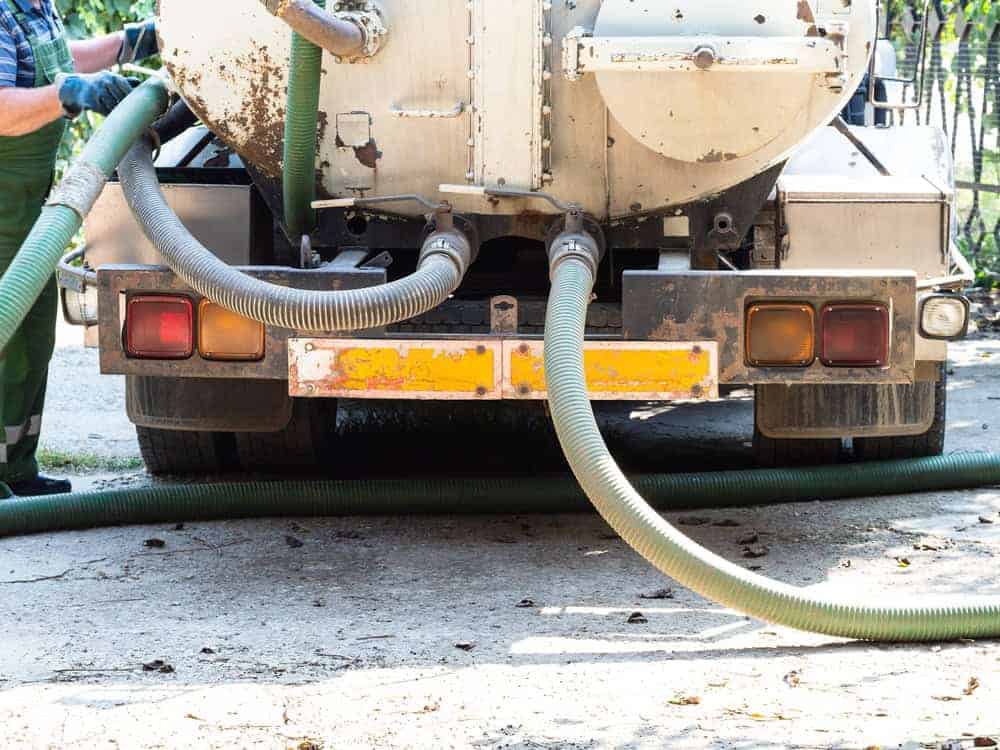
For most residential properties in Suffolk County, a standard cesspool pumping runs between $300 and $600 depending on tank size, access, and how long it’s been since the last service. Cleaning — which goes further than pumping by removing accumulated sludge rather than just liquid — is a separate service and typically costs more. These aren’t the same thing, even though the terms get used interchangeably.
Routine maintenance every two to three years (adjusted for household size and water usage) is what keeps a functioning system functioning. Spending $300–$500 on a regular schedule is how you avoid the scenario where a system that could have lasted another decade fails prematurely and forces a $15,000–$25,000 replacement decision. Ten years of routine pumping costs less than one emergency replacement.
The reason this matters for the repair-vs.-replace decision is that it gives you a cost ladder to reason from. Cleaning sits at the bottom. Common repairs — a baffle replacement, a damaged lid, a broken inlet pipe — typically run into the hundreds to low thousands. A full structural repair or leaching field remediation can reach several thousand dollars. Full system replacement on Long Island runs from roughly $10,000 on the low end to $50,000 or more depending on the system type, lot conditions, soil, and access. Knowing where you are on that ladder is the first step to making a clear-headed decision.
What Cesspool Replacement Actually Costs in Suffolk County
Full cesspool replacement on Long Island is not a fixed number — and any contractor who gives you a firm price over the phone without seeing the property is either guessing or lowballing to get in the door. Soil conditions, system size, lot configuration, depth, and the type of system being installed all affect the final cost.
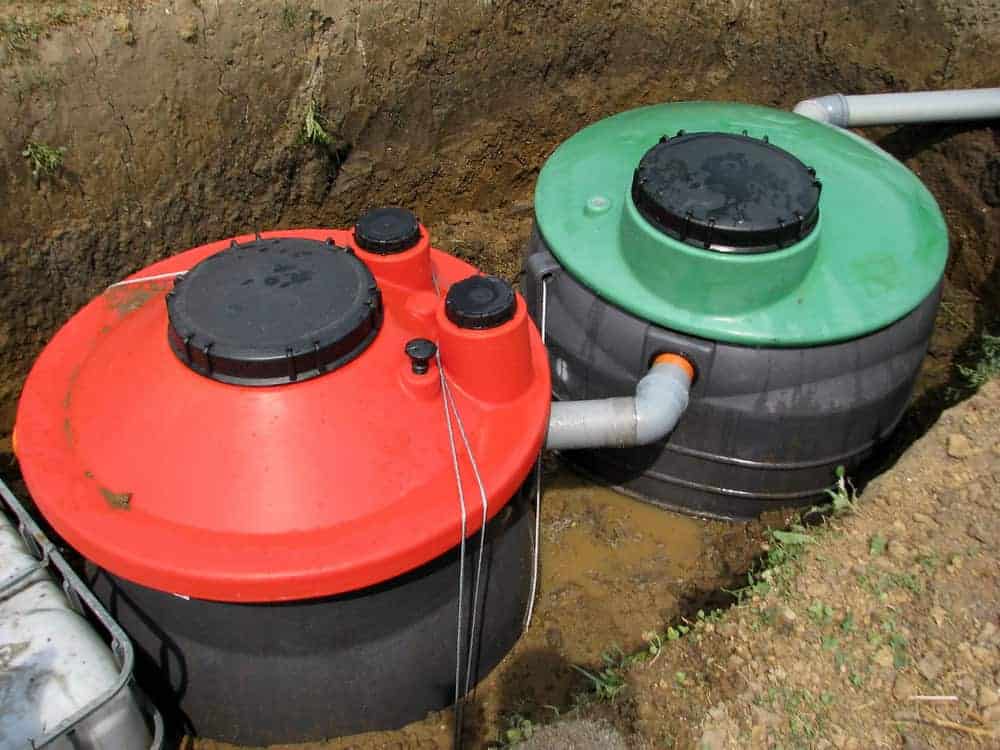
Conventional septic system replacements typically start around $10,000 and can reach $25,000 or more for larger or more complex installations. I/A OWTS nitrogen-reducing systems — which are required in certain locations under Suffolk County’s current regulations — average around $25,000 before engineering and design costs are factored in.
Suffolk County Cesspool Replacement Grants: What Most Homeowners Don't Know Until It's Too Late
Here’s the part of the replacement conversation that changes the financial picture significantly for many Suffolk County homeowners: grant funding is available, and most people don’t find out about it until after they’ve already paid out of pocket.
The Suffolk County Septic Improvement Program (SIP) provides grants to homeowners who replace failing cesspools with qualifying I/A OWTS systems. As of 2025, the reimbursement rate was increased to 75%, with grants covering up to $25,000 of eligible costs. Combined with New York State funding through the Environmental Facilities Corporation’s Septic System Replacement Fund — which provides up to $10,000 in base grants, with additional amounts available for qualifying households — total available funding can reach $30,000 or more for eligible applicants.
The IRS confirmed in Announcement 2022-26 that SIP payments to Suffolk County homeowners are not included in gross income for federal tax purposes. The grant isn’t just free money — it’s tax-free free money.
The catch is timing. SIP applications move on a first-come, first-served basis, and the process from initial inquiry to grant-approved installation typically takes five to seven months. If you’re in a situation where replacement is inevitable, waiting to look into this program costs you. The homeowners who benefit most are the ones who start the application process before the system reaches full failure — not after they’re already dealing with a backup and a health code violation.
Why Suffolk County Replacement Jobs Are More Complex Than Most People Expect
Suffolk County sits on a sole-source aquifer — meaning the county’s entire drinking water supply comes from groundwater, with no backup source. That’s why nitrogen pollution from aging cesspools isn’t just an environmental talking point here; it’s a public health issue that has driven real regulatory action, including the 2019 cesspool ban and the ongoing push toward I/A OWTS systems that reduce nitrogen output by up to 70%.
What this means practically for homeowners is that replacement in Suffolk County involves more than just digging out an old system and dropping in a new one. There are SCDHS permits required, inspections at multiple stages, setback requirements from wells and property lines, and system-type decisions that depend on your specific location and proximity to water. In communities along the South Shore, near the Peconic Bay, or in areas with a high water table, the engineering constraints are more significant — and that affects both the design and the cost.
This is also why local expertise matters in a way that’s hard to overstate. We’ve been doing this work in Suffolk County since 1980. When we assess a system, we know the soil conditions in Yaphank versus East Setauket versus Sayville. We know which SCDHS-approved I/A OWTS systems perform well in different soil profiles, and we know how to navigate the permitting process without the delays that come from filing incorrect or incomplete applications. That institutional knowledge — built over decades of working in this specific county — is what separates a smooth replacement project from a drawn-out, expensive one.
Getting a Straight Answer on Cesspool Repair vs. Replacement Cost
The repair-vs.-replace decision doesn’t have to be as overwhelming as it feels in the moment. In most cases, it comes down to a few clear factors: how old the system is, what type of failure you’re dealing with, how much has already been spent on repairs, and what Suffolk County’s current regulations require for your property.
What it doesn’t come down to is a phone quote from a contractor who hasn’t seen the system. A real assessment requires eyes on the ground — and that’s where the conversation should start.
We offer free estimates and upfront pricing before any work begins. We’ll tell you what we find, what it means, and what your options actually are — including whether grant funding might apply to your situation. Give us a call and we’ll take it from there.