Summary:
October has a way of sneaking up on you. The leaves turn, the temperatures drop, and suddenly you’re thinking about heating oil and storm windows — not your cesspool. But for homeowners across Suffolk County, that underground system is quietly approaching the one window where a small problem becomes an expensive, ground-frozen disaster. Once the soil locks up for winter, routine maintenance becomes emergency work. And emergency work costs more, takes longer, and is a lot harder to schedule. Here’s what to do now, while you still have time to do it right.
Why Fall Cesspool Pumping in Suffolk County Can't Wait Until Spring
Long Island’s winters aren’t just cold — they’re unpredictable. Temperatures can drop from 40°F to 15°F within hours, and those freeze-thaw cycles put real stress on cesspool infrastructure. Concrete cracks, pipes split, and components that worked fine in September can fail under the pressure of a hard freeze.
What makes this especially important for Suffolk County homeowners is the water table. In fall and spring, groundwater levels rise — and a high water table reduces the effective capacity of your leaching field. If your system is already close to full heading into winter, that combination of reduced drainage and cold-slowed bacterial activity is a recipe for a backup you really don’t want to deal with in January.

What Cold Weather Actually Does to Your Cesspool System
The bacteria inside your cesspool are doing real work. They break down the solid waste that accumulates over time, slowing the rate at which your system fills. When temperatures drop, that bacterial activity slows dramatically. Sludge and scum layers build up faster than they would in warmer months, and a system that might have had another year of comfortable capacity can reach its limit well ahead of schedule.
This is why the Suffolk County Department of Health Services recommends a three-year pumping schedule for residential cesspools. Miss that window, and you’re not just dealing with a full tank. You’re dealing with solids that can flow into your overflow cesspool, clog your distribution lines, and compromise a leaching field that took years to develop.
The timing problem compounds when you factor in frozen ground. A cesspool that needs repair in November is a manageable job. The same repair in January — when the ground is frozen and your technician needs to excavate — is a significantly bigger undertaking. Costs go up, scheduling gets harder, and if the system backs up into the house in the meantime, you’re looking at a whole different category of damage.
Homes built before 1973 in Suffolk County often have cesspool-only systems with no septic tank preceding the leaching structure. These older systems have less margin for error heading into winter. If you’re in a house from the post-war boom — the 1950s, ’60s, or early ’70s — and you haven’t had your system serviced in a few years, fall is not the time to wait and see.
Warning Signs Before Winter That Mean You're Already Running Out of Time
Cesspools don’t usually fail loudly. They fail quietly, over time, until one day they don’t. But there are signals that show up before a system reaches the point of no return — and if you’re seeing any of them heading into fall, the window to act is shorter than you think.
Slow drains are the most common early sign. If your sinks, tubs, or toilets are draining more sluggishly than usual, it often means the system is approaching capacity and solids are beginning to restrict flow. A gurgling sound from your drains — especially after flushing — is another indicator that air is being displaced somewhere in the line, which points to a blockage or a full tank.
Soggy spots or unusually green patches in your yard, particularly over the area where your cesspool or drain field is located, can mean the system is no longer absorbing waste effectively. Standing water in that area is a more urgent version of the same problem. And sewage odors — either inside the house or outside near the system — are a sign that something is already wrong.
If you notice any of these signs in October, you are not dealing with a “monitor it and see” situation. You’re dealing with a system that needs attention before the ground freezes and before winter use pushes it past the point where routine service can solve the problem. The difference between scheduling a pump-out in October and calling for emergency service in December isn’t just cost — it’s the difference between a planned appointment and a crisis.
Suffolk County’s sole-source aquifer — the only source of drinking water for all of Long Island — sits beneath your yard. What goes into the ground here doesn’t just affect your property. It affects the water supply for the entire region. That’s part of why Suffolk County takes cesspool maintenance and compliance seriously, and why the regulations here are among the strictest in the state.
Cesspool Inspection and Cleaning: What the Pre-Winter Visit Actually Covers
A lot of homeowners assume a cesspool service visit is just a truck showing up and pumping out the tank. The reality is more thorough than that — and understanding what a proper pre-winter service covers helps you know what to ask for and what to expect.
A complete pre-winter cesspool inspection and cleaning isn’t just about emptying the tank. It’s about assessing the condition of the entire system before cold weather makes problems harder to detect and harder to fix. Here’s what that process should include.

What a Cesspool Cleaning and Pump-Out Should Include
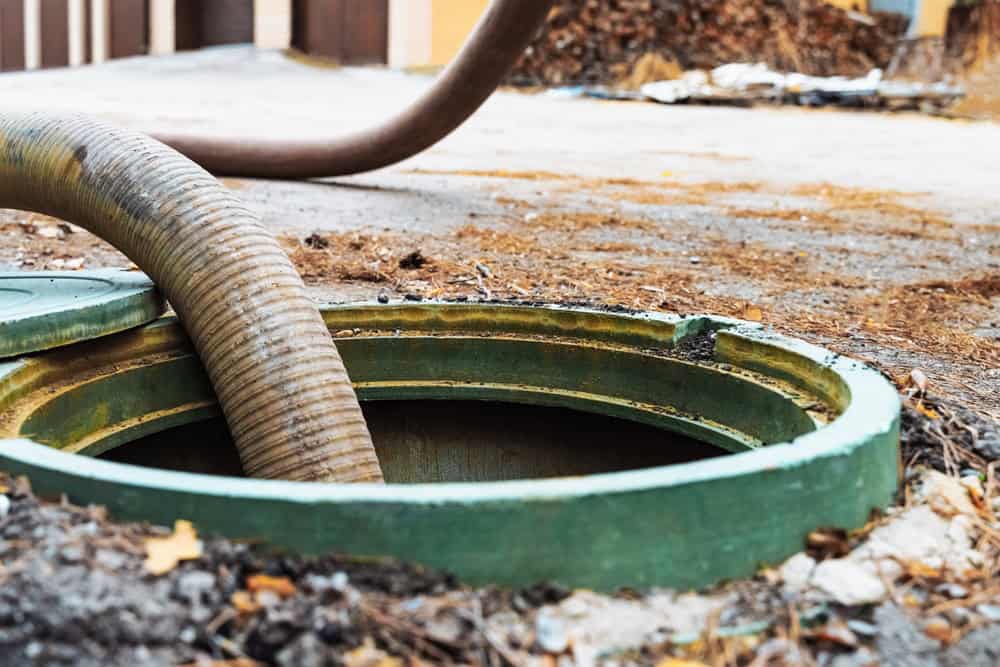
The core of any pre-winter service is the pump-out itself — removing the accumulated waste, sludge, and scum that have built up since the last service. But a quality cesspool cleaning goes beyond just emptying the tank. We flush and check the distribution lines, which carry effluent from the tank to the leaching field. Restricted or blocked distribution lines are a common cause of system failure, and catching a partial blockage in fall is far easier than diagnosing it after the ground freezes.
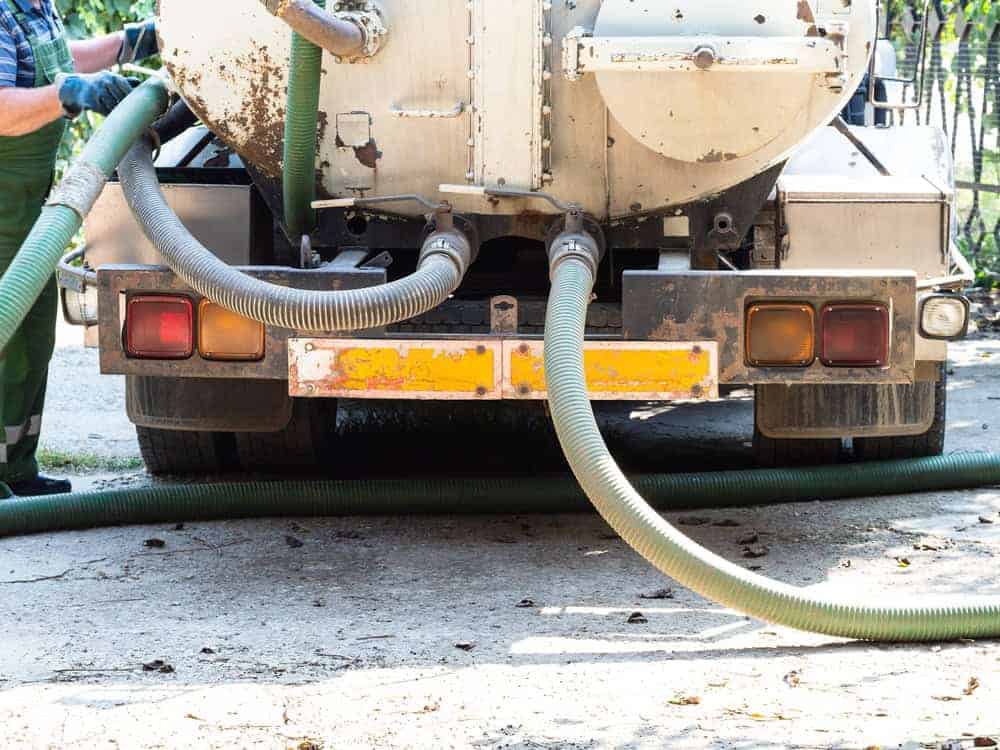
Waste removed during the service should be transported to an approved treatment facility — not disposed of improperly. This is both an environmental and a legal requirement in Suffolk County, and it’s worth confirming before any work begins.
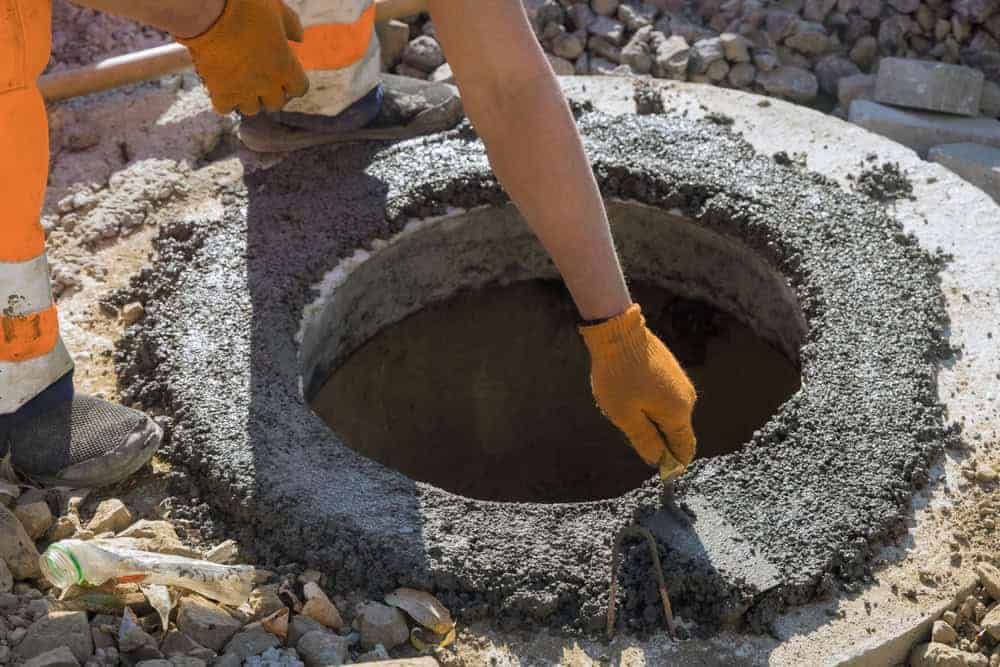
After pumping, we check the structural condition of the tank itself. Cracks, damaged baffles, or deteriorating concrete are easier to repair in fall than in winter, and a cracked tank that goes into a freeze-thaw cycle without repair can fail completely by spring. For systems with electronic locating capability and video inspection equipment, a camera inspection of the lines can identify issues that aren’t visible from the surface — collapsed sections, root intrusion, or separation at joints.
You’ll receive written documentation of the service. Since July 2018, all licensed cesspool contractors in Suffolk County have been required to report all pumping activity to the Suffolk County Department of Health Services. That service record goes into a county database, and your copy of the documentation matters — both for your own records and for any future sale or renovation permit that triggers a compliance review.
Cesspool Lid, Riser, and Drain Field: The Physical Checks Most Homeowners Skip
Beyond the pump-out and cleaning, there are physical components of your cesspool system that should be inspected before winter — and that most homeowners never think to ask about.
The cesspool lid is the access point for every service visit. Lids that are cracked, improperly seated, or missing their seal allow surface water to enter the system during rain and snowmelt, which adds unnecessary volume to a system that’s already working hard in winter. A damaged lid can also be a safety hazard, particularly if it’s buried at a depth that isn’t immediately obvious. If your system has risers — the vertical extensions that bring the access point closer to the surface — those should be checked for cracks or separation as well.
The drain field, or leaching field, is the area of soil where treated effluent disperses after leaving the cesspool. A visual check of this area in fall can reveal early signs of failure: soggy ground, surface pooling, or unusually lush grass growth over the field that suggests the system is pushing effluent closer to the surface than it should be. In Suffolk County, where the soil composition varies considerably — sandy in some areas, clay-heavy in others — the way your drain field behaves is directly tied to your specific soil conditions. We understand Long Island’s soil map and can read those signs accurately.
None of these checks require excavation or specialized equipment. They’re visual and tactile — but they require someone who knows what to look for. A thorough pre-winter visit covers these points as part of our standard inspection protocol. A written report with findings gives you a clear picture of your system’s condition and a record of what was assessed, which is exactly the kind of documentation that matters when Suffolk County records come into play at resale.
Schedule Your Fall Cesspool Service in Suffolk County Before Slots Fill Up
The October–November window is the busiest time of year for cesspool service on Long Island. Every homeowner who waited through the summer is calling at the same time, and scheduling gets tight fast. Homeowners who call in September — before the rush — get their choice of appointment times and avoid the scramble that comes when the first hard freeze is in the forecast.
If you’re not sure when your system was last serviced, that uncertainty is itself a reason to call. A system that hasn’t been pumped in more than three years, or one showing any of the warning signs covered here, needs attention before the ground locks up for winter.
We’ve been handling cesspool pumping, cleaning, and inspection across Suffolk County since 1980. We offer free estimates, upfront pricing with no hidden fees, and financing options if cost is a concern. Call us before the fall rush closes in — your system will thank you when January arrives.