Summary:
Most people don’t think about their septic system until a drain starts gurgling or something surfaces in the backyard. By that point, what could have been a routine pumping has become an emergency call. If you own a home in Nassau County, the stakes are a little higher than most places, and the rules are more specific than most homeowners realize.
Long Island’s soil, water table, and regulatory environment all affect how your system behaves and what’s expected of you as a homeowner. Here’s what you need to know.
How Septic Tank Services Work In Nassau County
A septic system does one job: it takes the wastewater leaving your home and processes it safely before it enters the ground. On Long Island, that job is complicated by sandy soil, a high water table, and the fact that every drop of drinking water in the county comes from underground aquifers. When a system isn’t maintained, the consequences aren’t just inconvenient. They are environmental.
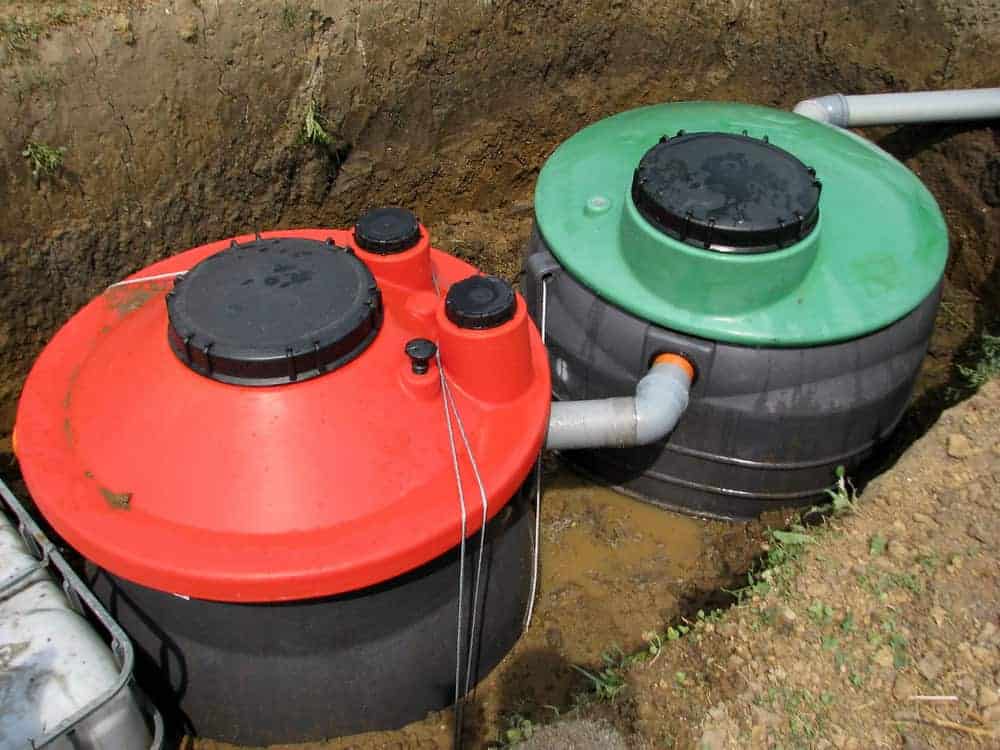
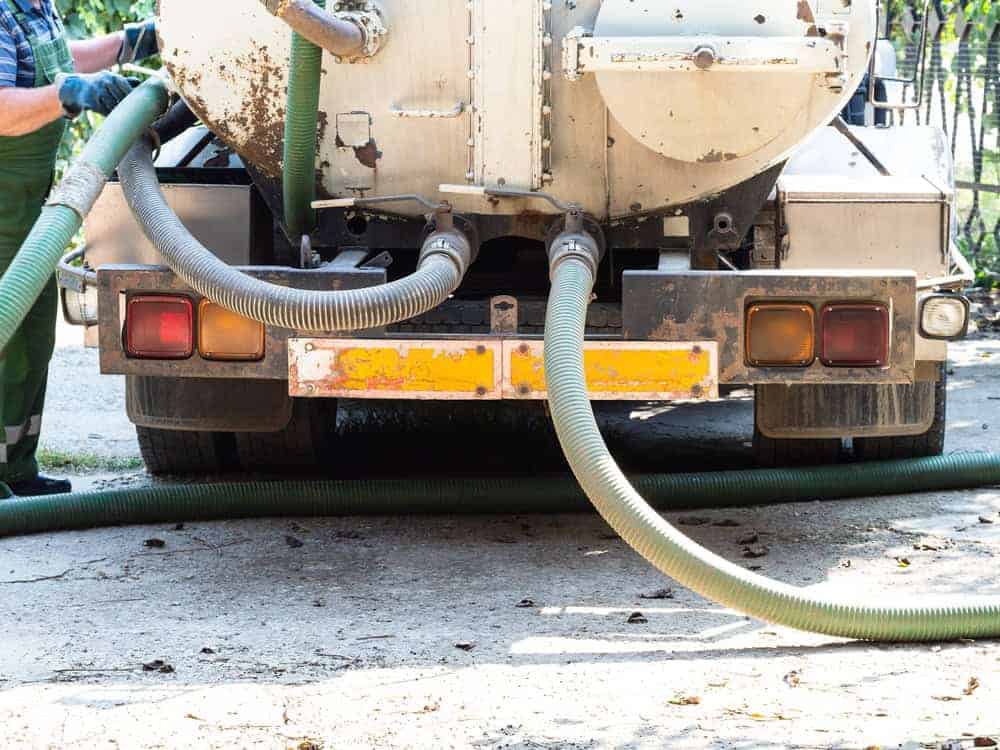
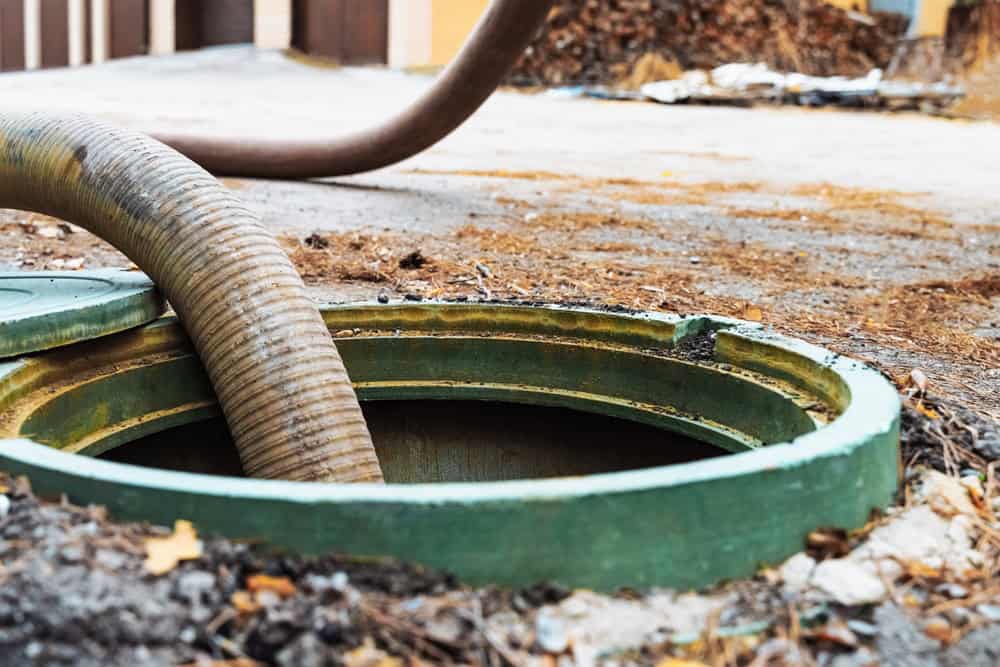
Routine septic tank services include pumping, inspection, repair, and when necessary, full replacement. Most tanks need pumping every three to five years, though smaller tanks or larger households may need it more often.
Inspections go deeper. We assess the structural condition of the tank, the inlet and outlet pipes, and the drain field’s ability to discharge properly. That’s where the real picture emerges.
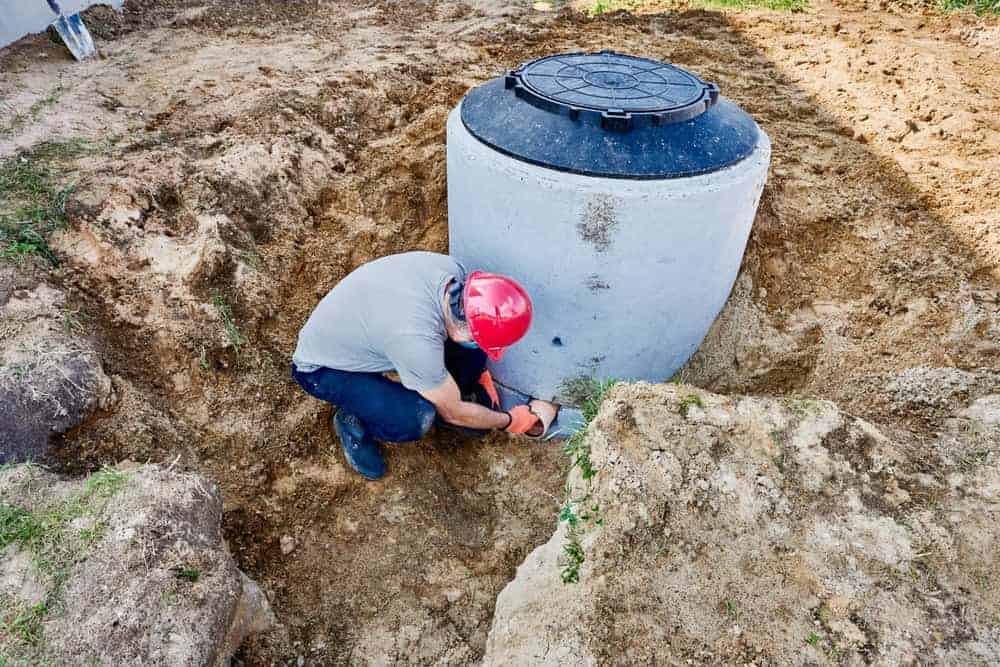
What Happens During A Septic Tank Inspection In Nassau County
A real inspection isn’t just a visual check. A thorough technician will document sludge and scum levels inside the tank, check the structural integrity of the tank walls and access lids, examine the inlet and outlet pipes for blockages or damage, and assess if the drain field is functioning the way it should.
In some cases, a camera inspection of the pipes reveals problems that aren’t visible from the tank itself. What separates a quality inspection from a rushed one is documentation. You should walk away with a written report that explains what was found, what it means, and what needs attention if anything.
Nassau County operates on a five-year inspection cycle. These aren’t optional; they’re enforceable requirements, and homeowners who skip them can face fines ranging from $250 to $2,000.
If you’ve recently purchased an older home in Levittown, Massapequa, or Hicksville, there’s a real chance the system hasn’t been professionally inspected in years. The postwar housing stock across Nassau County’s South Shore was built almost entirely during the 1940s and 1950s, and a lot of those systems are approaching or well past their expected service life.
Long Island’s high water table creates a specific risk that doesn’t exist in most other markets. After a major storm or a wet spring, the water table can rise close enough to the surface to limit the drain field’s ability to discharge properly. A tank that’s already running near capacity going into a wet stretch is a system that’s one heavy rain away from surfacing. Regular inspection is the only way to catch that before it becomes a crisis.
Warning Signs Your Nassau County Septic System Needs Attention
By the time most homeowners search for septic tank services, something has already prompted them. Slow drains throughout the house are one of the most common early signals, not a single slow drain, but multiple fixtures draining sluggishly at the same time.
When that’s paired with gurgling sounds from toilets or lower-level drains, it usually means the system is under stress and approaching capacity. Foul odors near the yard, particularly around the tank or drain field area, are another sign the system isn’t processing waste the way it should.
A wet or unusually green patch of grass over the drain field can indicate that wastewater is surfacing rather than absorbing properly into the soil. None of these are problems you want to watch and wait on.
What catches a lot of Nassau County homeowners off guard is how quickly a manageable situation becomes an expensive one. A well-maintained septic tank lasts 20 to 30 years. Neglect it, and you’re looking at a replacement that can run $10,000 or more.
Under current Nassau County regulations, a failed cesspool can’t simply be replaced with another cesspool. You’re required to upgrade to a compliant septic system or an Innovative/Alternative Onsite Wastewater Treatment System, known as an I/A OWTS. That’s a bigger project, and it comes with a bigger price tag.
The good news is that Nassau County’s SEPTIC grant program provides up to $20,000 for qualifying homeowners making that transition, something most people don’t find out about until someone tells them directly.
Choosing The Right Septic Tank Service Company On Long Island
There’s no shortage of cesspool and septic companies serving Nassau County. What varies significantly is the quality of the work, the accuracy of the diagnosis, and if the company understands the local regulatory environment or is just going through the motions.
The first thing to verify is licensing. Any company performing septic work in Nassau County should hold current state and county credentials and carry appropriate insurance. That’s not a differentiator. It’s a baseline.
What separates a trustworthy provider from a problematic one is how they communicate, what they put in writing, and if their recommendations hold up over time.
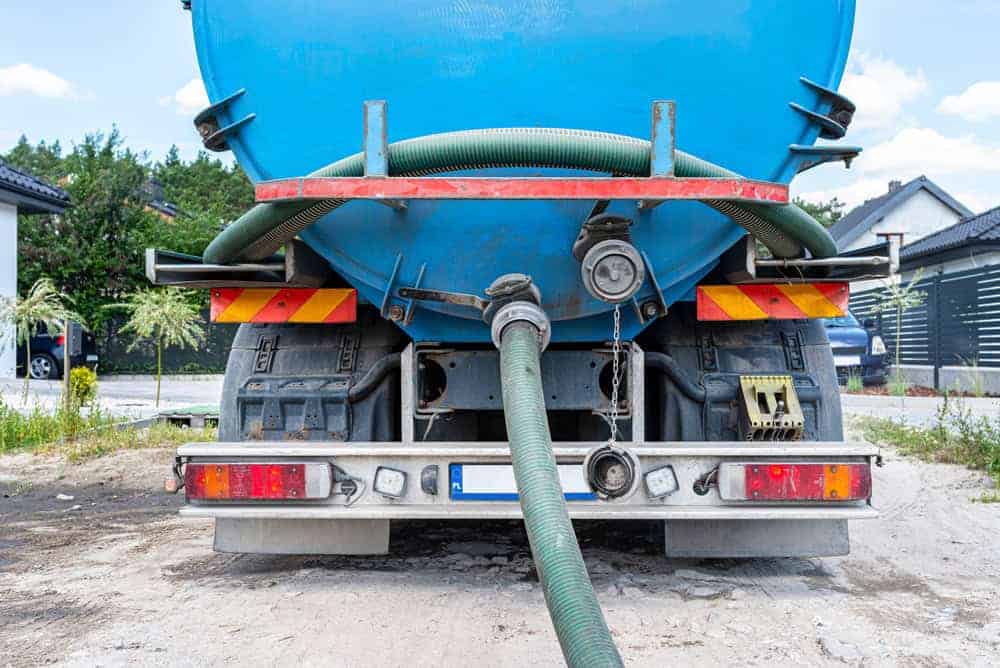
What To Look For Before You Hire A Septic Company In Nassau County
Before any work begins, a reputable company should give you a written estimate. Not a verbal ballpark, but a written quote that explains what’s being done and what it will cost. This protects you from surprise charges after the truck leaves, and it gives you documentation you can reference for real estate transactions or county compliance purposes.
If a company resists putting anything in writing, that’s a meaningful red flag.
Local knowledge matters more here than in most markets. Long Island’s sandy glacial soil, combined with the county’s strict environmental regulations and proximity to tidal waters like Great South Bay and Hempstead Harbor, means that septic system behavior here is genuinely different from what you’d find inland. A company that treats every market the same isn’t the right fit for Nassau County.
Ask specifically if the technician will document findings in writing after the service. Ask if they’re familiar with Nassau County’s inspection requirements and the SEPTIC grant program. Ask how long they’ve been operating on Long Island. These aren’t trick questions. They’re the kind of practical questions that quickly separate experienced local operators from companies that are just covering geography on a map.
In Nassau County’s tight-knit communities, reputation travels fast. The companies that have been operating here for decades have earned that longevity by solving problems, not just treating symptoms. Check reviews carefully, and pay attention to what people say about follow-through.
Nassau County Septic Regulations: What Homeowners Are Required To Do
The regulatory landscape for septic systems in Nassau County has shifted meaningfully in recent years, and a lot of homeowners are still catching up. The five-year inspection mandate is the most immediate requirement for most property owners. If your system hasn’t been inspected within that window, you’re technically out of compliance, and if you’re selling your home, that gap will surface during the transaction.
The bigger shift is what happens when a system fails. Under current Nassau County rules, a failed cesspool cannot be replaced with another cesspool. The replacement must be a compliant septic system or an I/A OWTS. This is a nitrogen-reducing system designed to remove up to 90% of the nitrogen that conventional cesspools leave behind.
This matters because Long Island’s aquifers supply 100% of the county’s drinking water, and nitrogen from failing systems has been directly linked to the algae blooms, fish kills, and shellfish restrictions that have affected the county’s bays and harbors for years.
The cost of upgrading to an I/A OWTS is real, but it’s not as prohibitive as many homeowners assume. Nassau County’s SEPTIC grant program was specifically created to offset that cost, providing up to $20,000 to eligible homeowners and small businesses making the transition. Applications go through the Nassau County Soil and Water Conservation District, and we can walk you through what the process looks like for your specific property.
If you’ve received a notice from Nassau County about your system, or if you’re not sure where your property stands relative to current requirements, the right move is to get a professional inspection and a written assessment before deciding anything. Knowing what you’re dealing with is always cheaper than guessing.
Septic Tank Maintenance In Nassau County: The Bottom Line
Septic systems don’t fail overnight. They give signals like slow drains, odors, wet spots, and gurgling pipes. The homeowners who act on those signals early almost always spend less and stress less than the ones who wait.
On Long Island, where the soil is sandy, the water table is high, and the county has enforceable inspection requirements, staying ahead of your system isn’t optional. It’s just practical.
The difference between a $400 pumping and a $15,000 replacement is usually maintenance. Knowing your inspection cycle, understanding what the county requires, and working with a company that documents what they find are all factors that matter more than most homeowners realize until they’re in the middle of a problem.
If you’re overdue for service, unsure where your system stands, or trying to figure out what Nassau County’s regulations mean for your property, Antorino & Sons has been serving Long Island homeowners since 1980, and we can give you a straight answer. Call us today to schedule your comprehensive inspection and secure your property for the season ahead.