Summary:
The Reality of Excavation During Septic Tank Replacement
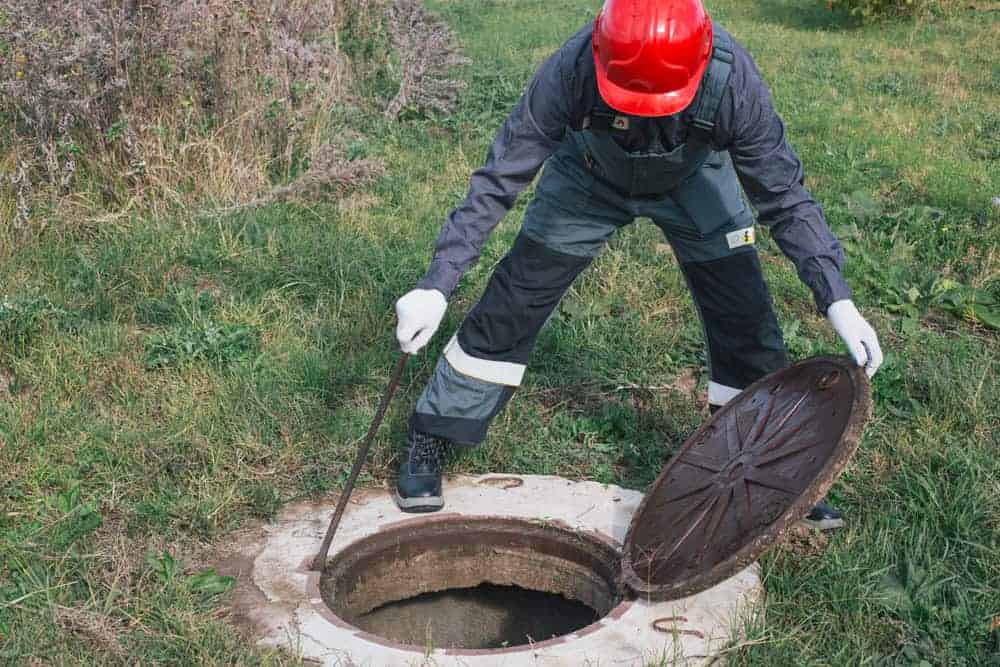
Your septic tank replacement will require excavation, but it’s more targeted than you might expect. The work typically affects a specific area where your old tank sits and the path equipment needs to access it. Most contractors can work within a footprint that’s smaller than many homeowners anticipate.
The actual disrupted area depends on your current tank’s location, soil conditions, and access requirements. In Stony Brook’s sandy soil conditions, excavation tends to be cleaner and more contained than in clay-heavy areas. We walk the property with you beforehand to map out the work zone and identify which areas of your landscape will be affected.

How Much of Your Property Will Actually Be Disturbed
The excavation zone for septic tank replacement typically includes the immediate area around your existing tank plus an access route for equipment. For most residential properties in Stony Brook, this means a work area roughly 20 by 30 feet, though it can vary based on your specific situation.
We need space for the excavator, room to maneuver the old tank out and new tank in, and area to stockpile soil that will be backfilled later. The access route from the street or driveway to the work site will also see heavy equipment traffic, which can compact soil and damage grass.
We minimize this impact by using track mats or plywood to distribute equipment weight and protect areas that don’t need excavation. We also coordinate the timing to have materials delivered efficiently, reducing the number of trips heavy trucks make across your property.
The key is working with someone who understands that your landscape matters. As experienced septic contractors in Stony Brook, we know how to balance getting the job done efficiently while respecting your property. We take photos before starting work, clearly mark utilities and landscape features to avoid, and discuss protection strategies for valuable plants or hardscaping nearby.
What Happens to Existing Landscaping in the Work Zone
Everything in the immediate excavation area will need to be removed or relocated temporarily. This includes grass, shrubs, flower beds, and any hardscaping like walkways or decorative elements. The good news is that much of this can be saved and replanted if handled properly.
We often remove and set aside healthy sod in sections, keeping it moist and shaded during the work period. Smaller plants and shrubs can frequently be dug up with their root balls intact and replanted once the new system is installed and backfilled. Larger trees near the work area usually stay in place, though their roots might need some trimming if they interfere with the new tank placement.
Hardscaping elements like pavers, decorative stones, or small retaining walls can typically be carefully removed and reinstalled. We inventory these items and store them safely during construction. However, anything directly over the old tank location will need to be permanently relocated since you’ll need ongoing access to your new system.
It’s worth discussing with us which landscape elements are most important to you. We can often work around mature plantings or adjust the installation approach to save particularly valuable or established features. The key is having this conversation before work begins, not after the excavator arrives.
Restoring Your Landscape After Septic Tank Installation
Once your new septic tank is installed and backfilled, landscape restoration becomes the priority. The process involves more than just throwing down some grass seed and hoping for the best. Proper restoration requires attention to soil conditions, grading, and timing.
The excavated area will be backfilled with the original soil, but this soil has been disturbed and may be compacted by equipment. We take steps to restore proper soil structure, ensuring adequate drainage and creating conditions where new grass and plants can thrive.
Soil Preparation and Grading After Installation
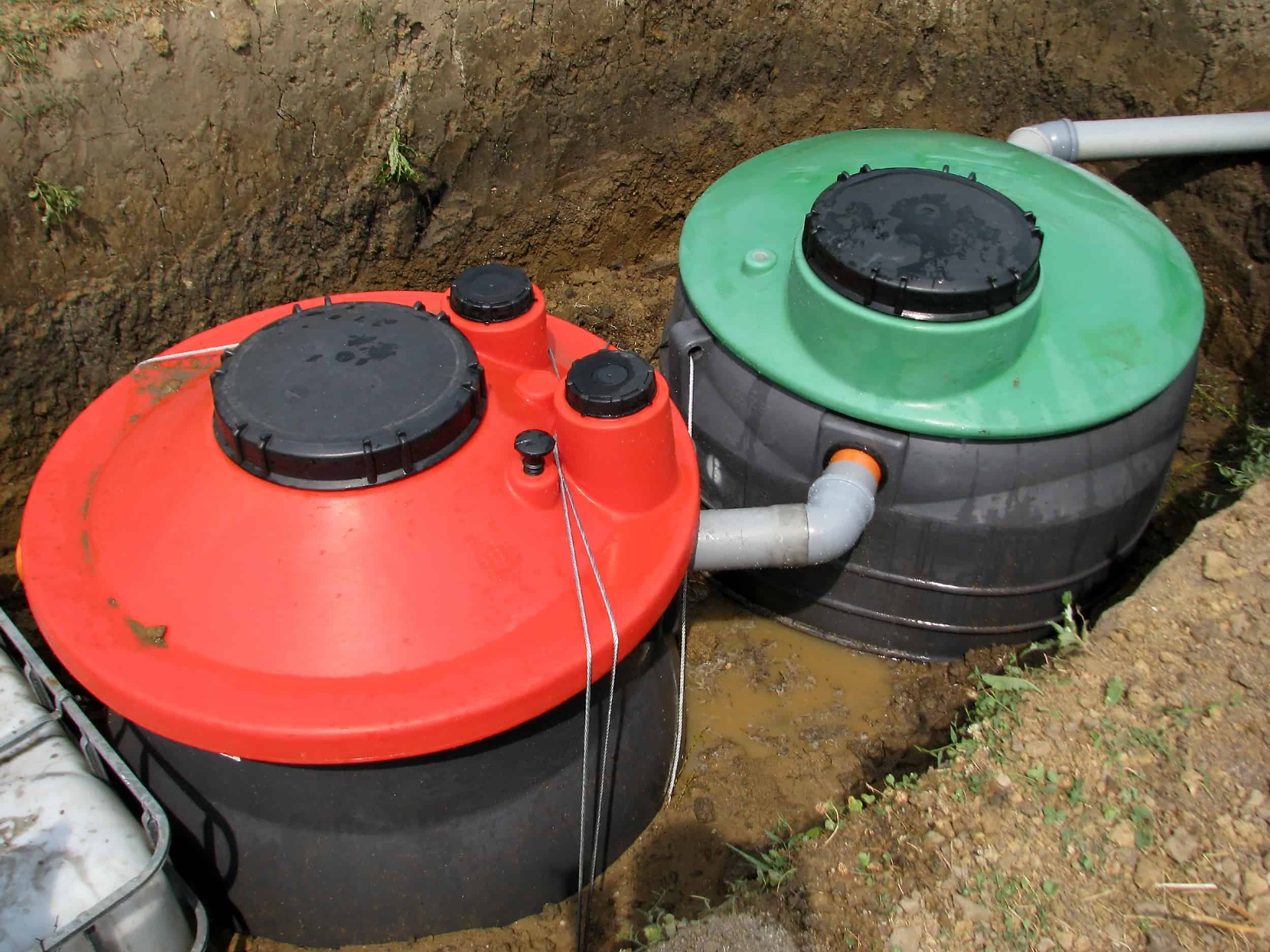
After your new septic tank is installed and the excavation is backfilled, the soil needs proper preparation before any landscaping can be restored. The backfilled area will likely be uneven and compacted from equipment traffic, requiring careful grading to match the surrounding landscape.
We remove any debris, rocks, or construction materials from the soil. The backfilled area needs to be graded so water flows away from your home and doesn’t pool over the new tank. This is crucial in Stony Brook’s soil conditions, where proper drainage prevents both landscape problems and potential system issues.
Soil compaction is a major concern after heavy equipment has worked an area. Compacted soil doesn’t drain properly, makes it difficult for grass roots to establish, and can create low spots that collect water. Professional restoration involves loosening compacted soil, often by tilling or aerating the affected areas to restore proper soil structure.
If topsoil was removed and stockpiled during excavation, it should be redistributed evenly over the work area. We recommend adding a layer of quality topsoil to ensure the best growing conditions for new grass and plants. This is especially important if the original topsoil was thin or poor quality.
Replanting and Grass Restoration Techniques That Work
Successful landscape restoration after septic tank replacement requires the right approach for your specific conditions and timing. In Stony Brook, the sandy soil actually works in your favor for quick establishment of new grass and plants, but you need to account for the area’s specific growing conditions.
Grass restoration can be accomplished through seeding, sodding, or a combination of both approaches. Seeding is more economical but takes longer to establish, while sod provides instant coverage but costs more and requires consistent watering. Many homeowners choose to sod high-visibility areas near the house and seed less prominent zones.
The timing of your septic replacement affects restoration options. Spring and early fall are ideal for grass establishment in the Long Island area, while summer installations may require more intensive watering and care. If your replacement happens during less favorable growing seasons, we might recommend temporary erosion control measures until conditions improve for permanent restoration.
Saved plants and shrubs can typically be replanted once soil preparation is complete. However, you’ll want to avoid planting anything with deep or aggressive root systems directly over your new septic tank or drain field. Grass and shallow-rooted plants are ideal for these areas, while trees and large shrubs should be planted at least 10 feet away from system components.
Planning Your Septic Replacement With Landscape Protection in Mind
Your landscape doesn’t have to be a casualty of necessary septic tank replacement. With proper planning, experienced contractors, and realistic expectations, you can minimize disruption and restore your property to look better than before.
The key is choosing a contractor who understands that your property matters as much as the septic system functionality. We discuss landscape protection strategies upfront, provide clear timelines for restoration, and stand behind our work until your yard is fully recovered.
When you’re ready to move forward with septic tank replacement in Stony Brook, we bring the local expertise and property respect you need for a successful project that protects your landscape investment.