Summary:
You just moved to Long Island, or you’re buying a home here, and suddenly you’re responsible for something you’ve never dealt with before: your own wastewater system. In areas with municipal sewers, you flush and forget. Out here in Suffolk County, what goes down your drains is your responsibility. And if you don’t know whether you have a cesspool or a septic system, you’re setting yourself up for expensive surprises when something eventually goes wrong.
This isn’t about scaring you. It’s about giving you the information you actually need to understand your system, stay compliant with Suffolk County regulations, and make decisions that protect your home and your wallet. Let’s start with what these systems are and why the difference matters.
What's the Difference Between a Cesspool and a Septic System?
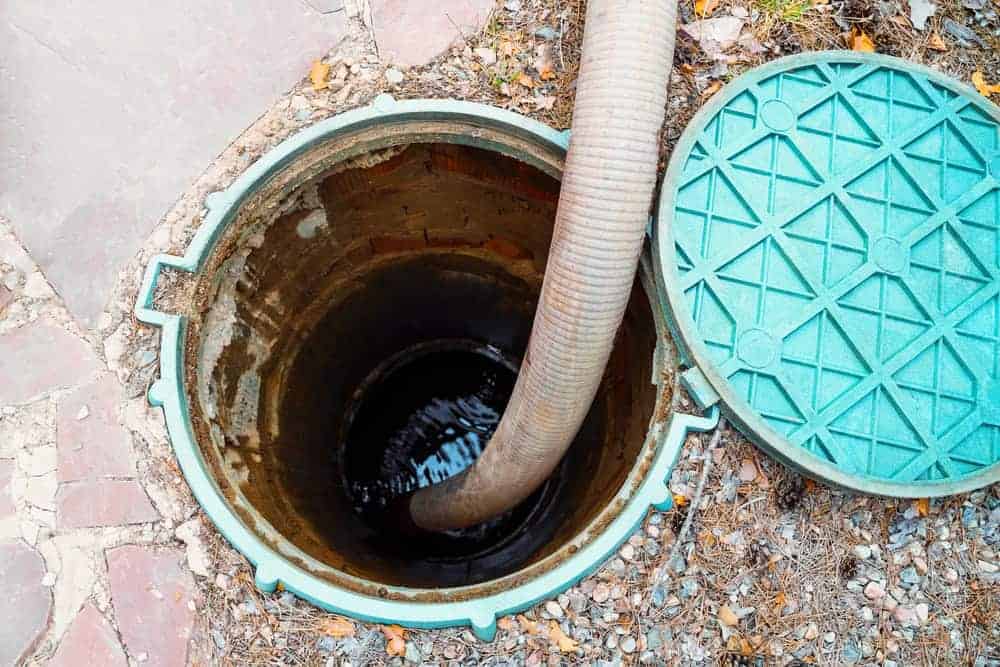
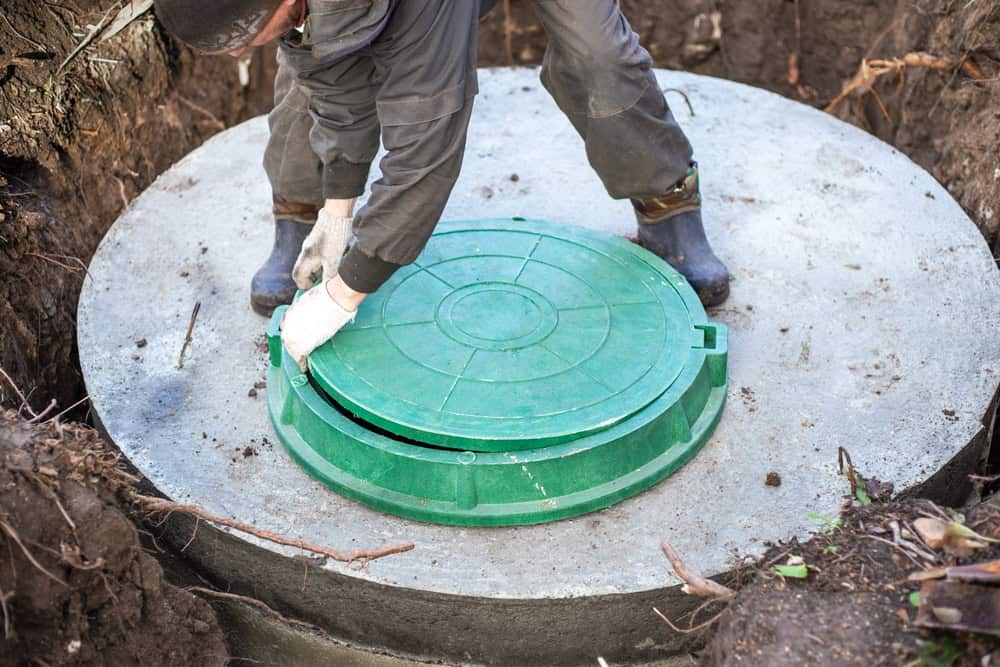
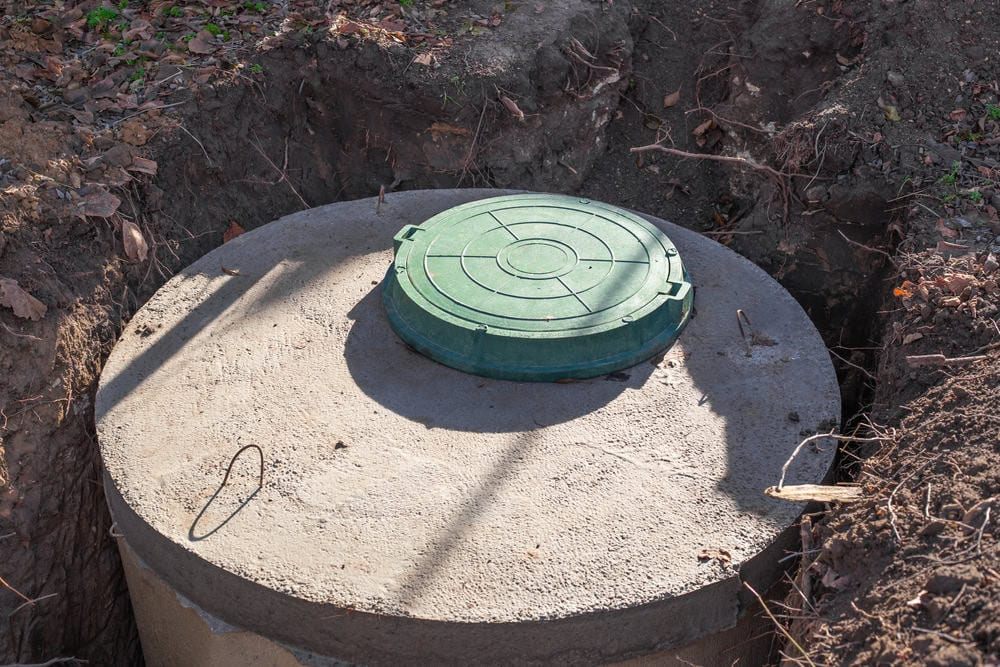
A cesspool is basically a pit in the ground. It’s a perforated concrete or block structure buried underground that collects all the wastewater from your home. Everything that goes down your drains flows into this single chamber, where solids settle at the bottom and liquids seep directly into the surrounding soil through holes in the walls.
That’s it. No treatment, no filtration, no separation. The soil around your cesspool does all the work of filtering contaminants, which sounds fine until you realize that Long Island’s sandy soil doesn’t filter much before waste reaches the water table.
A septic system works differently. It’s a two-stage process that actually treats your wastewater before it enters the ground. When waste leaves your home, it flows into a sealed septic tank where solids settle to the bottom as sludge, oils float to the top as scum, and the liquid in the middle (called effluent) exits through an outlet pipe. That liquid then travels to a drain field, where it’s filtered through gravel and soil before reaching groundwater.
The key difference is treatment. Cesspools dump everything into one hole and hope the soil handles it. Septic systems separate, treat, and filter wastewater through multiple stages before it reaches the environment.
How Does Each System Actually Work?
Understanding how these systems function helps you know what you’re maintaining and why certain problems happen.
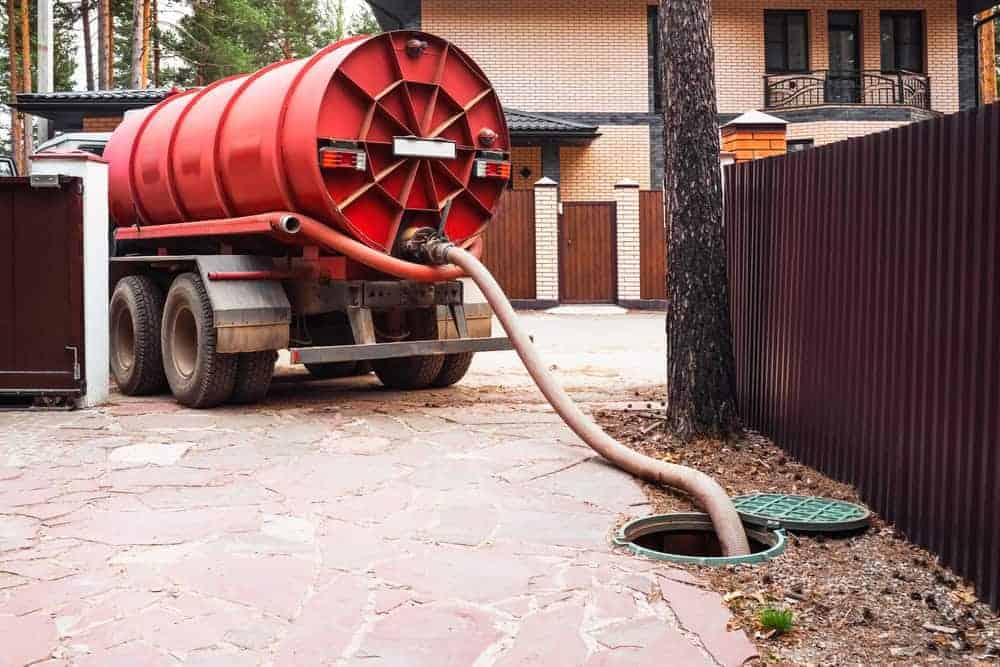
In a cesspool, wastewater enters through a single inlet pipe. Solids accumulate at the bottom of the pit over time, forming layers that eventually clog the perforations in the walls. When those holes get blocked, liquid can no longer seep out, and the cesspool fills up. That’s when you get backups into your home or sewage surfacing in your yard. The only solution is pumping, and depending on household size and usage, cesspools typically need pumping every two to three years.
Here’s the problem cesspools face: over decades, the biological mat along the walls becomes so thick it creates a waterproof barrier. Once that happens, the system is essentially dead. No amount of pumping fixes it because the liquid physically cannot escape. You’re looking at replacement, not repair.
Septic systems avoid this problem through their two-chamber design. In the septic tank, anaerobic bacteria break down solid waste naturally. Heavier solids sink to form sludge, lighter materials float as scum, and the partially treated liquid in the middle flows out to the drain field. The drain field consists of perforated pipes buried in gravel trenches, where soil microbes provide additional filtration as effluent percolates downward.
This separation protects the drain field from the heavy organic buildup that kills cesspools. Instead of dumping raw sewage into soil, septic systems send partially treated effluent through a distributed filtration area. That’s why septic systems last longer and require less frequent pumping. Most Suffolk County homeowners with septic systems pump every three to five years instead of every two to three.
The maintenance difference matters for your budget. If you’re pumping every two years at $400-$700 per service, you’re spending $200-$350 annually just on pumping. Septic systems pumped every three to five years cost $75-$200 annually. Over a 20-year period, that’s thousands in savings, not counting the extended system lifespan.
Environmental Impact: Why Suffolk County Cares
Suffolk County didn’t ban cesspool installations in 2019 because they wanted to make life difficult for homeowners. They did it because cesspools are contaminating Long Island’s drinking water, and the problem is getting worse.
Long Island sits on a sole-source aquifer. That means every drop of drinking water comes from groundwater directly beneath your property. There’s no backup source, no alternative supply. When 360,000 homes discharge wastewater through aging cesspools and conventional septic systems that don’t remove nitrogen, that pollution goes straight into the water everyone drinks.
Cesspools provide virtually no nitrogen removal. The waste seeps directly into soil, and nitrogen travels with it to the groundwater. Excess nitrogen fuels algae blooms that kill fish, closes beaches, and contaminates drinking water wells. Studies identified septic systems and cesspools as the largest source of nitrogen pollution in Long Island’s water supply.
Long Island’s nitrogen levels in drinking water are higher than 95% of the country. That’s not a minor problem. That’s a crisis that affects property values, public health, and the environment your kids will inherit.
Even conventional septic systems don’t remove much nitrogen. They were designed in the 1970s for public health protection, not environmental protection. They remove bacteria and viruses effectively, but nitrogen passes right through. That’s why Suffolk County now requires nitrogen-reducing I/A OWTS systems for new construction and major renovations.
These advanced systems use aerobic treatment, media filtration, or other approved technologies to remove 70-90% of nitrogen before wastewater reaches groundwater. They cost more upfront, typically $19,000-$25,000, but Suffolk County and New York State offer grants covering up to $30,000 of that cost for qualifying homeowners.
The environmental difference between cesspools and modern septic systems isn’t abstract. It’s the difference between contaminating your neighbors’ drinking water and protecting the aquifer that sustains the entire region. Suffolk County’s regulations reflect that reality.
Suffolk County Regulations: What You're Actually Required to Do
The so-called “cesspool ban” has created massive confusion about what’s actually required and when. Let’s clear it up.
As of July 1, 2019, you cannot install a new cesspool in Suffolk County. If your cesspool fails completely, you cannot replace it with another cesspool. You must upgrade to at minimum a conventional septic system. That’s the regulation that changed everything.
But here’s what that doesn’t mean: it doesn’t mean existing cesspools are illegal. It doesn’t mean you have to replace a functioning cesspool. And it doesn’t mean you’re required to upgrade unless your system fails or you trigger specific conditions.
If your cesspool is working properly, you can continue using it. Regular pumping every two to three years and proper maintenance can extend system life significantly. Many Suffolk County homeowners continue operating their existing cesspools without issue.
Mandatory replacement happens in specific situations. If your cesspool fails completely with sewage backing up into your home, waste surfacing in your yard, or structural collapse, you must replace it. You cannot repair a cesspool under current regulations. When that replacement happens, you’re required to install at minimum a conventional septic system.
Well and Septic Inspection Requirements
Suffolk County requires professional septic system inspections every three years with mandatory reporting to the county database. That’s not a suggestion. That’s a regulatory requirement that keeps your property compliant and protects Long Island’s groundwater quality.
These inspections aren’t just visual checks. A comprehensive inspection examines your entire waste management system to identify current problems and predict future issues. Professional inspectors measure sludge accumulation levels, which should never exceed one-third of the tank’s total capacity. When sludge levels climb too high, solid waste can flow into your drain field, causing expensive damage that requires complete system replacement.
Inspectors also examine tank baffles, which control water flow and prevent solids from escaping the tank. Damaged or missing baffles allow untreated waste to contaminate your drain field, creating health hazards and environmental violations that Suffolk County takes seriously.
For properties with wells and septic systems, the inspection becomes even more critical. Your well draws drinking water from the same aquifer your septic system discharges into. If your system fails or leaks, you’re potentially contaminating your own drinking water supply along with your neighbors’.
Suffolk County requires specific documentation for septic systems involved in real estate transactions. Your inspection report must include detailed measurements, photographs, and compliance statements that satisfy both lender requirements and health department standards. Missing or incomplete documentation can delay closing and create legal complications that affect your transaction timeline.
The county’s environmental protection initiatives have created additional requirements for properties in sensitive areas. Homes near water bodies or in designated priority zones may require enhanced inspections that include groundwater monitoring and nitrogen reduction assessments. These requirements reflect Suffolk County’s commitment to protecting Long Island’s drinking water supplies from septic system contamination.
Inspection costs typically run $200-$650 depending on system complexity and access difficulty. That seems expensive until you consider that catching small problems during routine inspections prevents the $15,000-$25,000 cost of complete system replacement when minor issues become major failures.
Septic System Removal Cost and Conversion Timeline
When you’re facing cesspool conversion or septic system replacement, understanding the full cost picture helps you plan and access available funding before you’re dealing with an emergency.
Septic system removal costs average $5,000-$6,000 including disposal of the old tank. That’s just removal. It doesn’t include the new system installation. Removal costs vary based on tank size, condition, location (underground tanks cost more to remove), and local disposal fees. Damaged or compromised tanks must be emptied and properly prepared for excavation before they can be dug up, which adds labor costs.
The conversion process from cesspool to septic system typically runs $10,000-$25,000 in Suffolk County, depending on your property conditions and system type. That range exists because no two properties are identical. Your soil conditions, available space, water table depth, and required system type all affect final costs.
Here’s what drives your specific price. Conventional gravity septic systems cost $5,000-$12,000 when you have good soil and adequate space. These systems rely on natural soil filtration and gravity to move wastewater, making them the most affordable option.
But many Long Island properties don’t qualify for conventional systems. If you have clay-heavy soil that doesn’t drain well, you might need a mound system where the drain field is built above ground level. Mound systems cost $10,000-$20,000 just for the drain field because they require importing sand and building an elevated filtration system.
Properties with high water tables face the same issue. You can’t put a conventional drain field where it’ll be underwater half the year. Advanced systems like aerobic treatment units cost $15,000-$20,000 because they treat wastewater more thoroughly before discharge.
Suffolk County changed the requirements again on July 1, 2021. New construction, major reconstruction projects where repair costs exceed 50% of your home’s market value, and projects adding bedrooms that push your total above five now require I/A OWTS nitrogen-reducing systems. These advanced systems cost $19,000-$25,000 but remove up to 70-90% of nitrogen from wastewater.
Here’s what changes the math: Suffolk County offers up to $20,000 in grants for nitrogen-reducing systems through the Septic Improvement Program. New York State increased reimbursement to 75% of costs, up to $25,000, for qualifying homeowners. Combined, you could receive $18,750-$30,000 toward your upgrade, making the actual out-of-pocket expense comparable to what old-style replacements used to cost.
The catch is timing and paperwork. Grant applications take weeks to process, and you need specific documentation about your current system. If you’re dealing with an emergency failure, you might not have time to wait for funding approval. That’s why planning ahead matters.
The conversion timeline typically involves several stages. First comes site evaluation and design, where a licensed professional assesses your property’s soil conditions, water table depth, and available space to determine what type of system will work. In Suffolk County, this also means determining whether you need a conventional septic system or an I/A OWTS based on your location and project type.
Next comes permitting. Suffolk County requires registration with the Department of Health Services before any cesspool replacement or septic installation. We handle this for you, but it adds time to the process. If you’re applying for county or state grants to help cover costs, that’s a separate application that needs to happen before installation begins.
Installation itself typically takes one to three weeks depending on system complexity, weather conditions, and property access. Excavation, tank installation, drain field construction, and final inspections all need to happen in sequence. Your yard will be torn up during this process, and you’ll need to plan for landscaping restoration afterward.
Making the Right Choice for Your Suffolk County Property
The cesspool vs septic decision isn’t really a choice for most Suffolk County homeowners anymore. Regulations have made that decision for you. If you’re installing new, you’re installing septic. If your cesspool fails, you’re converting to septic. The only question is whether you do it on your terms with grant funding or during an emergency at full cost.
Understanding the differences between these systems helps you maintain what you have, plan for eventual replacement, and make informed decisions when the time comes. Cesspools were fine for their era, but that era is ending. Modern septic systems, especially nitrogen-reducing I/A OWTS, represent the future of wastewater management in Suffolk County.
If you’re dealing with cesspool questions, facing system failure, or just want to understand what you have and what your options are, working with us at Antorino & Sons means you’re getting local expertise that understands Suffolk County regulations inside and out. We give you straight answers, help you navigate grant programs, and handle everything from routine maintenance to complete system conversions.
Your wastewater system works quietly until it doesn’t. Understanding what you have and what’s required keeps you ahead of problems instead of reacting to emergencies.