Summary:
You just got three quotes for a new septic system. One contractor says $18,000. Another quotes $28,000. The third lands at $32,000—and all three insist they’re pricing the same basic system for your property.
The difference isn’t random, and you’re not being taken advantage of. Suffolk County’s soil conditions, water table, and regulatory requirements create cost variables that most homeowners don’t see coming. Some factors you can control. Most you can’t.
Understanding what actually drives septic installation cost in this area helps you make a confident decision instead of just picking the middle quote and hoping for the best. Here’s what you’re really paying for.
Septic Installation Cost in Suffolk County
Installing a new septic system in Suffolk County typically runs $15,000 to $35,000 for most residential properties. That range exists because your soil, your property layout, and Suffolk County’s specific requirements all push costs in different directions.
The national average sits between $10,000 and $25,000 for conventional systems. Suffolk County costs run higher, and that’s not contractors padding bills. Long Island’s soil conditions, higher labor rates, and nitrogen-reducing system requirements all push costs up compared to rural areas with simpler regulations.
If someone quotes you $8,000 for a complete new installation here, ask what they’re leaving out. That number doesn’t cover a system that meets current Suffolk County Health Department standards, includes proper permitting, or accounts for local soil challenges. A professional septic tank installation should account for these site-specific requirements from the start.
Cost of Installing New Septic System: What's Included
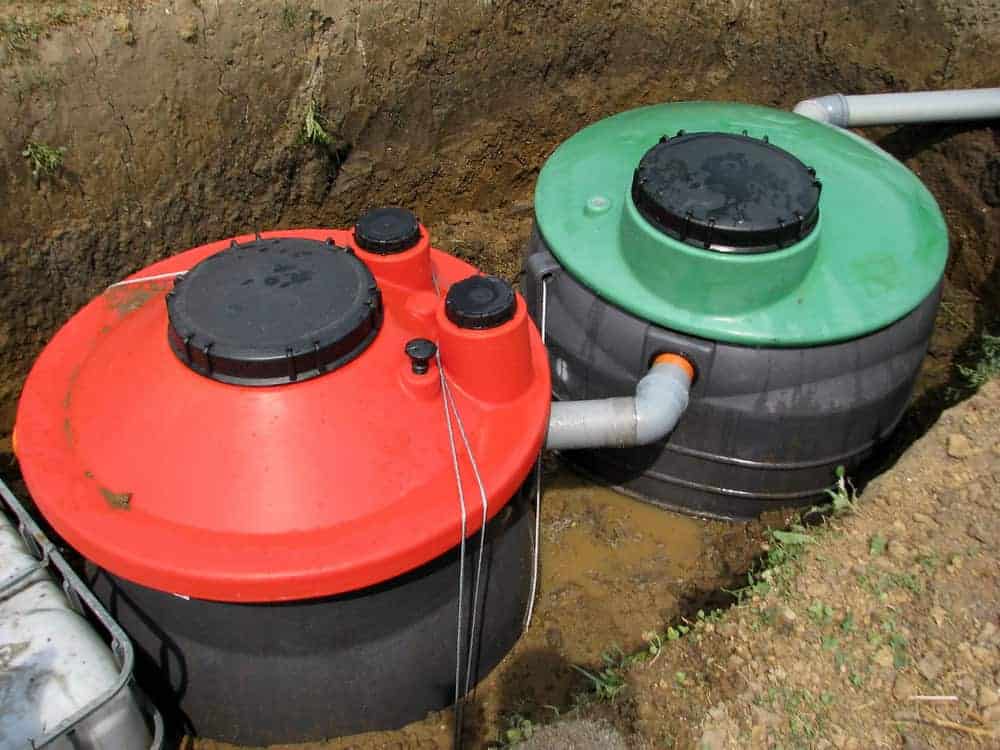
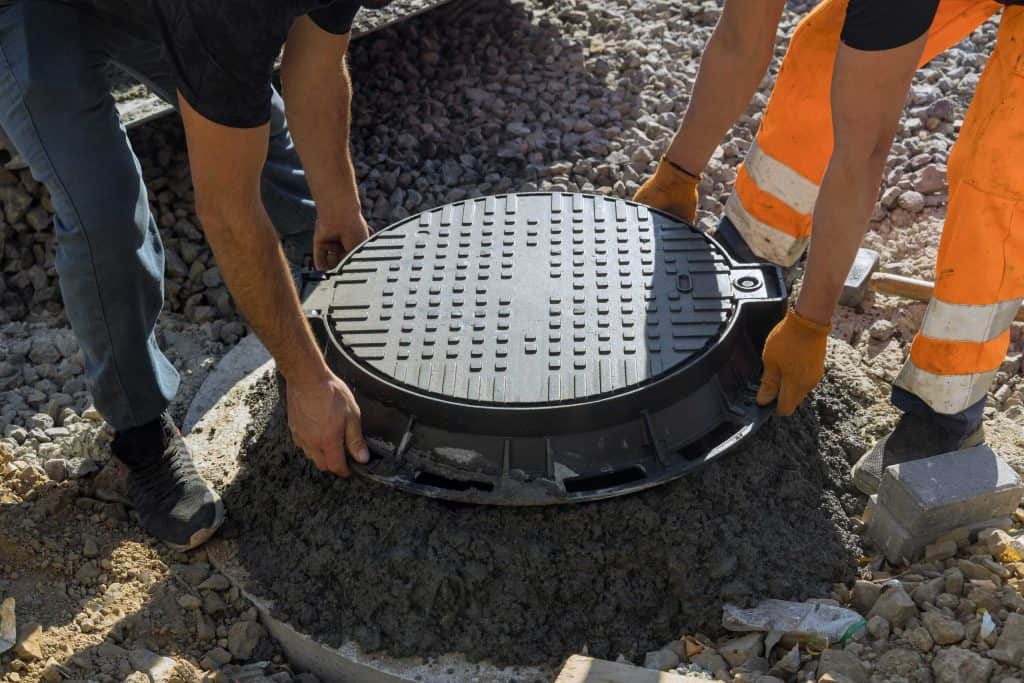
Your total cost breaks down into several distinct components. The tank itself—whether concrete, plastic, or fiberglass—only runs $500 to $2,500 depending on size and material. A standard 1,000-gallon concrete tank for a three-bedroom home costs $900 to $1,500 for just the tank. Labor makes up 50-70% of your total cost.
Suffolk County sizes tanks based on bedroom count, not bathroom count, because bedrooms indicate how many people live in the home and how much wastewater the system needs to handle. Larger homes need bigger tanks. Four-bedroom homes require 1,250-gallon tanks. Five-plus bedrooms need 1,500 gallons or more.
Excavation adds $1,500 to $6,300 to your total depending on how much digging your property requires. Easy access, level ground, and no obstacles mean lower excavation costs. Rocky soil, steep slopes, mature trees in the way, or limited equipment access all increase the time and difficulty of digging.
Permits and testing aren’t optional. Suffolk County requires permits for all new septic installations, which cost $300 to $650 for residential systems. You’ll also need a percolation test to measure how quickly your soil absorbs water. That runs $700 to $2,000. Some properties need a land survey to verify property lines and ensure your system placement meets setback requirements from wells, property boundaries, and buildings. Surveys cost $330 to $900.
Engineering fees for system design add another $1,500 to $3,000 for properties that need custom solutions rather than standard installations. When you add up tank, drain field, excavation, permits, testing, and labor, you see why $15,000 to $35,000 is the realistic range for Suffolk County installations.
The properties on the lower end have good soil, easy access, and can use conventional systems. The properties on the higher end face challenging conditions or require advanced treatment systems to meet nitrogen-reduction mandates.
How Suffolk County Soil Conditions Impact Your Price
Suffolk County sits on sandy, porous soil that drains water quickly. Sounds good until you realize what that means for your septic system installation. Fast drainage reduces natural filtration time before wastewater reaches groundwater. Your system has to work harder here than it would in areas with heavier clay soils.
The soil type affects which system you can install and how much that system costs. Properties with good percolation rates can use conventional gravity systems. Properties with poor drainage, high water tables, or clay-heavy soil might need mound systems where the drain field is built above ground level.
Mound systems cost $10,000 to $20,000 just for the drain field because they require importing sand and building an elevated filtration system. Properties with high water tables face the same issue. You can’t put a conventional drain field where it’ll be underwater half the year.
Suffolk County’s sole-source aquifer supplies all the island’s drinking water. What goes into your septic system eventually affects the groundwater that comes out of your tap. That’s why the county enacted strict nitrogen-reducing requirements in 2019 and 2021. These regulations directly affect what you’ll pay for installation.
Rocky soil requires more excavation time and potentially specialized equipment. High water tables mean you might need to pump water out of the hole while installing the tank. Bedrock close to the surface might force you to use a smaller tank with more frequent pumping or pay for rock removal.
Access determines how much your installation labor costs. If your septic location is in an open area of your yard with clear access for trucks and excavators, installation goes quickly. If the tank needs to go under a deck, behind your house where there’s only a narrow path, or in an area requiring removal of mature trees or landscaping, labor costs increase substantially.
Cost to Replace Septic Tank and Drainfield
Replacing both your septic tank and drain field costs more than new installation because you’re paying for removal and disposal of the old system on top of installing the new one. Expect $18,000 to $35,000 or more for complete system replacement in Suffolk County.
Removing old cesspools before installing new septic systems adds removal and disposal fees on top of installation costs. Some Suffolk County properties have the septic system under driveways or patios, which means breaking and repairing concrete on top of the actual septic work.
The drain field represents the most expensive component of any system replacement. This is where your system actually treats and disperses wastewater back into the soil. Drain field installation alone can cost $10,000 to $20,000 depending on Long Island soil conditions and property access.
Septic Pump Installation Cost
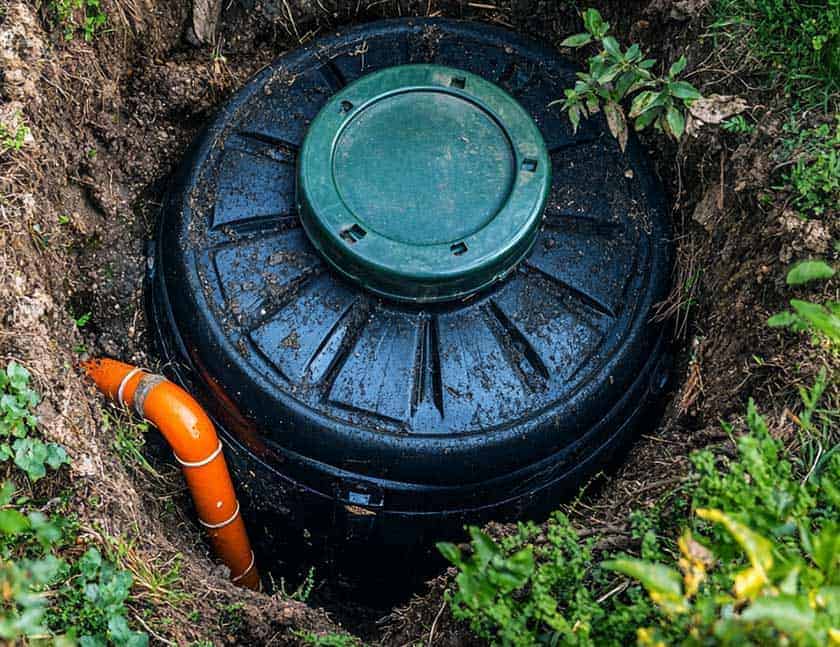
Not all septic systems need pumps, but properties where gravity flow isn’t possible require them. Septic pump installation costs typically range $3,000 to $8,000 for complete pump system installation, including the pump chamber, electrical work, and connections.
If you’re just replacing an existing pump, costs drop to $500 to $1,300 on average. Repairing a septic tank pump costs $250 to $400. Septic systems that don’t use conventional gravity require a pump to distribute wastewater from the tank into the drain field.
The type of pump affects your cost. Effluent pumps used in smaller systems are cheaper. Grinder pumps for complex setups can cost up to $3,000 for the unit alone. Installation takes about four to eight hours, with labor fees ranging from $500 to $1,200.
Properties with challenging terrain may require advanced systems like aerobic treatment units costing $15,000 to $20,000, or mound systems for high water tables averaging $20,000 to $30,000 or more. These systems include pumps as part of the installation, and that’s factored into the total cost.
Your location within Suffolk County adds its own variables to pump installation costs. East End properties in areas like Montauk or the Hamptons often require top-of-the-line systems because of environmentally sensitive zones. That pushes prices toward the higher end, often from $30,000 into the $40,000 range including all components.
Septic Drain Field Installation Cost
Your drain field—also called a leach field—is where the real money goes. This component handles the final treatment and dispersal of wastewater into the soil. Drain field installation costs $10,000 to $20,000 depending on size, soil conditions, and system type.
The field size depends on your home size and septic tank capacity. Most leach fields have multiple trenches that are 18 to 36 inches deep, one to three feet wide, and 50 to 100 feet long. For drain fields installed on steeply sloped property, each field line’s trench runs perpendicular to the slope.
Suffolk County’s sandy soil creates unique challenges. While sand drains quickly under normal conditions, it also means your system doesn’t have much buffer when things go wrong. When your tank starts overflowing solids into the drain field, that sand clogs quickly.
Conventional gravity drain fields work for properties with good soil and adequate space. These systems rely on natural soil filtration and gravity to move wastewater. They’re the most affordable option when your property conditions allow them.
Properties with poor drainage need alternative systems. Mound drain fields are elevated above ground level and filled with sand. The constructed sand mound contains perforated leach pipes to filter and distribute wastewater pumped from the septic tank. These cost significantly more because of the imported materials and construction requirements.
Replacing a failed drain field runs $3,000 to $15,000 or more. Once solids escape your tank and enter your drain field, they create a biological mat that clogs the soil. This biomat prevents water from properly infiltrating the ground, which means your drain field stops functioning. Pumping your tank at that point doesn’t remove the biomat—it’s already in the soil doing damage.
Making Sense of Your Suffolk County Septic Installation Investment
Suffolk County’s soil conditions, water table, and environmental regulations create a unique cost environment for septic installations. The $15,000 to $35,000 range isn’t arbitrary. It reflects real variables that affect how your system needs to be designed and installed.
Understanding what drives these costs helps you evaluate quotes accurately. You’re not just comparing prices. You’re comparing whether contractors account for soil testing, proper permitting, Suffolk County compliance requirements, and the right system type for your property conditions.
The good news is that grants covering up to $30,000 are available for nitrogen-reducing systems. That can offset most or all of your installation cost when properly leveraged. Working with an established contractor who understands Suffolk County regulations and handles the grant application process makes a significant difference in your final out-of-pocket expense.
We bring decades of Long Island experience to every installation, handling everything from soil testing and permits to excavation, installation, and final inspection. The investment you make in a properly installed system protects your property value and eliminates the worry about compliance issues down the road.