Summary:
You probably don’t think about your septic system until something goes wrong. That’s normal. But here in Suffolk County, that “out of sight, out of mind” approach costs homeowners thousands every year in preventable repairs. Long Island’s sandy soil and high water tables create septic challenges that generic maintenance advice doesn’t address. One wrong move and you’re looking at sewage backups, failed drain fields, or complete system replacements that can hit $25,000. The good news? Most of these expensive disasters come from the same handful of mistakes, and they’re all avoidable once you know what you’re dealing with. Let’s walk through what’s actually damaging your system and what you can do about it before it becomes an emergency.
Waiting Too Long Between Septic Tank Pumping Services
This is the big one. Homeowners hear “pump every 3-5 years” and assume they’re fine stretching it to seven or even ten years if everything seems to be working. But your septic tank doesn’t send calendar reminders, and by the time you notice problems, the damage is already happening underground.
Here’s what actually occurs when you wait too long. Solid waste accumulates at the bottom of your tank as sludge while grease and oils float to the top as scum. When these layers get too thick, there’s not enough space left for wastewater to separate properly. Solids start escaping into your drain field where they absolutely don’t belong. Once that happens, you’re not dealing with a simple pumping anymore. You’re looking at drain field failure, which runs $8,000 to $15,000 or more to repair in Suffolk County.
Long Island’s sandy soil makes this problem worse. That fast drainage everyone talks about? It means your system processes waste differently than systems in clay-heavy areas. You might actually need pumping every 2-3 years depending on your household size and water usage, not the generic 5-year timeline you found online.
How Often Should You Actually Pump Your Septic Tank
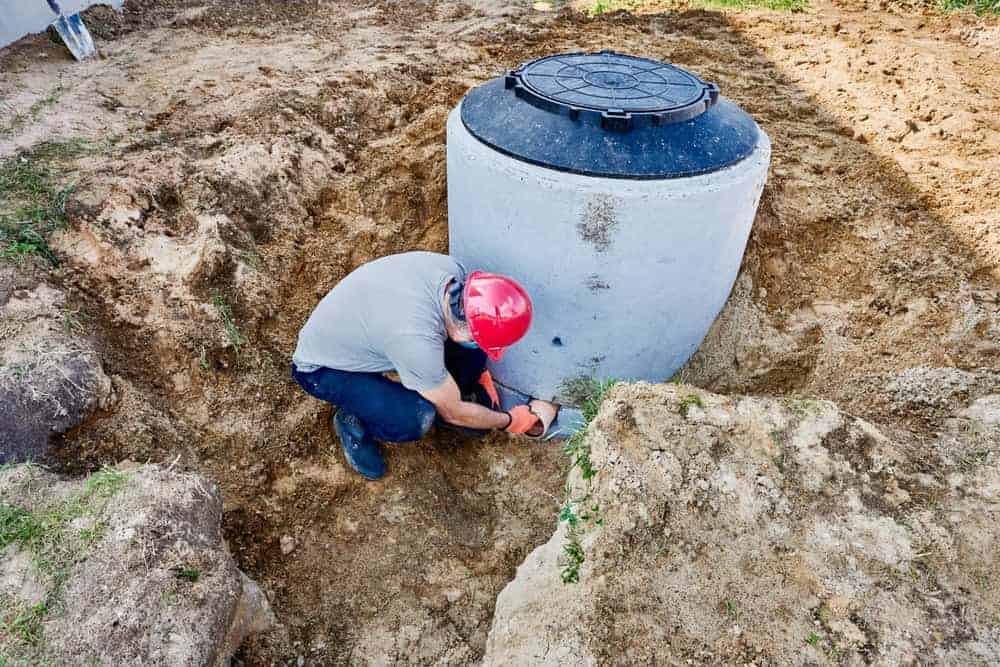
The honest answer depends on your specific situation, not some one-size-fits-all rule. A family of four typically needs pumping every 3 years in Suffolk County. Smaller households might stretch to 4-5 years. Larger families or homes with garbage disposals often need service every 2 years.
Your tank size matters too. Most Long Island homes have 1,000 to 1,500-gallon tanks. Once solid waste reaches about 25-30% of your tank’s capacity, it’s time to pump. That threshold comes faster when you’re running multiple loads of laundry daily, hosting long-term guests, or using your garbage disposal regularly. Each of those habits adds solid waste to your tank beyond normal household use.
Water usage affects your schedule more than most people realize. High-efficiency appliances reduce the load on your system. But if you’re still running an older washing machine that uses 40+ gallons per load, or you’ve got teenagers taking 20-minute showers, you’re flooding your tank with more water than it was designed to handle. That excess water doesn’t just fill the tank faster. It pushes partially-treated waste into your drain field before solids have time to settle properly.
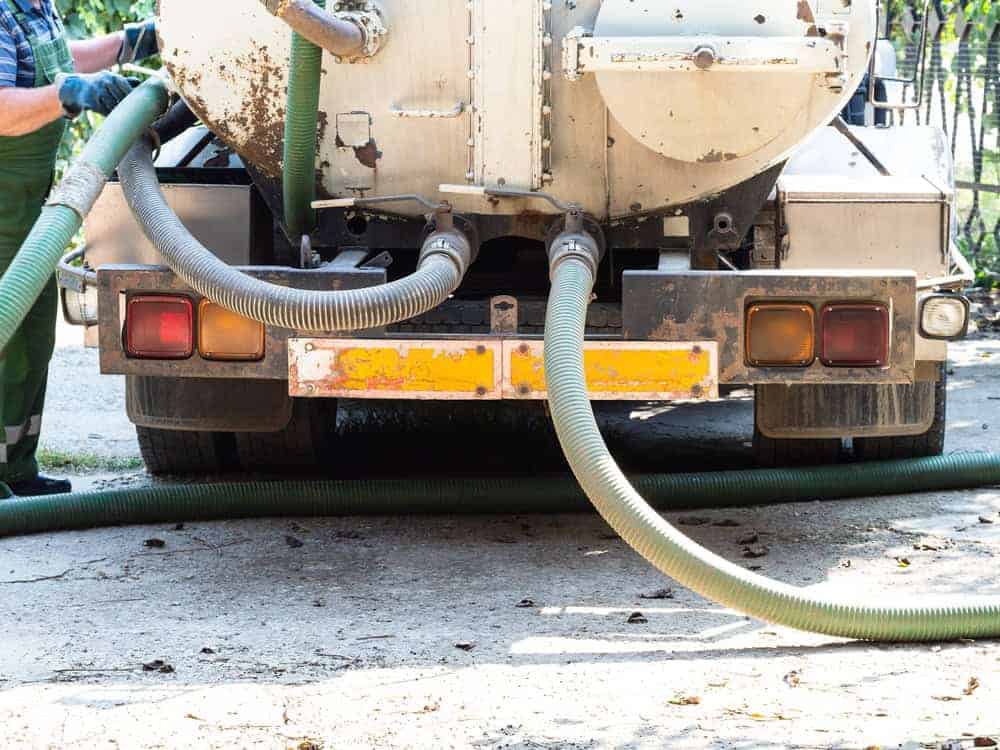
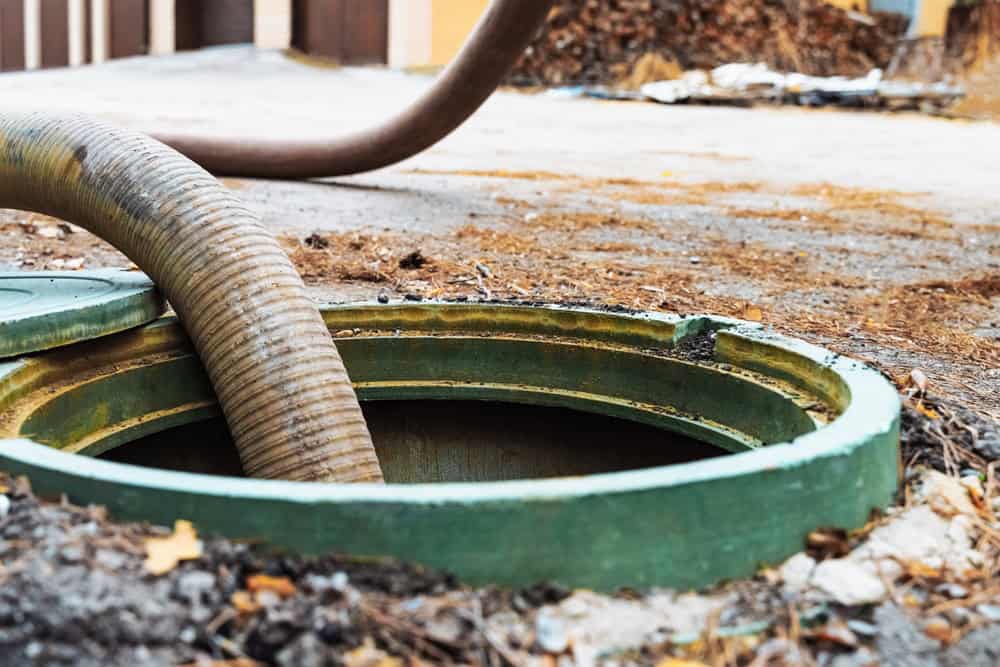
Suffolk County actually requires septic inspections every three years, not just pumping. During that inspection, the technician measures your sludge and scum levels to determine if pumping is necessary. Some years you might not need it. Other years you’ll be glad you checked before your tank overflowed. The inspection itself costs $100-$300, but it catches problems when they’re still in the hundreds-of-dollars range instead of the thousands. When pumping is needed, septic tank pumping removes the accumulated solids before they create more serious problems.
Keep records of every service. Suffolk County requires documentation for property transfers, and buyers increasingly ask about septic maintenance history during real estate transactions. A well-maintained system with regular pumping records actually increases your property value. A neglected system that fails inspection can kill a sale or force you into emergency replacement before closing.
What Happens When You Skip Septic System Maintenance
The consequences don’t show up overnight, which is exactly why this mistake is so common. Your system degrades gradually over months or years while everything seems fine from your perspective. Then one day you’ve got sewage backing up into your basement and an emergency service quote for $2,400.
Drain field failure is the most expensive outcome of skipped maintenance. When solids escape your tank, they clog the soil that’s supposed to filter your wastewater. Water has nowhere to go except back toward your house or up to the surface of your yard. You’ll see standing water or soggy spots that don’t dry up, unusually lush green grass over your drain field, or sewage odors that get stronger over time.
Repairing a failed drain field in Suffolk County runs $10,000 to $25,000 depending on your property size and the extent of damage. Some properties need complete drain field replacement, which means excavation, new piping, new gravel, and possibly even a new tank if the damage is severe enough. Insurance usually won’t cover it because most policies classify septic failures as maintenance-related, not sudden accidents.
But the financial hit isn’t even the worst part. When your septic system fails, raw sewage can surface in your yard or back up into your home. That creates immediate health hazards. Sewage contains bacteria, viruses, and parasites that cause illness, especially dangerous for children and pets who might come into contact with contaminated areas. You’re looking at professional cleanup costs, potential medical expenses, and the stress of managing a sewage emergency while trying to maintain normal family life.
Long Island’s groundwater situation makes this even more serious. We get 100% of our drinking water from underground aquifers. When your system fails here, contamination reaches drinking water sources faster than in other regions because our shallow water table and sandy soil don’t provide much natural filtration. Suffolk County has been cracking down on septic maintenance specifically because failing systems contribute to nitrogen pollution in local groundwater and bays. If your system is found to be failing or improperly maintained, you could face fines, mandatory upgrades to expensive nitrogen-reducing systems, or other enforcement actions.
The homeowners who avoid these disasters are the ones who treat septic maintenance as routine rather than optional. They know their system’s location, keep records of service, and schedule pumping before problems develop instead of waiting for warning signs.
Flushing and Draining Items That Destroy Your Septic System
Your toilet and drains aren’t trash cans, but you’d be surprised what people flush down thinking it’s fine. This mistake causes more septic failures than almost anything else, and it’s completely avoidable once you understand what your system can and can’t handle.
Your septic tank relies on bacteria to break down waste. When non-biodegradable items enter the system, they don’t decompose. They either float to the surface, sink to the bottom, or clog pipes and damage pumps. These items accumulate over time, forcing more frequent pumping and potentially causing complete system failure. The only things that should go down your toilet are human waste and toilet paper. That’s it. Everything else belongs in the trash.
The worst offenders are items marketed as “flushable.” Flushable wipes, even ones that say septic-safe on the package, don’t break down like toilet paper. They create what professionals call “fatbergs” when they combine with grease and other debris in your system. These solid masses can completely block your pipes. Feminine hygiene products, diapers, dental floss, cat litter, paper towels, and cotton swabs all cause the same problems. They don’t dissolve in water, and they don’t belong in your septic system.
What Not to Put Down Your Drains
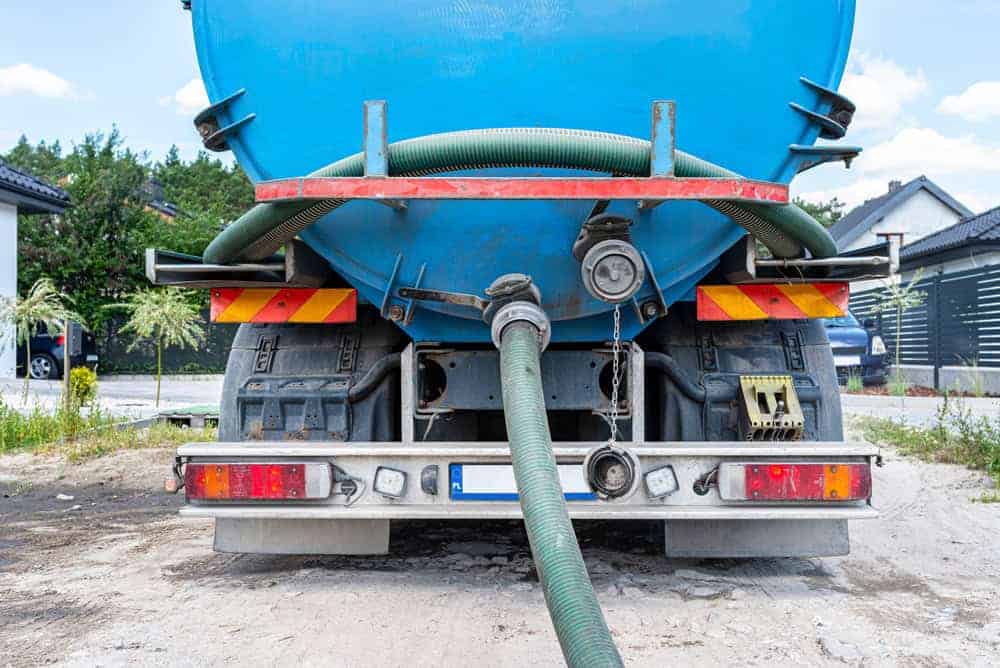
What goes down your kitchen and bathroom drains matters just as much as what you flush. Grease and cooking oil are septic system killers. When you pour grease down the drain, it doesn’t stay liquid. It cools, hardens, and sticks to your pipes and tank walls. Over time, this creates blockages that prevent proper drainage and add solid waste to your tank, meaning you’ll need more frequent pumping and higher maintenance costs.
Coffee grounds seem harmless but they don’t break down in your septic system. They settle at the bottom of your tank as sludge, taking up valuable space and forcing more frequent pumping. Same with food scraps from your garbage disposal. That convenient appliance adds up to 50% more solids to your septic tank. If you use a garbage disposal regularly, you might need pumping twice as often as households that scrape plates into the trash instead.
Chemical drain cleaners are another common mistake. When you’ve got a slow drain, it’s tempting to grab a bottle of chemical cleaner for a quick fix. But those harsh chemicals kill the beneficial bacteria your septic system depends on to break down waste. Without those bacteria, your system can’t process waste effectively, and solids accumulate much faster than normal. The chemicals can also corrode pipes and damage tank components, creating leaks and structural problems that require expensive repairs.
Household chemicals in general should never go down your drains. Paint, paint thinners, pesticides, motor oil, medications, and excessive amounts of cleaning products all harm your septic system. They kill the bacteria that treat your wastewater, and they contaminate groundwater when they leach into the soil. Long Island’s sandy soil means these contaminants move quickly toward our drinking water aquifers, making this both a household problem and an environmental issue.
Even things that seem biodegradable can cause problems. Hair clumps together and creates blockages. Cigarette butts don’t decompose. Expired medications flush directly into groundwater because septic systems aren’t designed to filter out pharmaceuticals. Condoms, dental floss, and contact lenses all stick around in your tank instead of breaking down.
The solution is simple but requires changing habits. Keep a trash can next to every toilet and sink. Scrape food into the trash or compost instead of using the garbage disposal. Pour grease into a container to harden, then throw it away. Use septic-safe cleaning products in moderation, and choose natural alternatives like baking soda and vinegar for routine cleaning. These small changes dramatically reduce the stress on your system and extend the time between pumping services.
How Garbage Disposals Impact Septic Tank Cleaning Needs
Garbage disposals are convenient, but they’re one of the worst things you can add to a home with a septic system. Every time you run that disposal, you’re grinding up food waste and sending it directly into your tank as additional solid material that needs to break down.
Most septic systems are sized based on wastewater volume from normal household use, not the extra load from ground-up food scraps. When you add a garbage disposal to the mix, you’re introducing significantly more organic matter that your tank has to process. That means the sludge layer at the bottom of your tank builds up faster, and you’ll hit the pumping threshold much sooner than you would otherwise.
The impact is measurable. Homes with garbage disposals typically need septic pumping every 18-24 months instead of every 3-5 years. Over a six-year period, you might spend $1,800 to $2,400 on more frequent pumping compared to $300-$600 for a home that doesn’t use a disposal. That’s not a huge expense in isolation, but it’s completely unnecessary if you’re willing to scrape plates into the trash instead.
Some types of food waste are worse than others. Grease and oils from the disposal coat your tank and pipes. Fibrous vegetables like celery and corn husks don’t break down easily. Pasta and rice expand when wet, creating sticky masses that clog pipes. Coffee grounds settle as sludge. Eggshells and bones don’t decompose at all. If you insist on using a garbage disposal, at least avoid putting these problem items down it.
The better approach is eliminating or limiting disposal use entirely. Scrape plates into the trash or start composting. Run cold water for 20-30 seconds after using the disposal to flush material through. Never pour grease down the disposal even with hot water running. And be realistic about your pumping schedule if you’re not willing to give up the convenience. More frequent pumping is the trade-off for using a garbage disposal with a septic system.
Protecting Your Suffolk County Septic System From Costly Mistakes
Septic tank maintenance isn’t complicated, but it does require attention and some basic knowledge about what your system needs. The mistakes we’ve covered—waiting too long between pumping, flushing the wrong items, and ignoring warning signs—account for most of the expensive septic failures across Suffolk County. All of them are preventable.
Regular pumping on a schedule that makes sense for your household keeps solids from reaching your drain field. Being mindful about what goes down your drains and toilets protects the bacteria your system depends on. Paying attention to slow drains, odors, and soggy spots in your yard catches problems while they’re still manageable. These aren’t difficult habits to build, and they save you from the $8,000 to $25,000 repairs that come from neglect.
Long Island’s unique conditions make proper maintenance even more important. Our sandy soil, high water tables, and sole-source aquifer mean septic failures here create bigger problems than they would in other regions. Suffolk County’s three-year inspection requirement exists for good reason—it protects both your property and our shared drinking water supply. Meeting that requirement keeps you compliant and keeps your system working when you need it most.
If you’re behind on maintenance or you’re not sure when your system was last serviced, now is the time to get current. We’ve been helping Suffolk County homeowners with comprehensive septic and cesspool services for over 60 years. We understand Long Island’s soil conditions and regulatory requirements, and we’ll help you establish a maintenance schedule that actually works for your property.