Summary:
Schedule Regular Pumping Every 3-5 Years
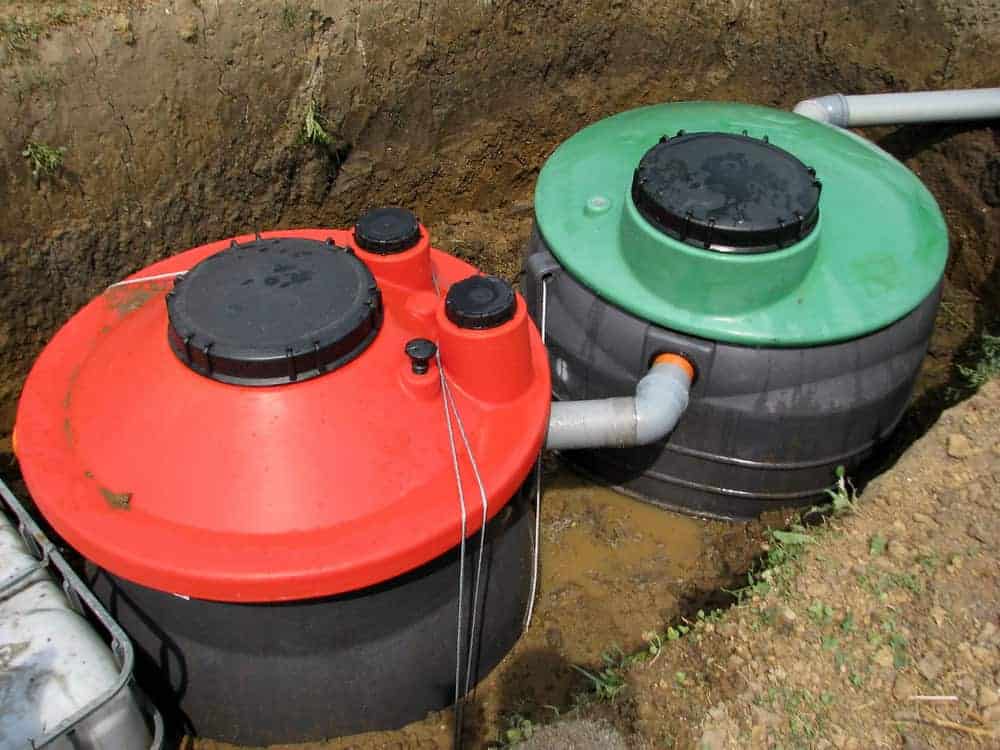
Your septic tank separates solid waste from liquid. Over time, those solids build up at the bottom as sludge while oils and grease float to the top as scum. When these layers get too thick, they overflow into your drain field and cause permanent damage.
Professional septic tank pumping removes these accumulated solids before they cause problems. For most Long Island households, that means pumping every three to five years. A family of six might need it every two to three years. A retired couple could stretch it to five.
The cost? Routine pumping runs $300-$600. Drain field replacement? $15,000-$30,000. The math is simple.
How Long Island's Soil Affects Your Pumping Schedule
Long Island’s sandy soil and high water table create conditions you won’t find in other parts of New York. Water moves through sand quickly, which sounds good until you realize it also means your system fills up faster and problems develop sooner.
Nassau County has clay-heavy soils in some areas that retain water longer and process waste differently. Your septic system works harder in these conditions. Suffolk County’s environmental regulations have gotten stricter because traditional cesspools and septic systems leak nitrogen directly into the groundwater that supplies our drinking water.
What does this mean for you? If you’re still pumping on the schedule the previous homeowner followed five years ago, you might be pushing it. Long Island systems often need slightly more frequent attention than the generic three-to-five-year guideline suggests.
During pumping, professionals do more than just empty your tank. We’re checking for cracks, measuring sludge levels, examining baffles, and identifying problems before they become emergencies. You might successfully delay pumping, but you’ll completely miss the cracked baffle that’s about to fail or the root intrusion starting to block your lines.
Six months later, you’re calling for emergency service anyway. Except now the problem is worse and costs 40-60% more. Emergency pumping turns that $400 routine service into a $640-$800 crisis call. And that’s just the pumping.
Emergency situations often require additional services beyond basic pumping—clearing blocked distribution lines, repairing damaged baffles, addressing system components that failed due to neglect. These repairs add hundreds or thousands to your bill. Weekend and after-hours calls carry premium pricing. When sewage backs up into your basement on a Saturday night, you’ll pay whatever it takes.
Smart homeowners schedule pumping every three to four years based on household size and usage patterns. This proactive approach prevents emergency situations, protects drain field integrity, and maintains optimal system performance year-round.
What Happens During Professional Septic Pumping
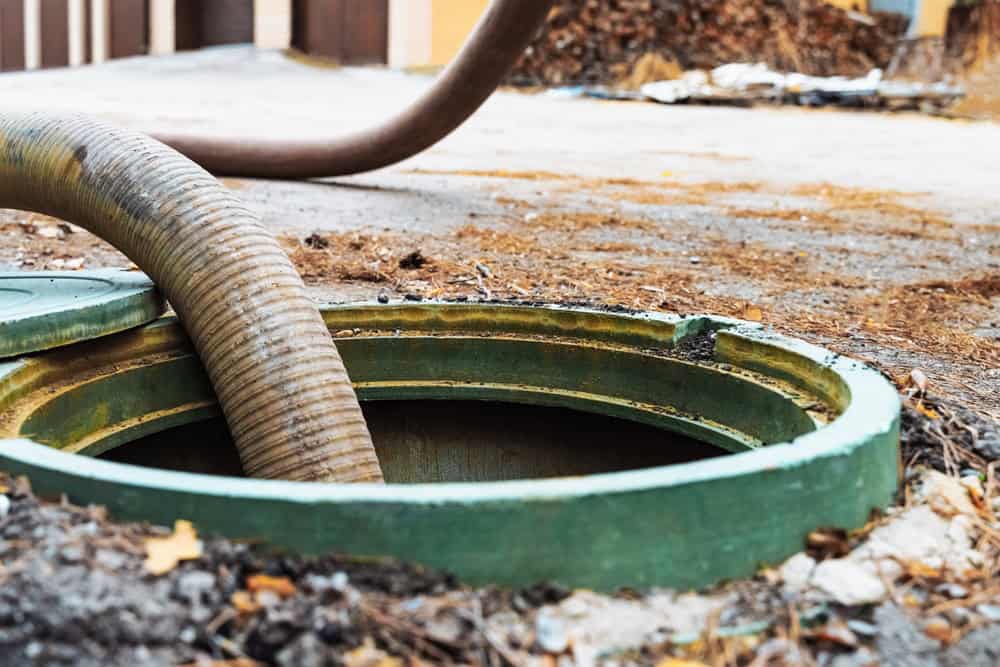
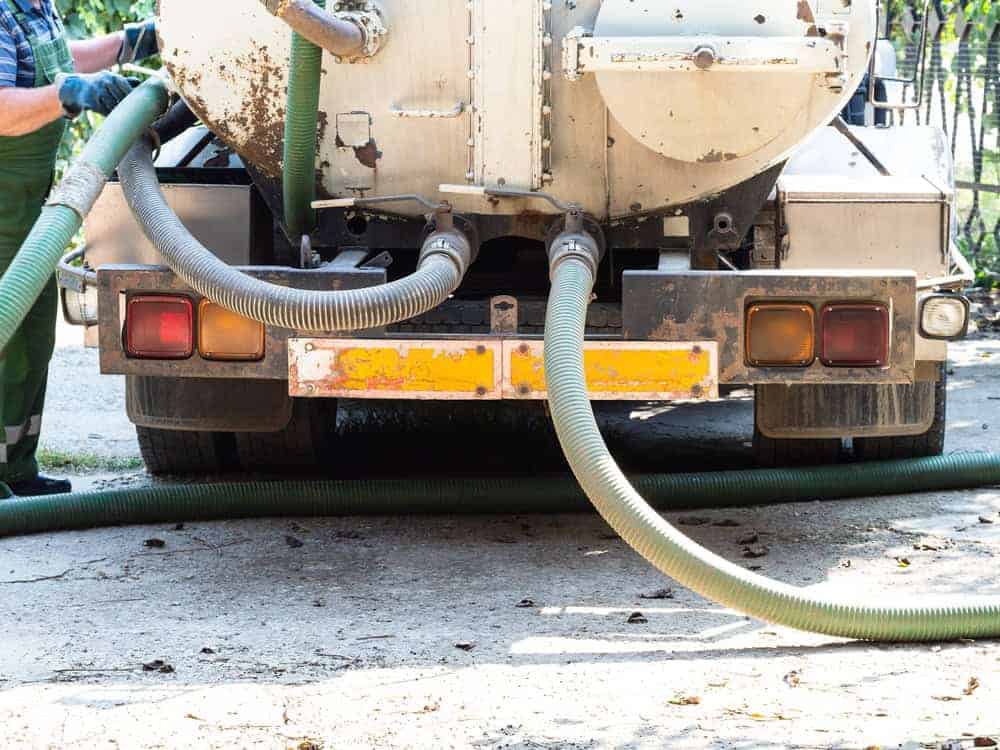
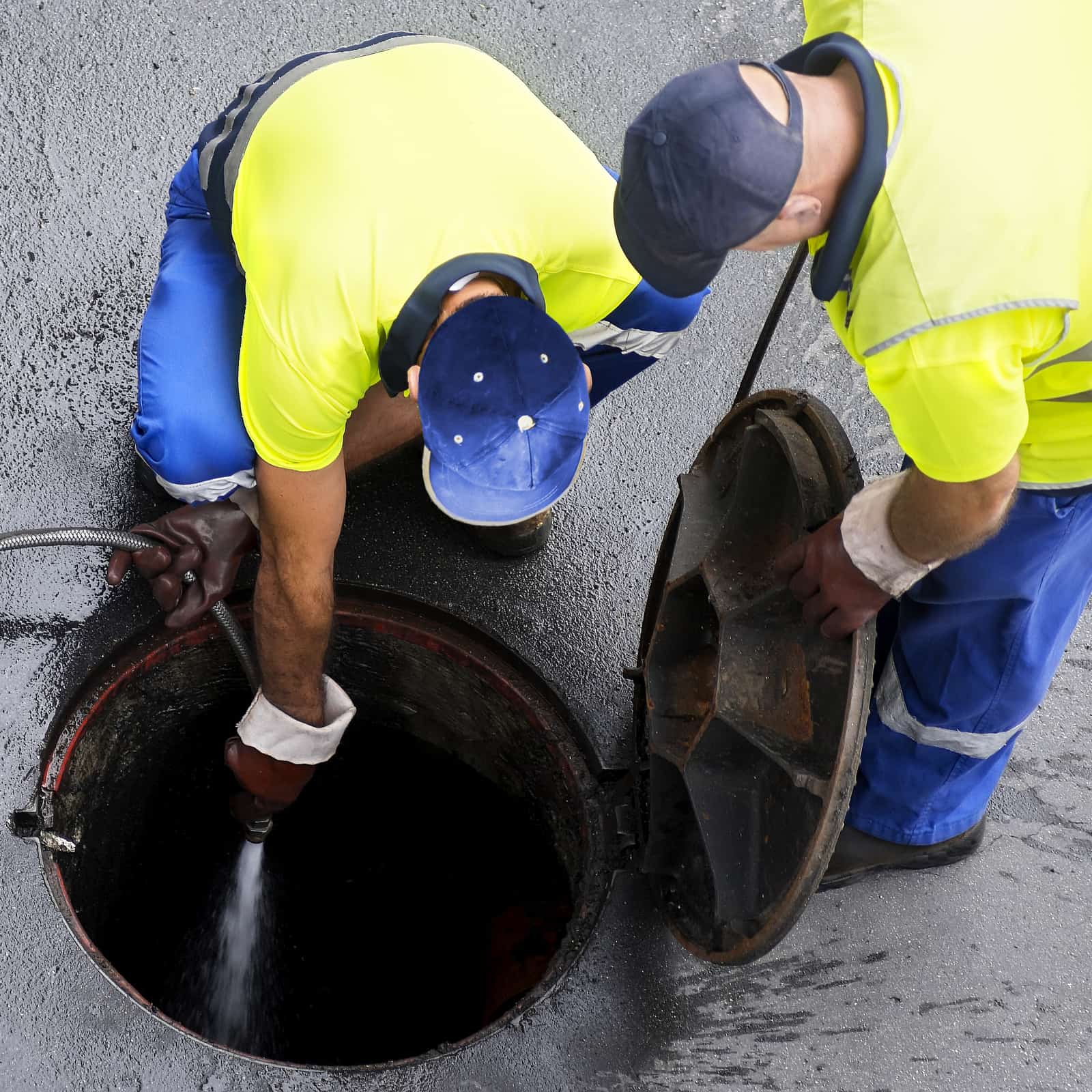
Professional septic pumping isn’t just about removing waste. It’s a complete service that protects your system’s future. When a licensed technician arrives, we locate your tank, open the access cover, and use high-powered vacuum trucks to pump out all the contents—not just the liquid on top.
The key difference between professional service and DIY attempts? We agitate the tank contents to break up hardened solids at the bottom. This step, which many companies skip, facilitates thorough sludge removal and restores your system’s full capacity. It extends the time between service calls and gives you better value.
But the service doesn’t stop there. While the tank is empty, we inspect the interior for cracks, check the condition of baffles and inlet/outlet pipes, and measure the tank’s structural integrity. We’re looking for issues you can’t see from the surface—the kind that turn into expensive emergencies if left undetected.
You also get documentation showing system condition, often with photos and repair recommendations. Written reports are available the same day for urgent situations. This documentation matters when you sell your home, when insurance questions arise, or when you need to prove compliance with local regulations.
Long Island’s regulatory environment makes this documentation even more critical. Suffolk County changed its Sanitary Code in July 2019, banning new cesspool installations and requiring upgrades to advanced systems when existing cesspools fail. Professional inspection and pumping creates the paper trail that protects you during these transitions.
We understand Long Island’s unique conditions—the sandy soils, the high water tables, the nitrogen pollution concerns. Our service goes beyond generic septic maintenance. We know which problems develop faster here, which warning signs matter most, and how to keep your system compliant with evolving regulations.
Protect Your Drain Field From Damage
Your drain field does the final treatment of wastewater before it returns to the groundwater. It’s a network of perforated pipes buried in gravel-filled trenches, and it needs oxygen to function. Damage your drain field, and you’re looking at the most expensive septic repair possible.
Never park vehicles, heavy equipment, or boats on your drain field. The pressure compacts the soil and crushes the pipes underneath. Even riding lawn mowers can cause problems if your system is shallow.
Don’t build structures over your drain field. No decks, no sheds, no swimming pools. These cover the soil and restrict oxygen flow while making it nearly impossible for professionals to access your system for maintenance.
Keep Trees and Deep-Rooted Plants Away From Your System
Tree roots seek out water and nutrients. Your drain field provides both. As roots grow into your septic pipes, they create blockages that prevent proper drainage and eventually cause system failure.
The rule? Keep trees and shrubs at least 10-20 feet away from your septic tank and drain field. Willow trees, poplars, and other water-loving species need even more distance. Their extensive root systems can find your pipes from surprising distances.
If you want to landscape the area, stick with grass or shallow-rooted plants. Grass is actually ideal—it absorbs water and nutrients from the soil while preventing erosion. Some homeowners plant flowers with shallow root systems, which works fine as long as you’re not digging deep or disturbing the soil structure.
What about existing trees near your system? If you’ve got mature trees close to your drain field, schedule more frequent inspections. Video camera inspections can reveal root intrusion before it causes complete blockages. Catching root problems early means a few hundred dollars for line cleaning instead of thousands for drain field replacement.
Long Island’s native vegetation tends toward shallow root systems in sandy areas, but imported landscaping plants might have different characteristics. Before planting anything near your septic system, research its root structure. That beautiful Japanese maple might look perfect in your yard, but if it’s sitting on top of your drain field, you’re creating problems for later.
The other landscaping concern? Directing water away from your drain field. Gutters, downspouts, and surface water should flow away from your septic system, not toward it. Excess water saturates the soil and prevents proper treatment of wastewater. In Long Island’s wet seasons, this becomes critical. Saturated drain fields can’t accept normal household wastewater, causing sewage to back up through floor drains and basement fixtures.
Watch What Goes Down Your Drains and Choose Septic-Safe Products
Your septic system relies on billions of bacteria to break down organic waste. When you flush the wrong things down your drains or use harsh chemicals, you either kill those bacteria or clog your system with materials that don’t decompose. Both problems shorten your system’s life.
Only flush human waste and toilet paper. Not “flushable” wipes. Not feminine hygiene products. Not paper towels, dental floss, or cotton swabs. Despite what the packaging claims, wipes don’t dissolve in water. They accumulate in your tank and pipes, creating blockages that require professional cleaning.
Avoid pouring fats, oils, and grease down your drains. These substances solidify in your pipes and float to the top of your septic tank as scum. Excessive scum buildup reduces your tank’s effective capacity and can overflow into your drain field. Scrape plates into the trash, let cooking grease cool and dispose of it in the garbage, and wipe greasy pans with paper towels before washing.
Garbage disposals add significant solid waste to your septic tank. Food waste doesn’t break down as easily as human waste, and it accumulates faster. If you use a garbage disposal regularly, you’ll need to pump your tank more frequently—potentially every year or two instead of every three to five years. We recommend limiting garbage disposal use or eliminating it entirely.
Household chemicals deserve special attention. Harsh drain cleaners, paint thinners, pesticides, and antibacterial products kill the beneficial bacteria in your septic tank. Without these bacteria, solid waste doesn’t break down properly, and your system fails. Use septic-safe cleaning products. Choose biodegradable, plant-based cleaners over chemical-heavy alternatives.
The antibacterial question comes up often. Products containing triclosan or quaternary ammonium compounds kill bacteria in your septic tank just like they kill bacteria on your countertop. Regular use of antibacterial hand soap alone can reduce your tank’s bacterial activity over time. Switch to regular soap for everyday handwashing. Save the antibacterial products for situations where they’re actually needed.
Bleach in small amounts is okay. A normal load of bleach-whitened laundry or an occasional wipe-down of counters won’t hurt your system. But limit yourself to about one to two cups of diluted bleach per month for a standard 1,000-gallon tank. More than that starts to harm your tank’s bacterial balance.
Here’s what you need to know about septic tank additives: most are unnecessary. Your septic system already contains enough bacteria to function properly. The simple act of using your system provides all the bacteria needed. Research from the EPA shows that biological additives don’t improve the performance of healthy septic tanks and can’t justify their cost for residential use.
Some additives are actually harmful. Chemical additives can kill beneficial bacteria, disrupt the waste separation process, and contaminate groundwater. Organic solvents marketed as degreasers might break down fats and oils, but they also kill bacteria and may lead to groundwater contamination. Strong acids or alkalis sold to open clogged drains can destroy the biological function of your septic tank, allowing raw sewage to flow directly into your drain field.
If your system is struggling because you’ve accidentally introduced toxic substances—excess cleaning products, pharmaceuticals, or other chemicals—a bacterial additive might help re-establish balance. But that’s a specific situation requiring professional guidance, not a routine maintenance practice. Save your money. Invest in regular pumping instead.
Maintain Your Long Island Septic System for Decades
Your septic system is one of your home’s most critical components, but it’s also one of the most neglected until problems force expensive emergency action. The five strategies we’ve covered—regular pumping, drain field protection, smart water use, proper waste disposal, and annual inspections—aren’t complicated or expensive. They’re straightforward practices that protect your investment.
Long Island’s unique soil conditions, environmental regulations, and aging infrastructure mean that generic septic advice doesn’t always apply here. You need maintenance that accounts for sandy soils, high water tables, and the nitrogen pollution concerns that drive Suffolk County’s stricter regulations.
When you’re ready for professional septic service that understands Long Island’s specific challenges, we bring the local expertise and experience that makes the difference between routine maintenance and emergency repairs.