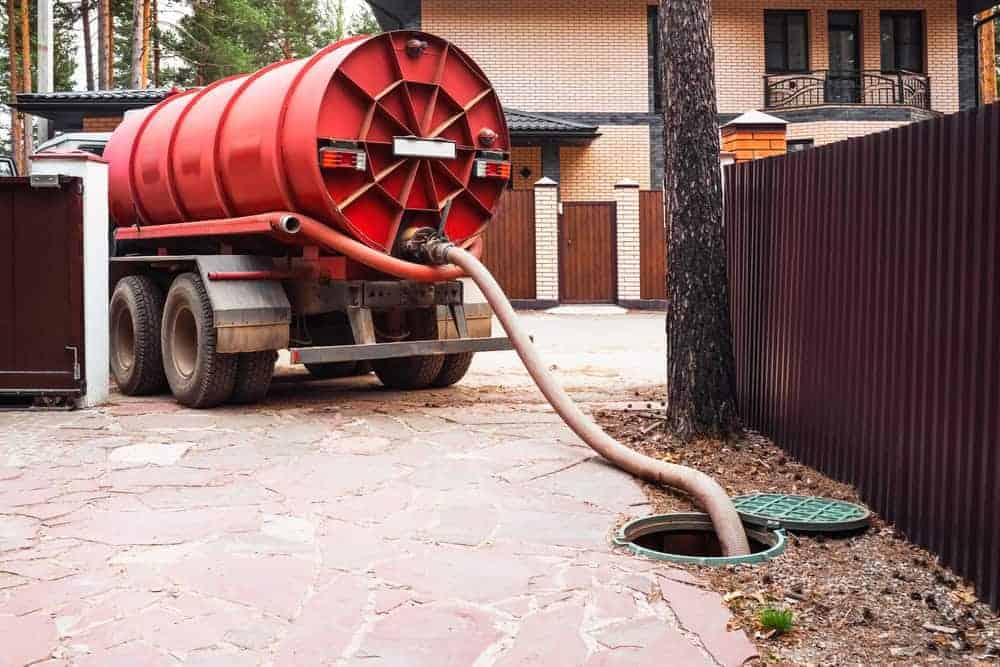
Summary:
You notice the smell first. Then you see it—dark water where it shouldn’t be. Your stomach drops because you know this isn’t a simple plumbing problem. Raw sewage in your home is one of the most dangerous situations you’ll face as a homeowner, and the clock is already ticking. The pathogens spreading through your basement or crawl space don’t wait for business hours, and neither should your response. Understanding what you’re dealing with—and what to do about it—can mean the difference between a manageable emergency and a health crisis that affects your family for months. Let’s talk about what makes raw sewage so dangerous and why professional response matters more than you might think.
What Makes Raw Sewage Dangerous to Your Health
Raw sewage is a biological hazard, plain and simple. It’s classified as Category 3 “Black Water” in the restoration industry—the most dangerous contamination level your home can experience. This isn’t an overreaction or industry jargon meant to scare you. It’s a recognition of what’s actually in that dark water backing up into your living space.
Sewage contains bacteria like E. coli and Salmonella that cause severe gastrointestinal distress. Viruses including Hepatitis A attack your liver. Parasites like Giardia and Cryptosporidium can live in contaminated areas for extended periods, waiting to make contact with anyone who enters the space. These aren’t theoretical risks. Studies show that at least 10 million people are exposed to raw sewage annually in the United States, and roughly 10 percent of those exposed get infected and frequently require hospitalization.
The danger compounds because exposure doesn’t just happen through direct contact. Pathogens become airborne when you start moving things around or when contaminated dust circulates through your home. In Suffolk County, where many homes have basements and crawl spaces, the “stack effect” naturally pulls air from these lower areas up into your kitchen, bedrooms, and living spaces. If there’s raw sewage below, those contaminants are migrating into the air your family breathes. When a sewage backup is caused by a failing wastewater system, prompt septic tank repair can help address the underlying problem.
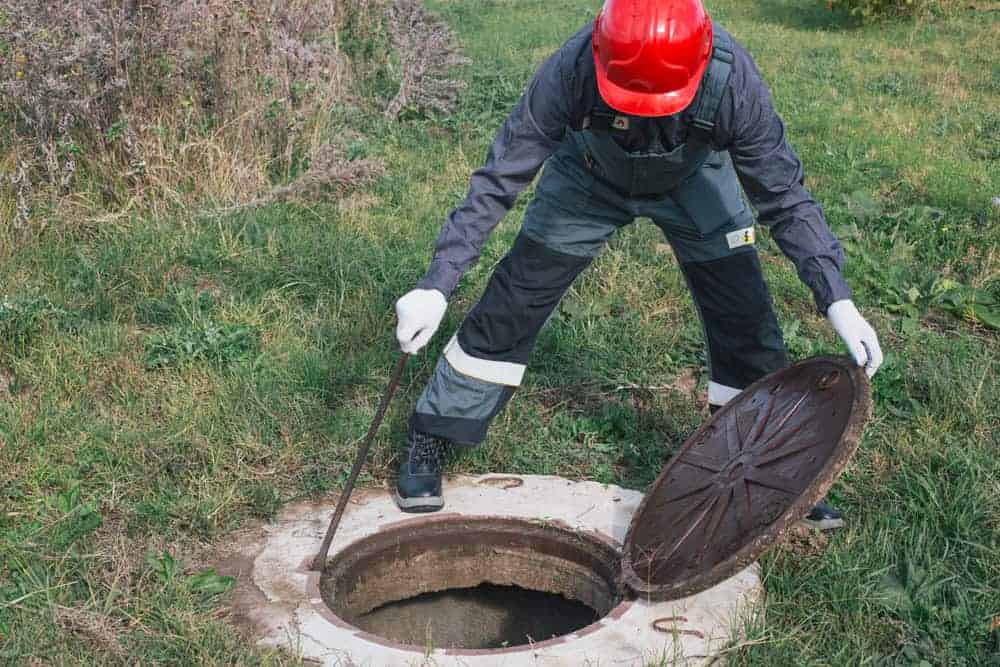
Sewage Cleanup in Basement Spaces Requires Professional Response
Basements are where most Suffolk County homeowners first encounter sewage problems. Your sump pump, main sewer drains, primary plumbing lines, and washing machines typically live in this space. When something goes wrong—a backup, a break, a storm overwhelming your system—sewage has nowhere to go but up and out.
A basement flooded with sewage creates an immediate evacuation situation. Before you even think about cleanup, you need to understand the greatest danger isn’t disease—it’s electrocution and explosion. Raw sewage mixed with electrical systems or gas lines creates life-threatening conditions. You cannot enter a flooded basement until utility companies have shut off gas and electric service. No exceptions. This isn’t being overly cautious. It’s following the same protocols that professional emergency responders use because the risk is real.
Once utilities are secured, the contamination itself becomes the focus. Sewage in basements affects everything it touches. Your concrete floor, your drywall, your stored belongings, your HVAC system if it’s located there. Porous materials—carpet, drywall, insulation, anything fabric—typically can’t be saved. They absorb the contamination too deeply for any cleaning method to reach. Professional crews know this. We arrive with the expectation that contaminated materials will need removal and proper disposal at approved facilities.
The 72-hour window matters here. That’s how long you have before mold growth begins in wet conditions. In Suffolk County’s humid climate, that window can be even shorter. Sewage provides the perfect food source for mold. The combination of sewage contamination plus mold growth creates a compounding health hazard that affects your home for months or years if not addressed immediately and completely.
Homeowners often underestimate how far sewage spreads. You might see standing water in one area, but sewage wicks into adjacent walls, seeps under flooring, and travels through any crack or gap it can find. Professional sewage cleanup includes containment protocols—sealing off affected areas to prevent cross-contamination into clean parts of your home. It includes antimicrobial treatments that go beyond what any household cleaner can accomplish. And it includes verification testing to confirm that contamination has actually been eliminated, not just covered up or diluted.
Basement Flooded with Sewage Emergency Steps
If you discover your basement flooded with sewage, your first moves determine everything that follows. Get everyone out of the affected area immediately—especially children, pets, and anyone with compromised immune systems. Sewage exposure is particularly dangerous for the elderly and young children because the dehydration from resulting illnesses can become severe quickly.
Stop using all water in your house. Don’t flush toilets, run sinks, use the dishwasher, or do laundry. Every time you send water down your plumbing system, you’re adding more sewage to the backup. This makes the situation worse and increases the damage. Tell everyone in your household to stop water use until professionals have cleared the blockage or break causing the backup.
Call for professional help before you do anything else. This isn’t a situation where you call around for quotes or wait until Monday morning. Sewage emergencies require immediate response because bacterial contamination spreads rapidly. We maintain 24/7 emergency service at Antorino & Sons specifically because sewage problems don’t respect business hours. Our team understands Suffolk County’s unique challenges—the soil conditions, the water table issues, the aging cesspool systems common throughout Long Island.
While you’re waiting for professionals to arrive, document what you can from a safe distance. Take photos and videos if it’s safe to do so without entering contaminated areas. This documentation helps with insurance claims and gives restoration crews a clear picture of what we’re dealing with. But don’t delay calling for help just to get perfect documentation. The faster professionals can begin containment and extraction, the less damage you’ll face overall.
If your basement has a sewer cleanout—typically a capped pipe providing direct access to your main sewer line—knowing its location can save valuable time. Professionals may use this access point to relieve pressure or clear blockages. But never attempt to open it yourself during an active backup. The pressure release can cause sewage to surge out, creating additional contamination and putting you at serious risk of exposure.
The mistakes homeowners make during this emergency often cost more than the original problem. Walking through sewage tracks contamination throughout your house. Attempting cleanup with household products doesn’t kill the pathogens present in raw sewage. Using your own shop vac or equipment means you’ve now contaminated that equipment beyond any practical cleaning. And delaying professional response because you’re worried about cost almost always results in higher expenses because the damage spreads while you wait.
How Raw Sewage Under Your House Damages Your Home
Sewage doesn’t always announce itself with visible flooding. Sometimes it accumulates under your house—in crawl spaces, beneath foundations, in areas you rarely see or access. This hidden contamination creates dangers that many homeowners don’t discover until significant damage has already occurred.
Crawl spaces are particularly vulnerable in Suffolk County homes. A broken pipe, a missing cleanout plug, a failed glue joint—any of these can allow sewage to escape into the confined space under your house. The dark, damp environment becomes a perfect breeding ground for pathogens. Worse, the toxic gases that sewage produces—methane and hydrogen sulfide—accumulate in these confined spaces. Hydrogen sulfide has that characteristic “rotten egg” smell, but at high concentrations, it actually deadens your sense of smell. You might think the danger has passed when it’s actually at its most lethal.
These gases don’t stay in your crawl space. The stack effect pulls air from below your house up into your living areas. If there’s raw sewage under your home, those contaminants and odors are migrating upward into your kitchen, bedrooms, and living room with every air current. Your family is breathing contaminated air without even knowing the source. This is why homeowners sometimes experience unexplained respiratory issues, headaches, or nausea before they discover the sewage problem beneath their floors.
The structural damage compounds over time. Sewage moisture rots wooden floor joists, support beams, and subflooring. The contamination weakens your home’s bones—the structural elements that keep everything stable and sound. If mold gets established in these areas, it accelerates the deterioration. Eventually, you’re not just dealing with contamination cleanup. You’re facing structural repairs that can cost tens of thousands of dollars because critical support elements have rotted away.
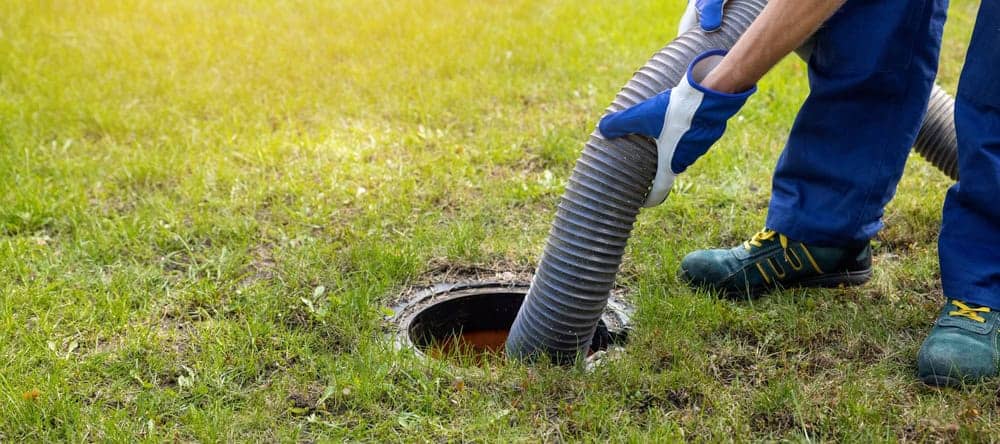
Dangers of Raw Sewage Under House Foundations
Raw sewage under your house creates a cascade of problems that extend far beyond the immediate contamination. Start with the foundation itself. Sewage moisture affects concrete and masonry differently than clean water. The biological material in sewage can actually accelerate deterioration of foundation materials. Combined with Suffolk County’s varying soil conditions—sandy soils in coastal areas, clay soils inland—you’re looking at settlement issues, cracking, and stability problems that threaten your entire home’s structural integrity.
The pathogens present in raw sewage don’t disappear on their own. E. coli, Salmonella, Giardia, and other dangerous organisms can survive in soil and dark spaces for extended periods. They’re waiting for any opportunity to make contact with people or pets. Children playing in yards above contaminated crawl spaces, pets digging near foundation vents, family members accessing storage in affected areas—all of these normal activities become exposure risks when sewage has contaminated the space under your home.
Mosquitoes present another danger that many homeowners don’t consider. Culex mosquitoes—carriers of West Nile Virus and St. Louis Encephalitis—prefer to lay their eggs in heavily polluted water like sewage. A crawl space full of sewage water becomes a breeding ground for disease-carrying insects that then spread throughout your property and neighborhood. This turns your private sewage problem into a public health concern.
Professional remediation of sewage under houses requires a specialized approach. Technicians need to access confined spaces while wearing full protective equipment—respirators, waterproof coveralls, gloves, boots. We extract all liquid waste, remove contaminated soil, treat remaining surfaces with antimicrobial products, and often install vapor barriers to prevent future moisture issues. It’s not work that homeowners can safely or effectively do themselves.
The longer sewage remains under your house, the more extensive the required remediation becomes. What might have been a manageable cleanup in the first few days turns into major excavation, soil removal, structural repair, and complete crawl space restoration after weeks or months of exposure. This is why we at Antorino & Sons emphasize immediate response. Our 60-plus years serving Suffolk County have taught us that early intervention prevents the compounding damage that makes sewage situations catastrophically expensive.
Why Professional Sewage Removal Protects Your Investment
Professional sewage removal isn’t just about cleaning up a mess. It’s about protecting your family’s health and your property’s value through proper protocols that most homeowners don’t have access to or knowledge about. The restoration industry follows IICRC S500 Guidelines—a comprehensive framework for handling contaminated environments that addresses both immediate cleanup and long-term safety.
These protocols start with proper assessment. Professionals identify the full extent of contamination, not just what’s visible on the surface. We use moisture meters, thermal imaging, and other diagnostic tools to find sewage that’s wicked into walls, traveled under flooring, or affected HVAC systems. This comprehensive assessment prevents the common problem where homeowners clean visible areas but miss hidden contamination that continues causing problems.
The equipment professionals use makes a difference. Industrial-grade extractors remove sewage water completely. Commercial dehumidifiers and air movers dry structures thoroughly, eliminating the moisture that allows mold growth. EPA-approved antimicrobial treatments kill pathogens that household cleaners can’t touch. And proper disposal procedures ensure that contaminated materials don’t just get thrown in your regular trash where they continue posing risks.
Personal protective equipment represents another critical difference. Professional crews wear respirators rated for biological hazards, waterproof suits that prevent any skin contact, heavy-duty gloves, and rubber boots. We understand the exposure risks and take them seriously. Homeowners attempting DIY sewage cleanup rarely have access to this level of protection, putting themselves at serious risk of illness from the very contamination they’re trying to eliminate.
Suffolk County’s environmental regulations add another layer of complexity. Sewage waste must be disposed of at approved treatment facilities. Contaminated materials require special handling. As a professional cesspool and septic company, we at Antorino & Sons maintain the permits, relationships, and knowledge needed to ensure compliance. We know the local health department requirements, the proper disposal locations, and the documentation needed for regulatory compliance.
The verification step matters as much as the cleanup itself. Professional restoration includes testing to confirm that contamination has been eliminated. This might include air quality testing, surface sampling, or moisture verification. Without this confirmation, you’re trusting that cleanup was effective rather than knowing it was complete. That uncertainty can affect your home’s value, your family’s health, and your peace of mind for years.
Protecting Your Suffolk County Home from Sewage Dangers
Raw sewage dangers are real, immediate, and serious. The bacteria, viruses, and parasites present in sewage don’t give you second chances. They cause illness through skin contact, inhalation, and accidental ingestion. They spread through your home faster than you expect, contaminating areas you thought were safe. And they create long-term problems—structural damage, mold growth, ongoing health risks—that compound the longer they remain unaddressed.
Understanding these dangers helps you make better decisions when emergencies occur. You know now that the greatest immediate risk in a flooded basement is electrocution, not disease. You understand why professional response matters more than trying to save money with DIY cleanup. You recognize that sewage under your house affects your home’s structure, your indoor air quality, and your family’s health even when you can’t see the contamination.
When sewage emergencies happen in Suffolk County, you need professionals who understand Long Island’s unique challenges. We at Antorino & Sons have spent over 60 years building expertise in local soil conditions, water table issues, and the aging cesspool systems common throughout the area. Our 24/7 emergency response means you’re not waiting until Monday morning while contamination spreads through your home. Our licensed, bonded, and insured team brings the proper equipment, safety protocols, and disposal procedures that protect your family and property. Because sewage emergencies don’t respect business hours, and neither should the professionals you trust to handle them.