Summary:
You’re getting quotes for septic pumping that range from reasonable to confusing. One company says $350, another says $550, and a third won’t commit to a number until they “see the property.” The difference often comes down to your drain field location—where it sits, how crews can access it, and what your Long Island soil is doing underground. Understanding these factors helps you budget accurately and recognize when a price reflects actual work versus padding. Here’s what really determines septic pump out costs in Suffolk County and how your drain field’s location plays into every estimate.
How Drain Field Accessibility Determines Labor Costs
Your septic system’s accessibility isn’t about convenience. It’s about how much time and equipment our crew needs to complete the job safely and thoroughly.
When your drain field sits close to the driveway with clear access points, septic tank pumping becomes straightforward. We park nearby, run standard hose lengths, and the job moves efficiently. This is the baseline scenario most companies quote when they give you a starting price.
But Long Island properties rarely offer perfect access. Your drain field might be tucked behind landscaping, positioned on a slope, or located where trucks can’t easily reach. Each of these factors adds labor time and potentially specialized equipment.
What Adds to the Average Price for Septic Pumping
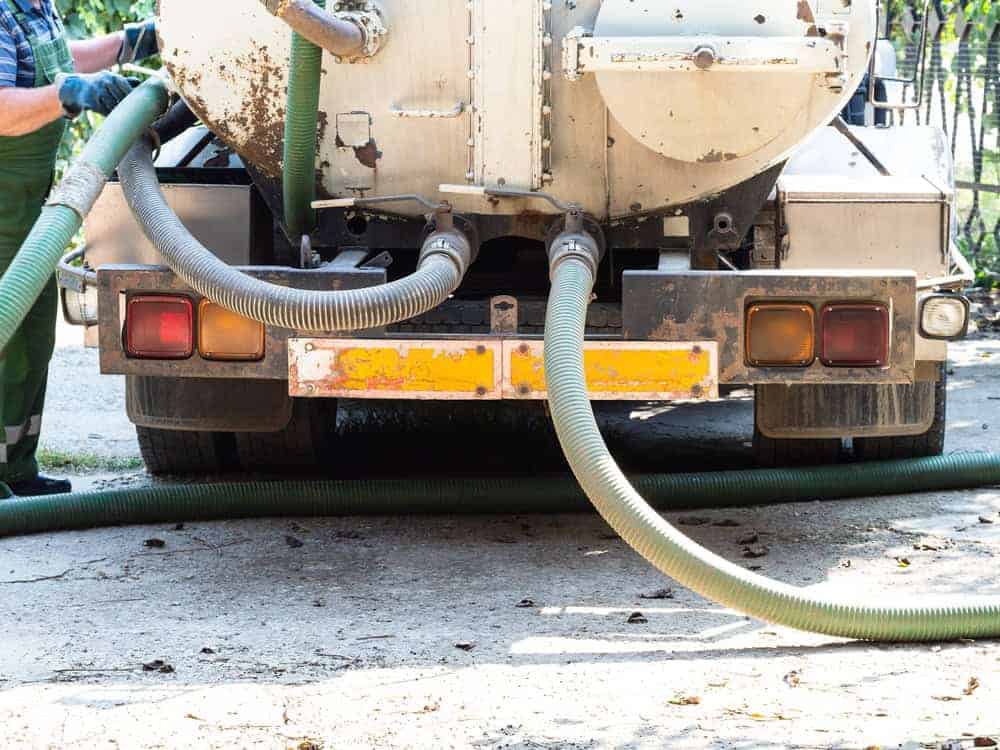
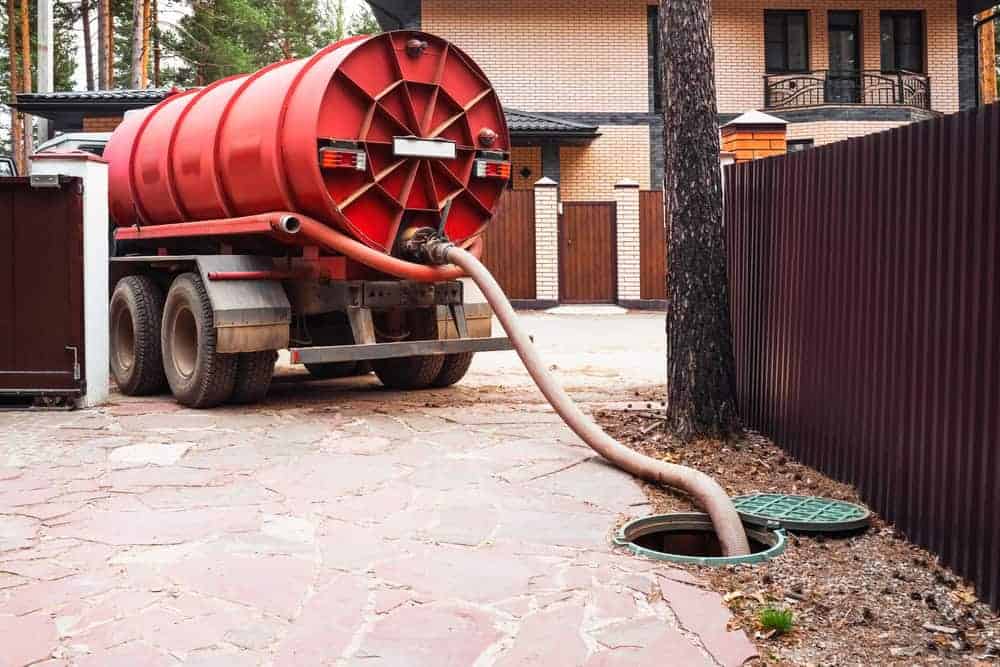
Distance matters more than most homeowners realize. When we need to run 100 feet of hose instead of 30, we’re not just dealing with longer equipment. We’re managing water pressure, ensuring complete waste removal, and accounting for the physical strain of handling heavy hoses across your property.
Suffolk County’s typical residential pumping costs between $300 and $600 for standard tank sizes. That range isn’t arbitrary. It reflects real differences in job complexity based on your specific property layout.
Tank depth affects pricing too. Older Long Island systems sometimes feature deeper tanks that require more time and specialized equipment to pump effectively. We’re not charging you extra because we feel like it. We’re accounting for the actual work involved in accessing and servicing a tank that sits farther underground than modern installations.
Landscaping around your drain field creates another variable. Mature trees, established gardens, or decorative hardscaping might look beautiful, but they complicate access. We need to navigate around these features carefully, which adds time to every service call. Some companies charge extra for this. Others build it into their standard rates. Either way, you’re paying for the additional labor.
Your property’s slope influences costs significantly. Nassau County’s clay-heavy areas and Suffolk County’s varied terrain mean many drain fields sit on inclines. Working on slopes means dealing with equipment positioning challenges and safety considerations that flat properties don’t present. This isn’t about making the job harder artificially—it’s about the physical reality of working on uneven ground.
Seasonal conditions affect accessibility too. Long Island’s sandy soil and high water table create challenges during heavy rain seasons. Tanks become more difficult to access when surrounding soil is saturated. Pumping takes longer because we work more carefully to avoid property damage and ensure complete waste removal. We factor these variables into our scheduling and pricing because they affect the actual work involved.
How Soil Conditions Around Your Drain Field Impact Service
Long Island sits on unique geological formations that affect septic service in ways homeowners don’t always recognize. Nassau County’s clay-heavy soils behave completely differently than Suffolk County’s sandy coastal areas. Both create specific challenges that influence how we price our services.
Clay soil holds onto water, slowing drainage and creating conditions where your septic system works harder. When we service systems in clay-heavy areas, we’re often dealing with saturated ground conditions that complicate access and extend service time. The soil doesn’t cooperate the way sandy areas do, and that reality shows up in your invoice.
Sandy soil drains fast, which sounds beneficial until you understand what it means for your septic system’s workload. Water moves through sand so quickly that your drain field doesn’t have adequate time to properly treat wastewater before it reaches groundwater below. This matters because Suffolk County sits on a sole-source aquifer—all your drinking water comes from underground. Faster drainage means your system needs more frequent attention to prevent environmental issues.
These soil differences affect maintenance schedules and costs. Properties in clay-rich areas often need pumping every three to four years instead of the five-year intervals you might see elsewhere. The dense soil can’t absorb excess liquid as efficiently, leading to faster backup situations when tanks get full. Heavy rains saturate clay soils, preventing your system from accepting additional waste and potentially forcing sewage back toward your home.
Sandy soil creates different maintenance patterns. Your drain field might not show obvious warning signs like slow drains or backups. Instead, problems develop invisibly. Your system could be failing environmental standards while appearing to work perfectly from your perspective as a homeowner. This is why we often recommend more frequent inspections for coastal Suffolk County properties even if pumping intervals remain standard.
The water table plays into these soil considerations significantly. Long Island’s high water table means seasonal flooding can saturate drain fields and cause multiple systems in an area to fail simultaneously. We account for these risks when pricing services in areas with known water table challenges. We’re not padding estimates—we’re recognizing that your property presents specific conditions that affect how we approach the work.
Understanding your soil type helps you evaluate whether our pricing reflects actual conditions or arbitrary markup. Because we know Long Island soil patterns, we can explain exactly why your property requires specific approaches. Generic septic services that don’t account for these local variables often underprice initially, then surprise you with additional charges once they encounter the actual conditions.
Cost Septic Pump Out: What Fair Pricing Looks Like
Fair pricing for septic pumping isn’t about finding the absolute lowest number. It’s about understanding what you’re actually paying for and whether the price reflects the work involved.
Most Suffolk County homeowners pay between $300 and $600 for routine septic pumping. Tank size drives the biggest cost difference. A 1,000-gallon tank serving a typical three-bedroom home costs less to pump than a 1,500-gallon system. Larger tanks hold more waste, require more time to empty, and generate higher disposal fees at treatment facilities.
Your household’s specific usage patterns influence these baseline costs. Garbage disposals accelerate tank filling significantly because food waste doesn’t break down like human waste—it accumulates faster and puts strain on the entire system.
Finding an Affordable Septic Company Without Sacrificing Quality
Affordable doesn’t mean cheapest. It means getting appropriate value for the service you’re receiving. The difference matters more than most homeowners realize when they’re comparing quotes.
Companies offering suspiciously low prices often cut corners somewhere. They might rush the job, use inadequate equipment, or skip proper disposal protocols. Suffolk County has specific regulations about where septage can be disposed. Cutting corners on disposal creates legal and environmental problems that can come back to you as the property owner.
An affordable septic company provides transparent pricing that breaks down exactly what you’re paying for. Before work begins, you should receive a clear estimate covering pumping, disposal fees, any necessary equipment charges, and potential additional costs if we encounter unexpected conditions. Companies that refuse to provide written estimates or insist on vague “starting at” pricing rarely deliver good value.
Look for companies that explain their pricing structure. When we can tell you exactly why your property costs $450 instead of $350—pointing to specific factors like distance, access challenges, or soil conditions—it demonstrates we’ve actually assessed your situation rather than pulling numbers from thin air.
Insurance and licensing affect pricing legitimately. Suffolk County requires septic companies to carry substantial liability coverage and maintain proper licensing. These aren’t optional expenses that cheap companies can skip—they’re legal requirements that protect you. Companies operating without proper credentials might offer lower prices, but they’re also exposing you to significant risk if something goes wrong.
Experience and equipment quality justify price differences too. We use modern vacuum trucks and well-maintained equipment to complete jobs more efficiently and thoroughly than operations running aging equipment. You’re not paying extra for the sake of it—you’re paying for tools that actually work properly and crews who know how to use them.
The best value comes from companies that prevent future problems rather than just addressing immediate needs. During routine pumping, we inspect your tank condition, check inlet and outlet baffles, and document what we observe. This preventive approach helps you avoid the expensive emergencies that turn $400 maintenance into $15,000 drain field replacements.
Established local companies often provide better value than fly-by-night operations or out-of-area services. We understand Long Island’s specific conditions, know local regulations, and have a reputation to protect within the community. When problems arise, you can actually reach us. Cheap companies that disappear after collecting payment offer no value regardless of their initial price.
Choosing the Best Septic Company Based on Real Value
The best septic company for your property isn’t necessarily the one with the flashiest marketing or the rock-bottom pricing. It’s the one that delivers reliable service, transparent communication, and appropriate expertise for Long Island conditions.
Start by verifying credentials. Suffolk County requires specific licensing for septic work, and companies should carry substantial liability insurance. Don’t just take their word for it—ask to see documentation. Legitimate companies provide this information readily because they’re proud of their credentials. Hesitation or vague responses signal potential problems.
Local experience matters significantly. A company that’s been serving Suffolk County for years understands the area’s unique challenges. We know how clay soils in certain neighborhoods behave differently than sandy coastal areas. We recognize which properties typically have deeper tanks or challenging access. This knowledge translates directly into more accurate estimates and fewer surprise charges.
Customer reviews provide valuable insights, but read them carefully. Look for patterns rather than individual complaints. Every company occasionally has a dissatisfied customer. What matters is how they respond and whether problems stem from systematic issues or one-off situations. Reviews mentioning transparent pricing, thorough work, and clear communication indicate companies worth considering.
Ask about the service process specifically. Quality companies explain what happens during a typical pumping appointment. We mention measuring sludge depth, inspecting tank components, checking for damage, and providing documentation of the work completed. Companies that can’t articulate their process or seem focused solely on getting in and out quickly probably aren’t delivering thorough service.
Emergency availability tells you something about a company’s commitment. Septic failures don’t follow convenient schedules. The best companies offer genuine 24/7 emergency service, not just an answering service that takes messages. Long Island’s high water table makes emergency response particularly critical because systems that were functioning adequately can suddenly fail during heavy storms.
Equipment quality affects results more than most homeowners realize. Ask what type of trucks and equipment a company uses. Modern vacuum trucks with proper capacity and well-maintained hoses complete jobs more thoroughly than aging equipment. Companies investing in quality tools demonstrate they’re serious about doing the work right rather than just collecting payment.
Disposal methods deserve attention too. Reputable companies dispose of septage at licensed facilities and provide documentation if requested. This isn’t just about environmental responsibility—it’s about legal compliance that protects you as the property owner. Companies that can’t or won’t explain their disposal process are cutting corners somewhere.
The best indicator of value is whether a company treats you like a neighbor rather than a transaction. Family-owned businesses with established Long Island presence typically provide more personalized service than large corporate operations. We’re invested in the community and recognize that our reputation depends on treating customers fairly. This doesn’t mean all small companies are good or all large companies are bad, but local ownership often correlates with better service and more reasonable pricing.
Making Smart Decisions About Septic Drain Field Service Costs
Your septic drain field’s location affects pump out costs through accessibility, soil conditions, and the actual labor required to service your specific property. Understanding these factors helps you evaluate quotes accurately and recognize fair pricing when you see it.
The difference between a $350 job and a $550 job usually reflects real work, not arbitrary markup. Distance, access challenges, soil type, and property layout all influence what we need to charge to complete the work properly. Your goal isn’t finding the absolute cheapest price—it’s finding appropriate value from a company that will service your system thoroughly and honestly.
When you need septic service that accounts for Long Island’s unique conditions and your property’s specific challenges, working with us at Antorino & Sons ensures you’re getting transparent pricing based on actual work requirements rather than surprise charges after the truck arrives.