Summary:
You schedule the inspection. The technician arrives, opens your tank, and starts measuring. Ten minutes later, they’re explaining something about baffles, sludge levels, and potential drain field issues. You nod along, but here’s what you’re really thinking: “How bad is this? What’s it going to cost? And why didn’t I know about this sooner?”
Septic tank inspections in Suffolk County aren’t just about checking a box for a real estate transaction or satisfying a county requirement. They’re about catching the kind of problems that turn a $400 pump-out into a $15,000 emergency. Let’s talk about what inspectors actually find, what it means for your system, and how to know if your tank is trying to tell you something before it’s too late.
What Does a Septic Tank Inspection Actually Reveal
A professional septic tank inspection does more than confirm your system exists. It measures exactly how much sludge has accumulated at the bottom of your tank and how thick the scum layer is at the top. When that sludge reaches about a foot deep, or when the scum gets within six inches of your outlet pipe, you’re approaching the point where solids start flowing into your drain field. That’s when a routine maintenance issue becomes an expensive repair.
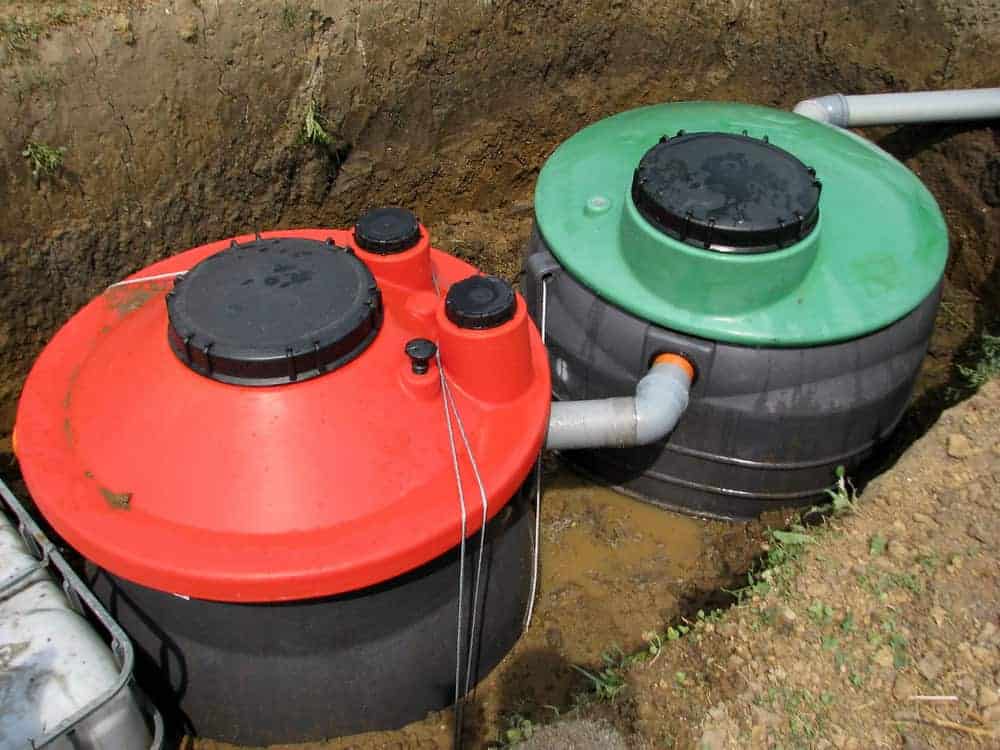
Inspectors check your tank’s structural condition. Concrete tanks can crack. Steel tanks corrode. Fiberglass tanks can shift or crack under pressure. A small crack you can’t see from above ground can let groundwater seep in, overfilling your system, or let untreated wastewater leak out, contaminating the soil around your property.
They examine your baffles, those components most homeowners have never heard of but that do critical work. Baffles control how wastewater flows through your tank and prevent solids and scum from escaping into your drain field. Missing or damaged baffles are one of the most common problems inspectors find in older systems, and they’re also one of the fastest ways to destroy a drain field that would otherwise last decades. A professional cesspool inspection can help identify these issues before they lead to more costly system damage.
How Septic Inspections Catch Problems Before They Become Emergencies
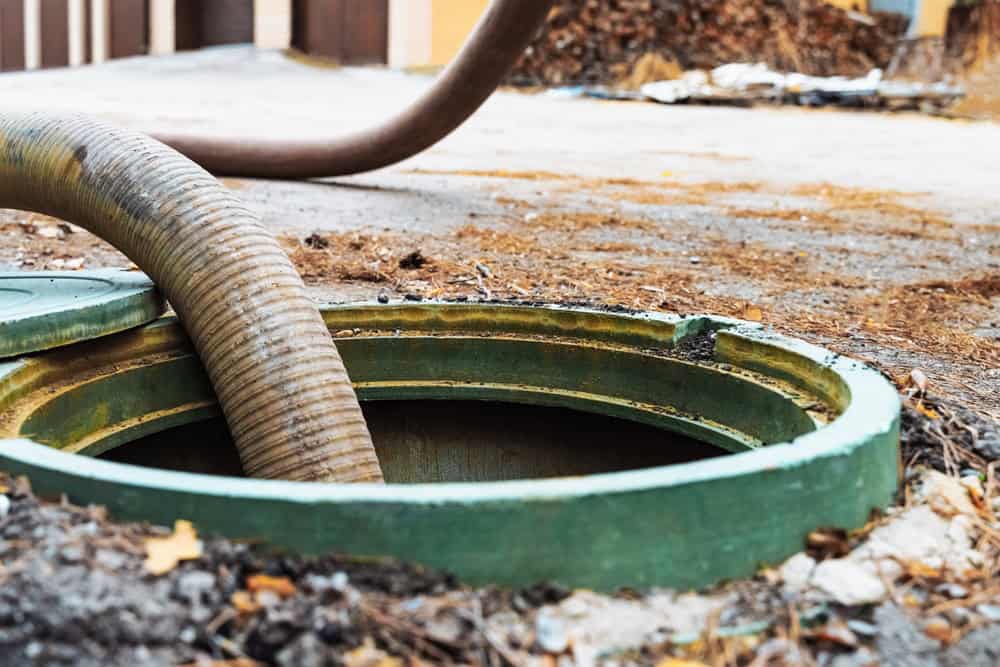
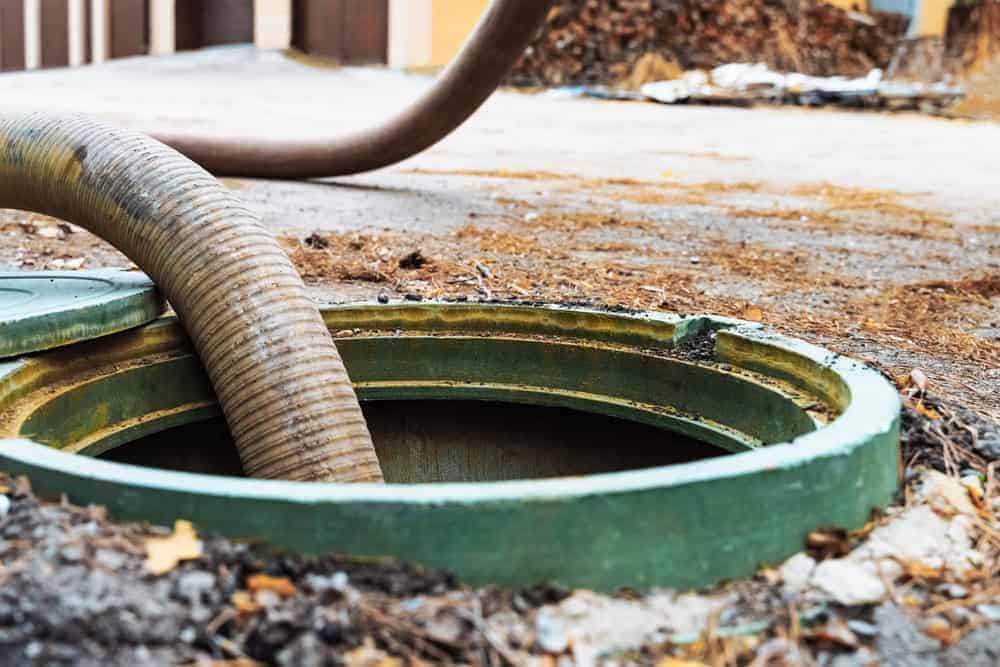
The inspection process starts with locating your tank, which isn’t always as simple as it sounds. Tanks get buried under landscaping, patios, or additions built years after the original installation. Once located, the inspector opens the access ports and inserts measuring tools to check sludge depth. They’re looking for a specific threshold: when the bottom of the scum layer gets within six inches of the outlet pipe, or when the top of the sludge layer reaches within 12 inches of that same outlet, your tank needs pumping.
But measurements are just the beginning. A thorough inspection includes a visual assessment of your tank’s interior once it’s pumped. Inspectors look for cracks in the walls, deteriorating baffles, and signs of structural damage that could indicate your tank is nearing the end of its functional life. They check inlet and outlet pipes for blockages, damage, or improper installation. They verify that your tank size matches your home’s bedroom count and usage requirements, because an undersized tank will never keep up no matter how often you pump it.
In Suffolk County, inspectors also evaluate your system against current health department standards. Regulations have evolved significantly, especially since the 2019 changes that require septic tanks when replacing older cesspools. If you’re planning to sell your property or pull permits for renovations, your inspection results determine whether your system passes muster or needs upgrades before you can move forward.
What makes this particularly important on Long Island is the geology beneath your property. Suffolk County sits on a sole-source aquifer, and the sandy soil here moves water faster than most regions. When septic systems fail in this environment, contamination reaches drinking water sources quickly. That’s why Suffolk County requires professional inspections every three years, not as bureaucratic busy work, but as protection for the entire community’s water supply.
Hidden Problems Most Homeowners Miss Until an Inspection
Some septic problems announce themselves with sewage backups and foul odors. Others hide quietly until an inspection reveals them. Root intrusion is a perfect example. Tree roots seek out moisture, and your septic system provides exactly that. Roots can infiltrate pipes through tiny cracks or joints, growing slowly over years until they create blockages that stop wastewater flow entirely. You might not notice anything wrong until an inspector runs a camera through your lines or until your system backs up completely.
Drain field saturation is another issue that develops gradually. Your drain field is supposed to filter wastewater through soil, but if solids have been escaping your tank due to infrequent pumping or damaged baffles, those solids gradually clog the soil’s pores. The field becomes less and less able to absorb water. By the time you see soggy patches in your yard or smell sewage odors outside, the damage is often extensive. A pre-emptive inspection during routine pumping can catch this early by checking effluent levels and looking for signs that your drain field is struggling.
Tank capacity mismatches often surprise homeowners during inspections. Your home might have started as a two-bedroom cottage with a 750-gallon tank that was perfectly adequate in 1975. But if subsequent owners added bedrooms or bathrooms without upgrading the septic system, you’re now running a four-bedroom household on a tank designed for half that capacity. The tank fills faster than it should, you need more frequent pumping, and you’re at higher risk for system failure. An inspection reveals this mismatch and helps you understand why your system behaves differently than your neighbor’s.
Suffolk County’s high water table creates unique challenges that inspections uncover. When the water table rises seasonally, it can flood your tank or drain field, overwhelming the system even if everything else is functioning correctly. Inspectors familiar with Long Island conditions recognize the signs of water table interference and can help you understand whether your system’s issues are maintenance-related or environmental.
Old systems often have components that were acceptable when installed but don’t meet current standards. Concrete lids can deteriorate over decades, creating safety hazards. Older tanks might lack the two-compartment design or effluent filters that newer regulations require. Distribution boxes can tilt or crack, causing uneven wastewater distribution that overloads portions of your drain field while underutilizing others. These problems don’t always cause immediate symptoms, but they shorten your system’s lifespan and increase the likelihood of expensive failures.
Septic System Pump Out Cost and What You're Actually Paying For
Let’s talk numbers. In Suffolk County, a routine septic system pump out typically costs between $300 and $600. That range isn’t arbitrary. It’s based on your tank size, how accessible your system is, and how much sludge has accumulated since your last service.
Most residential tanks in Suffolk County hold between 1,000 and 1,500 gallons. A 1,000-gallon tank for a typical three-bedroom home falls on the lower end of that price range. A 1,500-gallon tank takes longer to pump and generates higher disposal fees at the treatment facility, pushing costs toward the upper end. If your tank is buried deep, located far from driveway access, or hasn’t been pumped in years and is severely overfilled, expect to pay more.
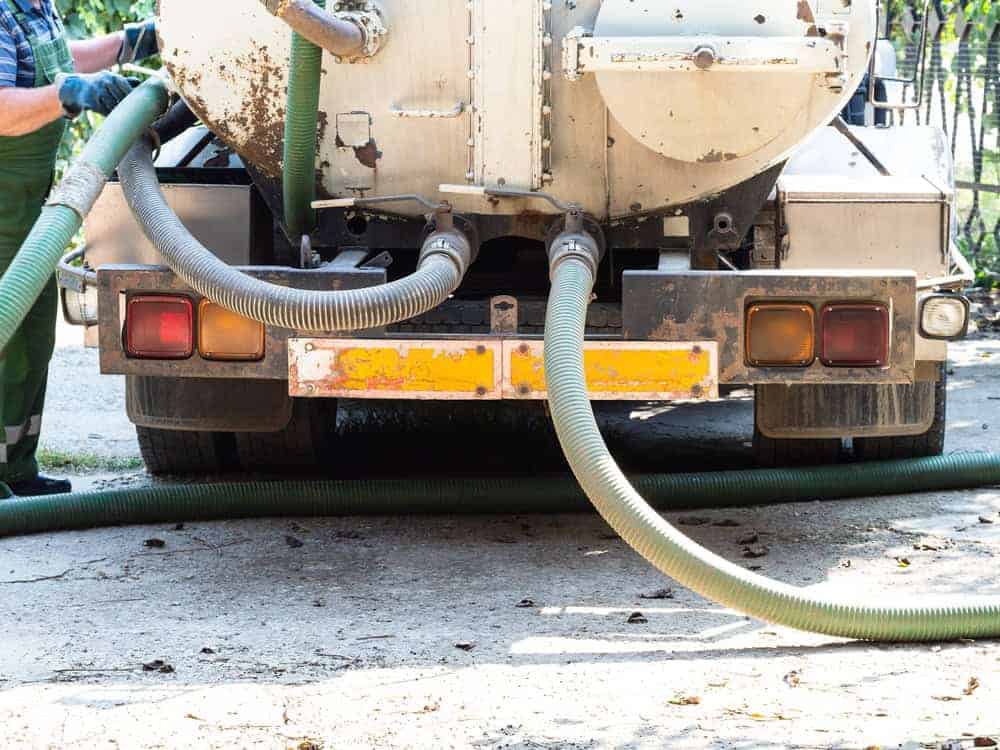
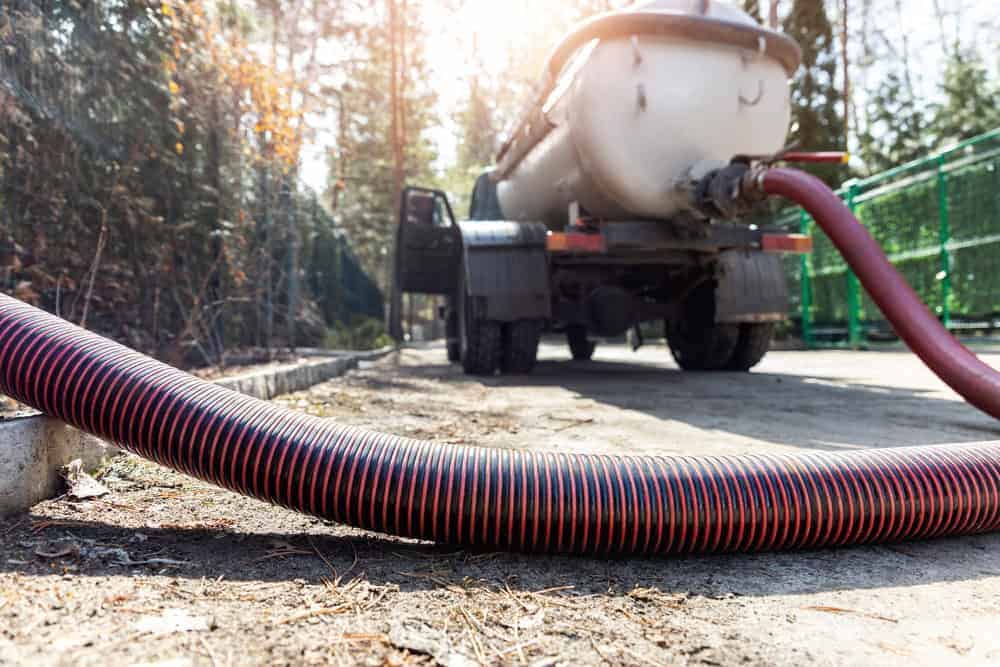
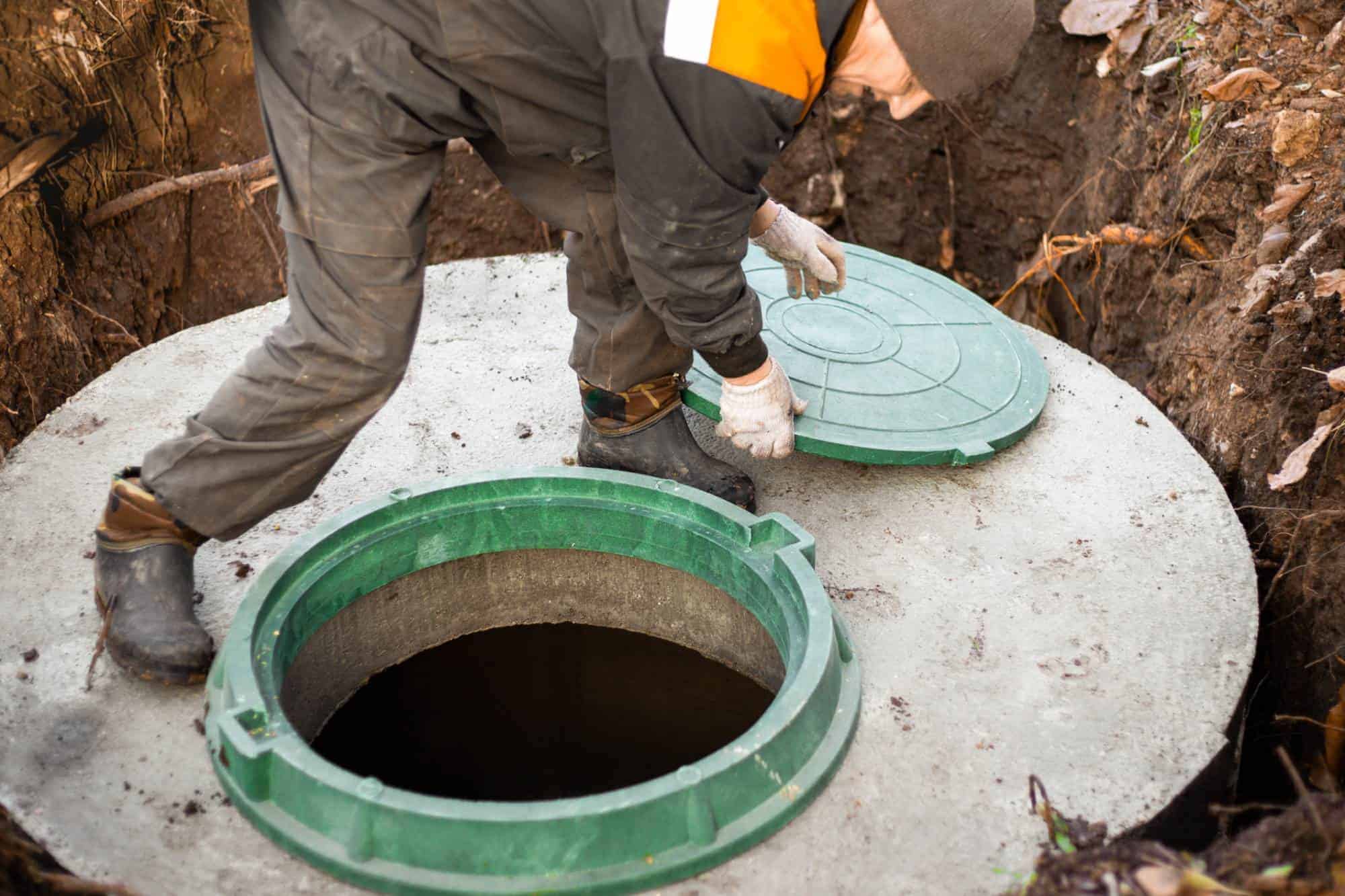
What you’re paying for isn’t just the pumping itself. You’re paying for a truck that holds 3,000 gallons and costs hundreds of thousands of dollars to purchase and maintain. You’re paying for licensed technicians who know how to safely access your system, properly dispose of septage at approved facilities, and identify problems while they’re working. You’re paying for the expertise to recognize when your tank condition, baffle integrity, or sludge levels indicate developing issues that need attention.
Septic Pumping Frequency for Suffolk County Homeowners
The standard advice says pump your septic tank every three to five years. That’s technically correct for some households, but it’s also misleading enough to cause problems for Suffolk County homeowners who follow it blindly.
Pumping frequency depends on how many people live in your home, how much water you use, and how large your tank is. A retired couple with a 1,500-gallon tank might go four or five years between pumpings without issue. A family of six with the same size tank needs service every two to three years, possibly more often if they run multiple loads of laundry daily or use a garbage disposal.
Garbage disposals significantly impact pumping frequency. Food waste doesn’t break down like human waste. It accumulates faster and fills your tank quicker, potentially reducing your pumping interval by 30 to 50 percent. If you have a disposal and you’re following a five-year pumping schedule, you’re likely already past due.
Suffolk County’s conditions also affect timing. The sandy soil and high water table here mean your system works harder than systems in areas with heavier soils and deeper water tables. Long Island systems fill faster and need more frequent attention than national averages suggest. That’s why many local professionals recommend pumping every three years rather than stretching it to four or five, even for smaller households.
Your system’s age matters too. Older systems, particularly those over 15 to 20 years old, benefit from annual inspections even if they don’t need pumping every year. Components wear out. Efficiency decreases. Catching problems early in an aging system prevents the kind of catastrophic failures that require complete replacement.
The most reliable approach is to have your tank inspected and let the measurements guide your pumping schedule. When inspectors measure your sludge and scum levels, they can tell you exactly how much capacity you have left and when you should schedule your next service based on how your specific household uses your specific system.
Cost to Pump Out Septic System vs. Cost of Ignoring It
A routine pump-out in Suffolk County costs $300 to $600. Let’s compare that to what happens when you skip maintenance.
Minor septic repairs start around $600 for simple fixes like clearing a clogged pipe. Baffle repairs run $300 to $900. Pump replacements cost $1,000 or more. These are the problems you face when you’ve delayed pumping by a year or two past when you should have done it.
Drain field failure is where costs escalate dramatically. When solids clog your drain field because you didn’t pump frequently enough, repair costs range from $2,000 to $15,000 depending on the extent of damage. If the field is damaged beyond repair, you’re looking at complete replacement: $3,000 to $20,000. That’s not a typo. A full drain field replacement on a Suffolk County property with difficult soil conditions or limited space can easily reach the upper end of that range.
Complete system replacement runs $10,000 to $25,000. At that point, you’re not just replacing a failed component. You’re installing an entirely new septic system, possibly with nitrogen-reducing technology if current regulations require it for your property or situation.
Here’s what makes this particularly painful: homeowner’s insurance typically doesn’t cover septic system failure caused by lack of maintenance. If your system failed because you didn’t pump it when you should have, you’re paying that bill entirely out of pocket.
The math is straightforward. Pumping every three years for 20 years costs about $4,000 to $6,000 total. That’s less than the low end of a single drain field replacement. It’s a fraction of what you’d pay for complete system failure. Regular maintenance isn’t an expense. It’s insurance against expenses that are 10 to 20 times larger.
Protecting Your Suffolk County Property with Regular Septic Tank Inspections
Your septic system is one of the most expensive components of your property, and it’s also one of the easiest to neglect because it’s underground and out of sight. But what an inspection reveals, whether it’s excessive sludge levels, damaged baffles, or early signs of drain field stress, gives you the information you need to make smart decisions before small issues become financial disasters.
Suffolk County’s three-year inspection requirement exists for good reasons. It protects Long Island’s drinking water. It catches problems while they’re still manageable. It ensures systems are functioning properly before property transfers or major renovations. Following that schedule, or working with us to customize a maintenance plan for your specific household, keeps your system running efficiently for decades.
The difference between a system that lasts 25-plus years and one that fails prematurely often comes down to whether homeowners treat inspections and pumping as routine maintenance or wait until problems force their hand. If you’re in Suffolk County and you can’t remember the last time your system was inspected, or if you’re approaching that three-year mark, now is the time to schedule service with us at Antorino & Sons.