Summary:
Most people schedule a septic pump-out, watch a truck pull away, and hope for the best. Nobody explains what happened inside that tank, what the technician was looking for, or whether anything was found. That’s a problem — because when you don’t know what good service looks like, you can’t tell the difference between a thorough job and a surface-level one.
This is the breakdown you didn’t get from the last company. We’ll walk you through exactly what happens during a professional septic tank pumping service visit, what to expect before and after, and why the timing and details matter more than most homeowners realize — especially here on Long Island.
What Septic Tank Pumping Actually Involves
Septic pumping isn’t just emptying a tank. It’s a service visit with a specific sequence of steps — and the ones that happen after the vacuum hose goes in are often what separate quality work from a rushed job.
The process starts before the truck even arrives. When you schedule with us, we confirm the appointment, ask about your tank’s location if known, and show up with the right equipment for your system size. Most Long Island cesspools hold between 1,000 and 1,500 gallons, and we arrive prepared for that range.
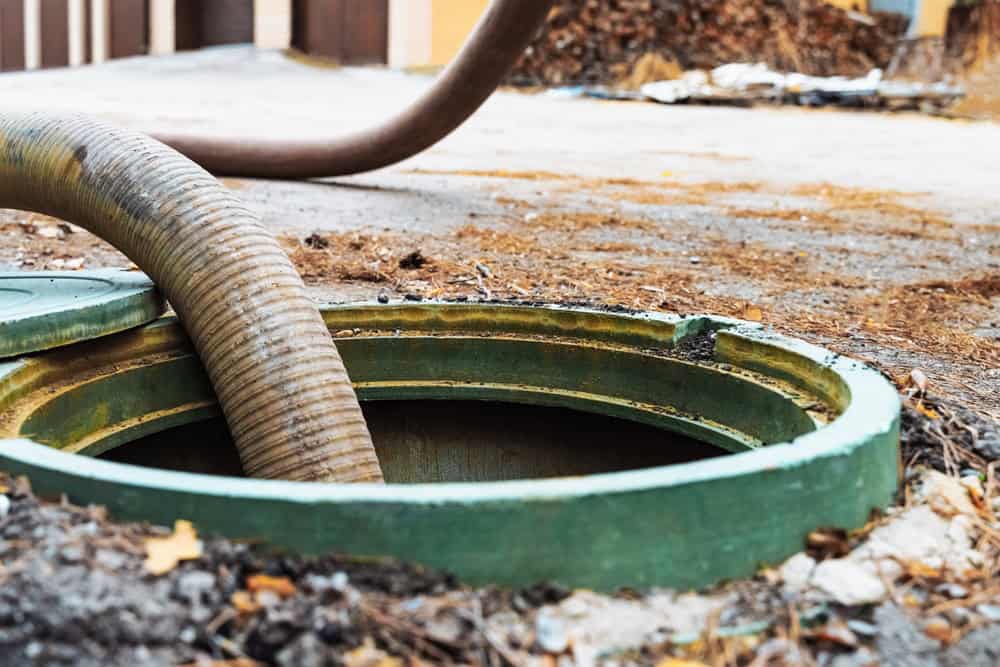
Once on-site, the first thing we do is locate and uncover the tank access lid. If you don’t know where your tank is, that’s not unusual — and it’s not a problem. We handle it without making you feel like you should have known.
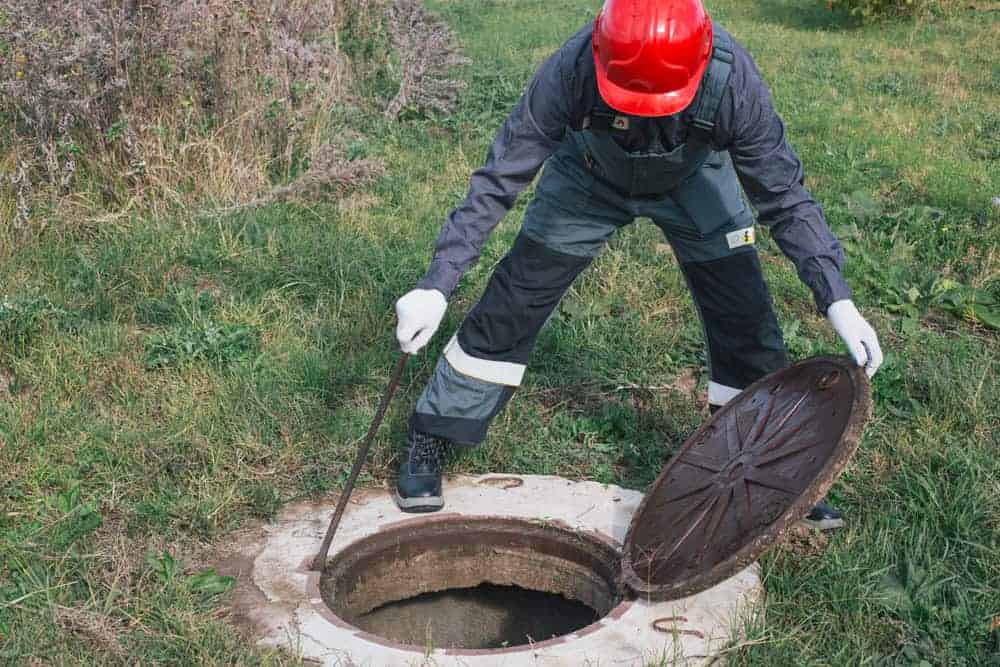
Septic Tank Emptying: What Happens Step by Step
After the lid is uncovered and the access point is clear, we measure the sludge and scum layers before pumping begins. This step matters more than most homeowners realize. It tells us how full the tank actually is, confirms that pumping is necessary, and gives a baseline for comparing against future visits.
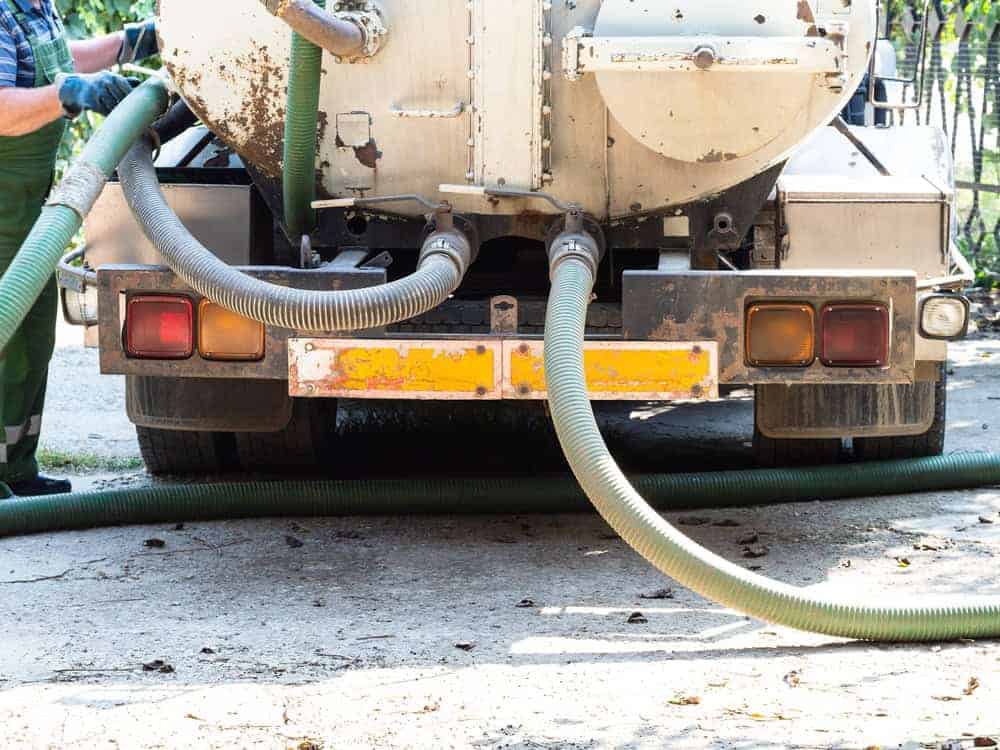
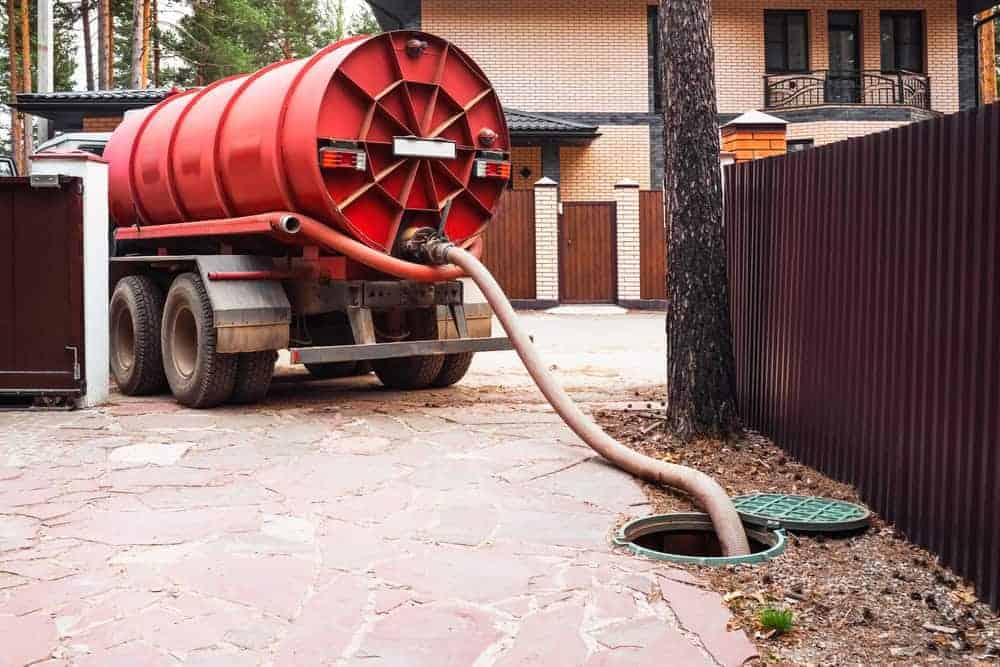
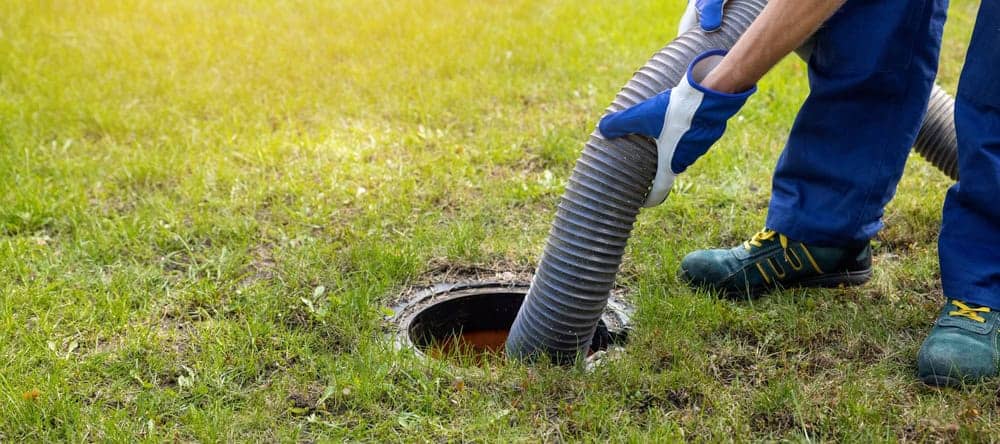
Then comes the actual septic tank emptying. A high-powered vacuum truck pulls the waste out through a large hose — both the liquid effluent sitting in the middle of the tank and the solid sludge that has settled at the bottom. Here’s where quality really diverges: we use a backpumping or stirring technique to break up the compacted solids at the bottom of the tank before vacuuming them out. A less careful operator may only pull the liquid layer and leave a significant amount of settled waste behind.
After the tank is emptied, we rinse the walls using water jets or mechanical tools to dislodge any remaining residue. You’ll notice the tank isn’t completely dry — and that’s intentional. A thin black film and a small amount of liquid stay behind because they contain the bacteria your system needs to restart the decomposition process. A tank scrubbed completely clean would actually take longer to get back to full function.
The visit wraps up with us replacing the lid, covering it with any excavated soil, and cleaning up the work area. The whole process, for a standard Suffolk County tank, typically takes between 30 minutes and an hour depending on tank size, waste volume, and how accessible the lid is.
The Septic Pump Out Inspection: What Gets Checked While the Tank Is Open
Here’s the part most homeowners don’t know about — and most companies don’t advertise. With the tank emptied and the lid open, we have a clear view of the tank’s interior that isn’t visible any other time. That window matters.
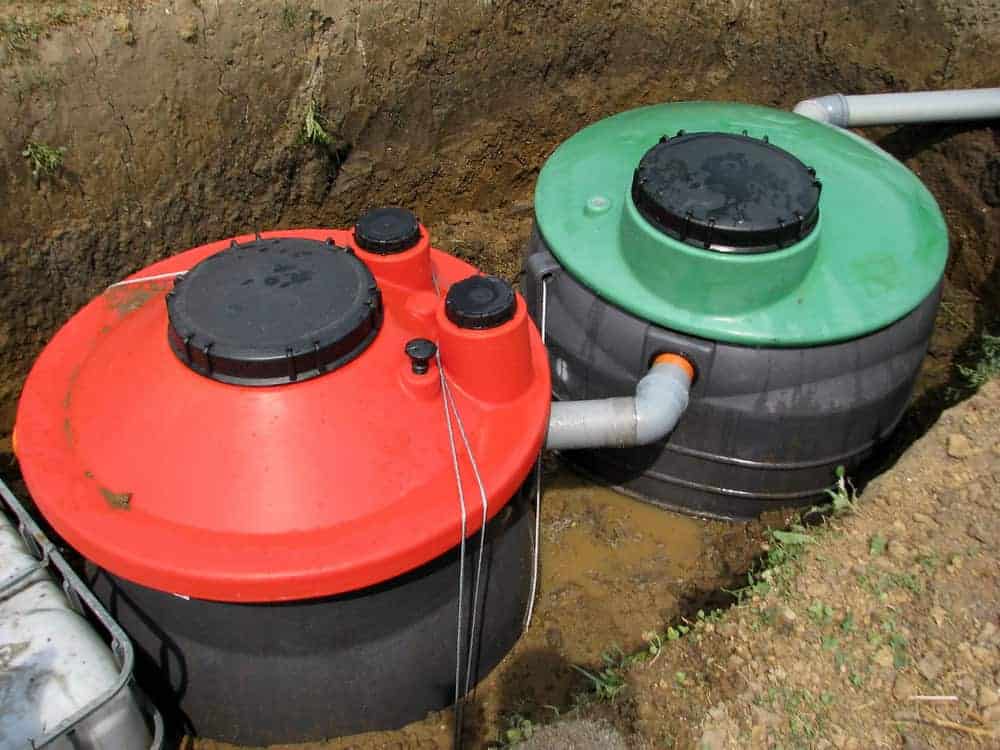
A thorough septic pump out includes a visual inspection of the baffles — the inlet and outlet components that direct flow inside the tank. Damaged or missing baffles are one of the most common causes of premature system failure, and they’re easy to miss until the system backs up. We also check the tank walls for cracks, signs of corrosion, or root intrusion, and examine the dividing wall in dual-compartment tanks to confirm it’s intact.
If anything looks off — a cracked baffle, signs of leakage, an inlet pipe that’s shifted — you’ll hear about it before we leave, not after you’ve had a backup. We provide written documentation after every service: waste volumes removed, disposal facility receipts, and a condition assessment of what was found. In Suffolk County, those records aren’t just useful — they’re required for property transfers and renovation permits. If you’re planning to sell your home, those documents protect you.
The waste itself gets transported to an approved treatment facility. That matters more than it sounds. Not every operator disposes of septage legally, and if waste is dumped improperly, the liability can trace back to the property owner. Long Island gets 100% of its drinking water from underground aquifers — there are no rivers or reservoirs, just the ground beneath your feet. Improper disposal isn’t just an environmental issue. It’s a community one.
How Often Does a Septic Tank Need Pumping in Suffolk County?
The national EPA guideline says every three to five years. The New York State Department of Health recommends every two to three years. For most Suffolk County homeowners, the two-to-three-year window is the right target — and in some cases, tighter.
The reason isn’t arbitrary. Long Island’s sandy glacial soil drains faster than most regions, which reduces the natural filtration time before wastewater reaches the groundwater table. The high water table in coastal and low-lying areas of Suffolk County adds another layer of risk. These aren’t conditions you can apply a generic national guideline to.
Household size matters too. A family of four will fill a 1,000-gallon tank faster than a couple in the same house. When solid waste reaches roughly 25 to 30 percent of the tank’s capacity, it’s time to pump — and for a busy household, that can happen well within two years.
Why Fall Is the Best Time to Schedule Septic Pumping in Suffolk County
If you’ve been putting off a pump-out, September and October are the months that matter most in Suffolk County. That’s not a marketing angle — it’s just practical timing.
Winter ground freeze makes emergency access significantly harder. If your system backs up in January and the ground around your tank is frozen solid, the service call becomes more complicated and more expensive than it needed to be. Getting ahead of it in the fall means you’re not dealing with that scenario.
Then there’s the holiday surge. From Thanksgiving through New Year’s, most households are running at maximum occupancy — more people, more water use, more waste load on a system that may already be close to capacity. A tank that was borderline in September becomes a problem in December. The fix is simple: pump it before the season starts, not during it.
Suffolk County’s real estate market adds another layer. Property transfers in the county require cesspool pumping records, and the fall selling season is active. If you’re listing a home — or buying one — having current documentation in hand avoids delays and complications at closing.
For homeowners with vacation properties on the East End, the timing runs in both directions. A pre-winter pump-out before closing up for the season, and a pre-summer check before the rental season begins, are both worth scheduling proactively rather than reacting to a problem mid-season in a property that’s an hour away.
Warning Signs Your Septic Tank Needs Pumping Now
Most homeowners find out their tank is overdue the hard way. By the time symptoms show up, the system is already under stress — and the difference between catching it early and catching it late can be the difference between a $225–$400 pump-out and a repair or replacement that runs into the tens of thousands.
Slow drains throughout the house — not just one fixture, but multiple — are one of the clearest early signals. When every drain in the house is sluggish, the problem is usually downstream from the plumbing, not in it. Gurgling sounds from toilets or drains after flushing point to the same issue: the tank is full and not accepting waste at the normal rate.
Odors are another one. If you’re noticing a sewage smell inside the house, in the basement, or near the tank area outside, the system is telling you something. Sewer gas in a basement — especially one that gets worse after heavy rain — is a sign worth taking seriously, not ignoring until the smell goes away.
Wet or unusually green patches of grass over the drainfield are a later-stage sign that the system is already saturated and pushing effluent to the surface. At that point, you’re past the pump-out window and into repair territory.
The cleanest version of this situation is one where none of these symptoms ever appear — because the tank was pumped on schedule before any of them had a chance to develop. That’s the goal.
Septic Tank Service in Suffolk County: What to Do Next
A professional pump-out visit isn’t complicated — but it does involve more than most people realize, and the difference between a thorough job and a rushed one isn’t always visible from the driveway. Knowing what the technician should be doing, what they’re looking for, and what documentation you should receive afterward puts you in a much better position as a homeowner.
For Suffolk County residents, the stakes are a little higher than most places. The county’s regulations, its sole-source aquifer, and the seasonal timing of Long Island winters all make staying on top of your system more than just routine maintenance. It’s property protection.
If you’re not sure when your tank was last serviced, or if you’ve noticed any of the warning signs above, now is the right time to get it looked at. Antorino & Sons has been serving Long Island homeowners since 1980 — and we’re available around the clock, including nights and weekends, when the problem doesn’t wait for Monday morning. Reach out for a free estimate and we’ll take it from there.