Summary:
You hear it after the dishwasher runs, or when the washing machine drains, or sometimes just out of nowhere — a low, bubbling gurgle from the kitchen sink. The water drains fine. Nothing’s backed up. So you move on with your day.
That’s exactly the problem.
On Long Island, where tens of thousands of homes built in the 1950s, ’60s, and ’70s still rely on cesspools, a gurgling sink that drains normally isn’t a quirk — it’s a signal. Understanding what it’s telling you is the difference between a $300 inspection and a $15,000 emergency replacement. Here’s what’s actually going on.
Kitchen Sink Gurgling: The Three Causes That Actually Matter
Gurgling happens when air gets pushed backward through the water sitting in your drain’s P-trap — that curved section of pipe under the sink designed to block sewer gases. Something is disrupting the normal airflow in your drain system, and the gurgle is the pressure finding its way out.
There are three places that disruption typically originates: a partial clog in the local drain line, a blocked or undersized vent stack, or a cesspool that’s stressed and can’t handle the volume being sent to it. Each one has a different fix — and knowing which one you’re dealing with changes everything about how urgently you need to act.

Sink Gurgles When Washing Machine Drains — What That Pattern Is Telling You
If the gurgling only happens when an appliance drains — the washing machine, the dishwasher, or both running at the same time — pay close attention to that pattern. It’s not a coincidence, and it’s not a minor plumbing quirk.
In many Long Island homes, the kitchen sink and the washing machine share the same horizontal drain pipe running toward the cesspool. Under normal conditions, that shared line handles the flow without issue. But when the washing machine kicks into its drain cycle, it discharges a large volume of water in a short window — far more than a running faucet.
If that shared pipe is even partially blocked, or if it isn’t sloped quite right, the surge has nowhere to go fast enough. The air in the line gets displaced and pushes back through whatever fixture is nearby — usually the sink. The result is that gurgling sound right as the washer drains.
Here’s what makes this more than a plumbing inconvenience: the same thing happens at the cesspool level. If the cesspool is nearing capacity, it can handle the slow, steady trickle of daily use. But when a high-volume appliance dumps water into the system all at once, the cesspool can’t absorb it fast enough. The pressure backs up through the line, and the sink gurgles. The drain still works because the system isn’t completely overwhelmed — just stressed. That’s the window where you want to act.
On Long Island specifically, this scenario is common in homes where the cesspool was sized for a smaller household or lower water usage than what the property demands today. A system installed in 1962 for a family of three, now serving a household with two full bathrooms, a dishwasher, a washing machine, and a garbage disposal, is almost certainly working harder than it was designed to. The appliance-triggered gurgling is often the first sign that it’s struggling.
If the gurgling isn’t just in the kitchen sink — if you’re also hearing it from a toilet, a bathroom sink, or a tub drain when the washer runs — the diagnostic picture shifts significantly. A single gurgling fixture can sometimes point to a local clog or a vent issue specific to that drain line. But when multiple fixtures respond to the same appliance event, the problem is almost certainly deeper in the system.
The toilet is particularly telling. Its drain connects directly to the main drain line running to your cesspool, without the same kind of isolation that a sink’s trap provides. When the washing machine drains and the toilet gurgles in response, the air pressure disturbance is traveling through the main line — which means the blockage, restriction, or capacity issue is somewhere between your home and the cesspool, or in the cesspool itself.
For homeowners in Nassau and Suffolk Counties, this cross-fixture pattern is a strong indicator that the cesspool needs attention. Long Island’s high water table compounds the issue. When the water table rises — as it reliably does every spring after heavy rainfall — the soil surrounding a cesspool has less capacity to absorb effluent. A system that was functioning adequately through the fall and winter can suddenly start showing stress symptoms in March or April, and the cross-fixture gurgling during appliance use is often the first thing homeowners notice.
It’s also worth knowing that a blocked vent stack can produce a similar cross-fixture pattern. Vent stacks exit through the roof, and on Long Island, fall leaves, bird nests, and winter ice can all block the opening. A frozen vent stack in January produces gurgling symptoms that look almost identical to a cesspool problem. The key difference: vent blockages tend to cause gurgling at random or whenever any drain is used, while cesspool-related gurgling is more pronounced during high-volume events like the washing machine cycle. If you’re seeing the latter, the cesspool is the more likely culprit.
Sink Gurgles but Drains Fine — Why That's the Warning Sign You Shouldn't Ignore
Most homeowners assume that if the water drains, there’s no real problem. It’s a reasonable assumption — a backed-up drain is obvious, a gurgling one feels minor. But partial blockages can persist for months before becoming complete clogs. The gurgling is the pressure signal that something is wrong before the system fails outright.
By the time your drain slows down noticeably, the partial blockage has been building for a while. By the time water backs up into the sink, the cesspool may be days from a full backup. The gurgling — especially when the drain still flows normally — is the system’s earliest warning. That’s the best time to deal with it.
Why "Drains Fine" Doesn't Mean the Cesspool Is Fine
A cesspool that’s nearing capacity behaves differently than most people expect. It doesn’t suddenly stop working — it degrades gradually. In the early stages, wastewater still moves through the system, just more slowly and with less margin. The cesspool can handle normal daily flow, but it’s running close to its limit.
During surge events — a load of laundry, a long shower, a dishwasher cycle — it can’t keep up, and the pressure backs up into the drain lines. The sink gurgles. Then the water drains, eventually. And the homeowner moves on, thinking nothing of it.
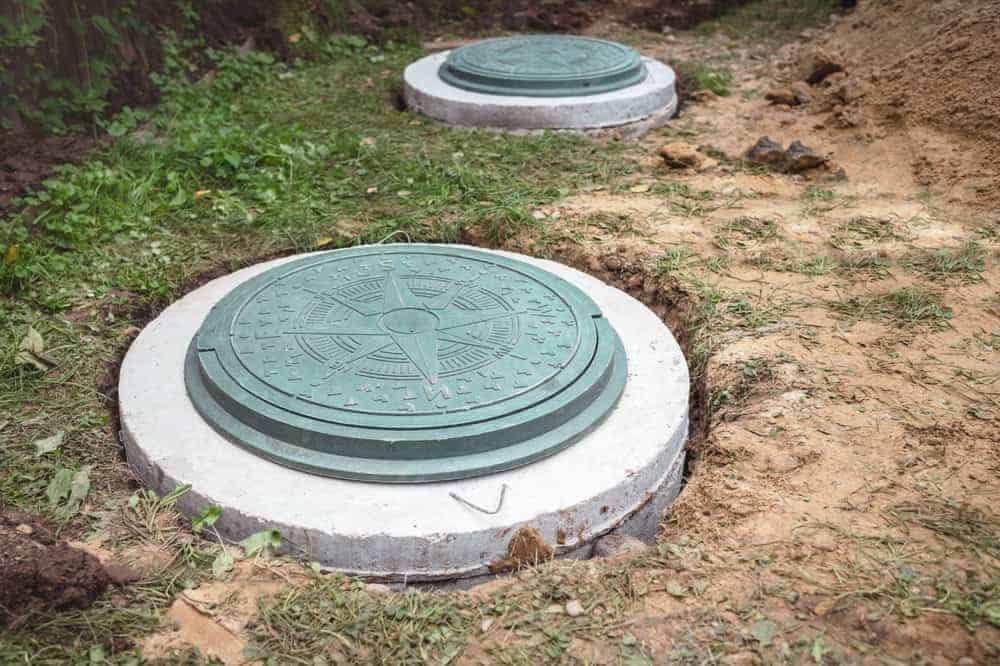
This is the pattern we see constantly in older Long Island homes. A cesspool installed 40 or 50 years ago, sized for the household of that era, now serving a modern home with more fixtures and more daily water use. The system isn’t broken yet — but it’s telling you something. And on Long Island, where the sole-source aquifer beneath Nassau and Suffolk Counties supplies drinking water to millions of residents, a failing cesspool isn’t just a household inconvenience. It’s an environmental concern that local health departments take seriously.
The Suffolk County Department of Health Services and Nassau County Department of Health both have regulatory frameworks around cesspool maintenance and inspection. Properties in high-priority areas — near shorelines, wetlands, or sensitive water bodies — may face additional requirements. If you’re planning to sell, both counties require cesspool inspection as part of the property transfer process. A gurgling cesspool that you’ve been ignoring has a way of becoming a very expensive negotiation point at closing.
A professional inspection costs between $300 and $500. A complete cesspool replacement runs $8,000 to $15,000. The math on catching a problem early is straightforward.
When Is Sink Gurgling a DIY Fix — and When Do You Need a Professional?
It’s a fair question, and the honest answer is: it depends on the pattern.
If the gurgling is coming from a single sink, happens only when that specific drain is used, and clears up after you clean out the P-trap or use a drain snake to clear a local clog, you may have solved it. A buildup of grease, hair, soap scum, or food debris in the drain line immediately below the sink is a genuinely common cause of single-fixture gurgling, and it’s a reasonable DIY starting point.
What you should not do is reach for chemical drain cleaners. On a cesspool system, those products can kill the bacterial ecosystem inside the tank that breaks down waste — accelerating the very problem you’re trying to fix. A drain snake or a call to a professional is always the better option.
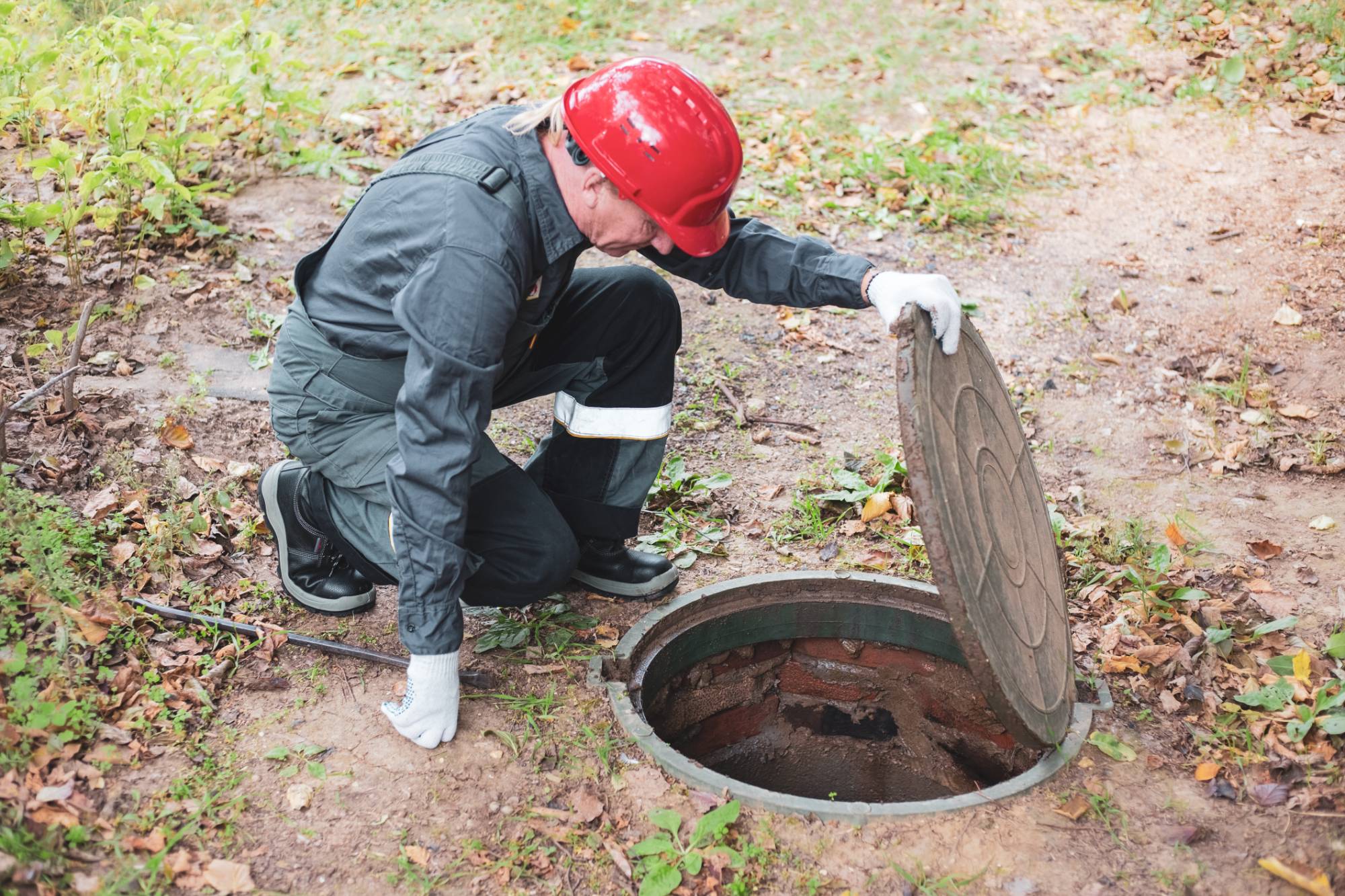
If the gurgling persists after clearing the local drain, or if it’s coming from multiple fixtures, or if it specifically happens during or after high-volume appliance use, the cause is almost certainly not something you can address yourself. At that point, you’re looking at either a blocked vent stack or a cesspool issue — and both require professional diagnosis to distinguish between them and address correctly.
We use high-pressure jetting and mechanical augers to clear blockages throughout the drain line, not just at the fixture level. When the issue is deeper — at the cesspool itself — we can assess the system’s capacity, inspect the baffle condition, and determine whether pumping will resolve the problem or whether something more significant is going on. You’ll know what we find and what it costs before any work begins. No surprises.
One more thing worth saying: if you’ve already tried the DIY route and the gurgling is still there, that’s actually useful information. It means the local drain isn’t the issue. That narrows the diagnosis considerably and usually points toward the cesspool — which, on Long Island, is exactly where you want a professional involved.
What to Do Next If Your Sink Is Gurgling on Long Island
A gurgling sink is easy to dismiss — especially when the water still drains. But on Long Island, where the housing stock is old, the cesspools are older, and the water table doesn’t give failing systems much room to breathe, that sound is worth taking seriously.
If the gurgling is isolated to one fixture and clears with basic drain maintenance, you may be fine. If it’s happening across multiple fixtures, triggered by appliance use, or persisting after you’ve already tried to address it, the cesspool is the most likely cause — and the earlier you get it looked at, the better your options are.
Antorino & Sons has been serving Long Island homeowners across Nassau and Suffolk Counties for years, and we know these systems. If you’re hearing something that doesn’t sound right, reach out for a free quote. We’ll tell you what’s actually going on.