Summary:
Someone — a contractor, a home inspector, maybe a neighbor who just went through it — has told you your septic system might need replacing. Now you’re trying to figure out if that’s true, what it’s going to cost, and whether you’re about to spend $25,000 you didn’t plan on spending.
That’s exactly the right instinct. Replacement is sometimes necessary. But it isn’t always. And in Suffolk County, NY, where the regulatory environment, soil conditions, and cost ranges are nothing like the national averages you’ll find on most websites, getting clear information matters more than it does almost anywhere else.
Here’s what you actually need to know to make this call.
Septic Tank Replacement: When It's the Right Call and When It Isn't
The honest answer is that most septic problems don’t require a full replacement. Failed baffles, cracked lids, broken pumps, clogged filters — these are real problems, but they’re also fixable ones. Repairs in that range typically run a few hundred to a few thousand dollars, and if the rest of your system is in reasonable shape, that’s often the right move. Professional septic tank repair can address many of these issues without replacing the entire system.
Full replacement becomes the right conversation when the system is over 25 to 30 years old and showing multiple simultaneous failures, when the tank itself has structurally collapsed, or when the drain field has reached the point where no repair will restore function. A system that has been repaired two or three times in the last few years and keeps failing is also telling you something. At a certain point, you’re not fixing a problem — you’re delaying a larger one.
How to Decide: Repair vs. Replace Without Getting Upsold
The fear of being upsold on a replacement you don’t need is completely reasonable. It’s also one of the most common things homeowners in Suffolk County, NY tell us when they call. So here’s a framework that gives you some footing before you talk to any contractor.
Repair is generally the right answer when the damage is localized — a specific component has failed but the surrounding system is intact. If your tank is under 20 years old, structurally sound, and the drain field is functioning, a targeted repair is almost always the better financial decision. Component repairs like pump replacements ($800–$3,000), baffle repairs ($100–$900), or filter replacements ($200–$300) are routine and don’t signal that the whole system is failing.
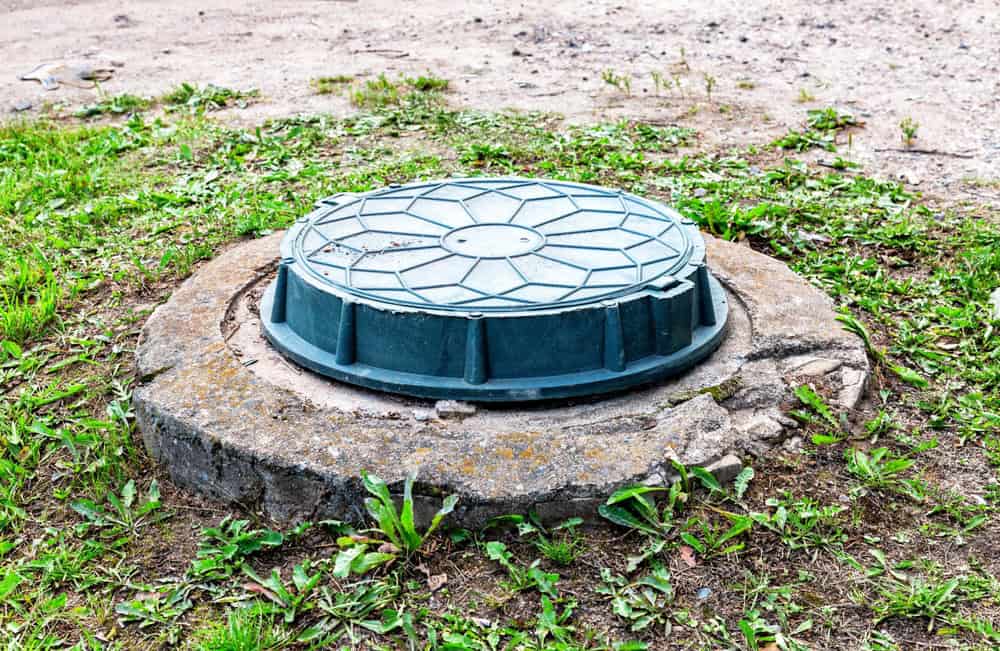
Replacement becomes harder to avoid when the tank itself has cracked or collapsed beyond repair, when the drain field has failed completely, or when you’re dealing with a cesspool that has stopped functioning. That last point matters a lot in Suffolk County, NY specifically. Since July 2019, the county has banned new cesspool installations. If your cesspool fails, you cannot simply replace it with another cesspool — you’re required to upgrade to a compliant septic system, often one that includes nitrogen-reducing technology. That changes the cost picture significantly.
The other thing worth knowing: a system that has been neglected for years — not pumped on the recommended schedule, not inspected — puts stress on the drain field over time. Solids that overflow from an overfull tank can work their way into the absorption field and create a biological clog called a biomat that permanently damages the soil’s ability to drain. When that happens, repair options narrow fast. The tank might look like the problem. The drain field is where the real cost lives.
Before agreeing to any major work, ask the contractor to show you the evidence — camera footage, a written assessment, a clear explanation of what failed and why. A contractor who can’t or won’t do that is a contractor worth getting a second opinion on.
What Does Septic Tank Replacement Cost in Suffolk County, NY?
This is where Long Island homeowners consistently get blindsided. National cost guides put septic system replacement in the $3,500–$8,500 range for a standard three- or four-bedroom home. Those numbers are not wrong for the country — they’re just wrong for here.
In Suffolk County, NY, a full septic system replacement runs $15,000 to $35,000 depending on your property’s conditions, the type of system required, and the scope of work involved. If you’re upgrading from a failed cesspool to a compliant system — which is now legally required — budget for the higher end of that range. Complete replacements involving advanced nitrogen-reducing systems, sometimes called I/A systems (Innovative/Alternative Onsite Wastewater Treatment), can reach $35,000 or more before any financial assistance.
Why the gap? A few reasons. Suffolk County, NY’s sandy soil and high water table affect how systems need to be designed and installed. The county’s regulatory requirements — including permits, soil percolation testing, and approval from the Suffolk County Department of Health Services — add time and cost that don’t exist in most other markets. And the nitrogen-reducing system mandate, which applies to many replacement projects, requires more sophisticated technology than a basic gravity-fed tank.
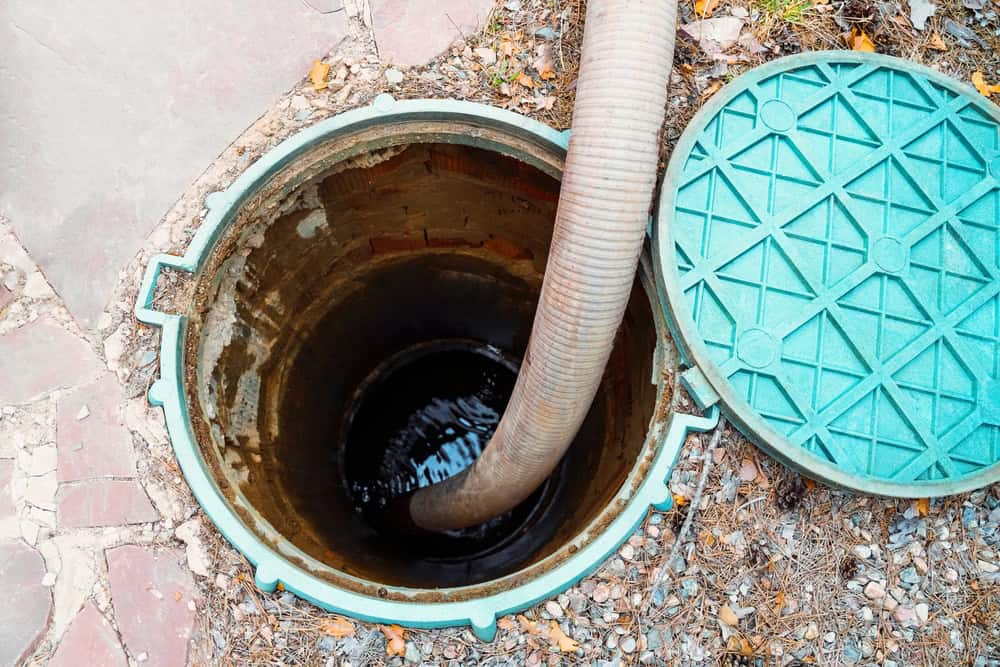
There’s also the removal component that often gets overlooked. Before a new system goes in, the old one has to come out — pumped, decommissioned, and in some cases physically removed. That alone can add $3,000 to $10,000 to the project before the new installation begins.
The number that changes this math, though, is the grant money available specifically for Suffolk County, NY homeowners. The county’s Septic Improvement Program offers up to $20,000 in grants for qualifying I/A system installations. The New York State Septic System Replacement Fund — expanded in July 2025 — now covers up to 75% of eligible costs, with a cap of $25,000. Stack those together and you’re looking at up to $30,000 in non-repayable grant funding. The state also earmarked $20 million of its most recent $30 million funding round specifically for Suffolk County, NY. That’s real money, and it’s available to homeowners who qualify and work with a contractor who knows how to navigate the application.
Drain Field Repair and Replacement: The Hidden Cost of Septic Failure
Most conversations about septic costs focus on the tank. The drain field — also called the leach field or absorption field — gets far less attention, which is a problem, because it’s usually the most expensive component to replace and the most common reason a full system replacement becomes unavoidable.
The drain field is the network of perforated pipes buried in gravel and soil that receives the liquid effluent from your septic tank and allows it to slowly filter into the ground. When it’s working, you never think about it. When it isn’t, the signs are hard to miss: soggy or unusually green patches of grass over the field, sewage odors outside, slow drains throughout the house, or wastewater surfacing in the yard.
Drain Field Replacement: When Repair Isn't Enough
Not every drain field problem requires a full replacement. Drain field aeration or rejuvenation — a process that breaks up the biomat and restores some absorption capacity — can cost $2,000 to $5,000 and buys meaningful time on a field that hasn’t completely failed. Partial replacements, where only a section of the field is failing, can run $3,000 to $10,000 and are worth considering when the damage is contained.
The problem is that drain field failure tends to be progressive, not sudden. By the time most homeowners notice the symptoms, the soil has been under stress for years. Rejuvenation works best when it’s done early — as a preventive measure or at the first sign of sluggish drainage — not as a last resort on a field that’s been saturated for a decade.
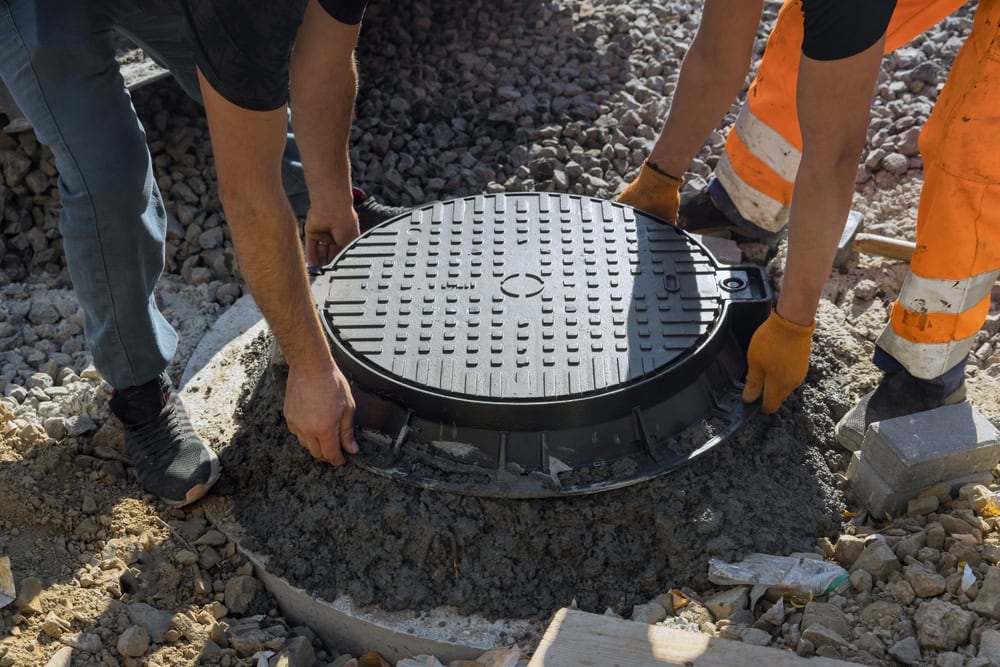
When the field has failed completely, or when the soil has been so compromised that absorption can no longer be restored, replacement is the only path forward. That means excavating the old field, conducting a new percolation test to assess the soil’s current drainage capacity, designing a new system that meets current county standards, and installing it with the required permits and SCDHS approval. It’s a significant project, and the timeline matters — permit processing in Suffolk County, NY takes time, which is one more reason not to wait until the system is in active failure before starting the conversation.
Septic Drain Field Replacement Cost in Suffolk County, NY
Nationally, drain field replacement runs $3,000 to $15,000. In Suffolk County, NY, when you factor in the permitting, soil testing, required system type, and local labor and material costs, a full drain field replacement as part of a complete system overhaul typically lands in the $20,000 to $40,000 range. That’s not a number designed to alarm you — it’s the honest range that reflects what this work actually costs in this market.
The variables that affect where your project falls within that range include the size of your property and how much usable land is available for the new field, the results of the percolation test, the bedroom count of your home (which determines the required system capacity), and whether your replacement requires a conventional gravity-fed system or a more advanced treatment system. Properties in certain parts of Suffolk County, NY — particularly those near sensitive waterways like the Great South Bay or the Peconic River — may face additional requirements that affect both design and cost.
Undersized drain fields are also a common problem on Long Island, particularly in homes built in the 1950s and 1960s when system sizing standards were different. A field that was undersized at installation can fail within 10 years under normal household use, and discovering that the original system was never properly sized is a frustrating but not uncommon situation for owners of older Suffolk County, NY homes.
The grant programs described above apply to drain field replacement as part of a qualifying I/A system installation — meaning the $30,000 in combined county and state funding can offset a significant portion of the total project cost. The Community Development Corporation of Long Island also offers low-interest loans of up to $10,000 for homeowners who need additional financing beyond what grants cover. If you’re in Southampton, East Hampton, or Shelter Island, Community Preservation Funds may provide additional assistance at the town level.
The bottom line on cost: get a site-specific assessment, not a phone estimate. The variables that determine your actual number — soil conditions, existing system condition, required system type, lot configuration — can only be evaluated in person. Any contractor who quotes you a firm number without seeing your property is guessing.
Getting a Straight Answer on Septic Replacement in Suffolk County, NY
The repair-versus-replace decision doesn’t have to be overwhelming. Most of the time, the right answer becomes clear once you have an honest assessment from someone who knows what they’re looking at — and who isn’t trying to sell you the most expensive option available.
What makes Suffolk County, NY different from most markets is the combination of factors: aging housing stock, a 2019 cesspool ban that limits your options when a system fails, regulatory requirements that add real cost and complexity, and a grant landscape that can meaningfully reduce what you actually pay out of pocket. Understanding all of that before you sit down with a contractor puts you in a much better position to make a clear-headed decision.
We’ve been doing this work on Long Island since 1980. We offer free estimates, upfront pricing, and 24/7 availability — because septic problems don’t always happen on a convenient schedule. If you’re trying to figure out whether you need a repair or a full replacement, Antorino & Sons is a good place to start that conversation.