Summary:
Most homeowners searching for septic tank pumping cost aren’t just curious — they’ve already had a slow drain, caught a smell near the yard, or realized it’s been longer than it should be since the last service. You want a straight answer before you call anyone, and that’s completely reasonable.
The problem is that most of what you’ll find online quotes national averages that don’t reflect what Suffolk County homeowners actually pay. Long Island has its own cost reality — driven by local regulations, licensed disposal facilities, and a market where the advertised price and the final bill can look very different. Here’s what you need to know going in.
Septic Tank Pumping Prices in Suffolk County: What to Expect in 2026
The national average for septic tank pumping sits around $425, with most homeowners paying somewhere between $291 and $565. Those numbers are real — they’re just not particularly useful if you live in Suffolk County.
Here, a standard residential septic tank pumping typically runs between $300 and $600 for a 1,000-gallon tank under normal conditions. But the full range — once you factor in tank size, access difficulty, disposal fees, and timing — runs from $308 to well over $1,200. That gap isn’t random. It reflects the difference between a straightforward job and one with complications, and it’s also where some companies exploit the space between the quote they give you over the phone and the invoice they hand you when the truck pulls away.

Septic Tank Pump Out Cost by Tank Size
Tank size is the single biggest driver of septic pumping cost, and it’s worth knowing roughly what size system you have before you start calling for quotes. Most residential homes in Suffolk County have tanks in the 1,000- to 1,500-gallon range, though older properties — particularly those built in the 1950s and 1960s — sometimes have smaller systems.
For a 1,000-gallon tank, which is the most common residential size, you’re looking at roughly $225 to $400 for a standard pump-out under normal conditions. A 1,500-gallon tank typically runs $450 to $1,100 depending on sludge accumulation and access. A 2,000-gallon tank — more common in larger homes or properties with high occupancy — generally falls in the $400 to $600 range for a clean, accessible job, though that number climbs quickly if there are complications.
What most homeowners don’t realize is that the per-gallon cost of pumping runs around $0.30 on average nationally. That benchmark holds reasonably well in Suffolk County for straightforward jobs, but it doesn’t account for the add-ons that frequently appear on local invoices. Licensed disposal facilities in Suffolk County charge $50 to $150 per load to accept septage — a real operational cost that some companies absorb into their quote and others list separately after the fact.
Tank lid excavation, if the lid isn’t accessible at grade, can add another $50 to $150. Extended hose runs, excess sludge buildup, and emergency timing can each add $75 to $300 on top of the base rate. This is the pattern that gives the local market its reputation: a company advertises a $99 or $150 pump-out, then arrives and finds reasons to add charges — disposal, locating the tank, extra hoses, “environmental fees” — until the bill looks nothing like what you were quoted.
It’s not universal, but it’s common enough that it’s worth asking any company upfront exactly what their quote includes and whether disposal fees are part of it.
What's Actually Included in a Standard Septic Pump-Out
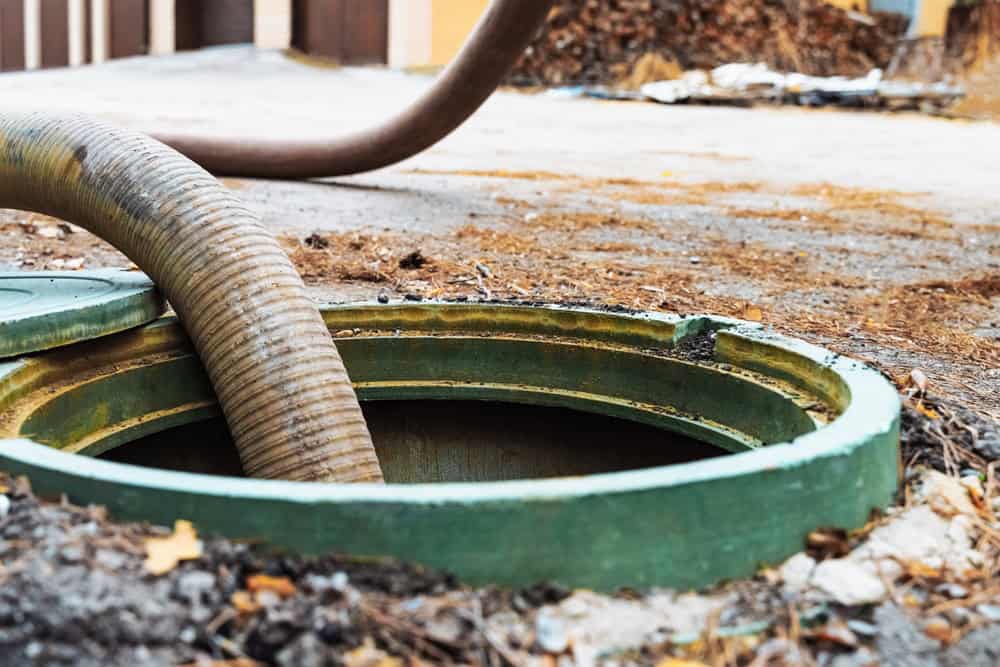
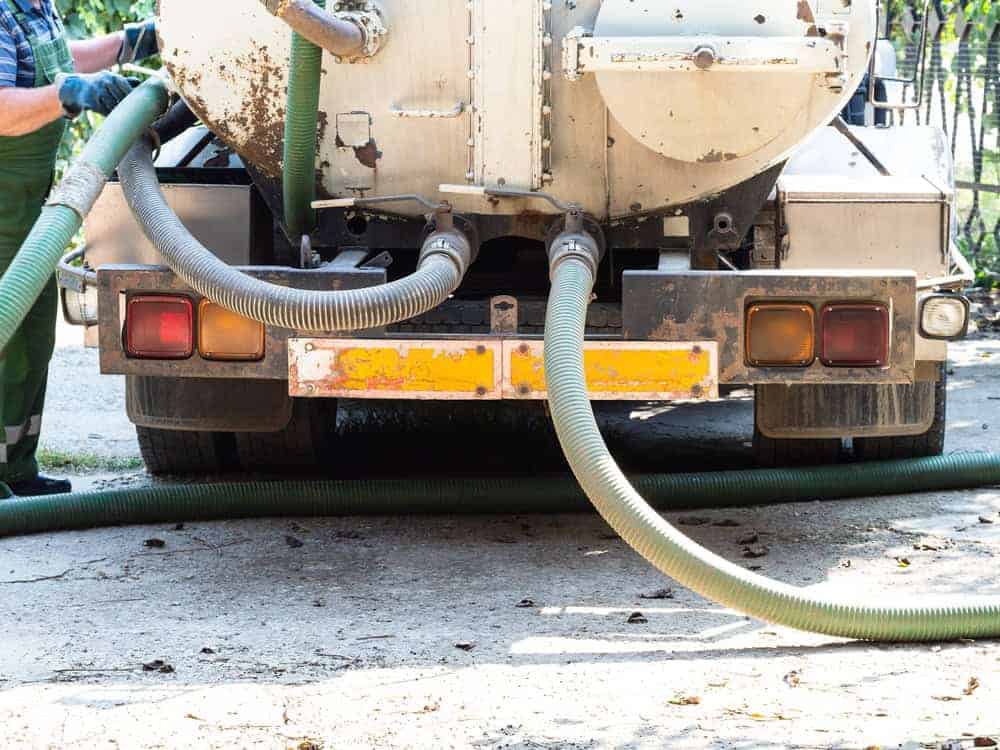
A proper septic tank pump-out isn’t just vacuuming out liquid. When we do the job right, we locate and safely uncover the tank access lid, pump out all accumulated solids, sludge, and scum layers using commercial vacuum equipment, inspect the tank components while it’s accessible, and provide a service report with notes on system condition and recommendations for next service. The waste is then transported to a licensed treatment facility and disposed of in compliance with state and EPA requirements.
That last part matters more in Suffolk County than almost anywhere else in New York. Long Island relies entirely on groundwater — the Long Island aquifer system — for its drinking water. There’s no surface water supply to fall back on. That’s a big part of why Suffolk County has some of the strictest septic regulations in the state, including specific licensing requirements under Chapter 563 of the Suffolk County Code, mandatory certification through the Long Island Liquid Waste Association (LILWA), and a New York State DEC waste transporter permit that any company hauling septage is legally required to hold.
When you call a company, it’s worth asking directly: are you licensed in Suffolk County, do you hold a NYSDEC waste transporter permit, and where does the waste go? Those aren’t aggressive questions — they’re basic due diligence. An unlicensed operator can’t legally haul septage in New York State, and if something goes wrong on your property, you want a company that’s insured and accountable.
At Antorino & Sons, our technicians hold state certifications for waste management, we use EPA-approved disposal methods, and we carry proper insurance coverage. We also quote your full price before the truck arrives — what we quote is what you pay.
Septic System Pumping Cost: What Drives the Price Up (and When to Worry)
Beyond tank size, a handful of factors consistently push septic pumping costs higher — and knowing them in advance helps you have a more informed conversation with any company you call.
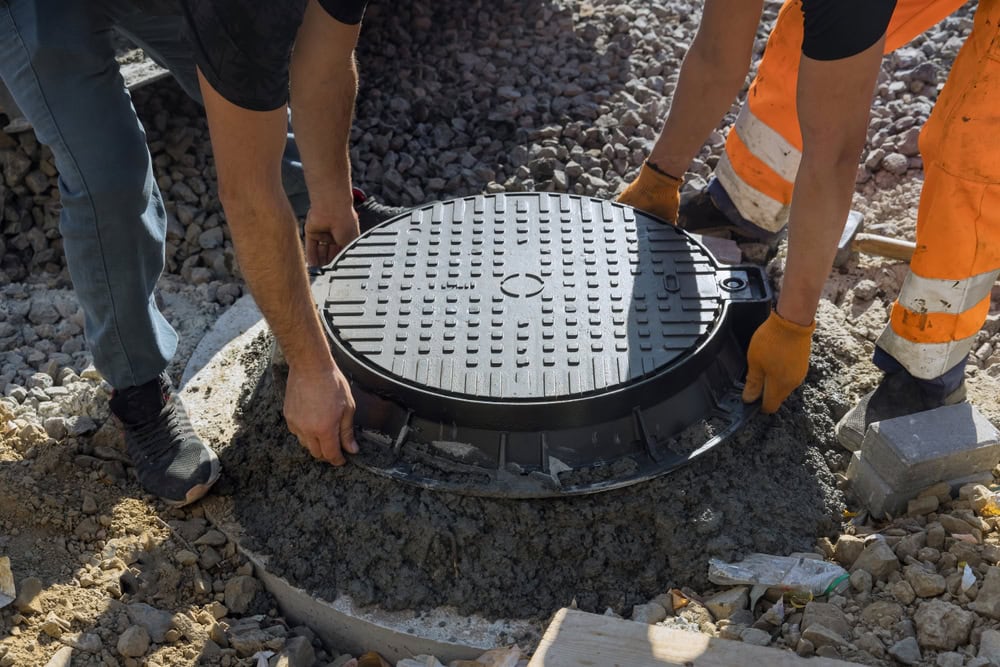
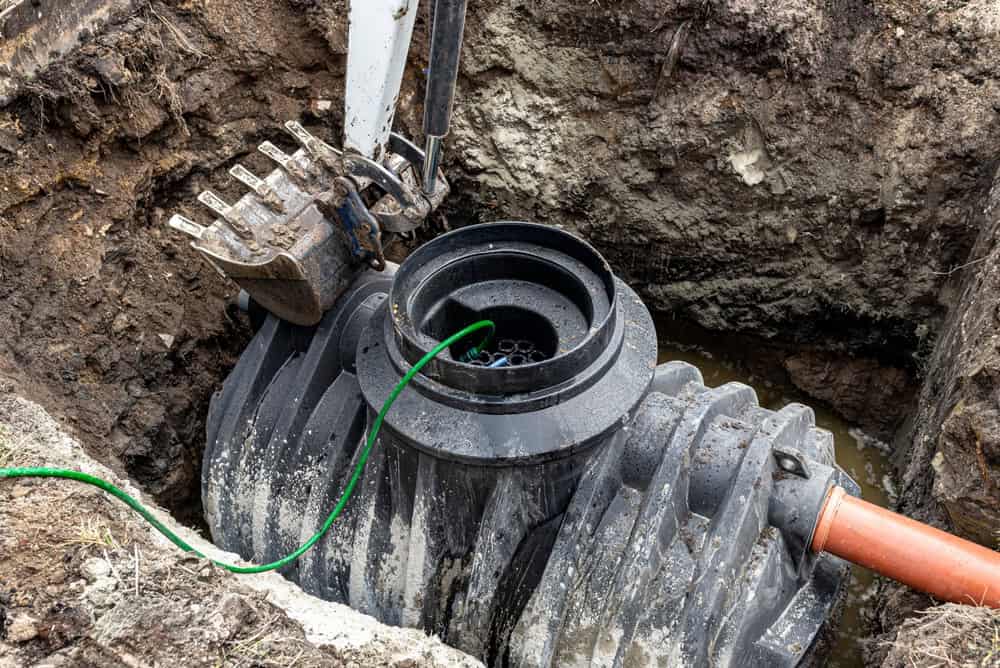
Accessibility is one of the biggest variables. If your tank lid is buried under a foot of soil, the technician has to locate and excavate it before any pumping can begin. That’s a legitimate cost, but it should be disclosed upfront, not added to the invoice after the job is done. The same goes for systems in tight or awkward locations — near a fence, under a deck, or on a sloped property — where extended hose runs are required.
How Long Island's Soil and Water Table Affect Pumping Frequency and Cost
This is where Suffolk County genuinely differs from most of the country, and it’s worth understanding before you try to apply national pumping guidelines to your Long Island home.
Long Island’s soil is primarily sandy glacial outwash — porous and well-draining by nature. That’s generally good for leach field performance, but it also means that when a system fails, contaminants can reach the water table quickly. In coastal areas, low-lying communities, and much of the South Fork — Southampton, East Hampton, Montauk — the water table sits high enough that it directly limits how much absorption depth is available beneath your drain field. Systems in those areas can become stressed faster, particularly during wet seasons or after heavy storms.
The practical result is that pumping frequency recommendations for Long Island are more aggressive than the national standard. Most guides will tell you to pump every three to five years. For Suffolk County households, every two to three years is a more realistic target — and for a family of four, every one to two years is closer to what the system actually needs to stay healthy. Single-person households may stretch to three to four years, but that depends heavily on system size and condition.
The East End adds another layer. Seasonal communities in the Hamptons, Montauk, and around Shelter Island can see occupancy swing from two or three people in the off-season to eight or ten during summer. A system sized for year-round use by a small household can be severely overtaxed by a summer rental pattern. If your property sits in one of those communities and sees heavy summer use, it’s worth scheduling service more frequently than the baseline recommendation — and worth having the system inspected after a particularly busy season.
When a system goes too long between pump-outs, the costs compound quickly. Repair bills for a neglected system on Long Island average $3,000 to $8,000. A full replacement — now typically required to include nitrogen-reducing technology under Suffolk County’s 2025 mandate — runs $15,000 to $25,000 or more. Routine pumping at $300 to $600 every two to three years starts to look like exactly what it is: the most cost-effective maintenance decision you can make.
Cesspools vs. Septic Tanks: Why It Matters for Pumping Cost on Long Island
If you own an older home in Suffolk County — particularly one built before the 1980s — there’s a reasonable chance you don’t have a conventional septic tank. You may have a cesspool, and the distinction matters for both cost and frequency.
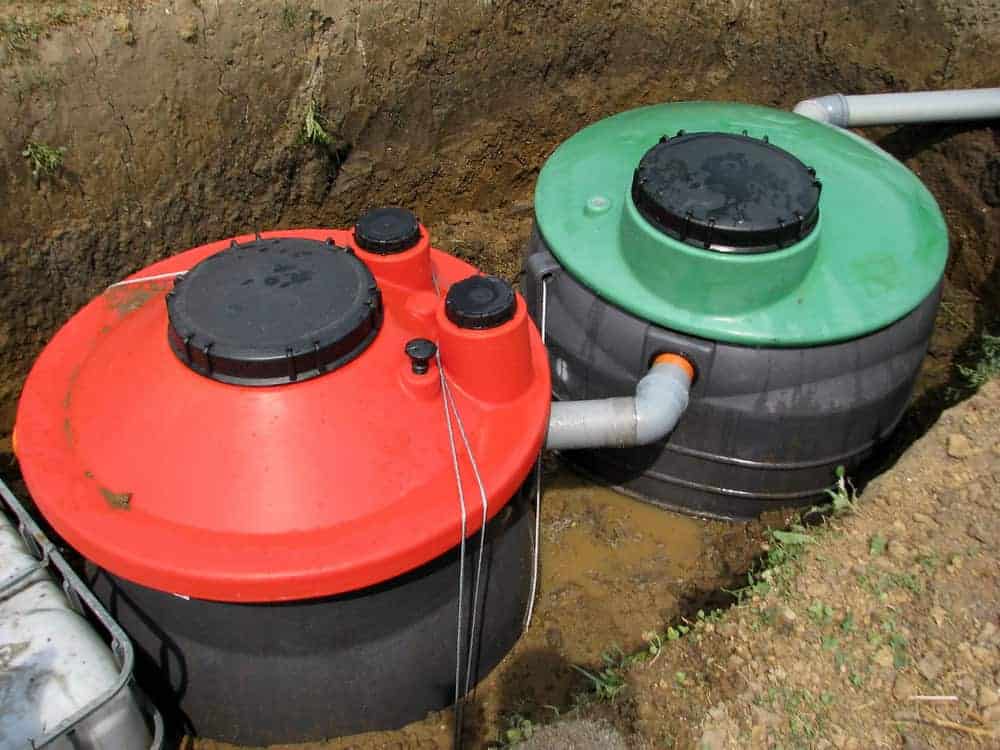
A cesspool is a single perforated pit that receives all household waste directly. It relies on the surrounding soil to absorb liquids while solids accumulate at the bottom. A septic tank, by contrast, separates solids from liquids in a tank before allowing the effluent to flow into a drain field. Septic tanks are more efficient and require less frequent service — typically every two to three years. Cesspools, because they don’t separate waste as effectively, need pumping every one to two years under normal household use.
The pumping cost per service is similar for both systems. The difference is that cesspool owners are scheduling service more often, which means higher total annual costs over time. And since Suffolk County banned cesspool-only replacements in July 2019, a failing cesspool can’t simply be swapped for a new one — it has to be replaced with a modern septic system, often one that meets the county’s nitrogen-reducing technology requirements.
Many Long Island homeowners who bought an older home aren’t sure which system they have. If that’s your situation, a service visit is the fastest way to find out. We can identify your system type, check its current condition, and give you a clear picture of what maintenance looks like going forward — without pressure to do more than the system actually needs.
Average Cost to Pump a Septic System — and How to Make Sure You're Getting a Fair Price
The honest summary: septic tank pumping in Suffolk County typically costs $300 to $600 for a standard residential job, with the final number depending on tank size, access, sludge accumulation, and whether disposal fees are included in the quote. Emergency service, difficult access, or a system that hasn’t been touched in years can push that number higher — sometimes significantly.
The best protection against an inflated bill is a simple one: ask for the full price before the truck arrives, and ask specifically whether disposal fees are included. A company that won’t give you a complete quote upfront is telling you something worth knowing before you hire them.
At Antorino & Sons, we quote your full price before we start, and we charge what we quote — no surprise line items when the job is done. We’re based in Huntington and serve homeowners throughout Suffolk County, with 24/7 availability for emergencies and flexible scheduling for routine service. If you’re ready to get a real number for your specific system, give us a call.