
Summary:
Most Long Island sellers don’t think about their cesspool until someone else forces them to. Then the buyer’s attorney sends a documentation request, the lender flags the file, and suddenly you’re scrambling to find a licensed contractor with a closing date already on the calendar. It doesn’t have to go that way.
A cesspool inspection before you list isn’t just a box to check — it’s one of the few things that keeps you in control of your own sale. Here’s what you need to know before you put the sign in the yard.
What Is a Cesspool Inspection Report and Who Actually Needs It?
When sellers ask about cesspool inspection for a home sale, they usually assume it’s a single requirement from a single party. It’s not.
Three separate gatekeepers will want documentation before your transaction closes: your buyer’s mortgage lender, the real estate attorneys involved in the transfer, and the Suffolk County Department of Health Services (or Nassau County’s equivalent requirements, depending on where your property sits).
Each one has its own reason for asking. The lender needs confirmation the system is functional and compliant before they’ll approve financing. The attorneys — and remember, New York State requires attorneys on both sides of a real estate transaction — need documentation as part of the title and transfer review. And the county has environmental and public health standards tied directly to Long Island’s sole-source aquifer, the only drinking water supply for roughly three million residents.
That’s not bureaucratic boilerplate. It’s the reason Nassau and Suffolk County cesspool rules are stricter than almost anywhere else in the country.
A proper cesspool inspection report includes the system’s location, current condition, waste levels, flow testing results, video inspection of the distribution lines, and written documentation of whether the system meets current compliance standards. Preliminary findings are typically available the same day; a complete written report should be ready within 24 hours. That report needs to be formatted to satisfy all three gatekeepers — not just whichever one asked first.

Cesspool Inspection Checklist: What Sellers Should Do Before They List
Sellers often ask what they’re supposed to do to prepare. The honest answer is: less than you’d think, but the timing matters more than most people realize.
Before the inspection, pull together whatever maintenance records you have. Any documentation showing the cesspool has been pumped by a licensed contractor is valuable — Suffolk County specifically requires pumping records for property transfers, and a gap in service history raises immediate questions for buyers and their attorneys. If you don’t have records, don’t panic. The inspection report itself will document current system condition thoroughly.
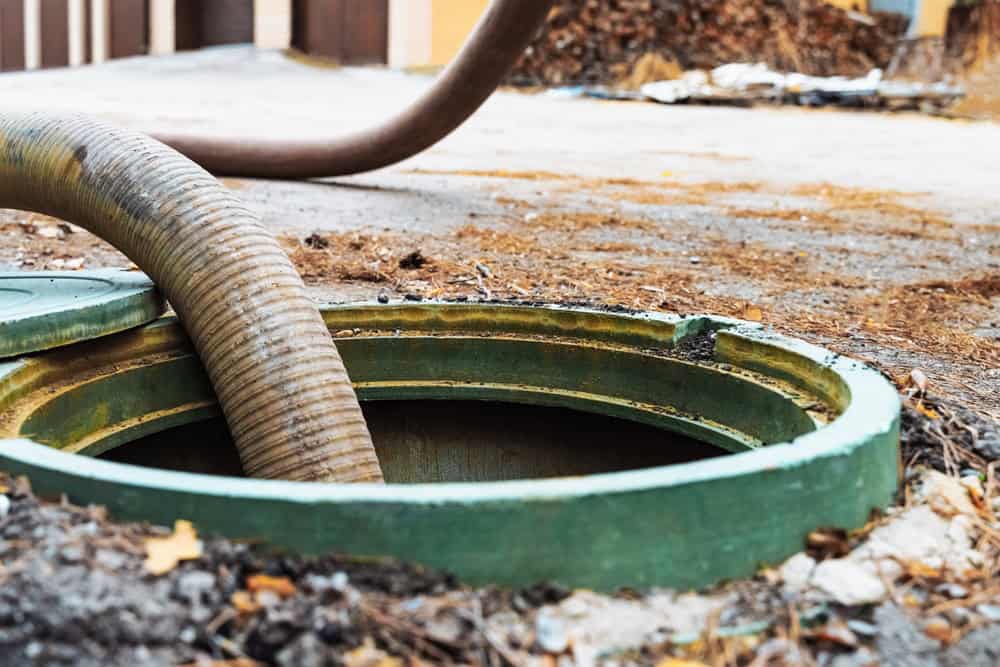
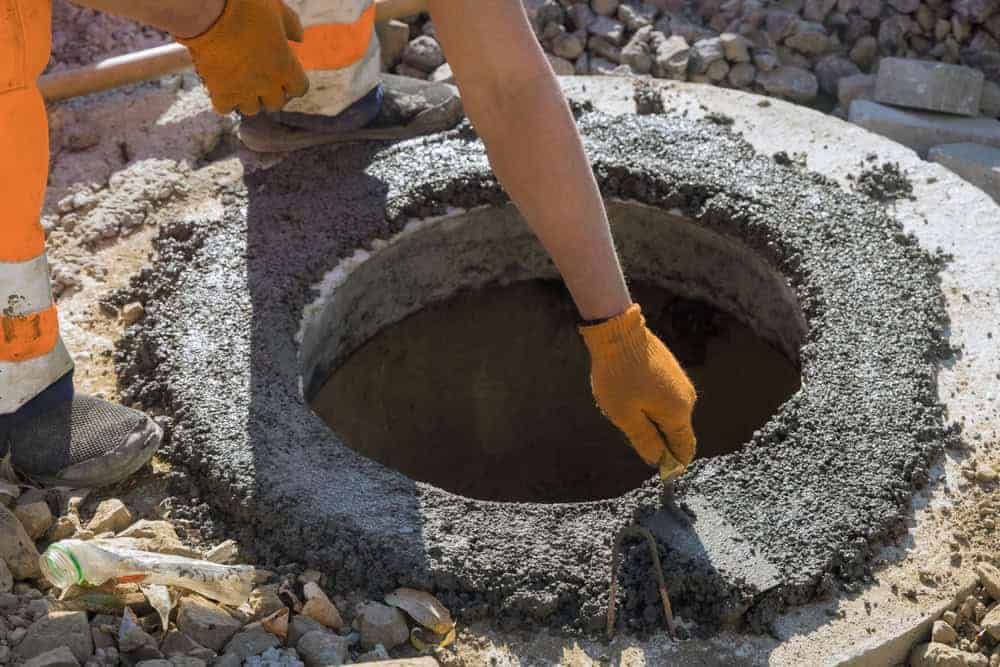
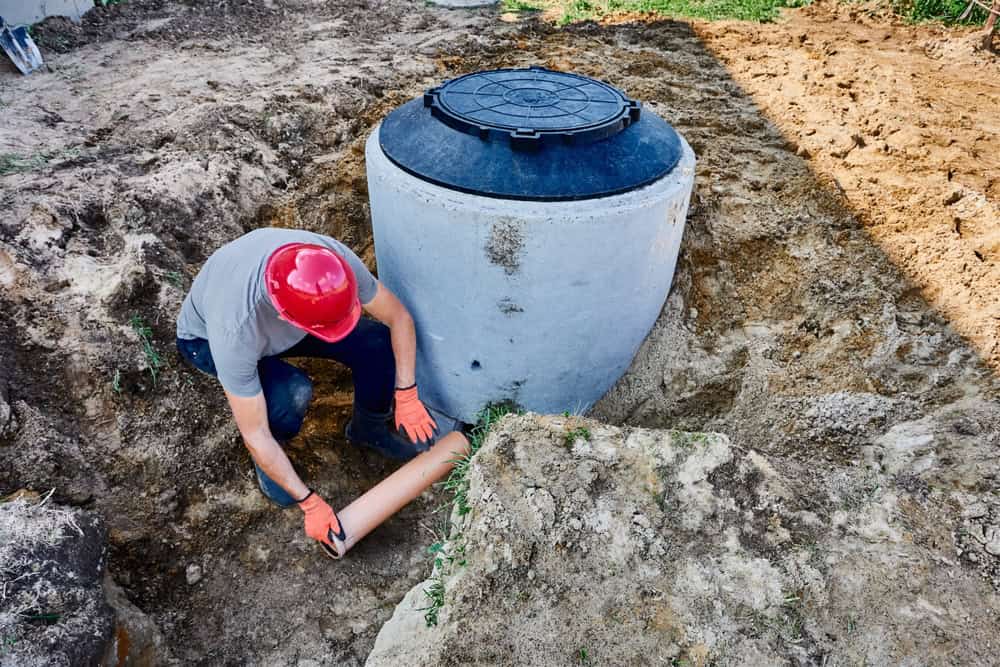
During the inspection, a licensed contractor will locate and access the cesspool (some covers sit several feet underground), measure liquid levels, check structural condition, run flow tests, and perform a video inspection of the distribution lines. The process typically takes one to two hours depending on system size and accessibility. You don’t need to be present, but being available to answer questions about the system’s history can be useful.
After the inspection, you’ll have a written report that either confirms the system is in good standing or identifies issues that need to be addressed. This is the moment most sellers dread — but it’s also the moment that separates sellers who control their transaction from sellers who don’t. If there’s a problem, you now know about it before any buyer does. You can get it repaired, price it in, or make an informed decision about next steps.
That’s a very different position than finding out the same information during the buyer’s due diligence period, when the buyer’s attorney is the one holding the report.
One thing worth understanding: passing a cesspool inspection doesn’t just mean the system is working. It means it meets current compliance standards — adequate capacity, proper setback distances from wells and water bodies, no structural damage, and no infiltration issues. A cesspool that has never backed up in your basement can still fail on compliance grounds.
What Happens If the Cesspool Fails Inspection Before You List?
This is the question sellers avoid asking because they’re afraid of the answer. But the answer is almost always better when you find out early.
If an inspection reveals a problem before you list, you have options. Minor issues — a damaged baffle, a distribution line that needs clearing — are typically straightforward repairs. More significant structural problems may require more extensive work.
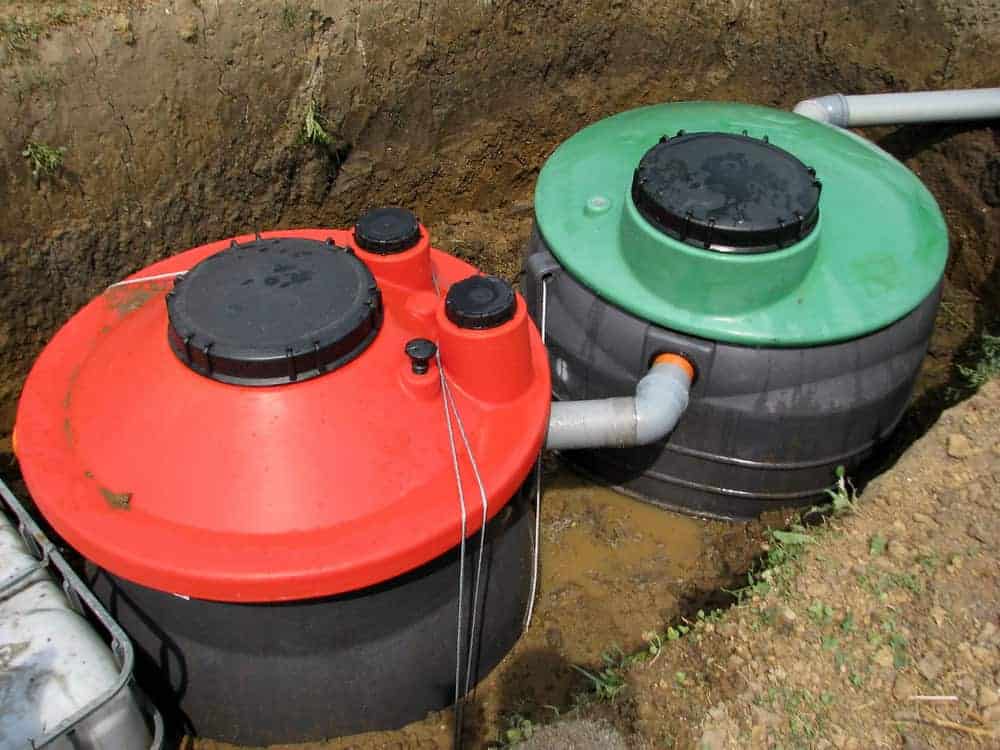
And in Suffolk County, there’s a regulatory reality that’s been in place since 2019 that every seller with an older home needs to understand: if a cesspool fails and needs to be replaced, it cannot be replaced with another cesspool. Suffolk County banned new cesspool installations in 2019. A failing system must be upgraded to an Innovative/Alternative Onsite Wastewater Treatment System, known as an I/A OWTS.
That changes the cost calculation significantly. But it also opens a door many sellers don’t know about: the Suffolk County Septic Improvement Program (SCIP) offers grant funding for homeowners who need to upgrade to an I/A OWTS system. If you discover a failing cesspool before you list, you have time to apply for that funding, plan the upgrade on your own schedule, and potentially market the improved system as a selling point.
That’s a very different scenario than discovering the same problem during buyer due diligence, when the timeline is compressed and the buyer’s attorney is the one setting the terms.
Even in cases where the repair is significant, a failed pre-listing inspection rarely kills a sale. Escrow arrangements — where closing proceeds but funds are held to ensure completion of required work — are a recognized option in Long Island real estate transactions. But those arrangements require lender agreement and add complexity. The earlier you know, the more options you have.
Cesspool Inspection Near Me: Why Local Knowledge Matters on Long Island
Long Island’s cesspool regulations are not generic. They’re shaped by the island’s specific geology, its dependence on a single underground aquifer, and decades of environmental policy responses to that dependence.
A contractor who does cesspool work in other parts of New York State but doesn’t know Nassau and Suffolk County requirements inside and out is not the right call for a real estate transaction. The report needs to be accepted by your buyer’s lender, your real estate attorney, and the county. That means the contractor producing it needs to be licensed, needs to understand what each of those parties requires, and needs to produce documentation in a format that holds up.
We’ve been doing this work on Long Island since 1980. That means we’ve seen how the regulations have evolved, we know what Suffolk County and Nassau County actually require for property transfers, and we know how to produce documentation that doesn’t come back with questions from an attorney or a lender.
How Long Does a Cesspool Inspection Take for a Home Sale?
This is one of the most common questions we hear from sellers who are already under contract or close to listing, and the timeline is more manageable than most people expect.
The on-site inspection itself takes one to two hours, depending on the size of the system and how accessible the covers are. Some cesspool covers sit several feet underground, which adds time for locating and accessing the system safely. Once the inspection is complete, preliminary findings are available the same day. A full written report — the kind that satisfies a mortgage lender, a real estate attorney, and county documentation requirements — is ready within 24 hours.
Compare that to what happens when a problem surfaces during buyer due diligence. A buyer’s inspector flags a concern, the buyer’s attorney requests documentation, you scramble to find a licensed contractor who can respond quickly, the contractor schedules the inspection, the report takes a few days, the report identifies a problem, and now you’re negotiating a price reduction or a repair credit under deadline pressure with a buyer who has leverage. The whole sequence can run two to three weeks or longer — long enough to push a closing date, long enough to give a nervous buyer a reason to walk.
A pre-listing inspection means you find problems on your schedule, not the buyer’s. For sellers on Long Island who are already dealing with the complexity of the 2019 cesspool replacement ban, the county documentation requirements, and the lender’s checklist, that timing advantage is genuinely significant.
Do I Need a Cesspool Inspection to Sell My House on Long Island?
Technically, the requirement comes at you from multiple directions at once, and the practical answer is yes.
Suffolk County requires documentation for real estate transactions involving a cesspool or septic system. Mortgage lenders — and the vast majority of Long Island home sales involve financing — won’t approve the loan without it. Real estate attorneys on both sides of the transaction will ask for it during the title and transfer review. Even insurance companies are increasingly requiring cesspool inspection documentation for liability coverage on older properties.
Missing documentation at any one of those checkpoints creates friction that slows or stops a closing. Some sellers assume that disclosing the cesspool’s age and general condition is enough to satisfy these requirements. It isn’t. Disclosure is a legal obligation, but it doesn’t replace a licensed contractor’s inspection report.
The county, the lender, and the attorneys need documentation from a licensed professional who has physically inspected the system and can certify its current condition and compliance status.
The homes most likely to face complications are the ones built during Long Island’s postwar suburban expansion — the 1950s, 1960s, and 1970s. Those systems are now 50 to 70 years old, well past the typical design life of 25 to 40 years. If your home falls into that vintage, the question isn’t really whether to get an inspection. It’s whether to get it before listing, when you have time to respond, or during buyer due diligence, when you don’t.
Getting a Cesspool Inspection Before You Sell Is the Simpler Path
The goal here isn’t to scare you — it’s to make sure you’re not the seller who finds out about a cesspool problem at the worst possible moment. Most Long Island home sales involving a cesspool go through without major complications.
But the ones that don’t tend to follow a predictable pattern: the seller skipped the pre-listing inspection, a problem surfaced during buyer due diligence, and suddenly the buyer holds all the leverage.
A pre-listing cesspool inspection takes a couple of hours. The written report is ready the next day. If everything checks out, you have documentation ready for the lender, the attorneys, and the county before anyone asks for it. If something needs attention, you have time to handle it on your terms. Either way, you’re in a better position than if you’d waited.
If you’re preparing to list a home on Long Island and you want to get the inspection done right — documentation that satisfies the county, the lender, and the attorneys — Antorino & Sons is ready to help. Give us a call or request a free quote online.