Summary:
If you live in Huntington and you’re searching for cesspool service, chances are something prompted it — a slow drain, a smell outside, a neighbor who just had work done, or a real estate transaction that suddenly made your service records matter. Whatever brought you here, you’re asking the right question at the right time. This guide covers what’s specific to Huntington: the housing stock, the local regulations, what happens during a service visit, and what you should actually expect from any licensed company you call.
Why Huntington Homeowners Deal With Cesspool Issues More Than They Expect
Huntington’s suburban neighborhoods were largely built out between 1945 and 1975. That postwar boom produced the ranch homes, split-levels, and Cape Cods that define communities from Huntington Station to Cold Spring Harbor to Greenlawn — and nearly all of them were built with cesspool systems that were standard at the time.
Those systems are now 50 to 70 years old. Some have been serviced regularly. Many haven’t. Unlike a furnace or a roof, a cesspool doesn’t give you obvious warnings until it’s already under serious stress. Regular cesspool maintenance can help identify developing problems before they become major system failures.
By the time you notice slow drains or a faint odor near the yard, the system has usually been struggling for a while. Huntington’s proximity to water — Huntington Harbor, Centerport Harbor, Cold Spring Harbor, Lloyd Harbor — means cesspools here face more pressure than most homeowners realize. High water tables, especially after heavy rainfall, can overwhelm older systems quickly.
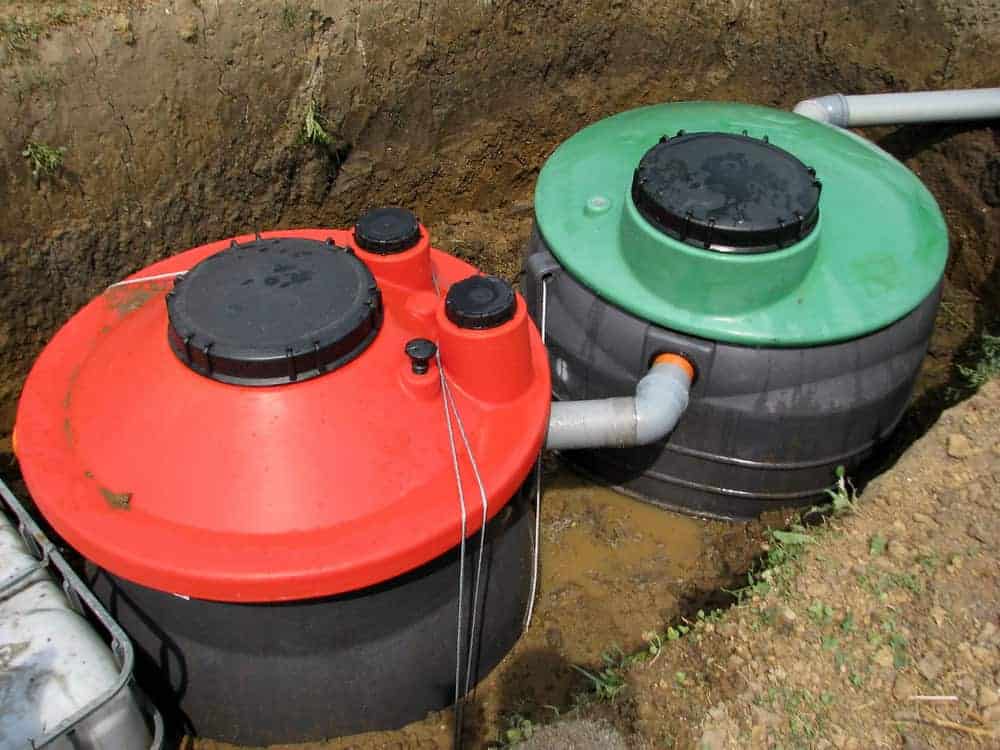
What Cesspool Pumping Near Me Actually Involves — Step by Step
Most homeowners have never watched a cesspool service happen, which means they don’t know what they’re paying for or whether the job was done right. Here’s what a legitimate, licensed service visit looks like.
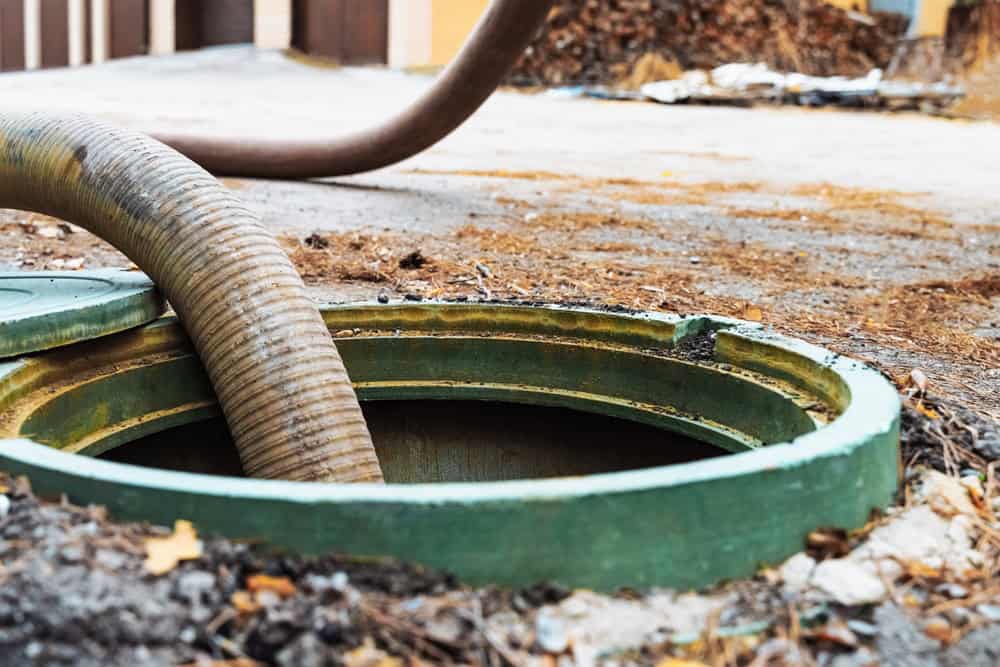
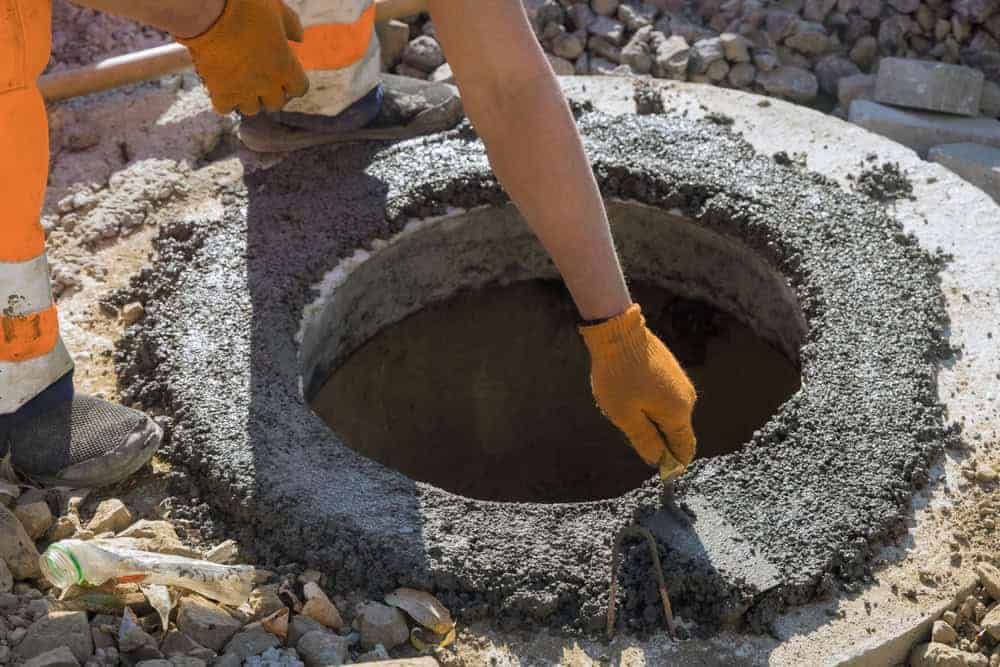
The technician arrives and locates the cesspool access point. In older Huntington homes, this isn’t always obvious — there may be no riser, no visible lid, and no record of where the system is buried. A good technician will locate it systematically without tearing up your yard unnecessarily.
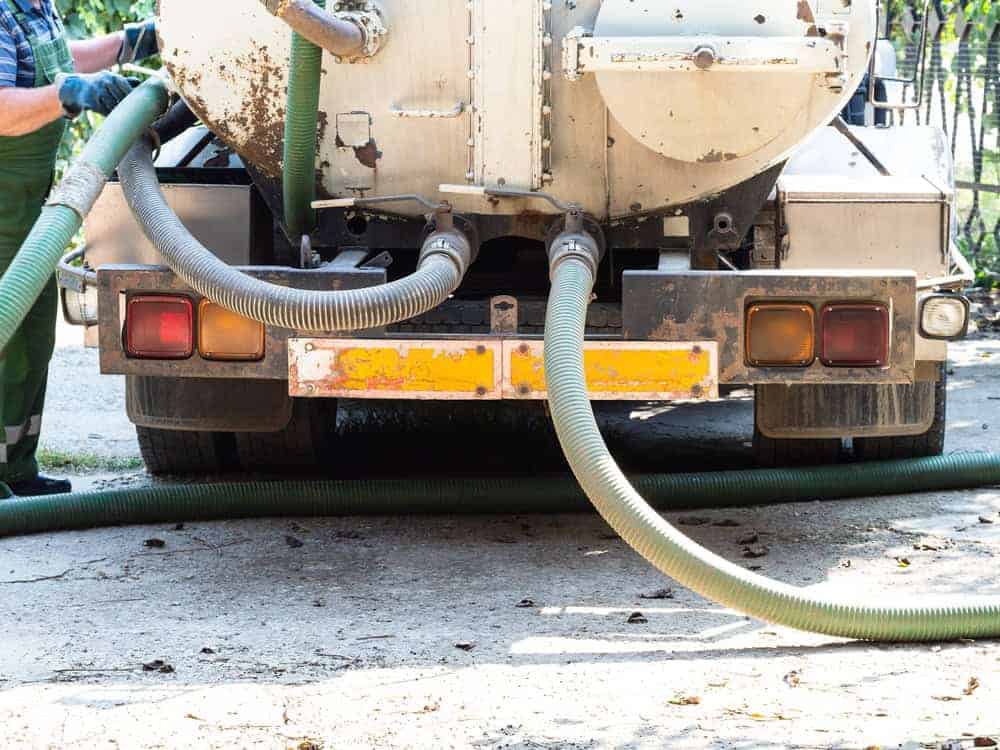
Once access is established, the technician measures sludge and scum levels before pumping begins. This tells you whether the system is overdue, on schedule, or showing signs of a larger problem. The pumping itself removes the accumulated solid waste, and a thorough technician will inspect the walls of the cesspool for cracks, check the inlet and outlet for blockages, and assess the overall condition of the system while they’re in there.
After the work is done, you should receive written documentation — not just a receipt, but a record showing the volume of waste removed, where it was disposed of, and the condition of the system at the time of service. This matters more than most homeowners know. Suffolk County requires cesspool pumping records for property transfers and renovation permits.
The whole process, for a routine pumping on a single-family home, typically takes one to two hours. If the technician finds something that needs further attention — a crack, a clog, a failing leaching field — they should show you what they found and explain your options clearly before any additional work is discussed.
Warning Signs Huntington Homeowners Report Before Calling for Service
The most common first signal is slow drains — not just one fixture, but multiple. When your kitchen sink, bathroom sink, and shower are all draining sluggishly at the same time, the problem is almost certainly downstream of your plumbing, not in it. That points to the cesspool.
A sewage odor near the yard is the second major signal. If you catch a smell outside near where you think the system is buried — or near a low-lying area of your lawn — that’s the system telling you it’s full or failing to contain what it should. Don’t wait on this one.
Wet or unusually green patches of grass over the cesspool area are another indicator. When a cesspool is overwhelmed, effluent rises toward the surface. The grass above it often looks lush and green in an otherwise dry yard, or soggy after weather that shouldn’t have left standing water.
Gurgling sounds from your drains or toilets — especially after flushing — point to a pressurized system that’s running out of room. This is particularly worth paying attention to if you’ve also noticed slow drains.
For Huntington homeowners near the water, these symptoms can appear faster than expected after heavy rain. When the water table rises around Huntington Harbor or Centerport Harbor, older cesspools in low-lying areas can become temporarily overwhelmed even if they were functioning fine the week before. If you’ve noticed a pattern where your drains slow down or odors appear after significant rainfall, your system may need more frequent service than the standard schedule suggests.
Don’t wait for a backup into the house. By that point, the cost and the disruption are significantly higher than they would have been if you’d called when the early signs appeared.
Finding a Local Cesspool Service Company Near You That's Actually Licensed
Suffolk County has stricter septic regulations than anywhere else in New York State. This is a function of the county’s sole-source aquifer, its coastal water bodies, and decades of documented nitrogen pollution from aging residential systems. What it means practically is that not everyone who shows up with a pump truck is legally authorized to work on your system.
In Suffolk County, cesspool contractors are required to hold an active Liquid Waste License issued through the county’s Department of Labor, Licensing, and Consumer Affairs. They’re also required to report all pumping activity to the Suffolk County Department of Health Services and dispose of waste only at SCDHS-approved facilities. When you hire someone who isn’t licensed, you don’t just risk a bad job — you risk documentation that won’t hold up when you need it.

How to Vet a Cesspool Company Before You Book
The easiest way to vet a cesspool company is to ask for their Suffolk County Liquid Waste License number before you schedule anything. A legitimate company will give it to you immediately. If there’s hesitation, or if they can’t produce it, that’s your answer.
Beyond licensing, look for a company that provides written documentation after every service visit. This isn’t just good practice — it’s what you’ll need if you ever sell your home or apply for a renovation permit in Suffolk County. Ask directly: “What documentation will I receive after the job?”
Transparent pricing matters too. A company that commits to upfront pricing — and puts it in writing before work begins — is telling you something about how they operate. The price you’re quoted should be the price you pay.
It’s also worth reading reviews carefully, not just for star ratings but for specifics. Did the technician show up on time? Did they explain what they found? Did they recommend work that turned out to be unnecessary, or did they scope the problem first and find a less invasive solution? Those details tell you more than a five-star average.
You should leave a service visit feeling informed, not confused or uneasy.
What Huntington Homeowners Should Know About Cesspool Regulations and Grant Funding
If your cesspool is aging or failing, you may have more options — and more financial support — than you realize. Suffolk County banned new cesspool installations effective July 1, 2019. That means if your system needs full replacement, it will need to meet current standards. For most properties, that means at minimum a conventional septic system; for new construction or major renovations, Suffolk County now requires an Innovative and Alternative Onsite Wastewater Treatment System, commonly called an I/A OWTS.
These nitrogen-reducing systems are more effective at protecting groundwater, but they also cost more upfront. That’s where the grant programs come in. The Town of Huntington, in partnership with the Suffolk County Department of Health Services, offers grant funding toward the purchase and installation of an SCDHS-approved I/A OWTS system. Information on the program is available directly through the Town of Huntington’s website.
The SCDHS Septic Improvement Program extends this further, offering qualifying homeowners reimbursement of eligible costs. If you’re near one of Huntington’s protected water bodies, or in an area the county has flagged for nitrogen sensitivity, you may be a strong candidate for this funding.
Most homeowners don’t find out about these programs until they’re already mid-project. Knowing they exist before you’re in crisis mode gives you time to apply, plan, and make a more informed decision about whether repair, pumping, or full replacement makes the most sense for your property.
We’re familiar with these requirements and can walk you through what applies to your specific situation. We understand the local SCDHS documentation standards, and we can help you understand what your options are before you commit to anything.
Ready to Book Cesspool Service in Huntington? Here's What to Do Next
If you’ve been putting off cesspool service, the most useful thing this page can leave you with is this: the cost of waiting is almost always higher than the cost of acting. A routine pumping is straightforward. A backed-up system, a failed leaching field, or a real estate transaction derailed by missing documentation — those are the scenarios that become expensive and stressful.
Huntington’s housing stock, its proximity to water, and Suffolk County’s documentation requirements make local knowledge genuinely matter here. Not every company serving Long Island understands how those factors interact, or what documentation you’ll actually need down the road.
Antorino & Sons serves Huntington and the surrounding communities — Huntington Station, Cold Spring Harbor, Centerport, Northport, Greenlawn, Lloyd Harbor, and beyond. We’re licensed, we provide written documentation after every visit, and we’ll tell you what we find without pushing work you don’t need. Call us at 631-250-6829 or request a free quote online, and we’ll get back to you within 24 to 48 hours.