
Summary:
A contractor just walked your property, spent twenty minutes poking around, and handed you a quote for a full cesspool replacement. It’s somewhere between $15,000 and $25,000. Maybe more. And now you’re sitting there wondering — do I actually need this, or is there another option?
That question is more common than you’d think. And the honest answer is: sometimes you do need a full replacement. But a lot of the time, you don’t. The problem is knowing which situation you’re in — and finding a contractor who’ll tell you the truth either way. Here’s what you need to know before you make that call.
Cesspool Repair Cost: What You're Actually Looking At
Most cesspool problems that look catastrophic from the outside are actually isolated failures — a cracked baffle, a collapsed inlet pipe, a damaged cover. These are real problems that need to be fixed, but they don’t require tearing out your entire system.
Baffle replacement, which is one of the most common cesspool repairs, typically runs between $200 and $900 depending on how accessible the system is. Cover or lid replacement — often needed after a Long Island winter cracks the concrete — generally falls between $150 and $500. Pipe repair for a collapsed inlet or outlet line can range from $500 to $3,000 depending on how much pipe needs to be replaced and how deep the excavation goes.
The point is that cesspool repair cost varies widely based on what’s actually broken, not how bad things look on the surface. A slow drain or a backed-up toilet doesn’t automatically mean your whole system is done.
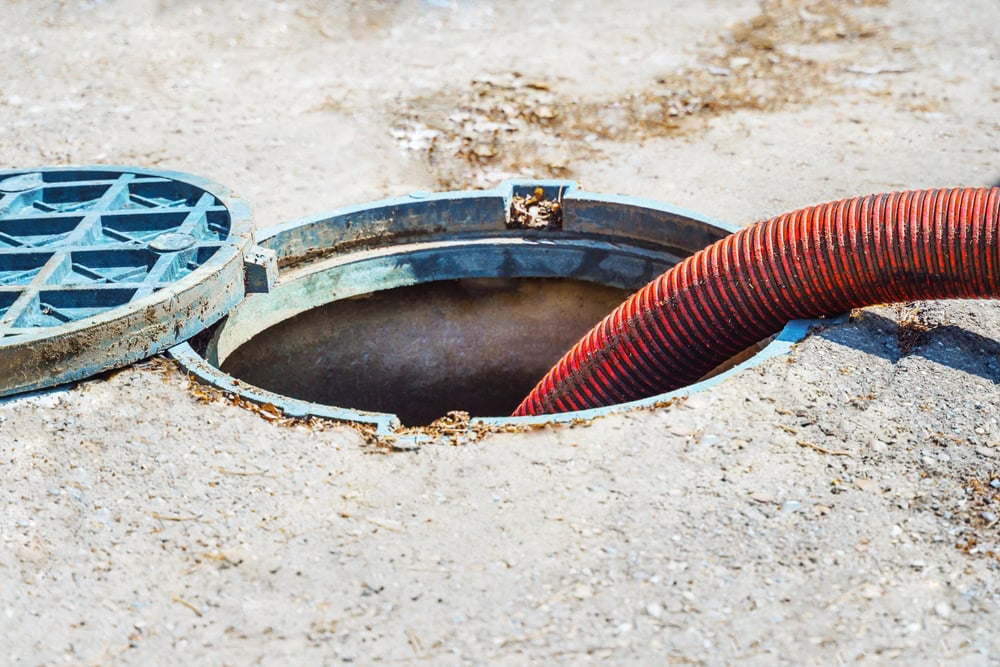
What's Fixable and What Isn't
There are a handful of problems that come up again and again on Long Island systems, and most of them are legitimately repairable. A failed baffle is a good example. The baffle is the component that keeps solid waste from clogging your inlet and outlet pipes — when it breaks, you’ll notice slow drains, gurgling sounds, and sometimes sewage odors near the system. It sounds alarming. It’s usually a straightforward fix.
Collapsed inlet or outlet pipes are another common one. Tree roots, ground settling, and the simple age of a system can crack or shift the pipes that connect your home to the cesspool. If it’s a localized section of pipe, repair is almost always the right call. If the pipe has failed across a longer run or the damage extends into the leaching structure, the math starts to shift.
Partial leaching field issues are worth mentioning here because most homeowners don’t realize they’re fixable at all. If one section of your leaching field has become saturated or compacted, targeted restoration work can sometimes bring it back without replacing the entire field. It’s not always possible, but it’s worth asking about — and most contractors won’t bring it up unless you do.
What genuinely requires replacement is a different situation altogether: a system that has structurally collapsed, a leaching field that has failed completely across its entire footprint, or a system that is 40 or more years old and showing multiple simultaneous failure points. A well-maintained cesspool on Long Island lasts 30 to 40 years. If yours is pushing past that and falling apart in several places at once, repair costs will stack up faster than the system can justify.
The key distinction is this — a single failed component in an otherwise sound system is a repair. Multiple failed components in an aging system is a replacement conversation. Those are two very different situations, and a contractor who treats them the same way isn’t doing you any favors.
Red Flags That a Contractor Is Pushing Replacement You Don't Need
The most important thing to understand is that replacement is a bigger job. That’s not an accusation — it’s just math. A $20,000 replacement generates more revenue than a $600 baffle repair. Most contractors are honest. But some aren’t, and the ones who aren’t tend to follow a predictable pattern.
Watch for a contractor who gives you a verbal estimate and won’t put anything in writing. Watch for someone who diagnoses a full system failure without using any equipment to actually locate and inspect the system. Watch for a quote that comes in 25 to 30 percent below every other estimate — that usually means they’ve missed scope, plan to use substandard materials, or will hit you with change orders once the work starts.
The right questions to ask are simple. What specifically is failing? Can you show me the damage? Is repair a viable option for this problem, and if not, why not? What does the written estimate include — pumping, disposal, inspection, cleanup? A contractor who gets defensive or vague when you ask these questions is telling you something.
One more thing worth knowing: if you’ve already had one contractor recommend replacement, getting a second opinion before you commit is not rude or unreasonable. It’s standard practice for any job over a few thousand dollars. A company that’s confident in their diagnosis will welcome the comparison. We’ve had customers come to us after being quoted for full replacements, and in more than a few cases, a targeted repair was the right answer — and it saved them a significant amount of money.
Septic Tank Replacement Cost on Long Island: Why the Numbers Are Higher Than You Think
If your system does need to be replaced, the cost picture on Long Island is different from what you’ll find on national cost guides — and it’s been different since July 1, 2019.
That’s when Suffolk County banned the installation of new cesspools entirely. The reason is environmental: cesspools discharge roughly 40 pounds of nitrogen per year directly into the ground with no treatment, and Suffolk County sits on a sole-source aquifer. Every drop of drinking water on Long Island comes from underground. The nitrogen loading from decades of cesspools has contributed to algal blooms, fish kills, and beach closures across the Island — and the county drew a hard line.
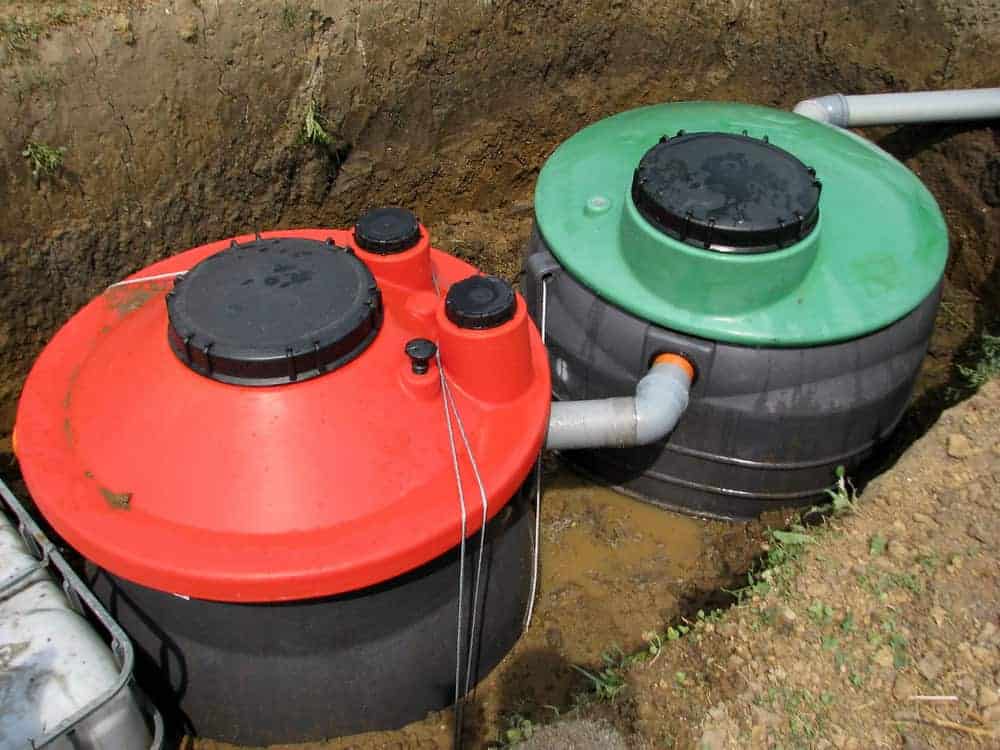
What that means for you practically is this: if your cesspool fails completely and needs to be replaced, you are no longer replacing a cesspool with a cesspool. You are upgrading to a full septic system. That changes the cost conversation significantly.
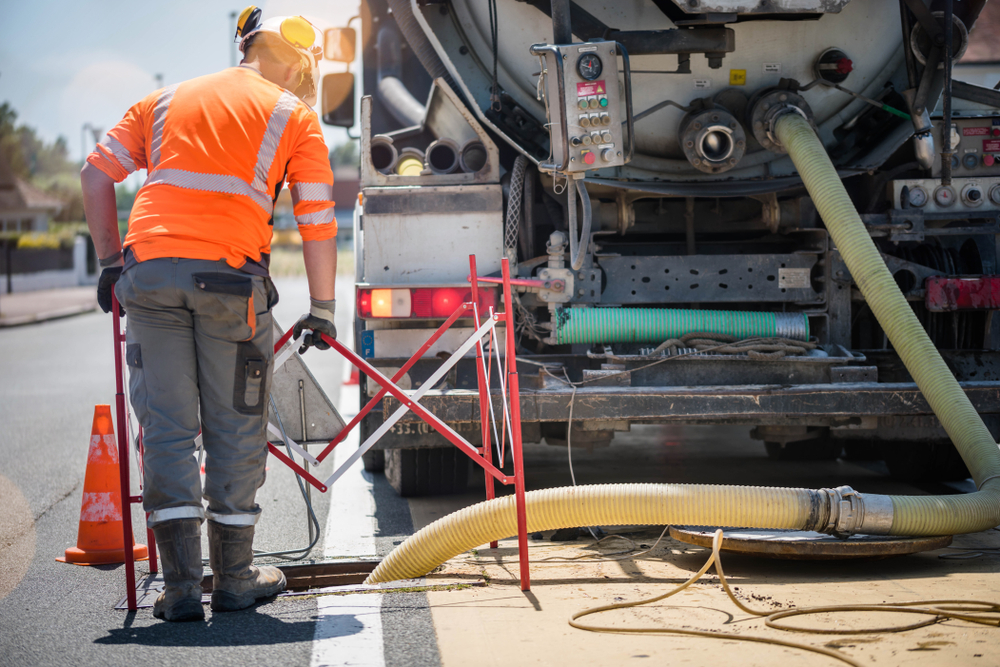
Cesspool Replacement Cost in Suffolk County After the 2019 Ban
A conventional septic system conversion — tank plus leaching structure — on Long Island typically falls between $10,000 and $25,000. That’s for a standard system that meets current minimum requirements under Article 6 of the Suffolk County Sanitary Code.
If your property requires an innovative or alternative (I/A) system — the nitrogen-reducing technology that Suffolk County has been pushing through its 2025 mandate — costs typically run between $15,000 and $25,000 before any rebates or grants. The Suffolk County Septic Improvement Program, part of the “Reclaim Our Water” initiative, offers rebates of up to $30,000 for qualifying I/A system installations. In some cases, that covers the entire cost. In others, it significantly reduces what comes out of your pocket. If you’re facing a replacement, it’s worth asking whether your property and system qualify — because a lot of homeowners don’t know this money exists.
For Nassau County homeowners, the SEPTIC grant program offers up to $20,000 for repair or replacement of failing systems with nitrogen-reducing alternatives. The funding structure is different from Suffolk’s, but the principle is the same: state and county money is available to offset what would otherwise be a very large out-of-pocket expense.
The full picture, once you factor in permits, excavation, the tank itself, and the leaching structure, means a Long Island replacement can realistically reach $20,000 to $40,000 depending on the size and complexity of the system. That’s why repair, when repair is legitimately viable, is worth exploring seriously before agreeing to anything else.
What Replacement Actually Costs in Nassau County vs. Suffolk County
Nassau and Suffolk Counties share a lot — aging housing stock, high water tables in coastal areas, and a large percentage of homes built in the 1950s through 1970s that were never connected to municipal sewer systems. But the regulatory environments are not identical, and that affects both cost and process.
In Suffolk County, the 2019 ban is the dominant factor. Any replacement triggers a full system upgrade, and depending on your location and lot size, you may be required to install a nitrogen-reducing I/A system rather than a conventional septic tank. The permitting process involves the Suffolk County Department of Health Services, and major repairs — not just replacements — often require permits and inspections. Missing a required permit can result in fines of $250 to $2,000 or more, which is a real risk when you hire a contractor who doesn’t know the local process.
In Nassau County, the regulatory framework is somewhat different, but the direction of travel is the same. New systems must meet current standards, and the push toward nitrogen-reducing technology is active here as well.
What this means practically is that the contractor you hire needs to know Long Island — not just cesspool work in general. The permit requirements, the health department processes, the soil conditions near the water table in places like Patchogue, Huntington, Hauppauge, and the Hamptons communities — these are not things you learn from a national franchise manual. They come from years of working in this specific market. We’ve been doing this work across Nassau and Suffolk since 1980, and the regulatory landscape has changed more in the last five years than in the previous four decades. That context matters when someone is advising you on a decision this size.
How to Make the Right Call on Cesspool Repair vs. Replacement
The honest answer to the repair-vs-replace question is that it depends on what’s actually broken, how old the system is, and whether repair addresses the root problem or just delays the inevitable. A failed baffle in a 15-year-old system is a repair. A structurally collapsed system in a 45-year-old home with saturated leaching fields is a replacement. Most situations fall somewhere between those two poles, and that’s where an accurate diagnosis — from someone using real equipment and giving you a written estimate — makes all the difference.
If you’ve already been quoted for a full replacement and you’re not sure whether to trust it, the most useful thing you can do is get a second opinion before you commit. Not because every contractor is dishonest, but because a decision in the $15,000 to $40,000 range deserves more than one set of eyes.
We’ve been working on Long Island cesspools and septic systems since 1980. We give written estimates before any work begins, we’ll tell you honestly whether repair is viable for your situation, and we’re available around the clock when things go sideways at the wrong time. If you want a straight answer on what’s actually going on with your system, give us a call.