Summary:
If you just bought a home in Suffolk County and found no service records for the cesspool, you’re not alone. A lot of Long Island homeowners are in the same position — they know they have some kind of underground wastewater system, they know it probably needs attention, and they have no idea where to start. This guide is written for exactly that situation. We’ll cover what a cesspool is, how to know when it needs service, what a professional inspection actually involves, and how to keep the system running without waiting for a backup to force your hand.
What Is a Cesspool — and Why Do So Many Long Island Homes Still Have One?
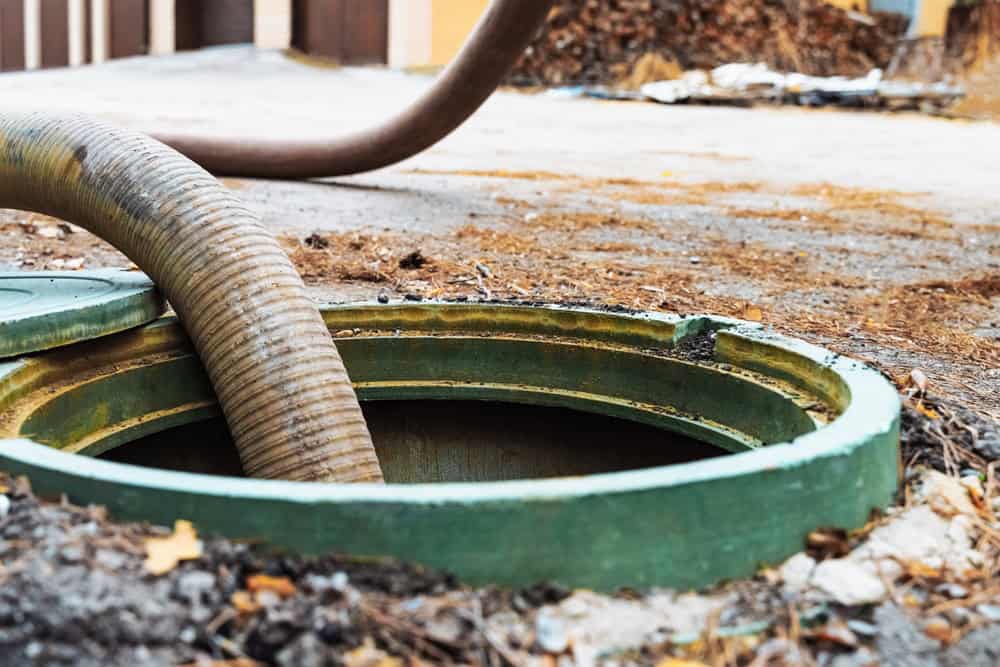
A cesspool is a buried concrete or block chamber that collects household wastewater. Liquid slowly seeps out through the walls and bottom into the surrounding soil, while solid waste settles at the bottom over time. It’s a simpler system than a modern septic tank, and it was the standard solution for residential construction across Long Island from the postwar building boom of the 1940s through the 1970s.
Roughly 75% of Suffolk County households still rely on cesspools or on-site wastewater systems because most of the county was never connected to a municipal sewer system. If you live in Smithtown, Bay Shore, Sayville, Stony Brook, or almost anywhere east of the Nassau County line, there’s a good chance your home has one. That’s not a problem in itself — but it does mean you’re responsible for maintaining it, and regular cesspool maintenance is essential to keeping the system functioning properly.
Cesspool vs. Septic System: What's the Actual Difference?
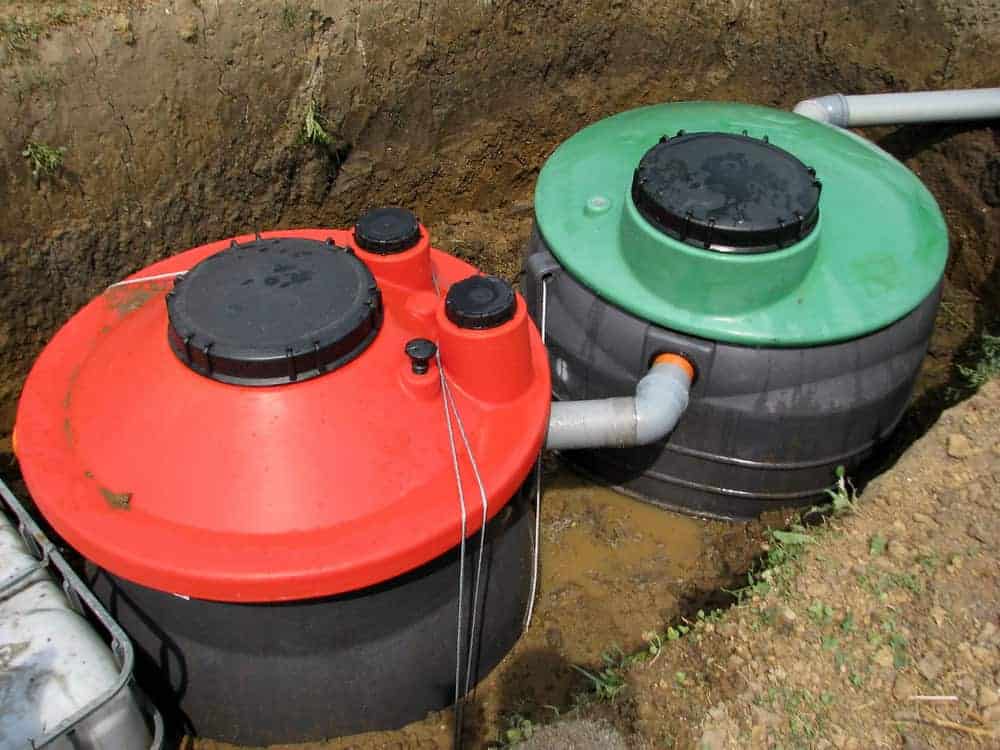
This question comes up constantly, and it matters because the two systems work differently and require different maintenance approaches. A cesspool is a single chamber with no filtration stage — wastewater goes in, liquid leaches out through the walls, and solids accumulate at the bottom until the system is pumped. A modern septic system, by contrast, uses a sealed tank that separates solids from liquids, then sends the liquid effluent to a separate leaching field for further treatment in the soil.
Septic systems generally last 25 to 40 years with proper care. Cesspools typically last 15 to 25 years — though we’ve seen well-maintained systems on Long Island outlast that range by a significant margin, and neglected ones fail well before it. The difference almost always comes down to how consistently the system was serviced.
This distinction matters in Suffolk County specifically because of the 2019 regulations under Article 6 of the Suffolk County Sanitary Code. The county banned new traditional cesspool installations, meaning any replacement system must now use an I/A OWTS — an Innovative/Alternative Onsite Wastewater Treatment System — designed to reduce nitrogen output by up to 70%. Long Island sits on a sole-source aquifer, meaning groundwater is the only drinking water source for the entire island. Nitrogen from aging cesspools is a documented threat to that supply, which is part of why the county has been tightening requirements. If you’re maintaining an older cesspool, you’re not just protecting your property — you’re operating under a regulatory framework that has real consequences for missed inspections and undocumented service.
If you genuinely don’t know which system you have, the easiest first step is to call us at Antorino & Sons. We can usually identify the system type quickly, pull any available county records, and tell you exactly what you’re working with before any service is scheduled.
How Often Does a Suffolk County Cesspool Actually Need to Be Pumped?
The advice you’ll find most places online — “every three to five years” — is a starting point, not an answer. The real number depends on your household size, the age of your system, and how the system is being used day to day.
If you live alone, a pump-out every three to four years is typically sufficient. A couple without children might stretch to three years comfortably. A family of four should be looking at service every one to two years. That’s not a sales pitch — it’s simple math. More people means more water usage, more solid waste, and a faster fill rate. A cesspool that was sized for a 1960s household of three is now serving a modern family that showers daily, runs multiple appliances, and uses far more water than the system was designed to handle.
There’s also a seasonal factor that’s specific to eastern Suffolk County. If you own a home in Southampton, Hampton Bays, Westhampton, or anywhere on the East End that sees heavy summer use — whether from guests, seasonal residents, or rental occupancy — your system can experience two to three times its normal load during those months. A cesspool that’s borderline full heading into July is a real problem by August. Scheduling a pump-out in the spring, before the surge hits, is one of the more practical things you can do as a Suffolk County homeowner.
Beyond frequency, there are household behaviors that accelerate how quickly a cesspool fills. Running a garbage disposal adds significant solid waste to the system. Doing multiple loads of laundry in a single day can flood the cesspool with more water than it can leach in time. Harsh chemical drain cleaners kill the bacteria that help break down waste inside the tank, making the system less efficient over time. None of this requires a dramatic lifestyle change — just a little awareness of how your daily habits interact with the system underground.
What a Professional Cesspool Inspection Actually Involves
Most homeowners have a vague sense that their cesspool should be “inspected” at some point, but very few know what that actually means in practice. Suffolk County requires cesspool systems to be inspected every three years, with reports submitted to the county. That’s a compliance floor — not a maintenance ceiling — but it does mean that skipping inspections isn’t just a personal risk, it’s a regulatory one.
A professional inspection isn’t just someone looking at the lid and nodding. A thorough assessment covers the physical condition of the tank structure, the inlet and outlet pipes, the access lid, the surrounding soil for signs of saturation or surfacing, and the actual sludge and scum levels inside the chamber. Those last two numbers matter because they tell you how much capacity is left and how soon the system will need to be pumped.
What Technicians Look for During a Cesspool Inspection
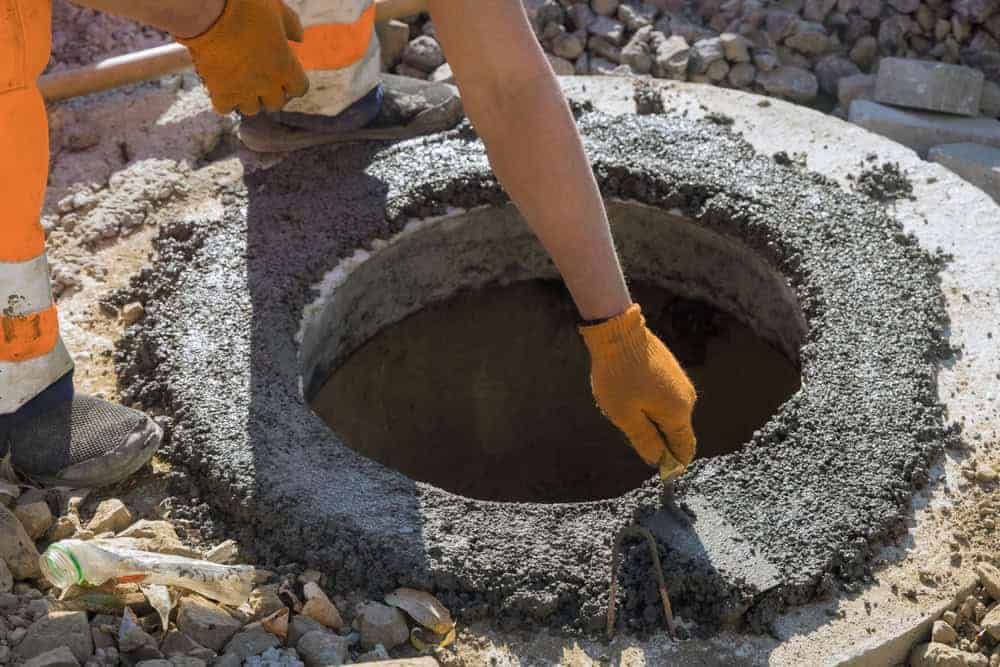
When we inspect a cesspool, we’re looking at several things simultaneously. The structural integrity of the tank itself — whether the concrete rings are cracked, shifted, or showing signs of deterioration — is the first priority. A structurally compromised cesspool can collapse, which is both a safety hazard and a very expensive repair.
We check the inlet pipe (where wastewater enters from the house) and the outlet or overflow connection (if present) for blockages, root intrusion, or pipe damage. We look at the access lid to confirm it’s intact and properly seated — a damaged lid is a safety risk, especially in homes with children or pets. We measure the liquid level inside the tank relative to the outlet pipe, and we assess the sludge layer at the bottom. When sludge reaches about one-third of the tank’s total capacity, it’s time to pump regardless of when the last service was.
We also look at the soil around and above the cesspool for signs of trouble. If the ground is consistently wet, has an odor, or shows unusual vegetation growth, that’s often a sign that the system is leaching improperly or has reached capacity. In sandy Suffolk County soil, problems can spread faster than homeowners expect once a system starts failing.
After a service visit, we always provide written documentation — waste volumes removed, disposal receipts, and a condition assessment. That paperwork matters more than most people realize. Suffolk County requires cesspool service records for property transfers and renovation permits. If you’re planning to sell your home and can’t produce service documentation, you may face delays or complications at closing. Keeping current on inspections and holding onto the records is one of the simplest ways to protect your home’s value.
Cesspool Cleaning vs. Pumping: Why the Difference Matters
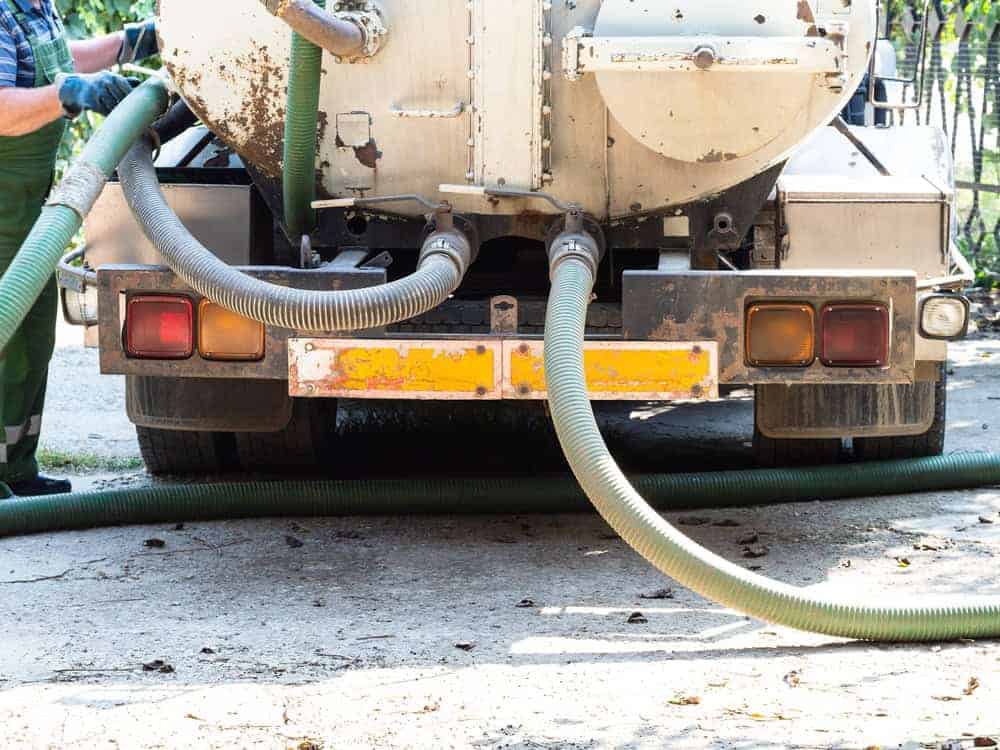
These two terms get used interchangeably, but they describe different services with different outcomes. Pumping removes the liquid waste and floating scum from the cesspool. It’s the more common service, and it’s what most people mean when they say they’re getting their cesspool “done.” Cleaning goes further — it removes the compacted sludge and biofilm that have built up on the walls and bottom of the tank, typically using high-pressure jetting combined with vacuum extraction.
If your cesspool has only ever been pumped and never cleaned, there’s likely a layer of hardened material inside the tank that’s reducing its effective capacity. The system may appear to be functioning normally while actually operating at a fraction of its intended volume. That’s one reason a cesspool that was pumped two years ago can back up unexpectedly — the available capacity was already compromised before the pump-out.
Cleaning is particularly important for older systems, which make up a significant share of cesspools across Suffolk County communities like Bay Shore, Center Moriches, and Stony Brook. A system installed in 1965 has had decades to accumulate buildup that routine pumping alone won’t address. Getting a proper cleaning done — especially if you’ve just bought an older home with no service history — gives you an accurate baseline for what the system can actually handle going forward.
Regular cleaning removes corrosive materials that deteriorate the tank’s concrete structure over time. Consistent maintenance has been shown to extend cesspool lifespan by 15 to 20 years compared to systems that are neglected or only serviced reactively. That’s a significant difference when you consider that a full cesspool replacement — now required to meet Suffolk County’s I/A OWTS standards — is a major expense. Routine service is the most cost-effective way to delay that conversation for as long as possible.
The Right Cesspool Maintenance Schedule Starts With Knowing What You Have
Cesspool maintenance on Long Island isn’t a one-size-fits-all situation. Your system’s age, your household size, your location in Suffolk County, and your service history all factor into what a realistic maintenance schedule looks like for your specific property.
The homeowners who avoid the big, expensive problems are the ones who knew when their system was last pumped, kept the records, and didn’t let three or four years slip by without a check-in. That’s not complicated — it just requires treating the cesspool like the critical home system it is.
If you’re not sure where your system stands, or if you’ve recently moved into a Suffolk County home with no service history, Antorino & Sons offers free estimates and can assess your system, explain exactly what it needs, and get you on a maintenance schedule that makes sense. We’re available around the clock for emergencies, but we’d much rather help you avoid one.