Summary:
You flushed the toilet and heard a gurgle come from the shower drain. Or maybe your sink has been making a low bubbling sound for a few days and you’re not sure if it’s worth worrying about. Either way, you’re here because something sounds off — and you want to know if it’s a quick fix or something bigger.
The good news is that the sound itself is actually useful information. The pattern of which drains are gurgling, when, and in response to what other fixtures tells you a lot about where the problem is coming from. This guide walks through each scenario clearly, so you can figure out what’s going on before it turns into an emergency.
What That Gurgling Sound From Your Drain Actually Is
Gurgling isn’t the water making noise — it’s air. When something disrupts the normal flow of wastewater through your pipes, air gets trapped. That trapped air has to go somewhere, so it pushes backward through the nearest water seal it can find, which is usually the water sitting in a P-trap under a sink or at the base of a toilet. That release of air through water is what produces the distinctive glug-glug sound.
A healthy drain system moves wastewater quickly and quietly. When everything is working right, you shouldn’t hear a thing. So when you do start hearing something, the drain is essentially signaling that airflow or water flow — or both — are being interrupted somewhere in the line.
Single Drain Gurgling vs. Multiple Drains Responding to Each Other
This is the most important distinction to understand, and it’s the one most online guides skip over entirely.
If one drain in your house is gurgling — say, the bathroom sink — and nothing else is affected, the problem is most likely local to that fixture. A partially blocked P-trap, a slow-developing clog just below the drain, or a blocked vent pipe serving that one fixture are the usual suspects. These are worth addressing, but they’re generally not urgent. A plunger, a drain snake, or a quick inspection of the vent stack can often resolve it.
The situation changes completely when multiple fixtures start responding to each other. If your toilet gurgles when you run the shower, or your sink bubbles when you flush the toilet, those two fixtures share a drain line somewhere further down the system. The gurgling you’re hearing isn’t coming from the fixture itself — it’s coming from a blockage or pressure problem that’s affecting both of them at once. Air displaced by one fixture has nowhere to go except backward through the other.
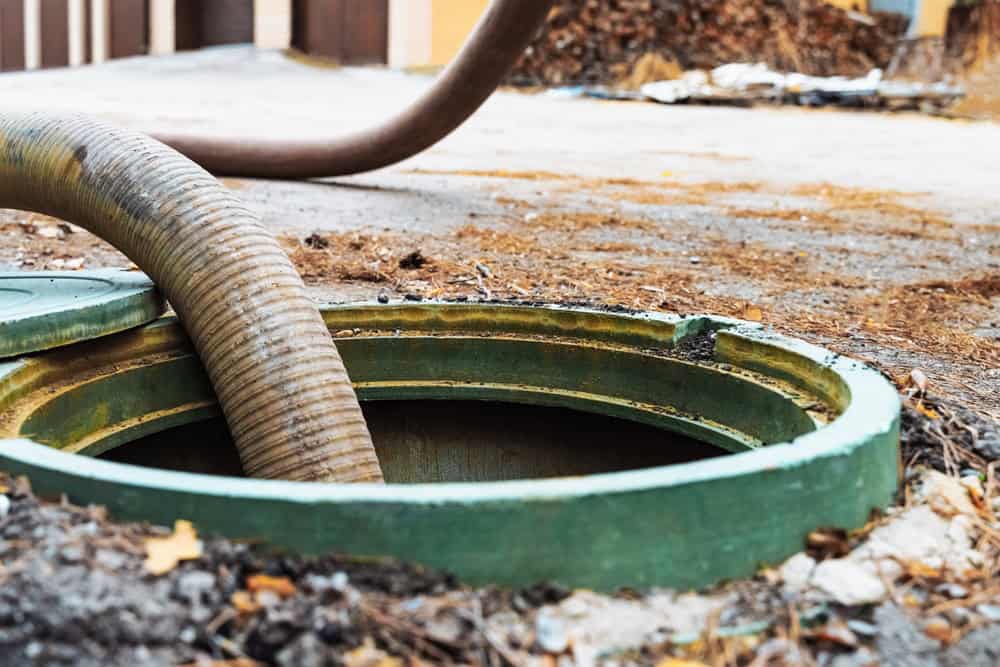
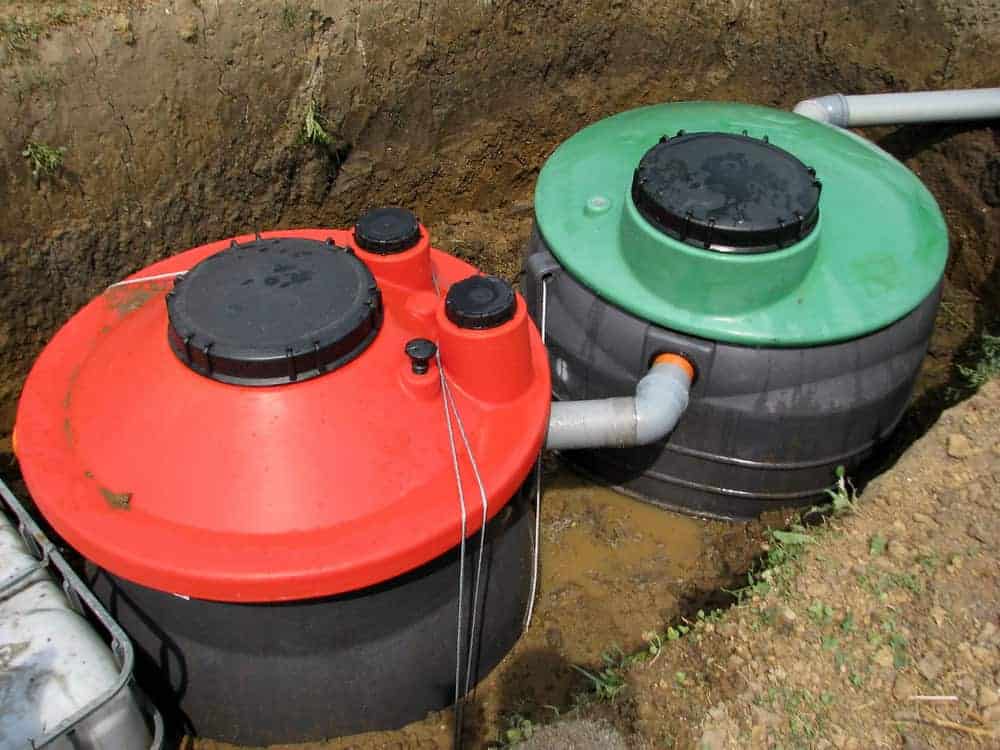
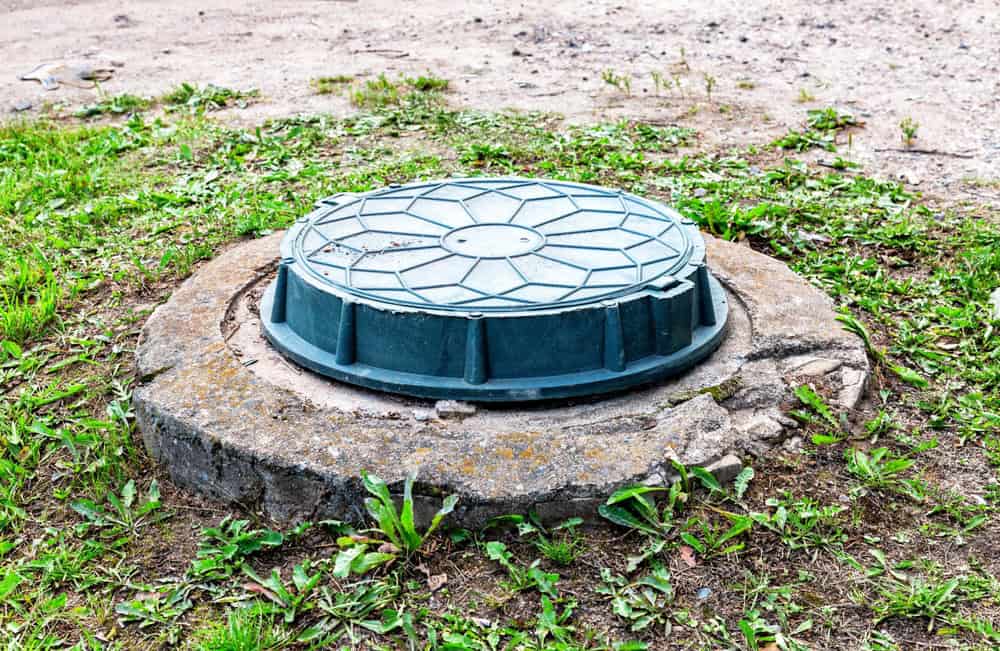
Across Nassau and Suffolk Counties, that shared line almost always connects to a cesspool. About 75% of all homes in this region use cesspools rather than municipal sewer systems. That means the cross-fixture gurgling patterns that plumbing guides typically attribute to a sewer line problem are, in this region, pointing directly at your cesspool. Calling a plumber first isn’t wrong, but if you’re in Huntington, Babylon, Islip, or most of the older communities across Nassau and Suffolk, the cesspool is usually where the investigation needs to start.
The age of the housing stock matters here too. Most Long Island homes were built between the 1940s and 1970s, and many of them are still running on their original cesspool systems — systems that are now 50 to 70 years old. Older concrete walls lose porosity over time, distribution lines can crack or get infiltrated by tree roots, and a system that was sized for a smaller household may be struggling to keep up with current demand.
What Causes Gurgling That Isn't a Blockage
Not every gurgling drain points to a clog or a full cesspool. Vent stack problems are more common than most homeowners realize, and they produce the exact same sound.
Your home’s plumbing is designed as a vented system. Every drain line connects to a vent pipe that runs up through the roof, allowing air to enter the system as water flows out. Without that airflow, drains create negative pressure — essentially a partial vacuum — that pulls air backward through water seals and produces gurgling. When a vent pipe gets blocked, every drain connected to it can start making noise.
Across Nassau and Suffolk, blocked vent stacks are especially common in winter. Ice builds up in roof vents during cold snaps, and the result is the same as a physical obstruction — drains throughout the house start gurgling, even if the cesspool is in perfectly fine shape. If your gurgling started during or after a cold stretch and you haven’t had any slow drains or backup, a frozen or debris-blocked vent stack is worth checking before you assume the worst.
Ground saturation is another factor that’s specific to this region. Long Island sits on a sole-source aquifer, and the water table here is relatively high — particularly in spring and after heavy rain. When the soil surrounding a cesspool becomes fully saturated, it can’t absorb effluent the way it normally does. The cesspool backs up hydraulically, even if it isn’t overfull with solids, and that pressure pushes back through the drain lines as gurgling. If your drains started bubbling after several days of heavy rain, that’s likely what’s happening.
These are important nuances because they affect what the right next step is. A frozen vent stack is a different problem than a cesspool that needs pumping, which is a different problem than tree root intrusion in a distribution line. Getting the diagnosis right saves time and money.
Toilet Gurgling When the Shower Is Running — What This Pattern Means
This is one of the most commonly searched gurgling patterns, and it makes sense — it’s alarming the first time you notice it. You’re in the middle of a shower and you hear the toilet start to glug on its own, without anyone flushing it.
What’s happening is that the shower drain and the toilet share a section of drain pipe somewhere downstream. When the shower sends a rush of water through that shared line, it displaces air. If there’s a partial blockage in the line — or if the line is draining slowly because the cesspool is approaching capacity — that displaced air has to go somewhere. The path of least resistance is backward through the toilet’s water seal, which produces the gurgling sound you’re hearing.
Drains Gurgling When the Toilet Is Flushed
The reverse scenario — where flushing the toilet causes other drains to gurgle — follows the same underlying logic but tells you something slightly different about where the problem is located.
When you flush, a large volume of water moves through the drain system at once. If the main line is partially blocked or the cesspool is struggling to accept flow, that surge of water creates a pressure wave that pushes back through every connected fixture. Sinks gurgle, shower drains bubble, and sometimes you’ll see the water in a nearby toilet bowl briefly disturbed. The toilet is the trigger here, and the other fixtures are the responders.
The further downstream the blockage is — meaning the closer it is to the cesspool — the more fixtures tend to respond. If flushing one toilet causes a drain on the other side of the house to gurgle, the problem isn’t in the branch line serving that bathroom. It’s in the main line, or it’s at the cesspool itself.
This matters practically because it helps narrow down where a technician needs to look. A blockage in a branch line affects only the fixtures on that branch. A blockage in the main line, or a cesspool that’s full or failing to drain properly, affects the whole house. When you can describe the trigger-response pattern clearly — which fixture you used, which other fixtures responded — it gives a cesspool professional a useful starting point before they even open the ground.
Tree root intrusion is a leading cause of partial main line blockages in older Nassau and Suffolk neighborhoods. The mature oak, maple, and willow trees that line residential streets in communities like Smithtown, Hauppauge, and South Huntington have root systems that actively seek out moisture — and the joints in older clay or concrete drain pipes are exactly the kind of entry point roots exploit. A partial root intrusion doesn’t block the pipe completely at first; it just slows flow enough to create the back-pressure that produces gurgling. Left alone, it eventually becomes a full blockage or a collapsed section of pipe.
All Drains in the House Gurgling at the Same Time — When to Stop Waiting
If every drain in your house is gurgling simultaneously — or if multiple drains are slow and gurgling together even when you haven’t triggered them with another fixture — that’s the pattern that warrants the most urgency.
Simultaneous multi-fixture gurgling almost always points to a problem at the system level, not the fixture level. Either the main drain line has a significant blockage, or the cesspool itself is at or beyond capacity and can no longer accept wastewater at a normal rate. When the cesspool is full of solids or saturated to the point where it can’t drain into the surrounding soil, every fixture in the house feels the backpressure. The gurgling is the system telling you it has nowhere left to send the water.
The reason this matters across Nassau and Suffolk is that a cesspool backup isn’t just a plumbing inconvenience — it’s a groundwater issue. Long Island’s drinking water comes entirely from the aquifer beneath it. There’s no backup source. When a cesspool fails and discharges inadequately treated wastewater into the surrounding soil, it’s not just your property that’s affected. It’s the water table that everyone in the area depends on. Suffolk County’s requirement for septic system inspections every three years exists for exactly this reason.
If you’re seeing all-drain gurgling alongside slow drains, standing water in your yard above the cesspool, or any sewage odors inside or outside the house, those are signs that the system is in active distress. At that point, using water — running the dishwasher, doing laundry, taking long showers — puts additional stress on a system that’s already struggling. The practical advice is to reduce water use as much as possible and get a professional out quickly.
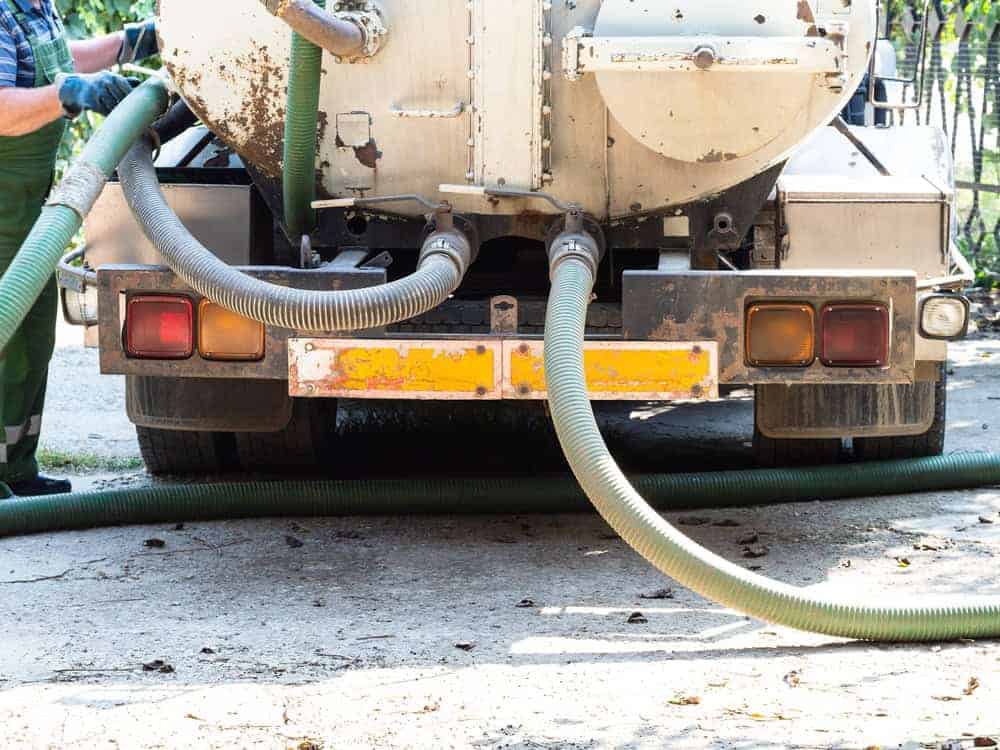
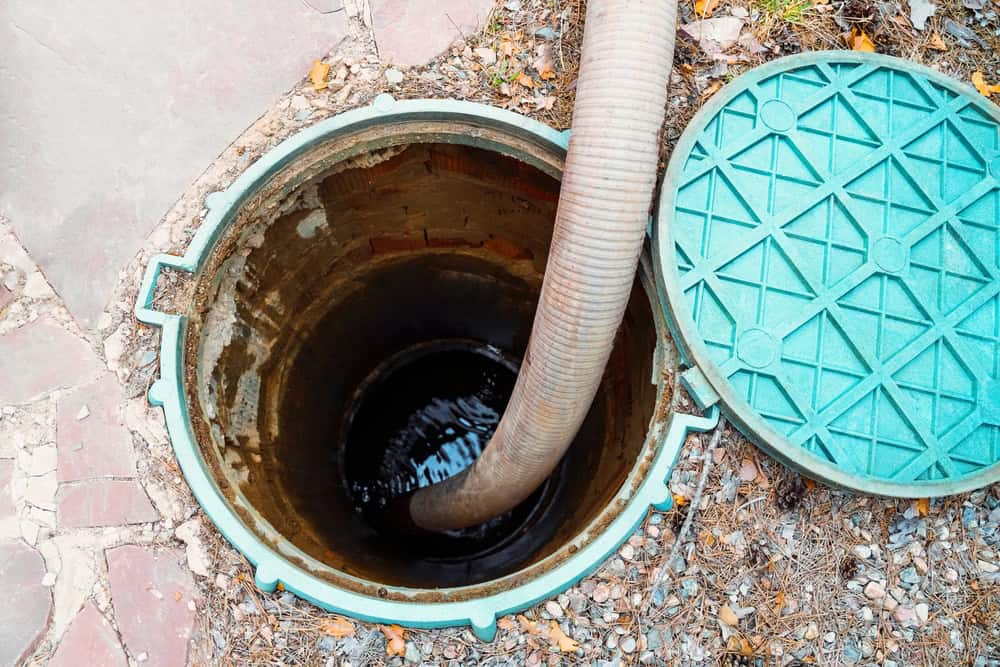
Most Long Island cesspools need pumping every one to three years depending on household size and water usage. Families of four typically land around every two years; smaller households may go three years between cleanings. Homes with garbage disposals or heavy laundry use often need annual service. If you don’t know the last time your cesspool was pumped — or if you don’t know where your cesspool is, which is more common than you’d think in older homes across Nassau and Suffolk — that’s the starting point for any diagnosis.
When to Call a Cesspool Professional About Gurgling Drains
A single gurgling drain that clears up on its own is worth watching but may not need immediate attention. A cross-fixture pattern — where one fixture triggers gurgling in another — is a signal that something is developing in the shared drain line or at the cesspool, and it’s worth having it looked at before it gets worse. All drains gurgling together, slow drains throughout the house, or any signs of backup mean you should stop waiting.
The gurgling sound is useful information. It’s telling you something specific about where in the system the problem is, and the pattern gives you a way to describe it accurately to whoever you call.
If your drains have started making noise across Nassau or Suffolk County, we’ve been diagnosing and servicing cesspool systems since 1980. Give us a call at 631-250-6829 or text us at 631-897-9005 — we’ll tell you honestly what we find and what it actually needs.