Summary:
You’re not searching for this because you’re curious. You’re searching because something’s going on — slow drains, a smell you can’t ignore, or a neighbor who just had their system pumped and made you realize you can’t remember the last time you did. Now you want to know what it’s going to cost before you call anyone.
That’s a smart move. The septic and cesspool industry isn’t exactly known for upfront pricing, and a lot of homeowners end up surprised by the final bill. We’ve seen it happen too many times. This guide gives you the real numbers for Suffolk County, breaks down what’s actually on a pump-out invoice, and explains what drives the difference between a $300 job and a $1,200 one.
Average Cost of Septic Pumping in Suffolk County, NY
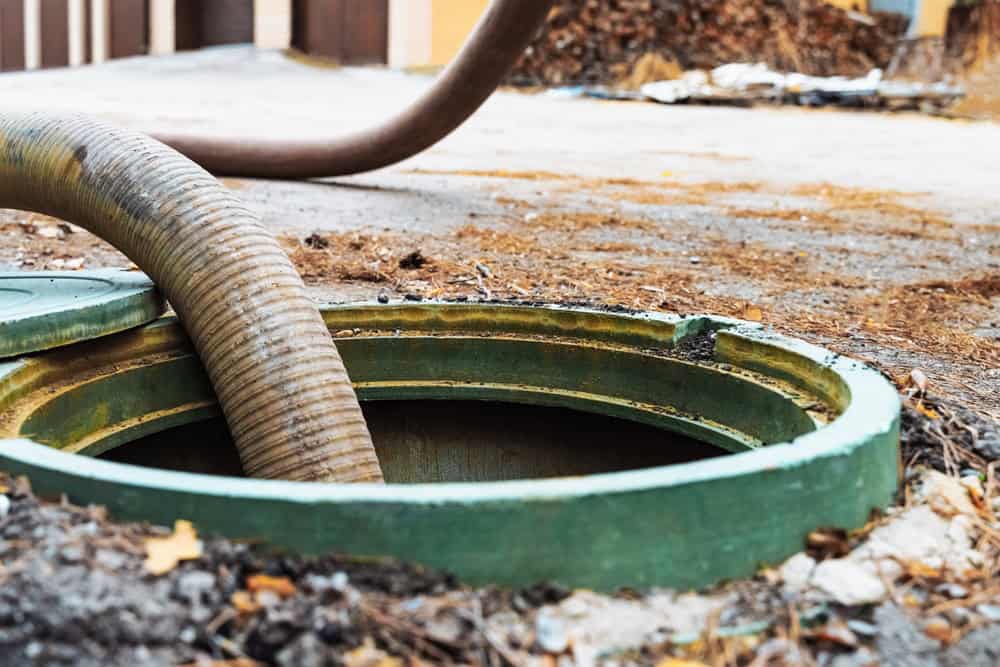
For most Suffolk County homeowners, a standard septic pump-out runs between $300 and $600. That’s the realistic range for a typical residential tank — accessible, not severely neglected, and sized for a single-family home. The national average hovers around $425, but Suffolk County has its own pricing dynamics, and that $300–$600 window reflects what you’ll actually see quoted here.
Where you land in that range depends on a few things: how large your tank is, when it was last serviced, and how easy it is to access. A straightforward septic tank pumping job on a 1,000-gallon tank that’s been pumped within the last few years will come in at the lower end. A larger tank, buried lids, or a system that hasn’t been touched in a decade will push the number higher — sometimes significantly.

Septic System Service Cost by Tank Size
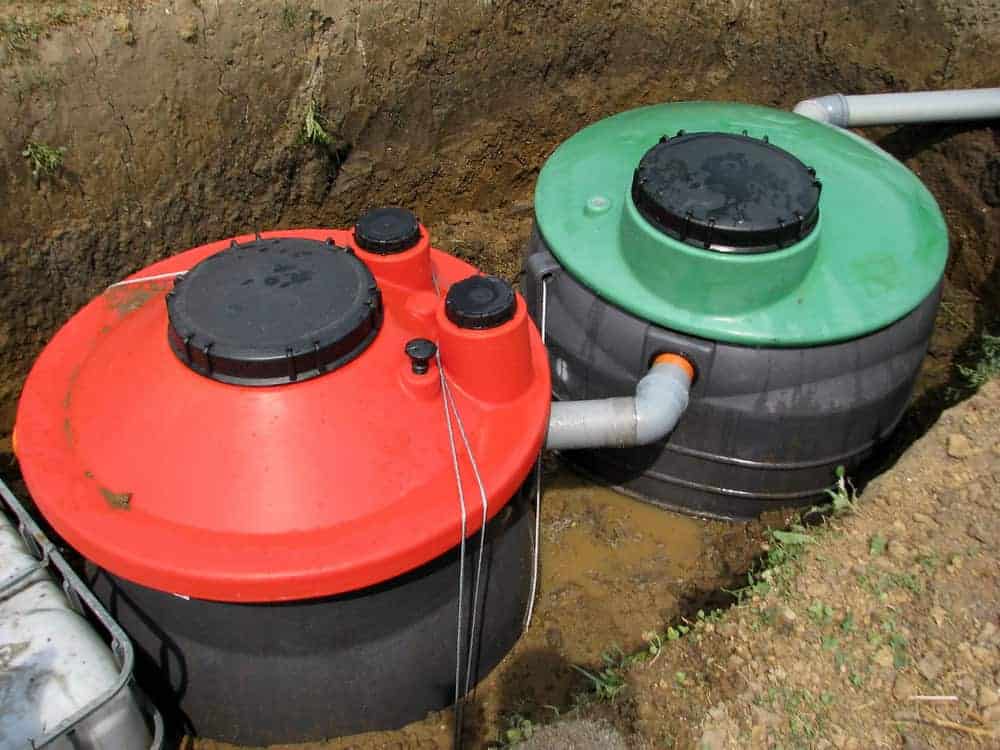
Tank size is the single biggest driver of cost to pump out a septic system, and it’s worth knowing where your home likely falls before you get a quote. On Long Island, most residential tanks are 1,000 to 1,500 gallons. A 1,000-gallon tank typically runs $225–$400. A 1,500-gallon tank is closer to $400–$600. If you have a 2,000-gallon tank — common in larger homes — expect to be at or above $600 for a standard pump-out.
Here’s where it gets important for Suffolk County specifically: a lot of older homes in the county — built in the 1950s, ’60s, and ’70s — don’t have septic tanks at all. They have cesspools. These are single-chamber systems that collect and partially absorb waste directly into the surrounding soil. They don’t pre-treat solids the way a septic tank does, which means they fill faster and need more frequent service.
A family of four in a home with a cesspool should realistically be on a 1–2 year pumping schedule, not the 3–5 years you’ll see cited in national guides. Long Island’s sandy soil and shallow water table accelerate the fill rate compared to other parts of the country — that’s just the reality of this market.
If you’re not sure whether you have a cesspool or a septic tank, you’re not alone. Many homeowners who bought older Long Island homes inherited a system they’ve never seen. The distinction matters for pricing, maintenance frequency, and — as of July 2019 — regulatory implications if the system ever fails. Since Suffolk County banned new cesspool installations that year, a failing cesspool can no longer simply be replaced with another one. That’s a conversation for a different page, but it’s worth knowing when you’re thinking about the long-term cost picture of maintaining what you have.
What's Actually on a Long Island Septic Invoice — Line by Line
This is the part most companies skip, and it’s exactly where homeowners get caught off guard. A quoted price and a final invoice are two different things if you don’t know what add-ons are standard versus what’s a legitimate extra charge versus what’s a red flag.
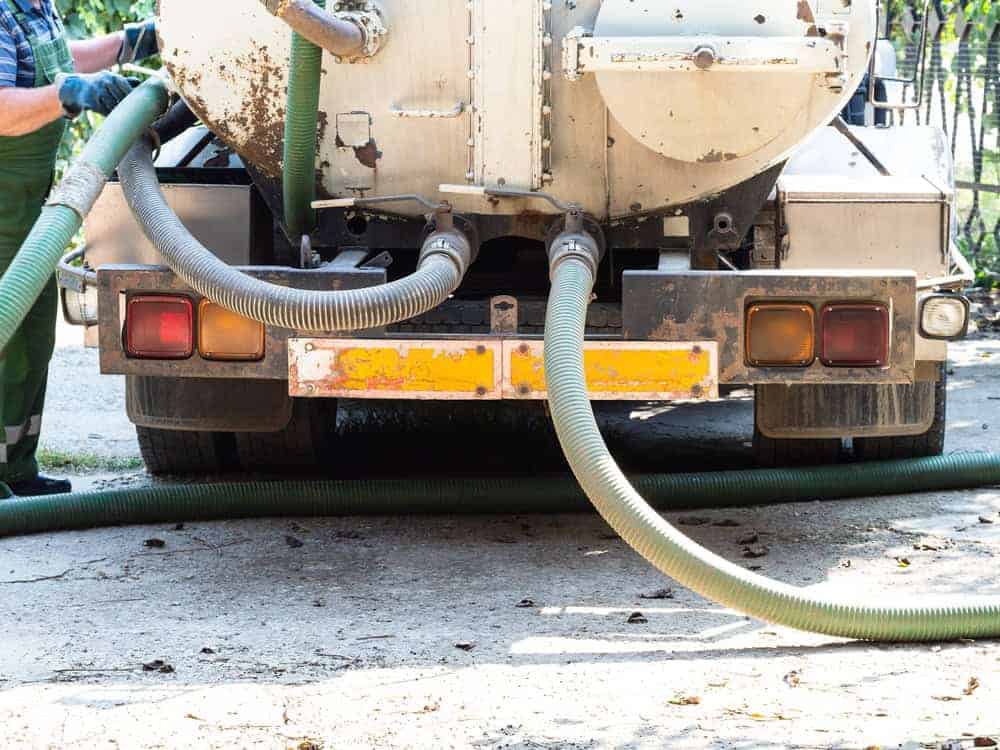
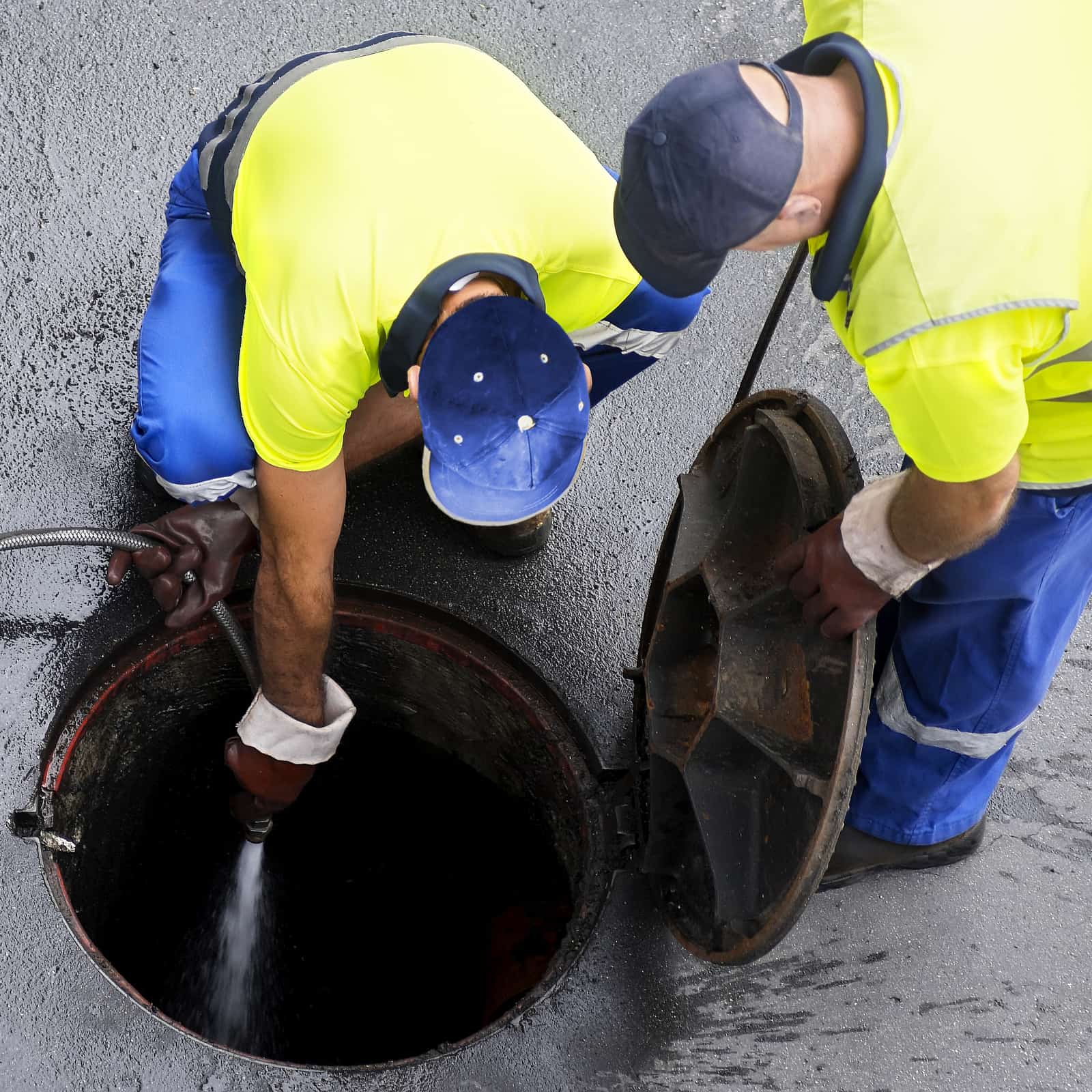
The base pumping labor is what most quotes cover — the crew, the truck, and the time to vacuum the tank. That’s your $300–$600 range for a standard job. Disposal fees are sometimes bundled in, sometimes not. Waste has to go to a licensed treatment facility, and some companies itemize that separately at $25–$75 per load. Before you accept any quote, ask directly: does this price include disposal?
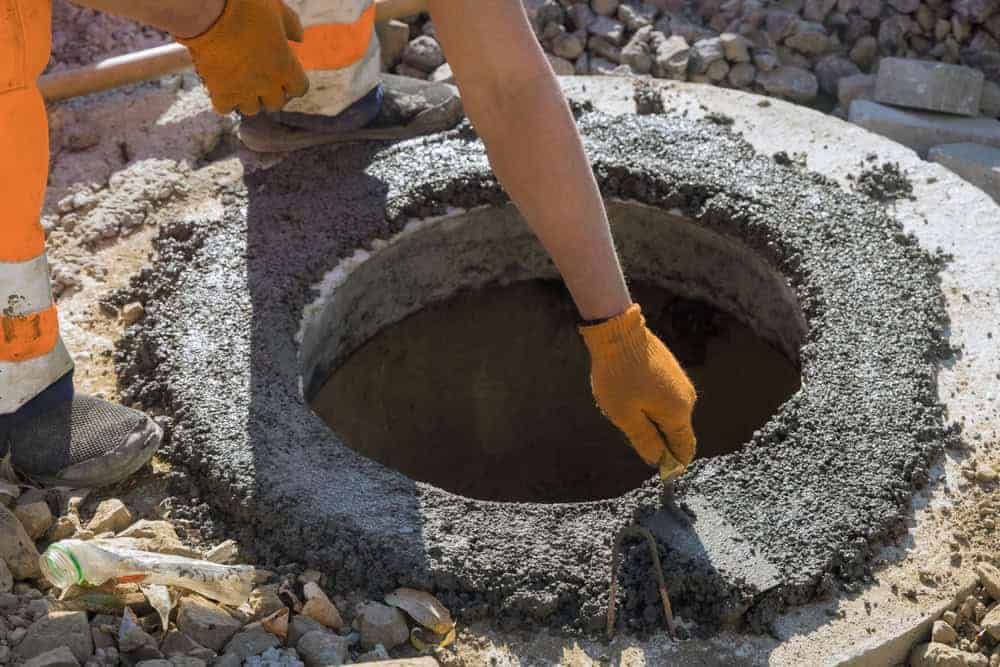
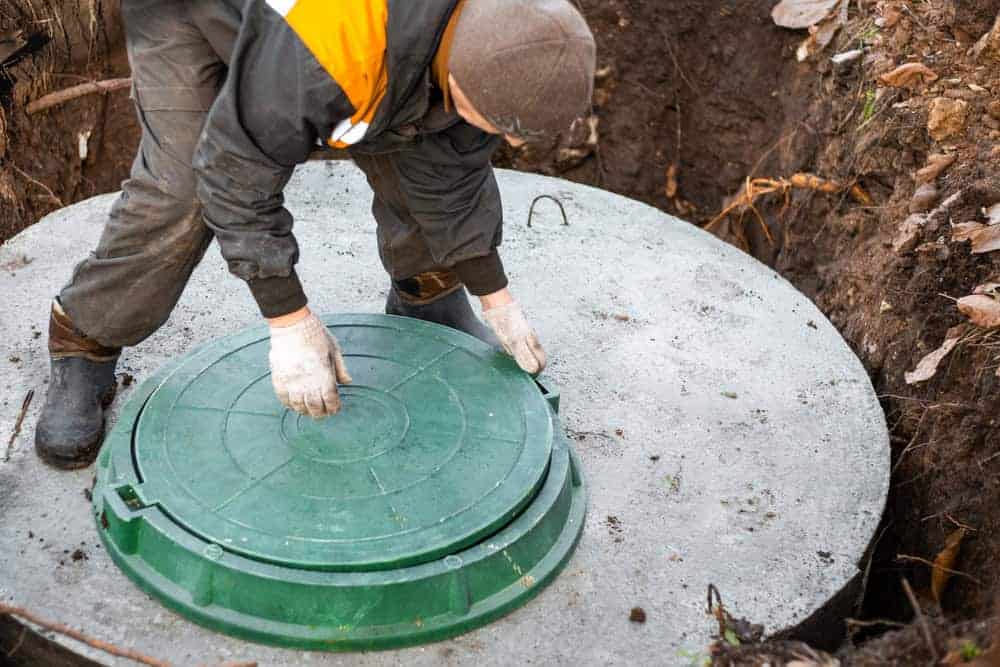
Access and digging charges come up when your tank lids are buried under soil or landscaping. This is extremely common in Suffolk County’s older housing stock. If a technician has to dig to reach the lids, expect an additional charge — the amount varies depending on depth and how much digging is required. Some companies include one lid as standard; others charge per lid.
Effluent filter cleaning is another line item you may see. Not every tank has one, but if yours does, it should be cleaned during the pump-out. If it needs replacement rather than cleaning, that’s typically $230–$280. Jetting — clearing blockages from the lines — runs $350–$600 if it’s needed. A camera inspection, which lets a technician see inside the pipes to identify cracks or root intrusion, is usually $200–$300 when added on.
Emergency and after-hours service carries a surcharge, typically $150–$300 above the base price. This reflects real overtime and availability costs. It’s worth knowing so you can make an informed decision about whether your situation is urgent enough to warrant same-day service or whether scheduling for the following week makes more financial sense.
A quality pump-out also includes inspection — checking the baffles (the internal components that direct flow), measuring sludge depth, inspecting the distribution box, and reviewing the tank walls for cracks or deterioration. This should come with a written service report documenting what was found and when you should schedule next. If a company can’t tell you what condition your system is in after they’ve pumped it, that’s a problem.
Septic Pumping Prices: What Pushes a Job to the High End
The $300–$600 range assumes a reasonably cooperative job. Several factors can push a pump-out toward $800, $1,000, or beyond — and none of them are necessarily signs that you’re being overcharged. They reflect the actual complexity of the work.
Deferred maintenance is the biggest one. A system that hasn’t been serviced in five or more years will have significantly more accumulated solids, which means longer pump time, more waste to haul, and sometimes multiple trips. That’s a real cost, not a markup. The inverse is also true: a homeowner on a consistent maintenance schedule will consistently pay less per visit because each job is simpler.
How to Know If a Septic Pump-Out Quote Is Actually Fair
The honest answer is that a fair quote is one that tells you exactly what’s included before any work starts — not one that looks low on the phone and expands on the invoice. Pricing transparency is the clearest signal of a trustworthy company in this industry, and it’s also the rarest.
A few things to check when comparing quotes: First, confirm that disposal is included. Second, ask whether lid access and digging are covered or billed separately. Third, find out if inspection and a service report are part of the job or extras. Fourth — and this matters more in Suffolk County, NY than almost anywhere else in New York — ask whether the company is licensed under Suffolk County Chapter 563 and holds a New York State DEC Part 364 permit for septage transport. These aren’t optional credentials. They’re the baseline for operating legally in this county, and they protect you if something goes wrong.
Experience in this specific market also matters. Long Island’s geology — sandy, permeable soil and a water table that sits closer to the surface than in most of the country — affects how systems behave, how quickly they fill, and what “normal” looks like versus what’s a warning sign. A company that’s been working in Suffolk County for decades will read a system differently than one that applies national standards to a local problem. That local knowledge shows up in the quality of the inspection, the accuracy of the service report, and the advice you get about when to schedule next.
The broader range for Suffolk County pump-outs — accounting for complex, hard-to-access, or long-neglected systems — runs from $308 to $1,234. That wide spread isn’t arbitrary. It reflects the full spectrum of what a job can involve. A company that quotes you $150 flat without asking about your tank size, last service date, or access conditions isn’t being competitive — they’re setting you up for add-ons or cutting corners on the work itself.
The Real Cost of Skipping Pump-Outs on Long Island
This is math, not a scare tactic. A homeowner who pumps consistently over 20 years will spend roughly $2,000–$3,000 total on maintenance. A homeowner who defers service until the system fails is looking at $10,000–$15,000 for a drainfield repair, plus landscaping restoration on top of that. A full system replacement in Suffolk County runs $15,000–$30,000 or more, depending on what the county requires.
That last number has gotten more significant since July 2019, when Suffolk County banned new cesspool installations entirely. The ban was driven by nitrogen pollution — Long Island’s sole-source aquifer provides drinking water for the entire region, and failing cesspools are one of the primary sources of contamination. The practical effect for homeowners is this: if your cesspool fails, you can’t replace it with another cesspool. At minimum, you’re replacing it with a septic tank. In many cases, the county will require a nitrogen-reducing Innovative/Alternative Onsite Wastewater Treatment System, which runs $15,000–$25,000 before any rebates.
Suffolk County’s Septic Improvement Program does offer rebates up to $30,000 for qualifying installations, which can offset a significant portion of that cost — but it doesn’t make a preventable failure any less disruptive. Regular pump-outs aren’t just maintenance — in the current Suffolk County regulatory environment, they’re the most cost-effective way to extend the life of a system that would be expensive to replace. A $400 pump-out every couple of years looks very different when you’re comparing it against the alternative.
One more thing worth knowing: if you’re selling your home, septic condition is a common point of scrutiny in Suffolk County real estate transactions. A recent pump-out with a written service report is documentation that your system has been maintained — and that’s worth something at the negotiating table.
Getting a Straight Answer on Septic Pump-Out Cost in Suffolk County
Most homeowners don’t think about their septic system until something forces them to. That’s completely normal. But when the moment arrives — whether it’s a slow drain, a smell, a real estate deadline, or just a long-overdue checkup — you deserve a straight answer on what it’s going to cost and why.
The short version: most Suffolk County pump-outs run $300–$600 for a standard residential system. What moves that number is tank size, access, how long it’s been since the last service, and what the inspection turns up. A fair quote covers disposal, tells you what’s included before the truck rolls, and comes with documentation of what was found.
We’ve been doing this work on Long Island since 1980, and we give written estimates before any work begins — no surprise charges after the fact. If you want to know where your system stands, call Antorino & Sons. We’re straightforward about what the job involves and what it costs.