Summary:
You noticed it — maybe it was sewage backing up into the tub, a gurgling sound every time you flushed, or that unmistakable smell drifting up from the yard. Whatever tipped you off, you’re here because something is wrong and you need to know what to do right now. Not in an hour. Now.
Nearly 75% of Suffolk County homes run on private cesspools or septic systems, and most of them were installed during the post-war building boom of the 1950s through the 1970s. That’s a lot of aging infrastructure quietly doing its job — until one day it isn’t. Here’s what you need to know.
Is This a Real Septic Emergency — or Just an Urgent Problem?
Not every septic issue is a five-alarm crisis, but some absolutely are — and telling the difference matters. It affects how fast you need to act, how you describe the problem when you call, and whether you should be keeping everyone out of certain parts of the house right now.
A true septic emergency means raw sewage is actively backing up into your home, pooling in your yard over the tank, or multiple drains are failing at the same time. If you’re seeing dark water coming up through floor drains or the bathtub while toilets are still being used, that’s an emergency. The same goes for a strong sewage odor inside the house — not just outside, but inside. That level of odor typically means gas is moving through the system in a direction it shouldn’t be. In situations like these, prompt septic tank repair may be necessary to identify and correct the underlying failure.
An urgent-but-not-critical situation looks a little different. A single slow drain, a faint odor outside near the tank, or slightly soggy ground after heavy rain — these are warning signs that your system is under stress and needs attention soon, but they don’t necessarily mean the system has failed. You have a little more time to make a calm, informed call.
What to Do the Moment You Suspect a Septic Backup
The single most important thing you can do when you suspect a septic emergency is stop adding water to the system. That means no flushing toilets, no running the dishwasher, no laundry, no showers. Every gallon of water that goes into an already-overwhelmed system pushes more sewage toward the surface — or into your home. This is the step most people skip because it feels counterintuitive, but it’s the one that keeps a bad situation from getting significantly worse while you wait for help.
Once you’ve cut off water use, take a quick look around. Is the soggy area in the yard localized near where you think the tank is buried? Are multiple fixtures in the house backing up, or just one? Is the smell coming from inside or only outside? These details matter when you call, because they help our technician understand what they’re likely walking into before they arrive — and give them a better shot at showing up prepared.
Next, keep people away from any area where sewage may be surfacing. The CDC classifies raw sewage as Category 3 “black water” — the most dangerous type of contamination. It contains bacteria, parasites, and viruses that cause serious illness. If sewage has backed up into a bathroom or basement, limit access and open windows if you can to ventilate the space. Don’t try to clean it up yourself with household products — that’s a job for professionals with the right protective equipment.
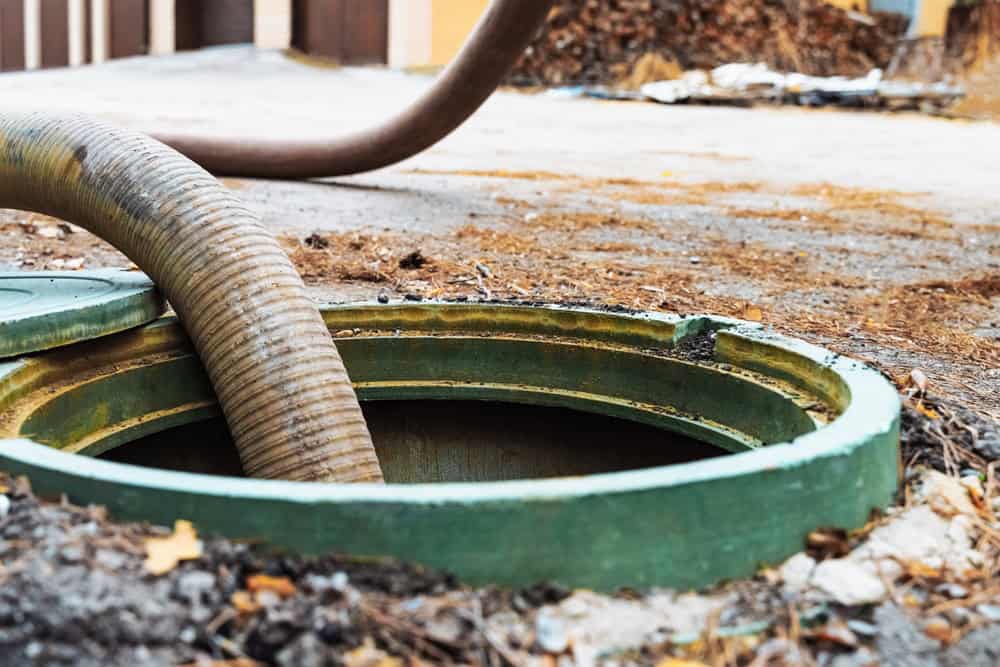
One more thing: don’t open the septic tank or cesspool lid yourself. It seems like the logical thing to do when you want to see what’s going on, but septic tanks produce hydrogen sulfide and methane gases that can cause loss of consciousness within seconds of exposure. Leave the lid alone until a licensed technician is on site.
What NOT to Do During a Septic Emergency (This List Could Save You Thousands)
There’s a lot of well-meaning advice floating around about what to do when a septic system backs up. Some of it is fine. Some of it will make your situation significantly worse. Here are the mistakes Suffolk County homeowners most commonly make in the first hour of a septic emergency — and why each one matters.
Continuing to use water is the big one. It’s already covered above, but it bears repeating: every flush, every sink, every load of laundry is adding volume to a system that has no place left to put it. If your system is backed up because the tank is full or the drain field is saturated, adding more water accelerates the backup and can push sewage further into your home or yard.
Trying to plunge or snake a drain when multiple fixtures are slow is another common mistake. If just one drain is sluggish, you might be dealing with a localized clog — and a plunger could help. But if several drains are slow at the same time, or if sewage is coming up from the lowest fixtures in the house, you’re dealing with a system-level problem. Plunging won’t fix it. It may temporarily relieve pressure in one spot while making things worse somewhere else.
Adding septic additives or chemical treatments during an active backup is also a bad idea. These products have their place in routine maintenance, but introducing chemicals into an already-stressed system during a crisis doesn’t help — and some products can actually disrupt the bacterial balance the system needs to recover.
Finally, don’t assume the problem is solved once the visible backup stops. If sewage stops coming up through the drain on its own, it doesn’t mean the system has cleared. It often means the backup has found another path — or that the pressure has temporarily equalized. The root cause is still there. Call a professional to assess the system before resuming normal water use.
Emergency Septic Tank Pumping: What Happens When We Arrive
When you call Antorino & Sons for emergency septic service, you’re not just getting a truck dispatch — you’re getting someone who understands Suffolk County’s specific conditions. Our region’s high water table, sandy glacial soils, and aging post-war cesspool infrastructure create a particular set of failure patterns. We’ve been working in this environment since 1980, so the technician who shows up has almost certainly seen your exact situation before.
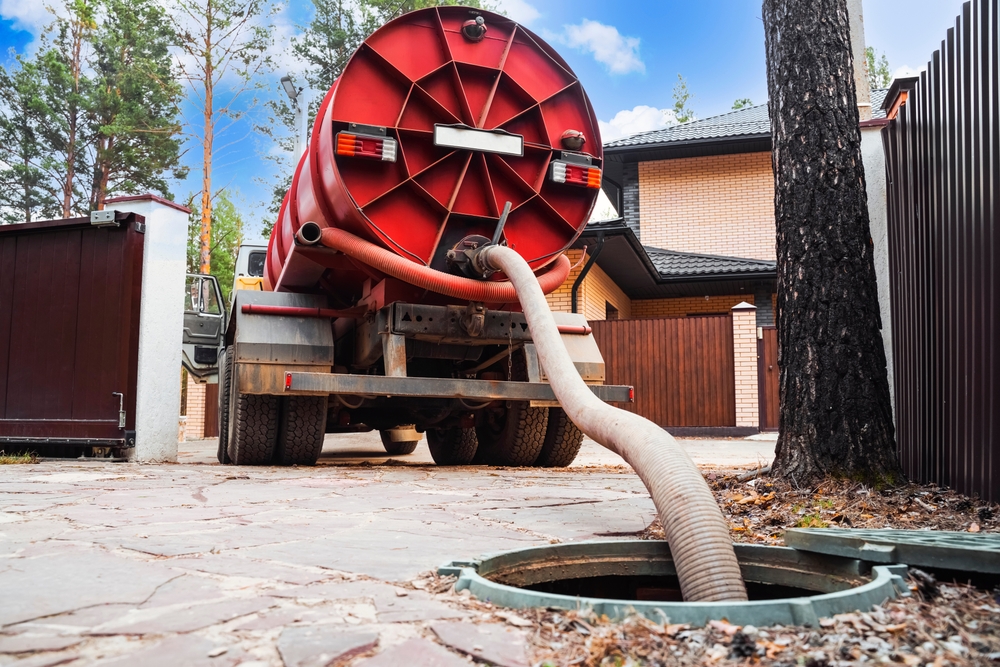
Emergency septic pumping typically takes one to two hours for most residential properties. We locate the tank, assess the system, pump it down, and inspect for the underlying cause — because clearing the backup without understanding why it happened just sets you up for the next emergency.
Emergency Septic Tank Pumping: What the Process Actually Looks Like
When we arrive, the first thing we do is locate the tank if its position isn’t already known. A surprising number of Suffolk County homeowners don’t know exactly where their cesspool or septic tank is buried — especially in older homes where records weren’t kept carefully. We use electronic locating equipment to find it without tearing up your yard unnecessarily.
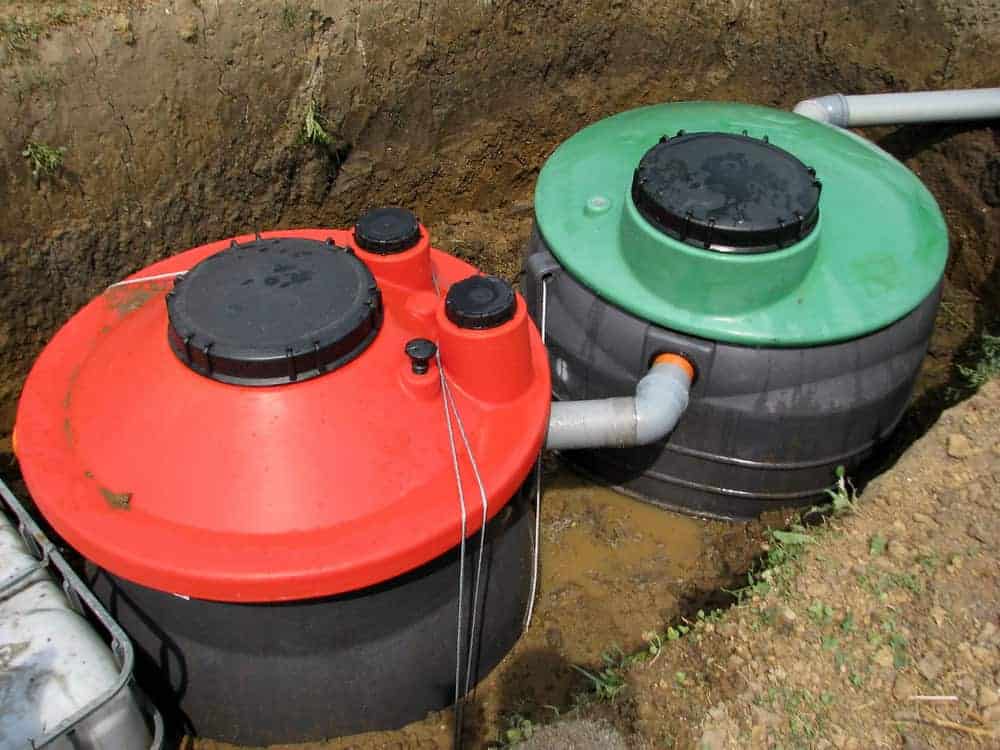
Once we’ve located the tank, we assess the situation before opening it. We’re looking at the surrounding ground, checking for signs of saturation or surfacing, and asking you a few questions about what you noticed and when. This isn’t just conversation — it helps us build a picture of whether we’re dealing with a full tank, a clogged outlet baffle, a saturated drain field, or something else entirely. Each of those problems gets addressed differently, and knowing which one we’re dealing with before we start pumping means we can give you an accurate picture of what comes next.
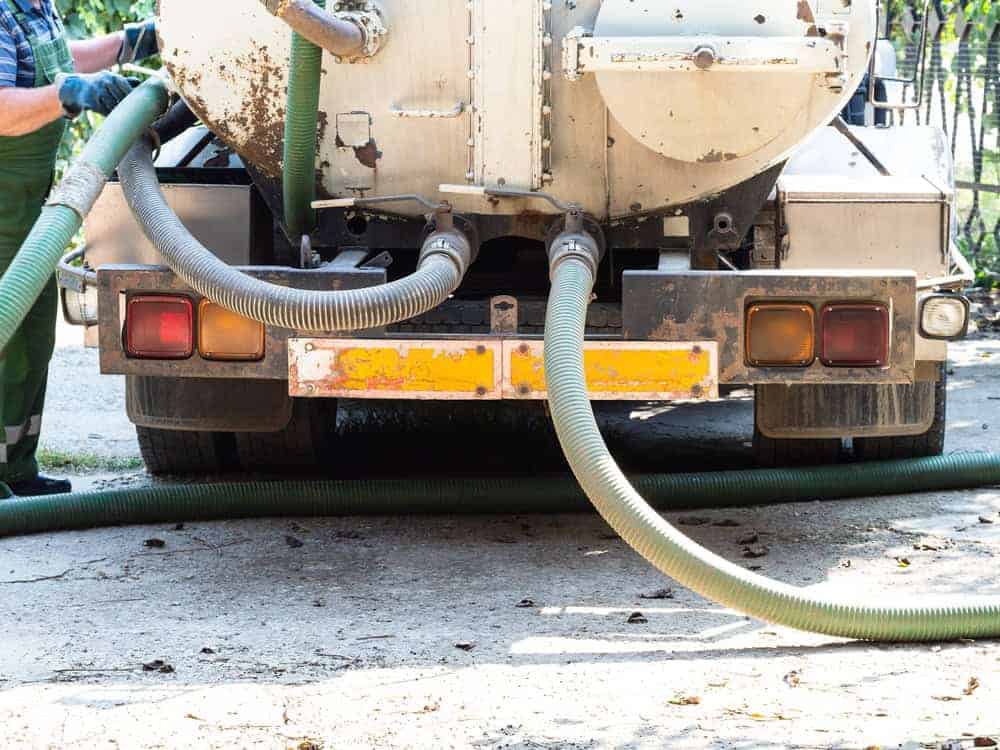
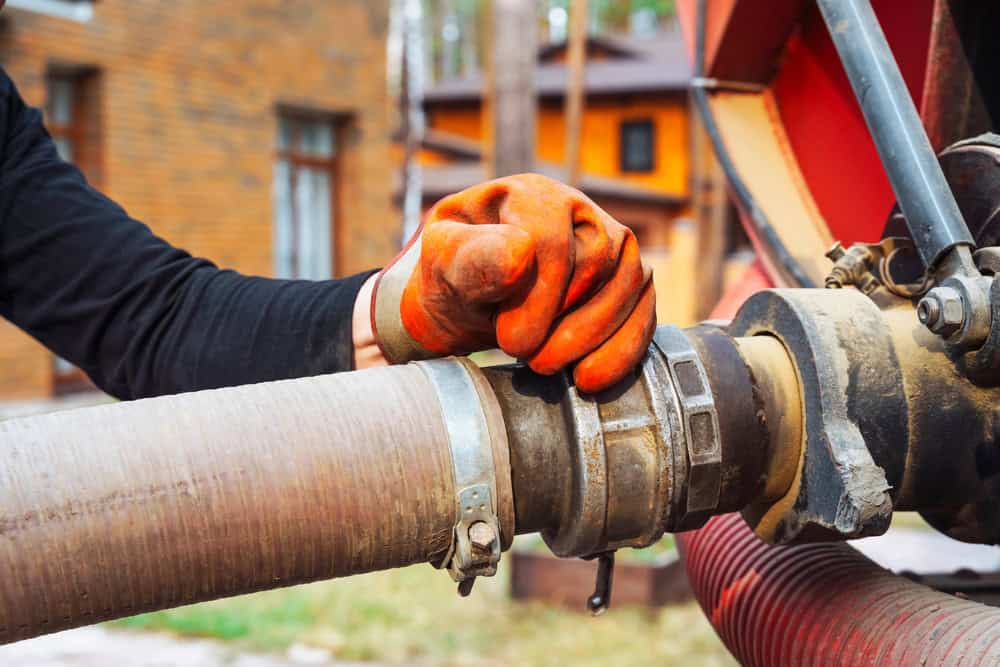
The pumping itself is straightforward. We extract the waste using a commercial vacuum truck and transport it to an approved disposal facility — one that meets Suffolk County’s environmental regulations and protects Long Island’s sensitive water bodies, including the bays and the sound. After pumping, we inspect the system components we can access: the inlet and outlet baffles, the condition of the tank walls, and the state of the leaching structure. If we find something that needs repair beyond the emergency pump-out, we’ll tell you what it is and what it will cost before any additional work begins. No surprises.
What we won’t do is pump the tank and leave without telling you what caused the backup. That’s the part that matters most for preventing the next emergency. If your system backed up because the tank was simply overdue for pumping, that’s one conversation. If it backed up because the outlet baffle is deteriorating, or because the drain field is showing signs of saturation — those are different conversations with different timelines and different costs attached.
Septic emergencies don’t happen on a schedule. They happen on Thanksgiving morning when the house is full of guests, during a nor’easter when the ground is already saturated, or at 2 AM when everyone else is asleep. That’s exactly why we offer 24 hour septic service — not as a marketing line, but because the alternative is leaving a Suffolk County homeowner with sewage in their basement until business hours.
When you call, a few things will help us help you faster. Know roughly where your tank is located if you can — even a general sense of which part of the yard it’s in saves time. Know when you first noticed the problem and what you’ve observed since then: which fixtures are affected, whether the odor is inside or outside, whether the ground near the tank feels soft or wet. If you’ve had the system pumped before, knowing when that was done is useful context.
On the cost question: we know that’s on your mind, and we don’t think you should have to wait until the truck pulls away to find out what you owe. We provide upfront pricing before any work begins — and if you need flexibility on payment, we offer financing options for situations exactly like this one. An emergency pump-out shouldn’t put you in a worse financial position than you were already in.
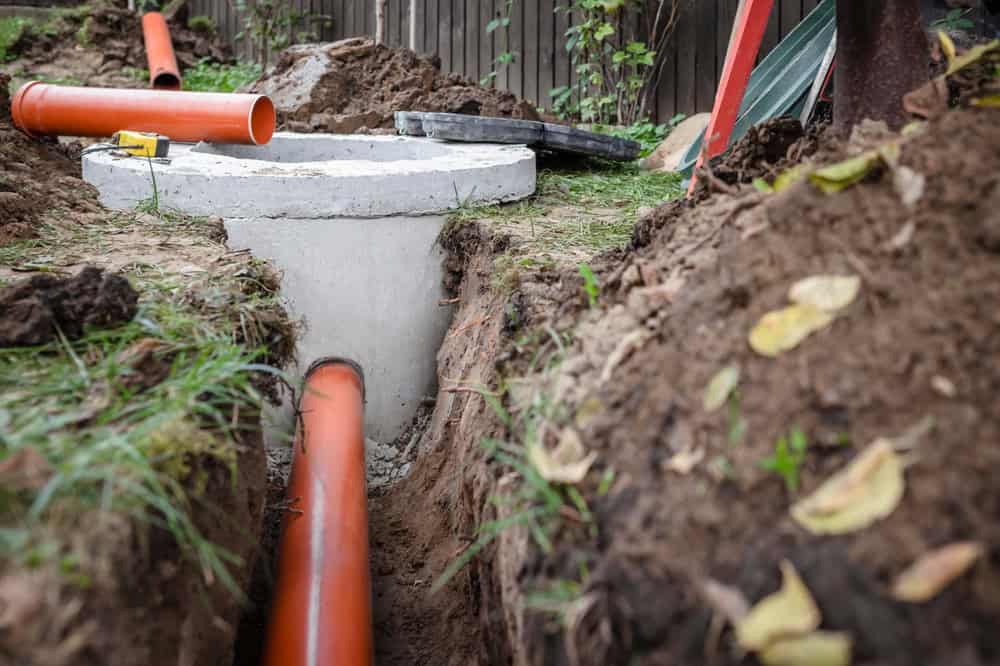
One thing worth knowing about Suffolk County specifically: since the 2019 cesspool ban took effect, any system that requires full replacement can no longer be swapped out for another cesspool. It has to be upgraded to a full septic system or an innovative/alternative (I/A) treatment system — which means replacement costs are significantly higher than they were before the ban. Getting emergency service quickly and addressing the root cause before a full failure occurs isn’t just about convenience. In Suffolk County right now, it can be the difference between a pump-out and a $15,000–$35,000 system replacement.
If cost is a concern — and for most homeowners, it is — the Suffolk County Septic Improvement Program (SHIP) offers financing, grants, and rebates for homeowners who need to upgrade their systems. We can point you toward those resources if it turns out your situation requires more than a pump-out.
What to Do Right Now If You Think You Have a Septic Emergency
Stop all water use in the house. Keep people away from any area where sewage is surfacing. Don’t open the tank lid. And call a licensed professional who knows Suffolk County’s systems, soils, and regulations — not a regional dispatch service that’s never worked with Long Island’s unique water table conditions.
The difference between a manageable emergency and a serious one is often just a matter of what happens in the first hour. Acting quickly and correctly — stopping water use, staying out of contaminated areas, and getting a professional on site fast — keeps the problem contained and the costs as low as possible.
Antorino & Sons has been handling septic emergencies across Long Island since 1980. We’re licensed, insured, and fully compliant with Suffolk County regulations. If something’s wrong with your system right now, we’re the call to make.