Summary:
You searched for cesspool pumping cost because you want a number you can trust — not a range so wide it’s useless, and not a “base rate” that quietly doubles by the time the truck leaves your driveway. That experience is more common on Long Island than it should be, and it’s exactly why so many homeowners feel burned after what seemed like a straightforward job.
We’ve been doing this work since 1980, and the question we hear most often isn’t “how does a cesspool work?” It’s “why did my bill come out so much higher than the quote?” This page answers that honestly — including what we charge, what others often add on, and how to tell the difference before you book.
How Much Does It Cost to Pump a Septic Tank or Cesspool on Long Island?
The national average for septic tank pumping sits around $427, but Long Island isn’t average. Between the high water table, the mix of clay and sandy soils across Nassau and Suffolk Counties, strict disposal regulations, and the sheer age of most residential systems here, local pricing tends to run higher than what you’d find in most other parts of the country.
For a standard residential cesspool pumping job on Long Island — routine service, accessible lid, average-sized system — most homeowners pay somewhere between $300 and $600. That’s the honest range for a straightforward job under normal conditions. Where it gets complicated is when the quote you received only covers part of that number, and the rest shows up after the work is done.
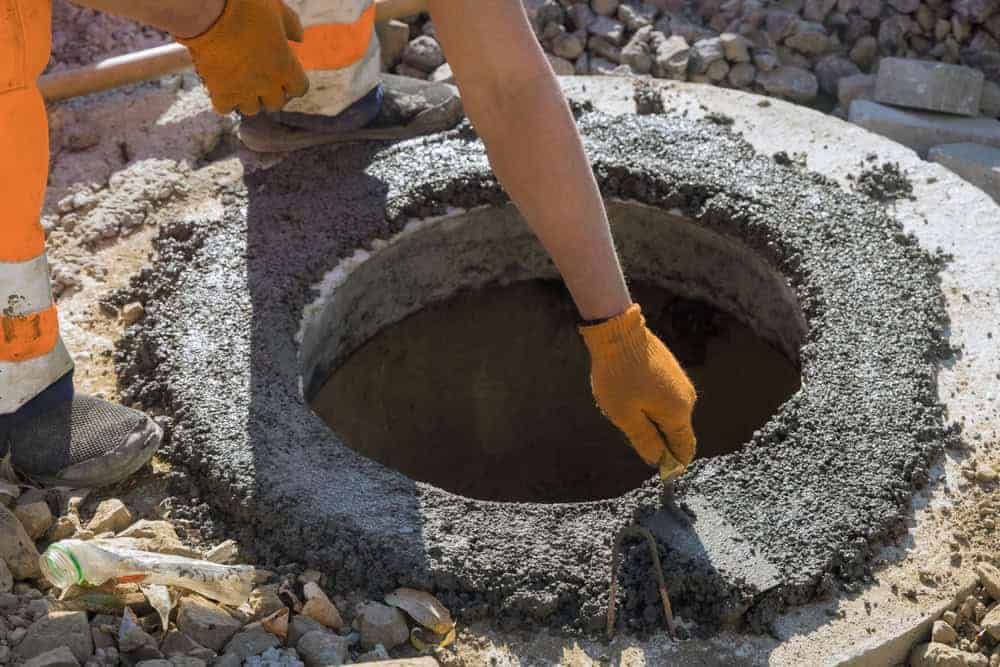
Cheapest Septic Tank Pumping Near Me: Why the Lowest Quote Isn't Always the Lowest Price
It’s a completely reasonable thing to search for. You want value, not a premium for its own sake. The problem is that in the Long Island cesspool market, a low advertised base rate is sometimes exactly that — a base rate, stripped of the line items that make up the actual cost of the job.
Here’s what commonly gets left out of a quoted price and added to the final invoice: disposal fees (also called tipping fees), which cover the cost of legally transporting and disposing of the waste at a licensed facility; lid location charges, billed when a technician has to locate a buried or unmarked access point; excavation surcharges, added when the lid is buried deep enough to require digging; extra ring pumping fees, which apply when a system has multiple cesspool rings that each need to be pumped; and after-hours or emergency surcharges when the call comes in outside normal business hours.
None of these are inherently illegitimate. Disposal fees are a real cost. Digging to a buried lid takes real time. The issue is when a company advertises $199 or $250 knowing full well that a typical Long Island job — with disposal, with an older home where the lid isn’t marked, with a system that hasn’t been serviced in five years — will land well above that number. You don’t find out until after the truck is already there.
What we do differently is tell you the full number before anyone shows up. When you call us at 631-250-6829 or request a free quote, we ask the right questions upfront: when was the system last serviced, do you know where the access lid is, what’s the approximate size of the system, is this a single-ring or multi-ring setup. Those answers let us give you a price that reflects the actual job — not a stripped-down figure designed to look competitive at the search stage.
A quote that holds up is worth more than a low number that doesn’t.
What Affects the Final Cesspool Pumping Cost on Long Island?
Several factors legitimately move the price up or down, and understanding them helps you evaluate any quote you receive — not just ours.
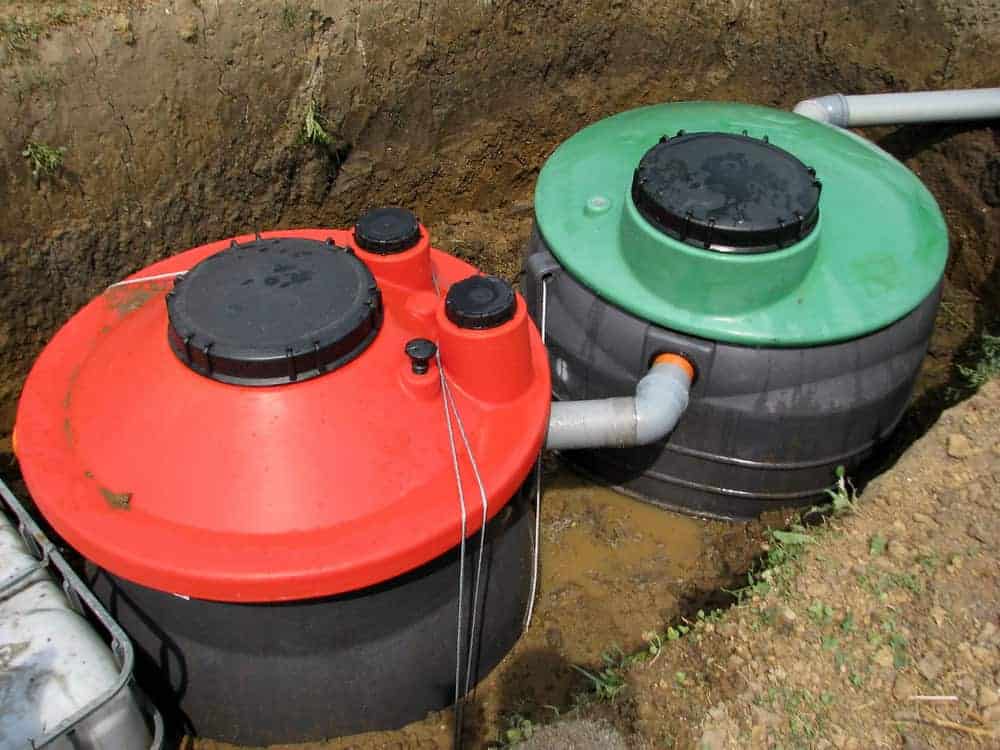
Tank size is the most straightforward factor. A 1,000-gallon system, which is the most common size in Long Island residential homes, typically runs $225 to $400 for routine pumping under normal conditions. A 2,000-gallon system generally runs $400 to $700. Larger commercial systems or multi-ring residential setups cost more because there’s simply more material to pump and dispose of.
How long it’s been since the last service matters too. A system that’s been pumped on schedule every two to three years is a very different job than one that hasn’t been touched in seven years. The latter has a much heavier sludge layer, which takes longer to pump and increases the disposal volume — both of which affect cost.
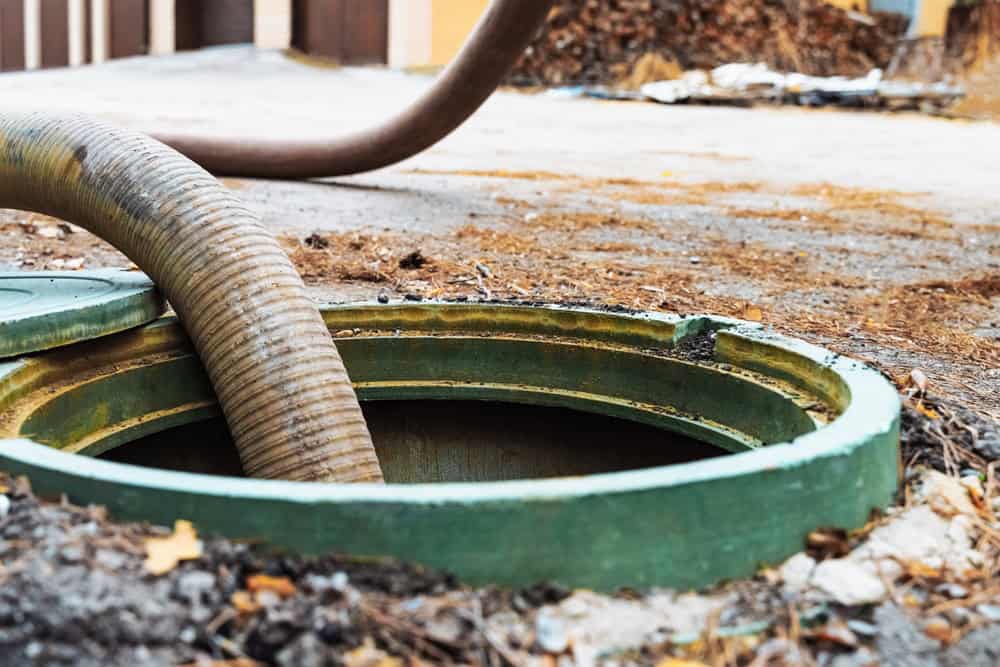
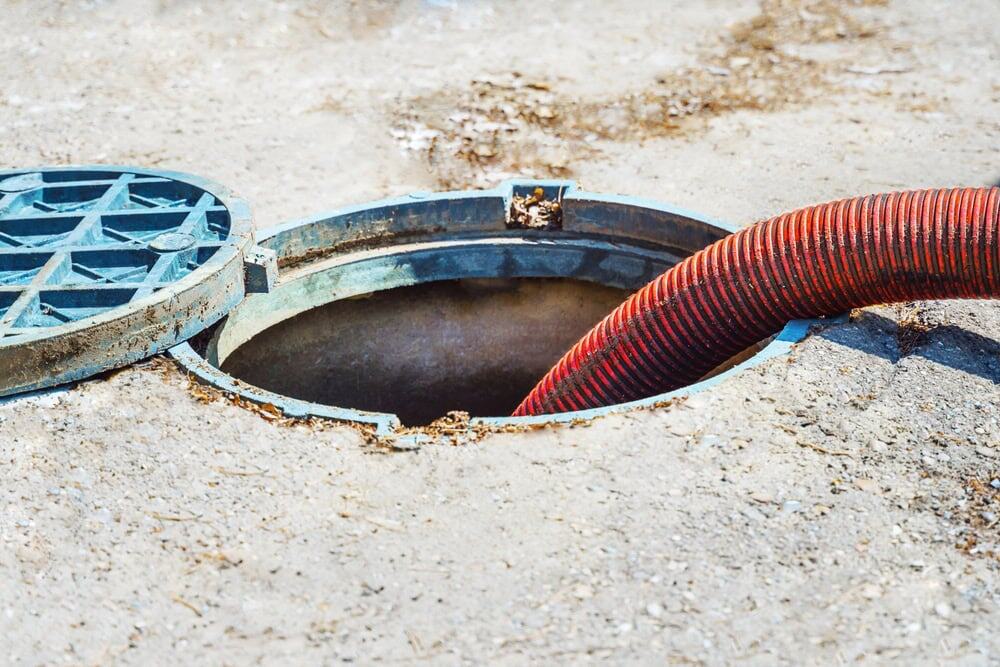
Access conditions are a major variable on Long Island specifically. Many homes built in the 1950s and 1960s — which make up a significant portion of the housing stock in towns across Nassau County and throughout central and western Suffolk — have cesspools with unmarked, buried lids. Locating and excavating those lids adds time and labor. It’s not a scam charge; it’s a real part of the job. But it should be disclosed upfront, not revealed after the fact.
Soil conditions also play a role in how quickly systems fill and how often they need service. Clay-heavy soils — more common in Nassau County and parts of western Suffolk — slow drainage and cause systems to reach capacity faster. Sandy soils in eastern Suffolk drain more freely but carry their own groundwater risks. Neither is necessarily more expensive to pump, but both affect how frequently you’ll need service and what condition the system is likely to be in when the truck arrives.
Finally, location within Long Island affects pricing in a more straightforward way: fuel, labor rates, and disposal facility access costs vary across the island. A job in the Hamptons during peak summer season, when demand is high and access roads are congested, may carry a different rate than the same job in Hicksville in February.
Septic Tank Pumping Cost: Routine Service vs. Emergency Pumping
There’s a meaningful price difference between scheduling a routine pump-out and calling because sewage is backing up into your basement at 10 p.m. on a Sunday. Most homeowners don’t know exactly where they fall on that spectrum when they first start searching, and some companies use that uncertainty to justify emergency pricing for jobs that aren’t really emergencies.
Knowing the difference — and knowing what legitimately drives emergency pricing — helps you have a more honest conversation with any contractor you call.
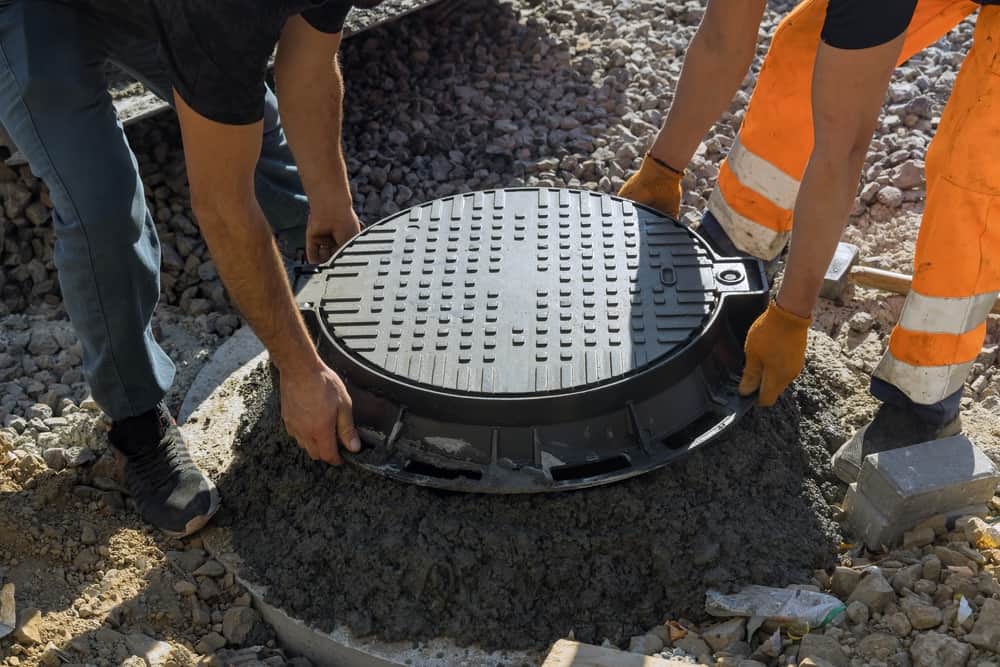
What Does Routine Cesspool Pumping Cost on Long Island?
Routine cesspool pumping is scheduled service — you’re not in crisis, the system is functioning, and you’re staying ahead of problems rather than reacting to them. For most Long Island households, that means pumping every two to three years. Families of four with a standard 1,000-gallon system typically fall into that window. Homes with garbage disposals, heavy laundry use, or more people in the household may need service annually.
At the routine end of the range, a well-maintained system with accessible lids and a known service history is the most straightforward job a cesspool company handles. It’s also where the base-rate advertising problem is most acute — because these jobs are predictable, companies use them to advertise a low entry price and then add line items once they’re on-site.
For a genuinely complete routine pumping quote on Long Island — one that includes the pump-out itself, disposal fees, a basic inspection of what was found, and cleanup — expect to pay somewhere in the $300 to $600 range for a standard residential system. If someone quotes you $199 for a complete job with no additional charges, ask them in writing what that price covers and what would trigger additional fees. A company that’s transparent about its pricing will answer that question without hesitation.
We’ve been pricing cesspool pumping honestly on Long Island since 1980, and we’ll tell you exactly what’s included before the truck rolls. When you call us, we’ll ask the questions that let us give you an accurate number, and that number is what you’ll see on the invoice.
When Does Cesspool Pumping Become an Emergency — and What Does It Cost?
Emergency cesspool pumping is a real category, and it legitimately costs more. After-hours dispatch, priority scheduling, and the complexity of working a job that’s already in failure mode all justify a higher rate. On Long Island, emergency pumping costs can exceed $1,000 depending on the situation — particularly when access is difficult, the system is severely overloaded, or the job requires immediate attention outside normal business hours.
The warning signs that put you in emergency territory are pretty clear: sewage backing up into the house, standing water or wet spots over the cesspool area in the yard, strong sewage odors inside or outside the home, or multiple drains gurgling simultaneously. If you’re seeing any of those, you’re not in routine maintenance territory anymore.
Some symptoms — slow drains, occasional gurgling — don’t always mean you’re in a full emergency. They can be early warning signs that the system is getting close to capacity, which means you have a window to schedule service before it becomes urgent. That window is worth using. A routine pump-out in the $300 to $600 range is a much better outcome than an emergency call that runs past $1,000, and it protects you from the much larger cost of a system that fails completely and needs replacement — a job that can run $8,000 to $15,000 or more depending on what’s involved.
Long Island’s high water table — particularly pronounced along the South Shore and in low-lying areas throughout Nassau and Suffolk — means that a system operating near capacity during a wet spring or after heavy rainfall can tip into apparent failure faster than homeowners expect. If your drains have been slow since the last big rain, it’s worth a call to find out where you actually stand before the situation decides for you.
We offer 24/7 emergency service because we know cesspools don’t wait for convenient timing. We’ll also tell you honestly when something can wait for a scheduled appointment — because not every call is a crisis, and we’d rather give you an accurate assessment than an inflated one.
Getting an Honest Cesspool Pumping Quote on Long Island
The short version: cesspool pumping on Long Island typically runs $300 to $600 for a routine residential job, with costs rising based on tank size, access conditions, disposal volume, and whether the situation qualifies as an emergency. The number that matters isn’t the advertised base rate — it’s the complete price that includes everything the job actually requires.
Before you book with anyone, ask what the quote covers. Ask specifically about disposal fees, lid access charges, and what would trigger additional costs. A company that’s straightforward about those answers is worth your time. One that gets vague or evasive isn’t.
If you want a straight answer on what your job will cost, call or text Antorino & Sons. We’ll ask the right questions, give you a real number, and show up ready to do the work — the same way we’ve been doing it on Long Island since 1980.