Summary:
Most people don’t think about their septic system until there’s a smell, a backup, or a soggy patch of grass that wasn’t there last week. By that point, what could have been a $400 pump-out has a real chance of turning into a $10,000 drain field repair. That’s the math of deferred maintenance on Long Island, where roughly 75% of properties run on private septic systems and the rules around those systems are stricter than most homeowners know. Here’s what actually goes into keeping your system running — and what Suffolk County expects from you.
What Septic Tank Maintenance Actually Involves
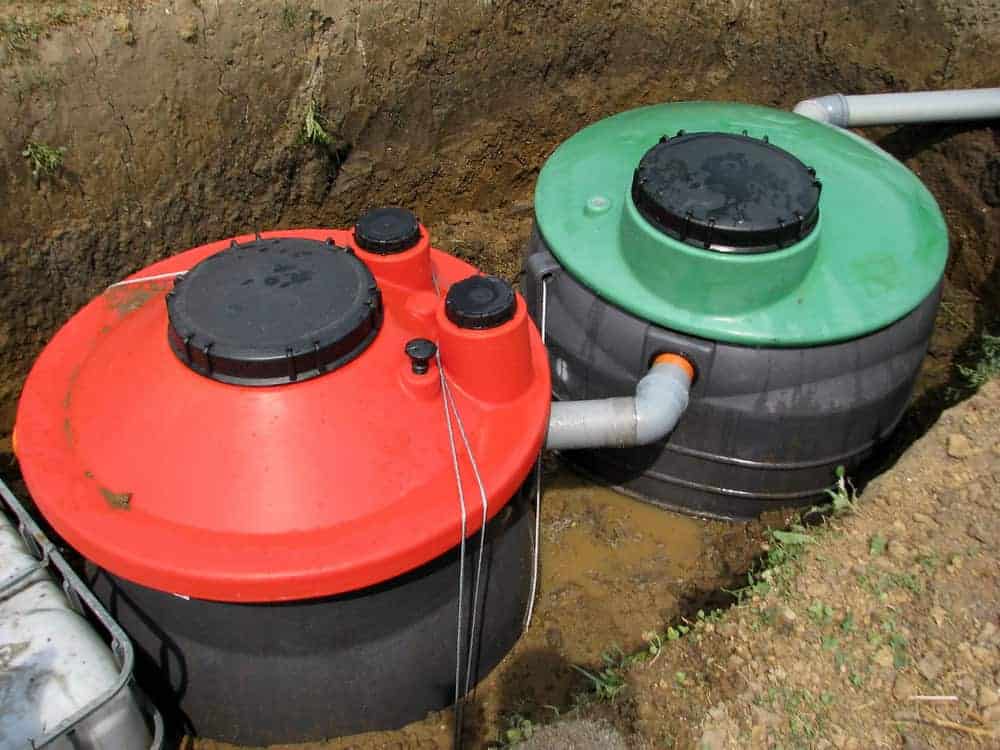
Septic tank maintenance isn’t a single service — it’s a cycle of inspections, pumping, cleaning, and system checks that work together to keep everything functioning the way it should. Most homeowners are familiar with pumping, but that’s only part of the picture. A proper maintenance visit also includes checking the baffles and inlet/outlet fittings inside the tank, inspecting the lid and access points for cracks or damage, and evaluating whether the drain field is absorbing effluent the way it’s supposed to.
The EPA recommends pumping when the combined scum and sludge layers take up more than one-third of the tank’s capacity. For most households, that works out to every three to five years — though homes with more occupants, garbage disposals, or older systems may need service more frequently. Systems with mechanical components like pumps or electrical switches need a professional eye every year, not every few years.
Septic Tank Maintenance Service: What a Professional Visit Should Include
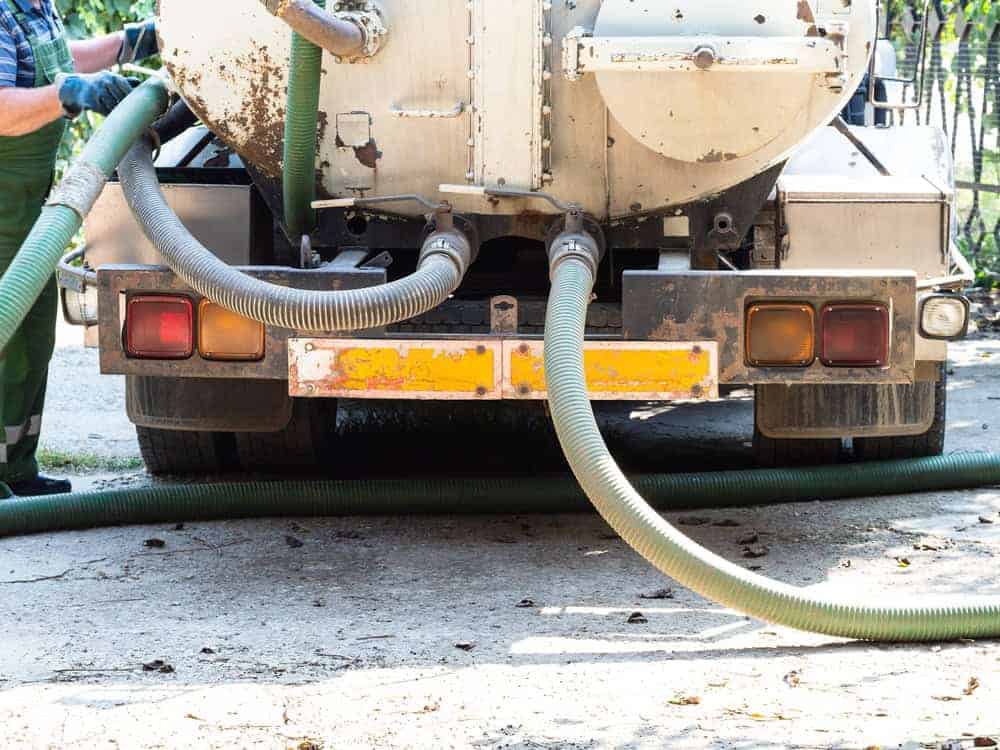
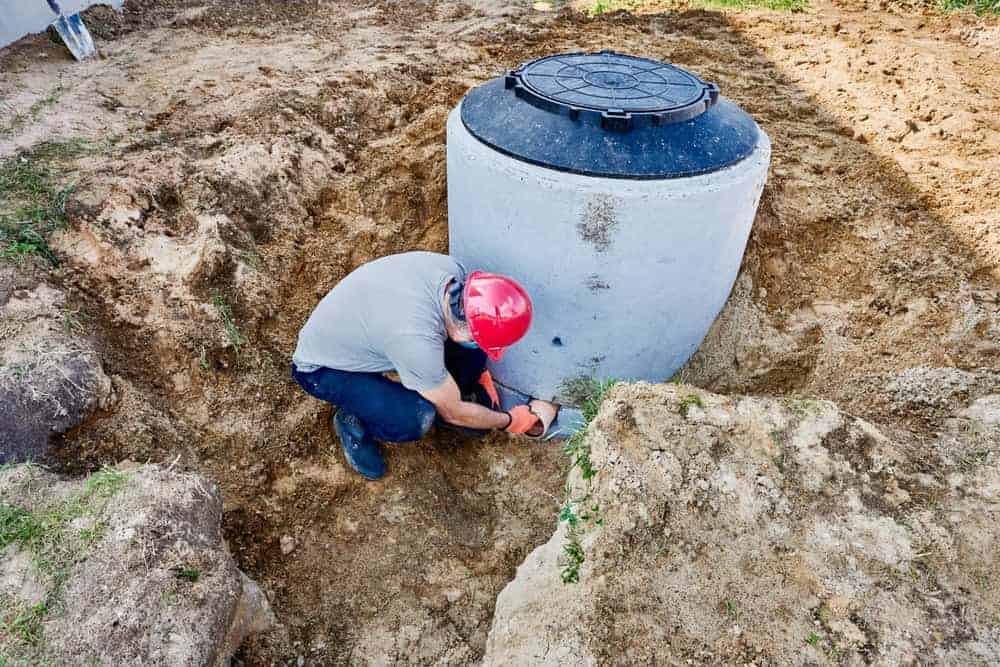
A lot of homeowners assume that getting the tank pumped is the whole job. It isn’t. A thorough septic tank maintenance service starts before the hose goes in — with a pre-service inspection to assess the tank’s actual condition, measure scum and sludge accumulation, and check whether pumping is even necessary or overdue.
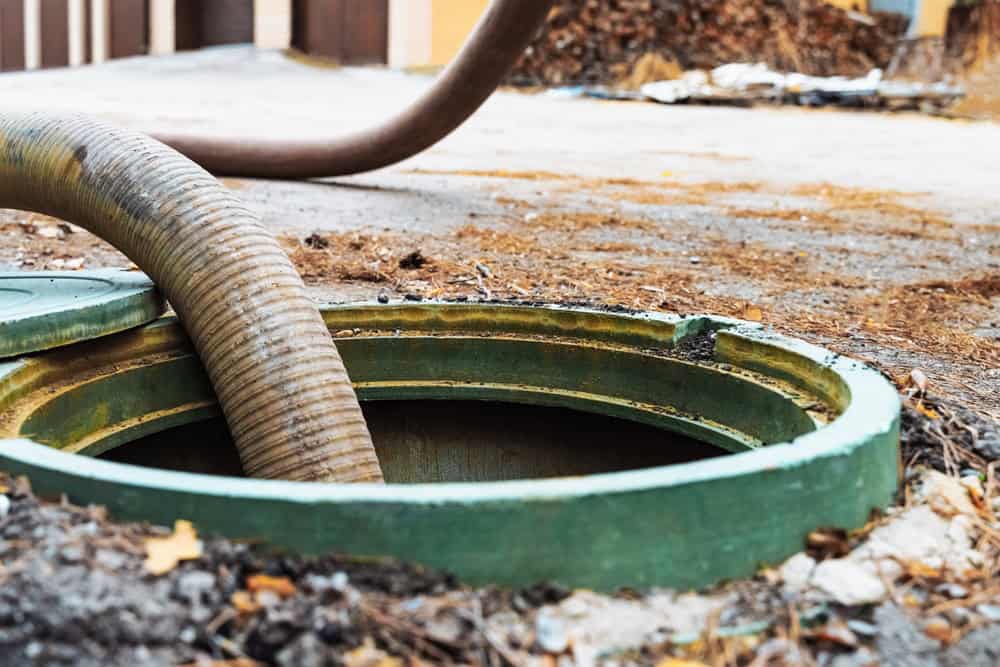
During the visit, a qualified technician should inspect the inlet and outlet baffles, which are the components that prevent solids from flowing into the drain field. If a baffle is cracked or missing, you can have a freshly pumped tank that still damages the leach field within months. The lid and riser condition matter too — a deteriorating concrete lid is a safety hazard and a maintenance problem waiting to happen.
After pumping, the technician should walk the drain field area and look for signs of surfacing effluent, unusually lush grass in a defined patch, or standing water — all indicators that the leach field is under stress. You should receive a written record of what was found and what was done. That documentation matters for your own records and, increasingly, for Suffolk County compliance purposes.
If a provider shows up, pumps the tank, and leaves in under 20 minutes without looking at anything else, that’s not a complete maintenance visit. It’s a pump-out — and those are different services.
Septic Tank Cleaning Cost: What You're Actually Paying For
Septic tank cleaning and pumping costs in Suffolk County typically fall in the $300 to $600 range for a standard residential system, depending on tank size, accessibility, and how full the system is. That’s consistent with what we see across Long Island — it’s not a number that varies wildly from town to town, though systems that are harder to locate or access can push toward the higher end of that range.
What does vary significantly is what happens when maintenance gets skipped. Repair bills for neglected systems average $3,000 to $8,000. A complete system replacement — which, under Suffolk County’s 2019 law, can no longer be a simple cesspool swap — can run $8,000 to $15,000. Emergency septic pumping, by nature, costs more than scheduled maintenance. When a backup happens on a Sunday evening before a holiday, you’re not calling during business hours, and the pricing reflects that reality.
Annual inspections typically run $250 to $1,175 depending on the scope and the system type. For most homeowners, that feels like an optional expense right up until it isn’t. The honest framing is this: an inspection that catches a failing baffle or a saturated drain field corner costs a fraction of what it costs to fix those problems after they’ve compounded for another season or two.
One thing that doesn’t factor into the cost of proper maintenance — but absolutely factors into the cost of skipping it — is the Suffolk County legal requirement for inspections every three years with a formal report submitted to the county. That’s not a suggestion. It’s a compliance obligation, and homeowners who aren’t aware of it can find themselves in a difficult position when selling a home or dealing with a county inspection.
Suffolk County's Septic Rules Are Stricter Than Most Homeowners Realize
Long Island isn’t like most of the country when it comes to septic regulation, and Suffolk County in particular has been tightening its requirements steadily over the past decade. There are two rules that every homeowner with a private system should know about — and most don’t.
The first is the three-year mandatory inspection requirement. Suffolk County now requires that homeowners have their septic systems professionally inspected every three years and submit the results to the county. The second is the 2019 cesspool installation ban. As of July 2019, if your cesspool fails and needs to be replaced, you cannot simply put in another cesspool. You are legally required to upgrade to a modern septic system — at minimum, a tank-and-leach-field configuration, and in many cases an Innovative/Alternative Onsite Wastewater Treatment System (I/A OWTS).
Cesspool Inspection Requirements in Suffolk County: What the Law Actually Says
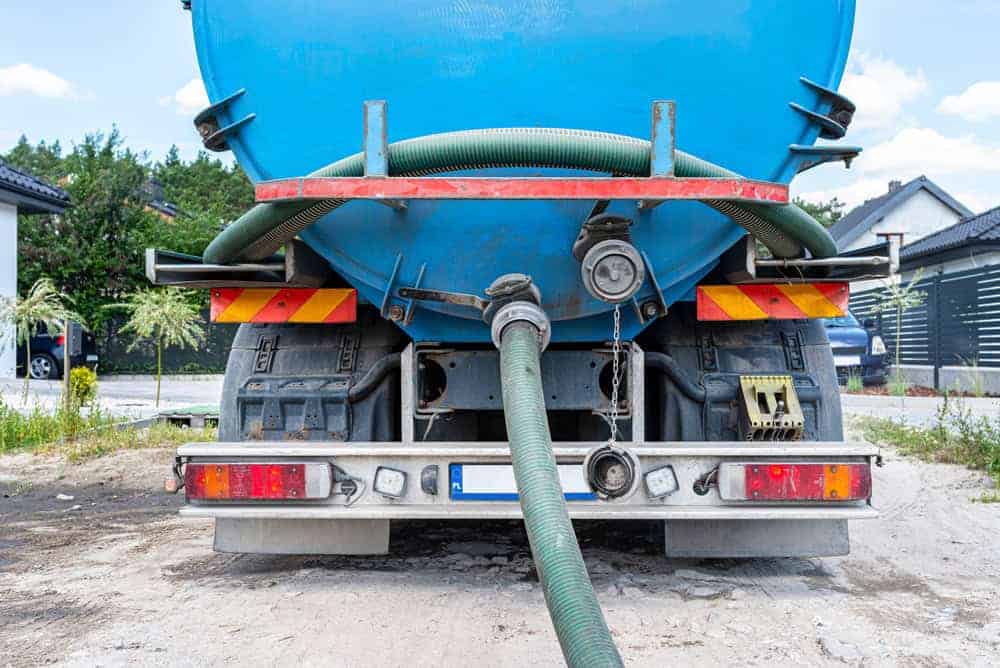
Suffolk County Article VII of Chapter 563 makes it unlawful to operate a septic maintenance business in the county without a specific county-issued license — including required endorsements and continuing education. That matters to homeowners because it means not every provider who shows up with a vacuum truck is legally authorized to do the work. Hiring an unlicensed operator creates real risk: improper waste disposal, no official service record, and no legal recourse if something goes wrong.
Beyond who can do the work, the law also governs how often it needs to be done and what gets reported. As of July 2018, providers are required to report all pumping activity, system replacements, and retrofitting to the county’s Department of Health Services. That reporting creates a paper trail — which means a system that has never been serviced becomes visible when you try to sell the home or pull a permit for something else.
For homeowners with older systems — and in Suffolk County, that’s a significant portion of the housing stock, given how much was built in the 1950s and 1960s — the cesspool inspection requirement is particularly important. A cesspool that has been in the ground for 60 or 70 years without a professional assessment is not a system you want to discover the hard way.
The good news is that Suffolk County launched its Septic Improvement Program in 2017 specifically to help offset upgrade costs. Grants have already been awarded to more than 1,000 applicants to cover some or all of the cost of I/A OWTS installations. If you’re facing a mandatory upgrade, that program is worth looking into before you assume the full cost falls entirely on you.
Long Island's Sole-Source Aquifer: Why Your Septic System Is a Drinking Water Issue
Here’s something that doesn’t come up enough in conversations about septic maintenance on Long Island: every drop of fresh drinking water on this island comes from underground aquifers. There is no backup municipal supply, no pipeline from somewhere else. It’s a sole-source aquifer system, and it sits directly beneath the same sandy, permeable soil that your septic system drains into.
That geological reality changes the stakes. When a cesspool or septic system fails in Suffolk County, the contamination doesn’t just stay in your yard. The same permeable soil that makes Long Island’s leach fields work well also allows pollutants — nitrogen, bacteria, and other effluent components — to travel quickly through the ground and reach the aquifer. That’s why the county’s nitrogen loading regulations are as strict as they are, and why excess nitrogen from failing systems has contributed to the algae blooms that have damaged Great South Bay, Peconic Bay, and Shinnecock Bay over the years.
Proper maintenance — keeping solids out of the drain field, keeping the tank pumped, keeping baffles intact — is the practical mechanism that prevents your system from becoming a source of contamination. This is especially relevant in coastal and bay-adjacent communities across Suffolk County, where the water table sits closer to the surface and the margin for error is smaller. Towns along the North Shore, South Shore, and the East End all have areas where a failing system reaches groundwater faster than most homeowners would expect.
We’ve been working with Long Island’s soil conditions and water table since 1980. The challenges in Huntington are different from the challenges in Southampton, and the challenges in a 1955 ranch with an original block cesspool are different from a newer home with a modern septic tank. That local knowledge isn’t something you pick up from a manual.
When to Schedule Septic Tank Maintenance in Suffolk County
The honest answer to “when should I schedule maintenance” is: probably sooner than you think. If you’ve been in your home for more than three years without a professional inspection, you’re already past the county’s required interval. If you bought the home without a septic inspection, you don’t actually know what condition the system is in. And if you’ve noticed slow drains, unusual odors, or a patch of grass that’s greener than everything around it, those aren’t things to monitor — they’re things to act on.
Routine pump-outs, inspections, drain field evaluations, repairs, and full system installations are all services we handle — and have handled for Long Island homeowners since 1980. We offer free estimates upfront and financing options for larger jobs, because we know that a mandated upgrade or an unexpected repair isn’t always something a homeowner can absorb out of pocket on short notice.
If you’re ready to get your system assessed or just want to know where you stand, reach out to Antorino & Sons. We’re based in Huntington and serve all of Suffolk County — and we’ll give you a straight answer about what your system actually needs.
—
FREQUENTLY ASKED QUESTIONS