Summary:
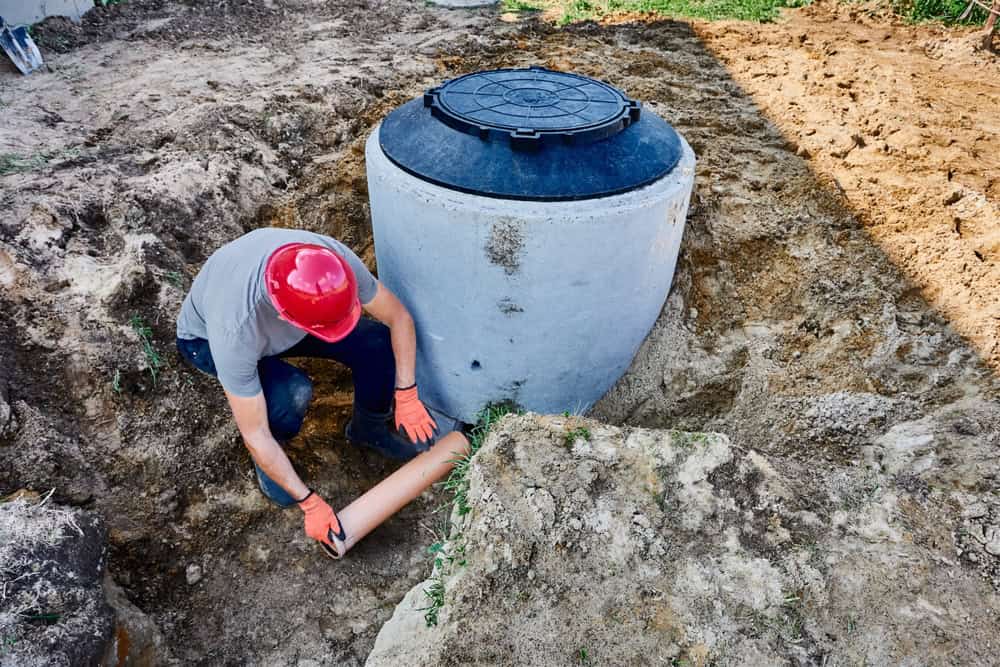
Most Long Island homeowners don’t think about their cesspool until something forces them to. And summer, more than any other season, is when that moment tends to arrive — usually at the worst possible time. A house full of guests, a backyard party on the calendar, and suddenly the drains are slow and there’s a smell coming from somewhere near the patio. If that scenario sounds familiar, you’re not alone. Here’s what’s actually happening underground during the summer months, what warning signs are worth taking seriously, and what you can do before a manageable situation turns into a much bigger problem.
How Often Should a Septic Tank Be Pumped — Especially in Summer?
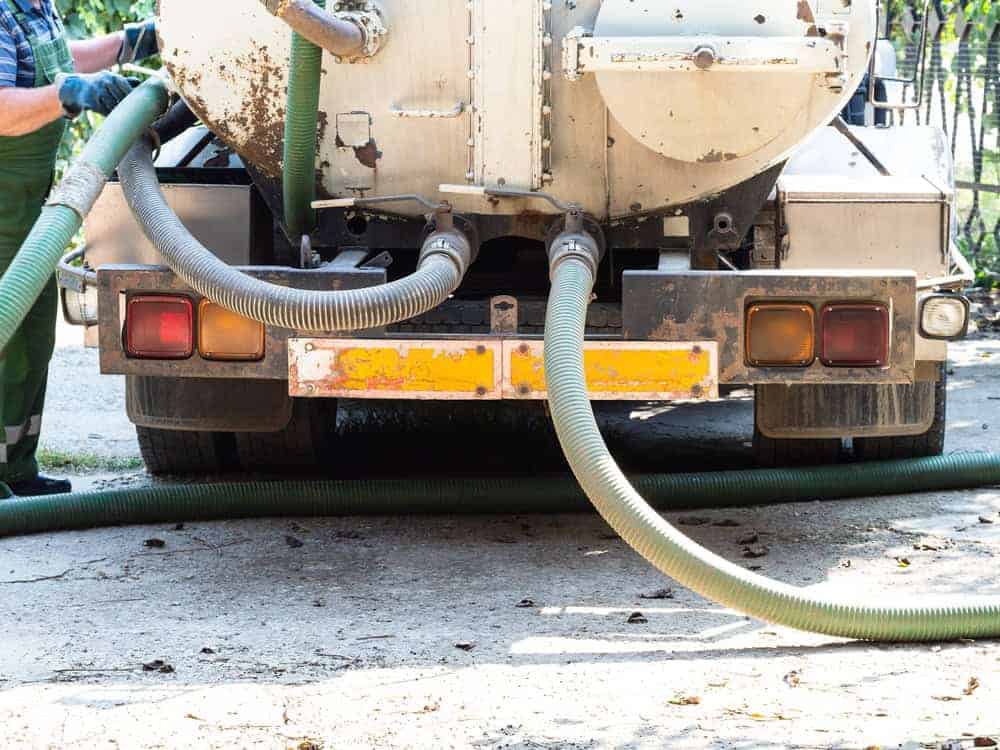
The standard recommendation from the EPA is every three to five years, and that’s a reasonable baseline for a household running at normal capacity. But “normal” changes in summer. If you haven’t pumped in three or four years and you suddenly have six people in the house for two weeks in July — running the dishwasher twice a day, doing daily laundry, taking multiple showers, and filling the pool — your system is under a level of stress it wasn’t designed to handle on a sustained basis.
Long Island’s residential cesspools typically hold between 1,000 and 1,500 gallons. They need to be pumped when solid waste reaches about 25 to 30 percent of total capacity. That threshold doesn’t care about your summer plans. A system that was borderline heading into June can cross that line fast once the season picks up.
Why Summer Water Use Hits Cesspools Harder Than Any Other Season
It’s not just about the number of people in the house — it’s about the combination of things happening at the same time. Lawn irrigation systems run daily or every other day, putting large volumes of water into the ground near the cesspool’s absorption area. Pools get filled and partially drained and refilled. Guests shower more frequently than residents do at home. Outdoor entertaining means more kitchen activity — more dishes, more food waste going through the garbage disposal, more water running.
Each of those things, on its own, is manageable. All of them running together for weeks at a stretch is a different story. Excess water entering the system stirs up the settled solids at the bottom of the cesspool and can push them into areas where they don’t belong — specifically, into the leaching walls or surrounding soil that the system depends on to drain properly. Once those areas become clogged, you’re no longer dealing with a pumping job. You’re dealing with a repair or replacement conversation.
There’s also a soil factor that’s specific to Long Island. The sandy, porous soil here drains quickly under normal conditions, which is part of why cesspools have worked on Long Island for decades. But that same porosity means that when a system is overloaded and begins to fail, contaminated water can move through the soil and reach the groundwater table faster than it would in other regions. Long Island’s drinking water comes entirely from groundwater — 100 percent of it. That’s not a statistic most homeowners think about when they’re running the sprinklers, but it’s the reason cesspool maintenance here carries a weight it doesn’t carry everywhere else.
The coastal and low-lying areas of Long Island — think South Shore communities, waterfront neighborhoods in Nassau, the bays and inlets of Suffolk — also tend to have a higher water table. Less vertical distance between the bottom of the cesspool and the water table means less natural filtration. A system that’s struggling in one of those areas can cause problems more quickly than the same system would in a higher-elevation neighborhood.
Signs of a Full Septic Tank You Might Be Explaining Away
This is the part where most homeowners get into trouble. The early warning signs of a cesspool under stress are easy to rationalize, especially in summer when there are a dozen other explanations available.
Slow drains — particularly in lower-level fixtures like basement sinks or first-floor bathrooms — are often the first thing people notice. The instinct is to reach for drain cleaner or assume it’s a clog somewhere in the pipe. But slow drains that show up in multiple fixtures at the same time, or that keep coming back after you’ve addressed them, are frequently a sign that the cesspool is backing up rather than draining properly.
Gurgling sounds from toilets or drains after flushing are another one. That sound is air being displaced in a system that isn’t moving water the way it should. On its own, it might not mean much. Combined with slow drains and a house that’s been running at full capacity for a few weeks, it means something.
Wet or soggy spots in the yard — especially directly above or near where the cesspool is located — are a more urgent sign. If the grass in one area is noticeably greener or lusher than the rest of the yard, that’s not a coincidence. It means the system is releasing effluent into the surrounding soil faster than it can be absorbed.
Foul odors near the cesspool area, or occasionally drifting into the house through drains, are the sign most people finally act on. By the time the smell is noticeable, the system is already under significant stress. It’s not the beginning of the problem — it’s the middle of it.
The pattern here matters. One slow drain in July probably isn’t your cesspool. Slow drains, gurgling toilets, a soggy patch in the yard, and a smell you keep noticing near the patio? That’s a different situation, and it’s worth addressing before it becomes a backup into the house.
Cesspool Treatment Products: What They Actually Do
Walk into any hardware store on Long Island and you’ll find cesspool and septic treatment packets near the plumbing aisle. The marketing on these products is confident — they promise to break down waste, restore bacterial balance, and extend the life of your system. Some homeowners swear by them. Others have never heard of them. Most aren’t sure whether they’re worth buying.
Here’s the honest version: they’re not magic, and they’re not a scam. The truth is somewhere in the middle, and it depends entirely on what you’re expecting them to do.
Do Bacterial and Enzyme Additives Actually Help Your Cesspool?
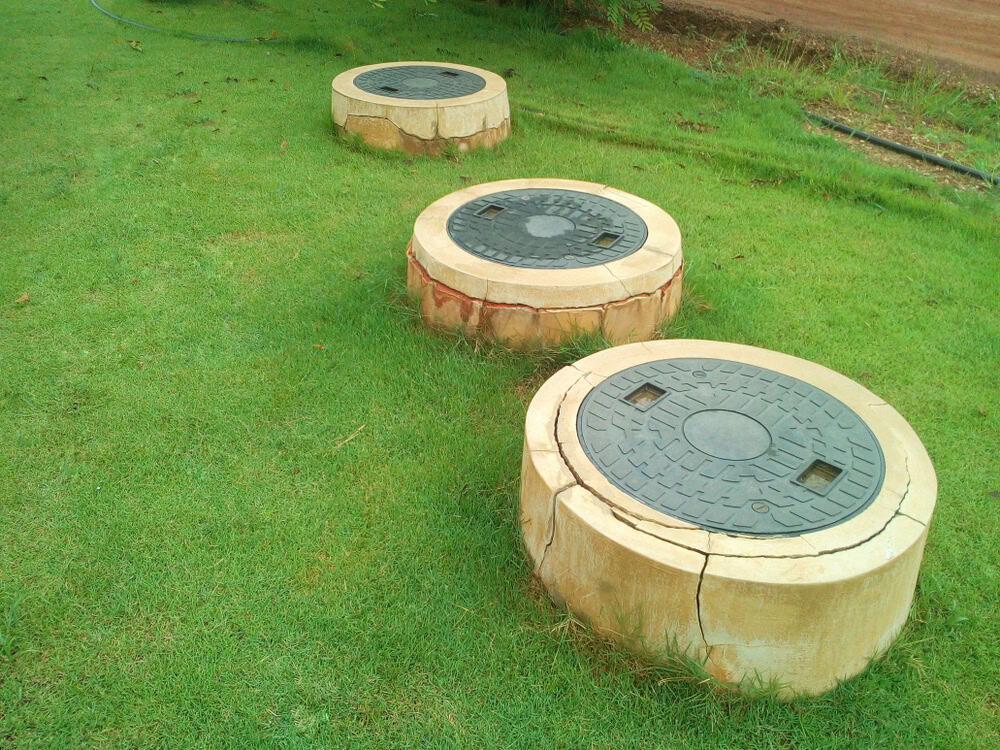
A healthy cesspool already contains naturally occurring bacteria that break down organic waste. That’s how the system is supposed to work. Biological additives — the bacterial and enzyme products you’ll find at hardware stores — are designed to supplement that bacterial population, particularly after something has disrupted it. Common disruptors include antibacterial soaps, bleach-based cleaning products, and certain medications that pass through the household wastewater stream.
The EPA has looked at this question directly. Their finding: biological additives do not appear to improve the performance of a healthy, properly functioning septic system. For a system that’s already working well, adding bacterial packets isn’t going to make it work better.
Where the question gets more nuanced is when a system has been disrupted. If a household has been heavy on antibacterial products or bleach-based cleaners, or if the bacterial population has been knocked back for some reason, a biological additive can help restore the balance more quickly than waiting for the population to recover on its own. In that specific context, they serve a legitimate purpose.
What they cannot do is substitute for pumping. No additive — biological, enzymatic, or otherwise — removes the accumulated solid waste from the bottom of a cesspool. That waste has to be physically pumped out. A system that’s at or near capacity doesn’t become less full because you’ve added a bacterial packet.
It’s also worth knowing that Suffolk County requires cesspool additive products to be approved by the county Commissioner before they’re sold. That’s a regulatory layer most homeowners aren’t aware of, and it’s worth checking whether a product you’re considering has that approval before you use it.
When Cesspool Treatment Helps — and When It's Just Buying Time
The most useful way to think about cesspool treatment products is as a maintenance support tool, not a maintenance replacement. If your system is healthy, pumped on schedule, and not being overwhelmed by summer load, a biological additive used consistently can help maintain the bacterial environment that makes the system work efficiently. That’s a legitimate use case.
The problem is that most people reach for treatment products when they’re already noticing a problem — a slow drain, an occasional smell, something that doesn’t feel quite right. In that situation, a treatment packet isn’t going to fix what’s happening. It might temporarily mask a symptom, but the underlying issue — a system that’s full, stressed, or beginning to fail — doesn’t respond to additives. It responds to pumping, inspection, and in some cases repair.
If you’re weighing whether to spend money on treatment products or put that money toward a pumping service, the answer from both the EPA and most experienced cesspool professionals is consistent: pumping is the better use of those funds. A routine pumping removes the solid waste that’s actually causing the problem.
There’s a version of this that comes up every summer on Long Island: a homeowner notices something off, picks up a treatment packet, adds it to the system, and waits. The symptoms ease slightly or seem to stabilize. A few weeks later, the problem is worse — because the underlying cause was never addressed. By that point, what might have been a straightforward pumping job has had more time to develop into something more complicated.
The honest takeaway is this: treatment products have a role in cesspool maintenance, but that role is supporting a healthy system, not rescuing a struggling one. If you’re seeing warning signs, the right first call is to a cesspool professional, not the hardware store aisle.
What Long Island Homeowners Should Do Before Summer Gets Away From Them
If you haven’t had your cesspool pumped in three or more years, and this summer has brought more people, more water use, and more activity than usual, it’s worth scheduling a service before the season ends. The cost difference between routine maintenance and an emergency situation is significant — and the timing of a backup is never convenient, especially when you have guests.
Watch for the warning signs: slow drains across multiple fixtures, gurgling sounds after flushing, wet spots in the yard, or odors near the cesspool area. Any one of those on its own might be nothing. More than one showing up at the same time is worth taking seriously.
We’ve been serving Long Island homeowners since 1980. We work across Nassau and Suffolk Counties, we’re licensed by New York State, and we’ll tell you upfront what a service call involves and what it costs — no surprise charges after the fact. If you’re not sure whether your system needs attention, a quick call to 631-250-6829 is the easiest way to find out.