Summary:
Understanding What Causes Septic Tank Backups in Long Island Homes
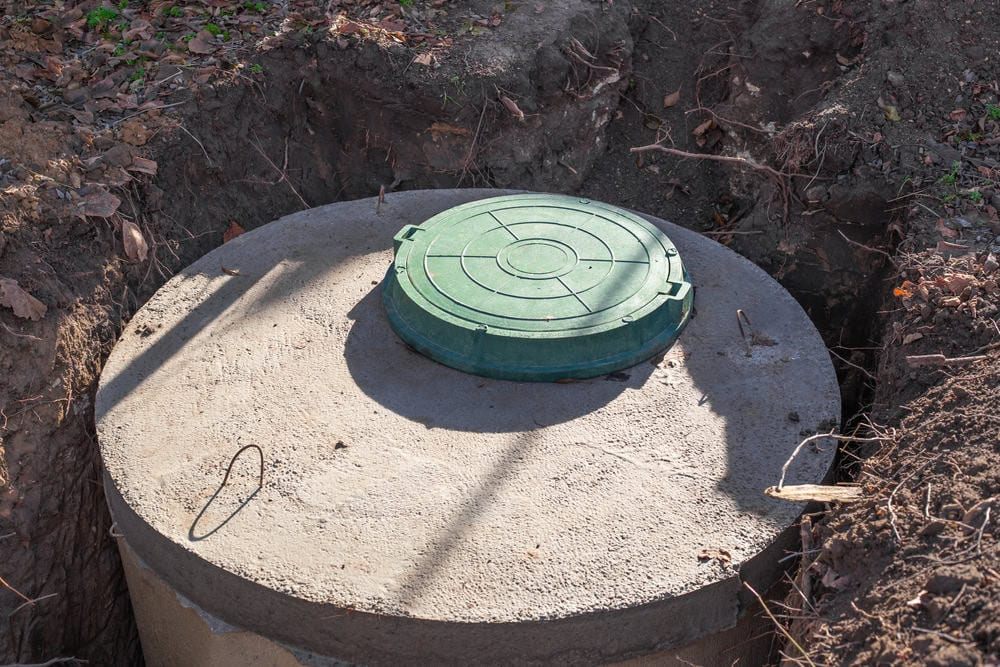
Your septic system is designed to separate solids from liquids, allowing treated wastewater to disperse into the drain field. When that process breaks down, waste has nowhere to go except back toward your house.
The backup happens for a few core reasons. Your tank might be full—solids have accumulated to the point where there’s no room for incoming wastewater. The main line between your house and tank could be clogged with grease, roots, or debris that blocks flow completely. Or your drain field has failed, meaning the soil can no longer absorb the liquid your tank is trying to discharge.
On Long Island specifically, you’re dealing with conditions that accelerate these problems. The sandy soil drains quickly, which sounds good until you realize it also means contaminants move faster and systems work harder. The high water table puts constant pressure on tanks and drain fields, especially during heavy rains. These aren’t excuses—they’re realities that affect how often you need septic tank pumping and how quickly small issues become emergencies.
Warning Signs Your Septic System Is About to Fail
Most backups don’t happen without warning. Your system tries to tell you something’s wrong days or even weeks before sewage comes up through your drains. The problem is that homeowners either don’t recognize these signs or assume they’ll resolve on their own.
Multiple drains running slow throughout your house—not just one sink, but several fixtures—means your main line clog or tank is struggling. When you flush a toilet and hear gurgling from the shower drain, that’s air trapped in the system because wastewater isn’t flowing properly. Sewage odors inside your home or around your yard indicate waste isn’t being contained where it should be.
Standing water or unusually lush grass over your septic tank or drain field during dry weather tells you the tank is at or over capacity, pushing wastewater to the surface. If you notice water backing up into your lowest drains first—basement sinks, floor drains, ground-level showers—that’s because sewage takes the path of least resistance when it can’t go forward.
Here’s what Long Island homeowners need to understand: these warning signs develop faster here than in other regions. Your sandy soil and high water table mean less margin for error. A system that might limp along for months elsewhere can fail in weeks on Long Island. When you notice these symptoms, you’re not being paranoid by calling for service. You’re being smart.
The worst sign is sewage actually backing up into your home through toilets, showers, or floor drains. By this point your tank has exceeded capacity and the entire system is compromised. This is a health hazard and an emergency that requires immediate professional attention and likely septic backup cleanup. Waiting even a day can cause extensive property damage and expose your family to harmful bacteria like E. coli, hepatitis A, and salmonella.
Why Long Island Septic Systems Fail Faster Than Other Regions
If you’ve talked to homeowners in other parts of the country about septic systems, you might have noticed their maintenance schedules look different from what Long Island professionals recommend. That’s not because we’re trying to sell you more services. It’s because the geology and regulations here create unique challenges.
Long Island sits on a sole-source aquifer, meaning all our drinking water comes from underground. That makes septic system failures more than a homeowner problem—they’re an environmental issue. The sandy soil that defines our landscape allows water to percolate quickly, but it also means contaminants from failing systems reach groundwater faster than they would in clay-heavy regions.
Nassau County’s clay-heavy soils in some areas create the opposite problem. Clay retains water longer and processes waste differently, meaning your septic system works harder and fills up faster than systems in sandy areas. When you delay septic tank pumping in clay soil conditions, the consequences happen more quickly. Your preventative pumping schedule needs to account for these soil differences.
The high water table across Long Island, NY puts constant hydraulic pressure on your system. During heavy rains or snow melt, that water table rises, potentially flooding your tank and drain field. A saturated system can’t accept additional waste, which is why backups often happen after storms even if your tank was recently pumped.
Then there are the regulatory changes. Suffolk County’s 2019 cesspool installation ban changed everything for homeowners. You can’t replace a failing cesspool with another cesspool anymore. You must upgrade to a septic system or advanced treatment technology. Nassau County has similar restrictions. This means every service visit now includes evaluation of whether your existing system can be maintained or whether you’re approaching the point where replacement becomes mandatory.
These aren’t abstract concerns. Most Long Island cesspools show signs of deterioration after 15-20 years of service. If your system was installed before 2000, you’re in the window where we need to assess not just current function but remaining lifespan. Early detection through professional inspection extends system life and prevents groundwater contamination, but it also helps you plan financially for eventual replacement rather than facing a $20,000 emergency expense when the system fails completely.
Emergency Protocol: First Steps When Your Septic Tank Backs Up
The moment you realize sewage is backing up into your home, you need to act. Not tomorrow, not after you finish the load of laundry—right now. The protocol is simple, and following it prevents the situation from getting exponentially worse.
Stop all water use immediately. Turn off faucets, don’t flush toilets, stop the dishwasher and washing machine. When sewage is flowing into your home, it’s because the water you’re using has nowhere to go. Stop running water and the flow of sewage will stop. This feels obvious once you understand it, but most people’s first instinct is to keep trying to flush or run water down drains to “clear” the problem. That makes it worse.
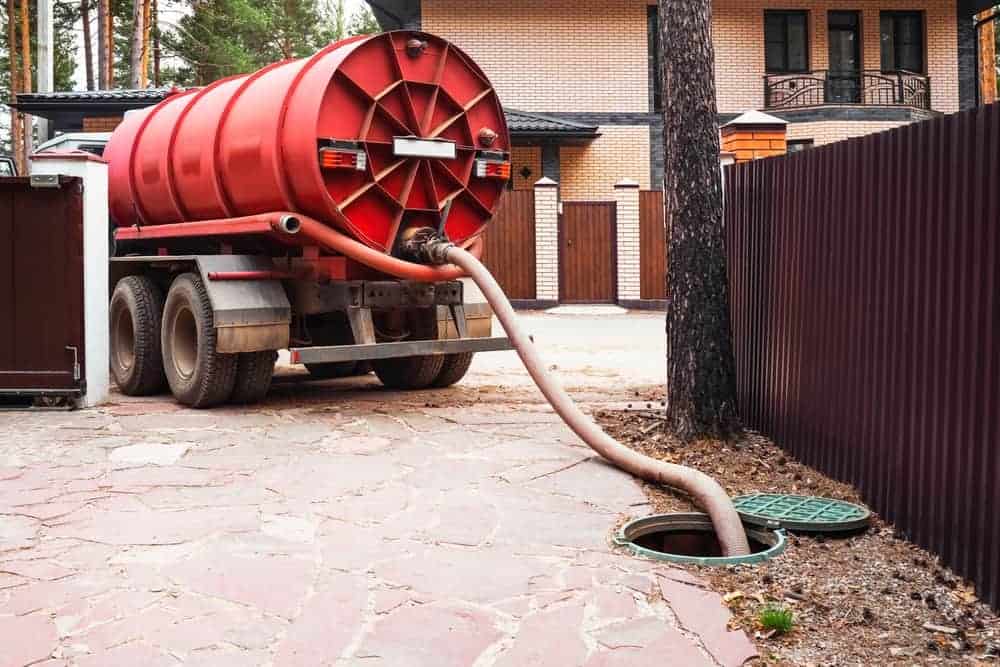
Call a septic professional who offers 24/7 emergency service. This is not a DIY situation, and it’s not something that can wait until Monday morning. You need someone with a pump truck and diagnostic equipment to determine whether the problem is a full tank, a main line clog, or a failed drain field. The diagnosis determines the solution, and attempting to fix it yourself can cause damage that turns a $400 septic tank pumping into a $5,000 repair.
Critical Mistakes That Turn a Backup Into a Disaster
When sewage is backing up, panic can lead to decisions that make everything worse. Let’s be clear about what you should avoid, because these mistakes happen constantly and they’re expensive.
Don’t use chemical drain cleaners. The harsh chemicals can harm the beneficial bacteria in your septic tank that break down waste, and they won’t solve the underlying problem anyway. If your tank is full or your drain field has failed, pouring chemicals down the drain just adds contaminated liquid to a system that’s already overwhelmed.
Don’t keep running water hoping the problem will resolve. Every gallon you add is another gallon that has to come back up through your drains. If you’re having a backup, continuing to use water is like trying to fill a bucket that’s already overflowing—you’re just creating more mess that requires professional septic backup cleanup.
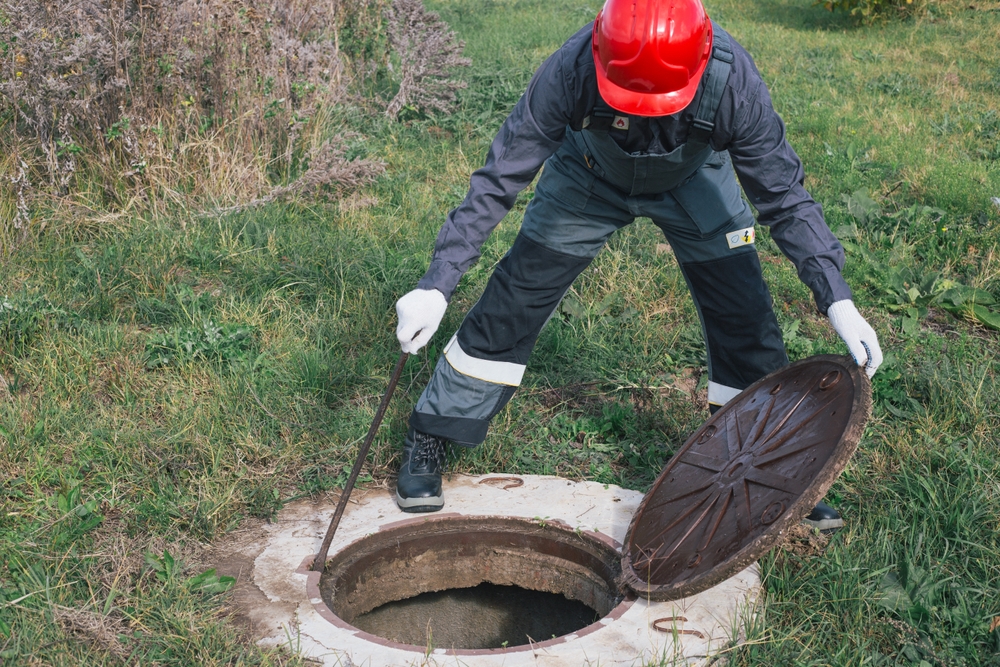
Don’t attempt to open your septic tank yourself. Tank lids can be heavy and require special tools to open safely. More importantly, the gases inside a septic tank—hydrogen sulfide and methane—are toxic. Brief exposure to high concentrations can cause dizziness, nausea, and unconsciousness. Longer exposure or higher levels can be fatal. This is not exaggeration. Homeowners die every year from septic gas exposure because they didn’t realize the danger.
Don’t delay calling for professional help because you’re worried about the cost. Emergency septic tank pumping typically costs 40-60% more than scheduled service, which might sound expensive until you compare it to what happens if you wait. Sewage backups into your home require professional remediation, usually $3,000 to $7,000 for cleanup, sanitization, and restoration including replacing carpets, repairing drywall, and treating for mold. Septic system repairs average $600 to $3,000 for minor issues, and $1,000 to $5,000 for extensive damage.
The longer you delay once you notice a backup, the more expensive the fix becomes. A simple pump-out that costs a few hundred dollars can prevent a $15,000 system replacement. That’s not a sales pitch—it’s math based on what actually happens when homeowners wait.
High-Pressure Water Jetting and Professional Sludge Removal Solutions
Once the immediate emergency is handled and your tank is pumped, the question becomes: why did this happen, and how do you prevent it from happening again? This is where professional diagnosis and advanced cleaning methods make the difference between a temporary fix and an actual solution.
High-pressure water jetting uses water at pressures up to 4,000 psi—about 100 times the pressure of water flowing from your faucet—to scour the inside of your septic lines. A specialized nozzle sprays water in a 360-degree pattern, flushing debris down the line and completely cleaning the pipe walls. This removes grease buildup, sludge, and even small root intrusions that mechanical snakes can’t reach.
The advantage of high-pressure water jetting over traditional methods is that it’s actually gentler on your pipes. Mechanical augers can cause tiny cracks in sewer pipe lining that become problems over time. Chemical cleaners degrade the pipe lining, pollute the environment, and create hazardous fumes. Hydro jetting uses plain water to clear away blockages without cracking or degrading the pipes, making it ideal for Long Island’s aging infrastructure.
For Long Island, NY homeowners dealing with a main line clog, high-pressure water jetting clears the obstruction and prevents it from recurring quickly. If tree roots have infiltrated your lines—common in older neighborhoods where mature trees surround homes—jetting can cut through small root intrusions and restore flow. It won’t fix a line that’s completely compromised by roots, but it can buy you time to plan for repairs rather than facing an emergency replacement.
Sludge removal goes beyond standard septic tank pumping. Over time, solid waste settles at the bottom of your tank while oils and grease float to the top. Without regular pumping, these layers grow thicker until they start flowing into your drain field, clogging the soil pores that allow liquid waste to seep away naturally. Once this happens, the damage is often permanent.
Professional sludge removal involves pumping the tank completely, then using high-pressure water or mechanical agitation to break up compacted solids that standard pumping doesn’t remove. This is particularly important for systems that have gone too long between pumpings or for commercial properties with heavy usage. The process restores your tank’s capacity and prevents the overflow that leads to drain field failure requiring expensive septic backup cleanup.
Here’s the reality for Long Island homeowners: skipping regular septic tank pumping allows solids to overflow into your drain field, causing permanent soil damage that requires expensive replacement costing $15,000-30,000. Regular $300-500 pumping every 3-5 years prevents this. The math is stark—30 years of routine maintenance costs less than one drain field replacement. That’s why a preventative pumping schedule isn’t optional—it’s essential.
Building Your Preventative Pumping Schedule to Avoid Future Emergencies
The best emergency protocol is the one you never have to use. Once you’ve dealt with a backup, the goal is making sure it doesn’t happen again—or at least not for another 20+ years.
Professional maintenance extends your system’s lifespan from 15 years to 25+ years. That’s not a minor difference. It’s the difference between replacing your system once versus twice during your time in your home, potentially saving $15,000-30,000. Most Nassau and Suffolk County homes need septic tank pumping every 3-4 years, but your specific preventative pumping schedule depends on household size, water usage, and whether you have a garbage disposal.
The key is catching problems during the hundreds-of-dollars repair stage instead of the thousands-of-dollars replacement stage. Regular inspections identify developing issues—cracks in the tank, root intrusion in lines, early signs of drain field saturation—before they cause backups. Documentation from these inspections also proves system condition for property sales and helps access grant funding if upgrades become necessary.
If you’re facing a septic emergency right now, or if you’re seeing the warning signs we discussed, reach out to us at Antorino & Sons. With over 60 years of Long Island experience, we understand the unique challenges your system faces and we’re available 24/7 when emergencies happen.