Summary:
What Causes Cesspool Problems in Long Island Homes
Long Island sits on sandy soil with a high water table. That combination makes your cesspool work harder than systems in other parts of the country. Water moves through the ground faster here, which sounds like a good thing until you understand what it means for your system.
Every time you flush, shower, or run the dishwasher, wastewater flows into your cesspool. Solids settle at the bottom. Liquids seep out through the sides into the surrounding soil. Over time—usually 2 to 3 years for most households—those solids build up. When they reach a certain level, your system stops working the way it should.
The problem isn’t just inconvenience. Long Island’s drinking water comes entirely from underground aquifers. When cesspools fail here, contamination doesn’t stay put—it spreads through that sandy soil and threatens the water supply for your neighbors and your own family.
How Long Island soil Affects Cesspool Performance And Failure Rates
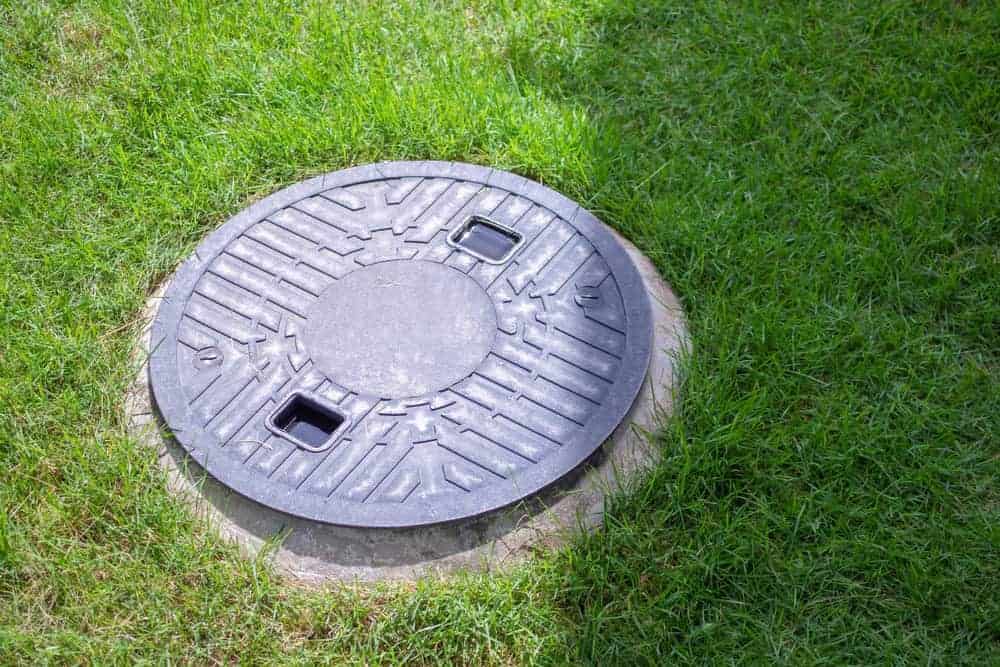
Most people don’t think about what’s under their lawn until something goes wrong. But the type of soil you have determines how well your cesspool functions and how quickly problems develop.
Sandy soil drains fast. That’s great for new systems, but it also means contaminants move rapidly through the ground. If your cesspool is full or failing, sewage can reach water wells and coastal waters within weeks or months—not years. Clay soil, which some Long Island properties have, creates the opposite problem. It doesn’t absorb liquids quickly, so an overloaded cesspool can cause surface contamination that pools in your yard and affects neighboring properties.
The water table adds another layer of complexity. In many Long Island areas, especially near the coast, the water table sits relatively close to the surface. When your cesspool fills beyond capacity, there’s less soil between the waste and the groundwater. That reduced buffer zone means less natural filtration and a higher risk of contamination.
Long Island cesspools built before the 1970s face additional challenges. Many were constructed from concrete blocks that have exceeded their structural lifespan. The materials break down over time, creating weak points where the system can collapse. These older systems also weren’t designed with today’s environmental standards in mind, which means they’re more likely to leak or fail in ways that threaten groundwater quality.
Understanding your soil type matters because it affects maintenance schedules. Properties with sandy soil might need more frequent cesspool pumping to prevent rapid infiltration problems. Those with clay soil need to watch for surface signs of backup. Either way, the unique geology of Long Island makes regular professional inspection more important here than in many other regions.
Why Regular Cesspool Maintenance Prevents Expensive Emergencies
Preventive cesspool services cost between $300 and $500 annually for most Long Island homes. Complete cesspool replacement runs $8,000 to $15,000. That math alone should make the case for regular service, but most homeowners don’t schedule maintenance until they’re dealing with an emergency.
The reason is simple: when everything seems fine, it’s easy to put off maintenance. Your cesspool sits underground, out of sight. There’s no dashboard light that comes on when it’s 80% full. By the time you notice symptoms, the system is already approaching failure.
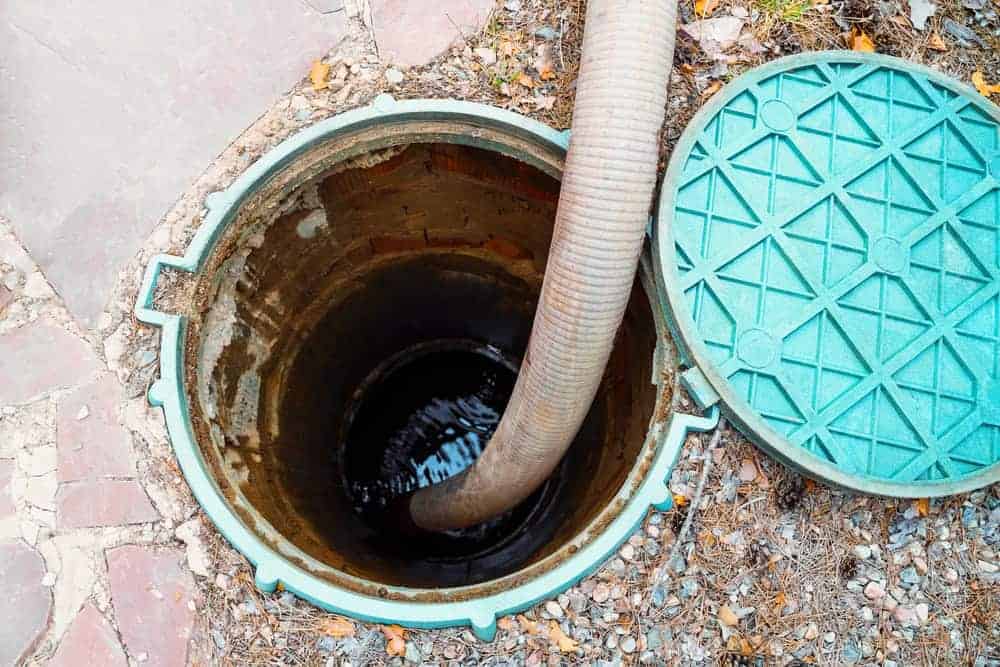
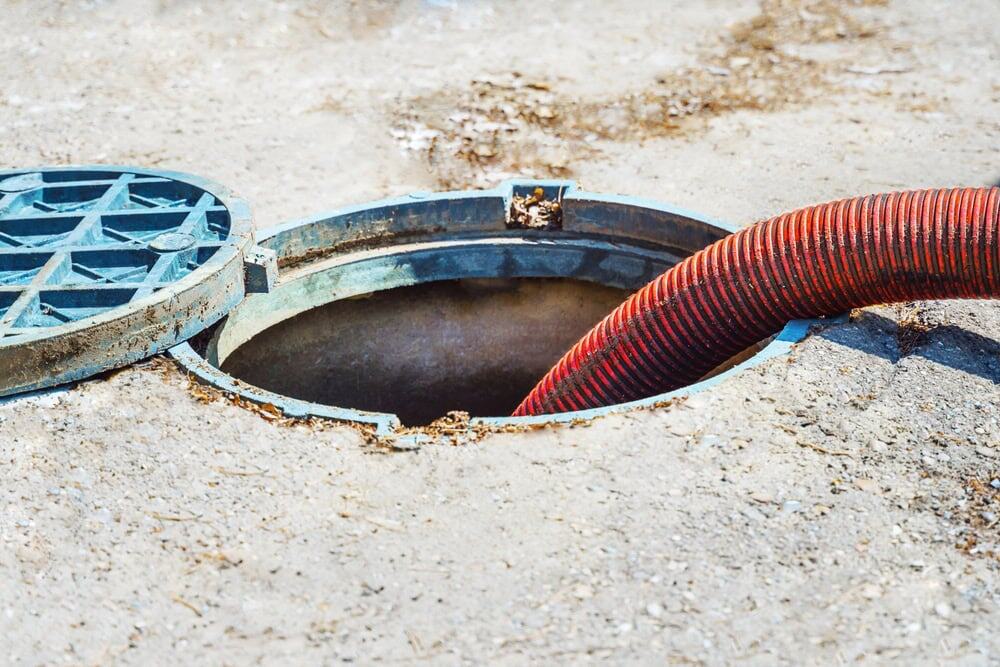
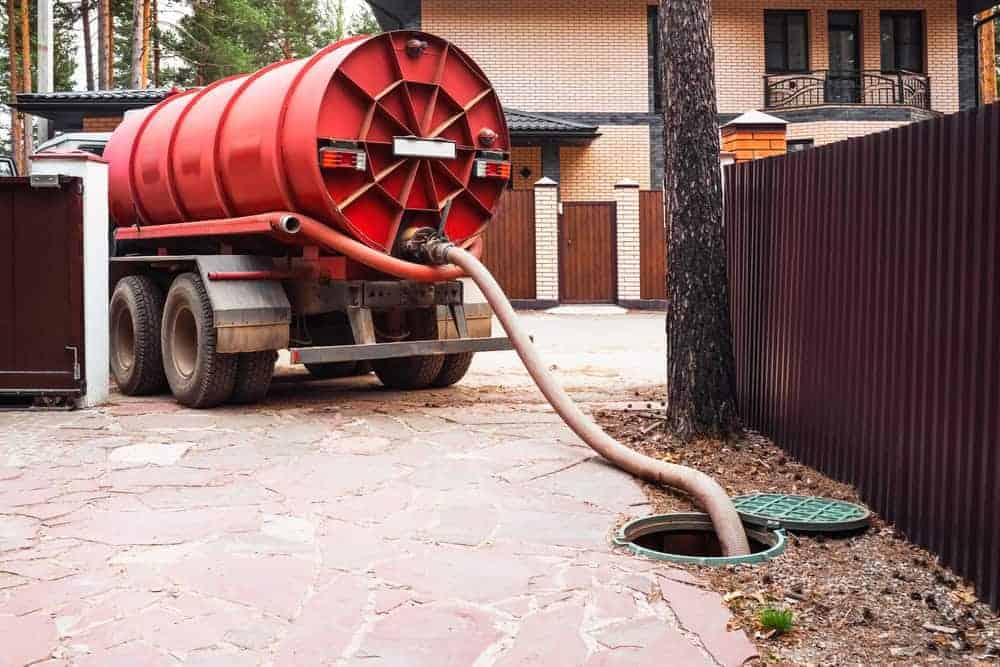
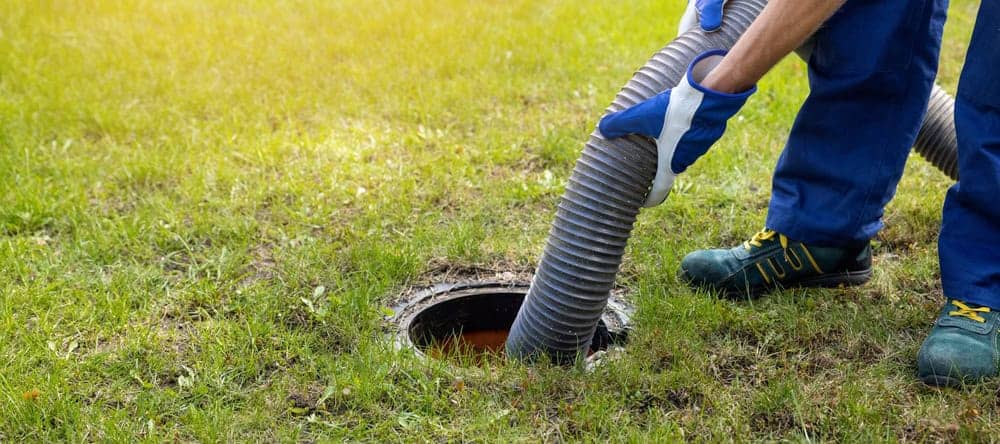
Here’s what happens during professional cesspool maintenance that you can’t do yourself. We pump accumulated solids using commercial vacuum equipment designed for complete waste removal without damaging the cesspool structure. We inspect the interior walls for cracks or deterioration that could affect performance. We check baffle conditions, measure liquid levels, and examine the distribution box for proper operation. This thorough approach catches developing problems when repairs cost hundreds instead of thousands.
Skipping routine cleaning has predictable consequences. Homeowners who neglect cesspool maintenance face emergency repairs within 5 to 7 years. Those repairs often happen at the worst possible time—during a holiday gathering, right before you’re hosting family, or in the middle of winter when frozen ground makes excavation more difficult and expensive. Emergency cesspool service costs more than scheduled maintenance, and the damage to your home and property while you wait for repairs adds to the total bill.
Insurance coverage for cesspool problems varies significantly between policies. Many standard homeowner’s insurance policies exclude coverage for “maintenance-related” failures. That means if your system fails because you didn’t pump it regularly, you’re responsible for the full cost of repairs and cleanup. Those expenses can easily exceed $15,000 to $25,000 for complete system replacement and property restoration.
Regular cesspool maintenance also provides documentation that protects you during property sales. When you sell your home, buyers often require proof of proper cesspool care. Service records show that you’ve maintained the system responsibly, which can prevent delays during closing and give buyers confidence in the property’s condition.
5 Warning Signs Your Cesspool Needs Service Now
Your cesspool doesn’t wait until it’s convenient to tell you there’s a problem. These five warning signs appear gradually, which makes them easy to dismiss as minor issues. But each one indicates that your system is struggling, and ignoring them leads to more serious—and expensive—problems.
The key is recognizing these signals early. Once you know what to look for, you can schedule cesspool service before you’re dealing with sewage backing up into your home or a collapsed system creating a sinkhole in your yard. Let’s break down what each warning sign means and why it matters for Long Island homeowners specifically.
Slow Drains Throughout Your Home Signal Cesspool Capacity Problems
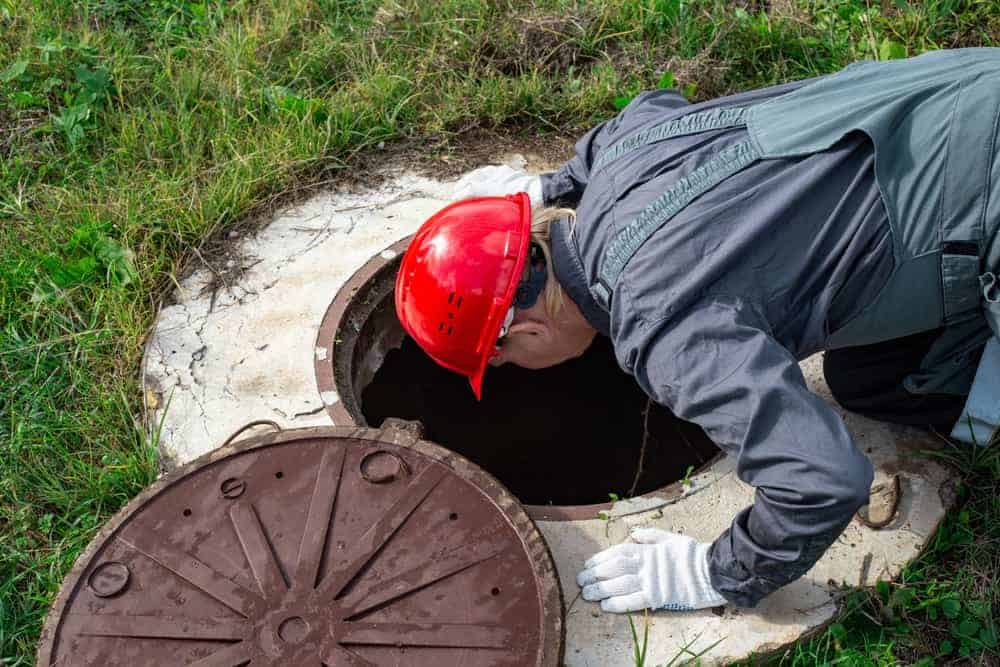
When one drain moves slowly, you probably have a clog in that specific pipe. When multiple drains throughout your house are slow—the kitchen sink, the shower, the toilet—that’s your cesspool sending a clear message. The system is full or blocked, and wastewater has nowhere to go.
This happens gradually enough that you might not notice at first. The toilet takes an extra second to drain completely. The shower water pools around your feet a bit more than usual. You run the kitchen faucet and the sink empties just a little slower than it used to. Each incident seems minor on its own, but together they indicate that your cesspool is reaching capacity.
Long Island’s clay soil conditions make this problem more noticeable. Clay doesn’t absorb liquids quickly, so when your cesspool fills up, the backup happens faster than it would in sandier areas. You might go from slightly slow drains to complete backup within days once the system reaches its limit.
Slow drains are often the first warning sign you’ll notice, which makes them valuable. If you call for cesspool pumping at this stage, you’re looking at routine maintenance. Wait until the drains stop working completely, and you’re dealing with an emergency that costs significantly more to fix. The wastewater that can’t drain properly backs up into your home, creating unsanitary conditions that require professional cleanup beyond just pumping the cesspool.
Homeowners sometimes try to fix slow drains with store-bought drain cleaners or by snaking individual pipes. Those solutions might provide temporary relief, but they don’t address the underlying problem. If your cesspool is full, chemical drain cleaners won’t help—they just add more chemicals to an already overloaded system. Professional assessment determines if you’re dealing with a simple clog or a cesspool that needs pumping, which saves you time and money compared to trying multiple DIY fixes that don’t work.
Unpleasant Odors Around Your Property Mean Cesspool Trouble
Sewage smells don’t belong anywhere near your home. If you notice foul odors in your yard, near your basement, or even inside your house, your cesspool is telling you it’s either full, failing, or both. The smell comes from gases that build up when wastewater can’t drain properly or from sewage that’s starting to surface.
These odors often appear in specific patterns that tell you what’s happening underground. A smell near the cesspool location in your yard suggests the system is full and gases are escaping through the soil. Odors in your basement or near drains inside your home indicate that sewer gases are backing up through your plumbing. Either scenario requires immediate professional attention.
Long Island’s high water table makes odor problems more serious than they might seem. When your cesspool is full and the water table is high, there’s less space for wastewater to go. The sewage can start to surface in your yard, creating wet spots that smell and pose serious health risks. Children and pets playing in contaminated areas face exposure to dangerous bacteria, viruses, and parasites that cause illness.
The smell itself isn’t just unpleasant—it’s a health warning. Sewer gases contain methane and hydrogen sulfide, which can be harmful in high concentrations. If you’re smelling sewage inside your home, it means those gases are entering your living space through your plumbing system. Opening windows doesn’t solve the problem; you need to address the source by having your cesspool serviced.
Some homeowners try to mask odors with air fresheners or by improving ventilation. That’s like putting a bandage on a broken bone—it doesn’t fix anything. The smell will return, and the underlying problem will continue to worsen. Professional cesspool pumping removes the accumulated waste causing the odor and allows us to inspect for damage or leaks that might be contributing to the problem.
Odors also affect your property value and your relationship with neighbors. If the smell is noticeable from the street or drifting to adjacent properties, it creates tension and can make your home harder to sell. Addressing the problem quickly protects both your immediate comfort and your long-term property investment.
What to Do When Your Cesspool Shows Warning Signs
The signs are there if you know what to look for. Slow drains, strange odors, wet spots in your yard, gurgling sounds from your plumbing, or unusually green patches of grass near your cesspool location—each one is your system’s way of asking for help before a complete failure happens.
Long Island’s unique soil and water conditions make these warnings more urgent here than in other parts of the country. Contamination spreads quickly through sandy soil. High water tables reduce the buffer between your cesspool and the drinking water supply. Older systems built before the 1970s are reaching the end of their structural lifespan. All of these factors mean that catching problems early protects your family’s health, your property value, and your wallet.
Regular cesspool maintenance every 2 to 3 years costs a fraction of what you’ll pay for emergency repairs. More importantly, it lets you rest assured that your system is working properly and not creating health hazards for your family. When you need reliable cesspool services that understand Long Island’s specific challenges, we bring decades of local experience to every job.