Summary:
You’ve got the guest rooms ready, the menu planned, and family arriving in two weeks. But there’s one thing most Suffolk County homeowners forget until it’s too late: your cesspool or septic system is about to handle more stress than it sees all year. When your in-laws are using the bathroom and your teenage niece is taking her third shower of the day, that’s not the time to discover your system can’t keep up. Holiday septic problems don’t just cause inconvenience—they create embarrassing, expensive emergencies that turn celebrations into disasters. The good news is that most holiday cesspool failures are completely preventable if you know what to do before the first guest pulls into your driveway.
Why Holiday Gatherings Overwhelm Your Cesspool System
Your cesspool or septic system was designed for your household’s normal daily use. A family of four generates a predictable amount of wastewater that your system handles without issue most of the year. Then the holidays hit and suddenly you’ve got eight people in the house for a long weekend.
The math is simple but brutal. Each person uses 50-80 gallons of water daily between showers, toilet flushes, hand washing, and cooking. Double your household size and you’ve just doubled the wastewater your system needs to process in the same 24-hour period.
Suffolk County’s sandy soil and high water table make this worse. Your system doesn’t have much buffer when things go wrong. What might limp along for weeks elsewhere can fail in days here when you add holiday stress to an already-full tank. Scheduling cesspool pumping before a busy holiday period can help prevent an overloaded system from becoming an emergency.
Cesspool Emergency Prevention Starts Weeks Before Guests Arrive
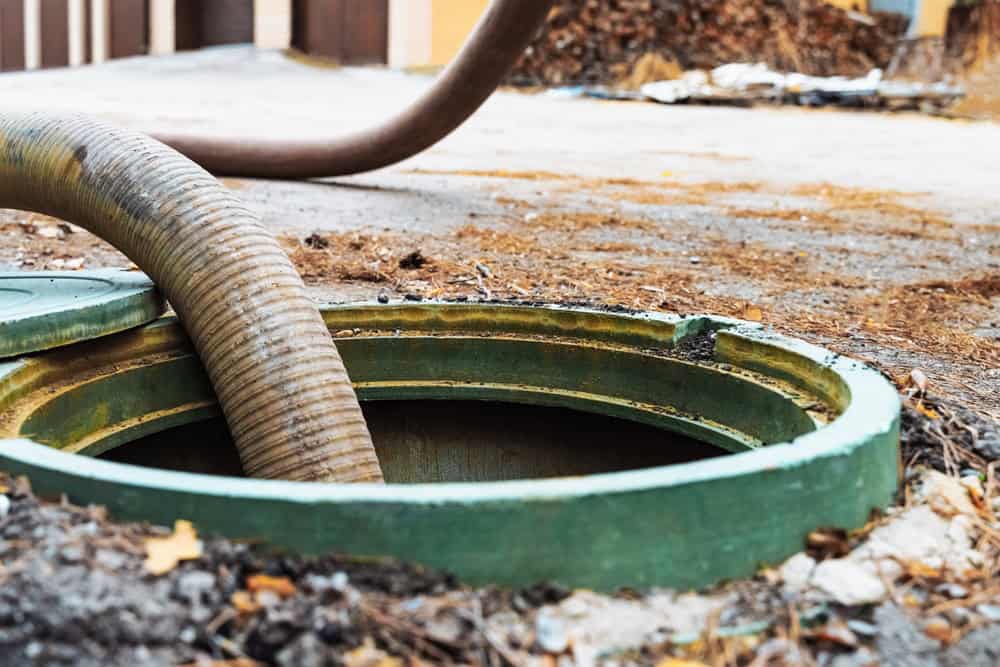
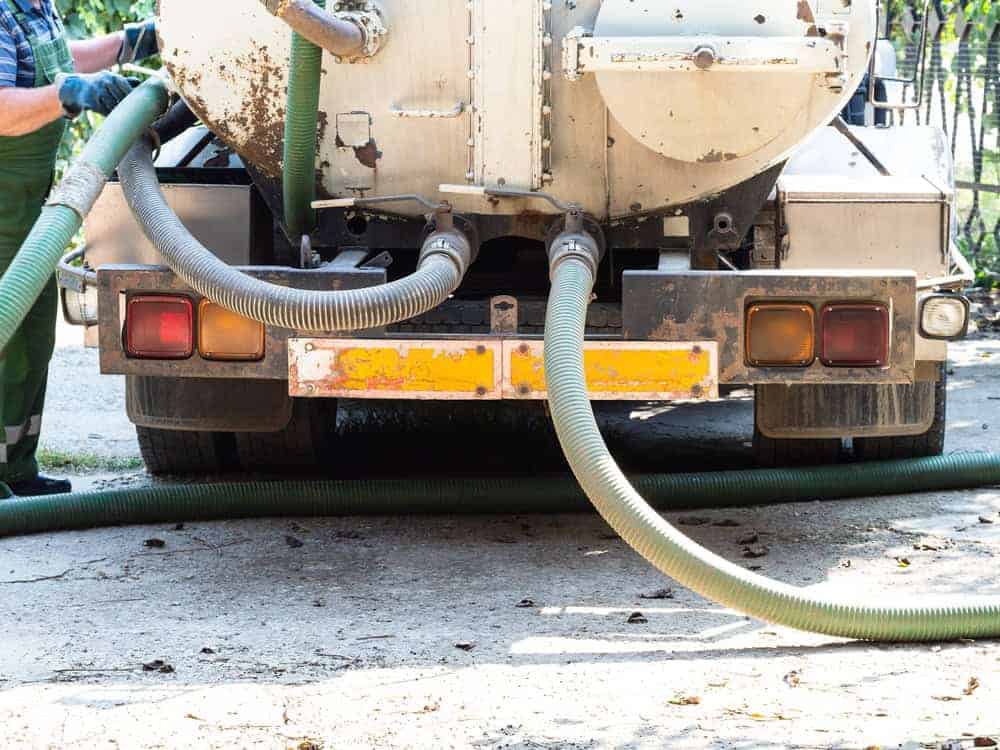
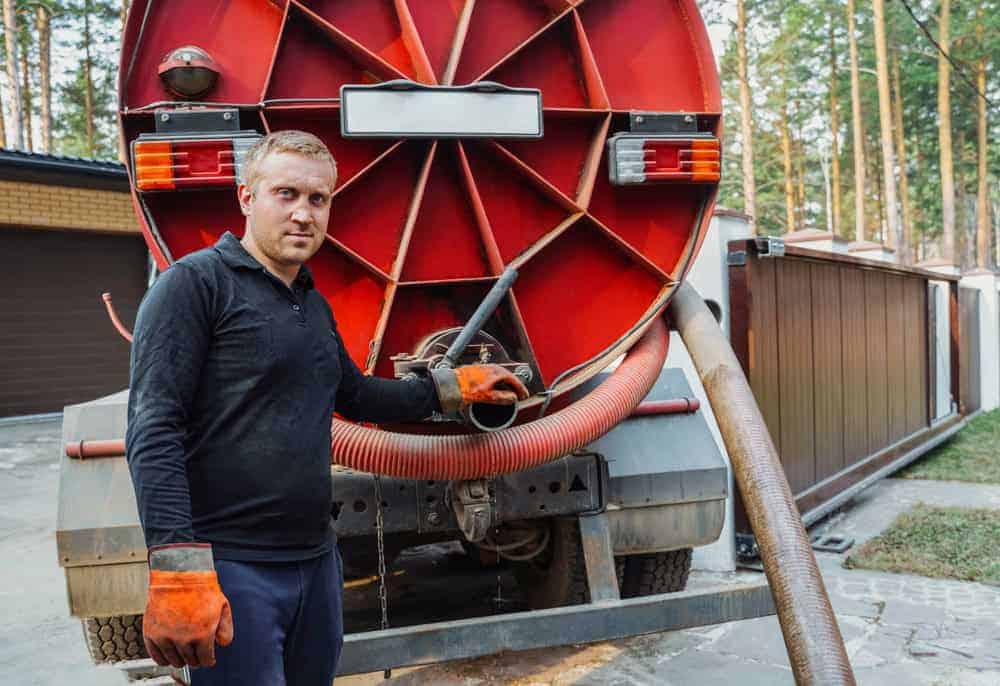
The single most effective thing you can do is schedule professional cesspool pumping four to six weeks before your holiday gathering. This isn’t just good practice—it’s insurance against the kind of backup that sends sewage into your basement while grandma’s carving the turkey.
When you pump before the holidays, you’re creating capacity. Your tank starts nearly empty, which means it has maximum room to handle the surge of wastewater from your guests. Instead of pushing solids into your distribution system where they cause expensive damage, that extra space gives your cesspool room to do its job properly.
Timing matters more than you think. Schedule too early and your tank fills back up before guests arrive. Wait too long and you’re competing with every other homeowner who just realized they need service right now. The sweet spot is that four to six week window when companies still have availability and your system gets maximum benefit.
Don’t skip this if it’s been more than two years since your last service. Most Suffolk County homes need pumping every one to three years under normal conditions. If you’re hosting and approaching that timeline, pre-holiday pumping isn’t optional—it’s the difference between a smooth gathering and a plumbing nightmare.
The cost comparison tells the whole story. Scheduled pumping runs $400-700 depending on your tank size and condition. Emergency service during a holiday weekend? You’re looking at three to four times that amount, plus the cleanup costs if sewage backs into your home. A single backup incident costs more than five years of proactive maintenance.
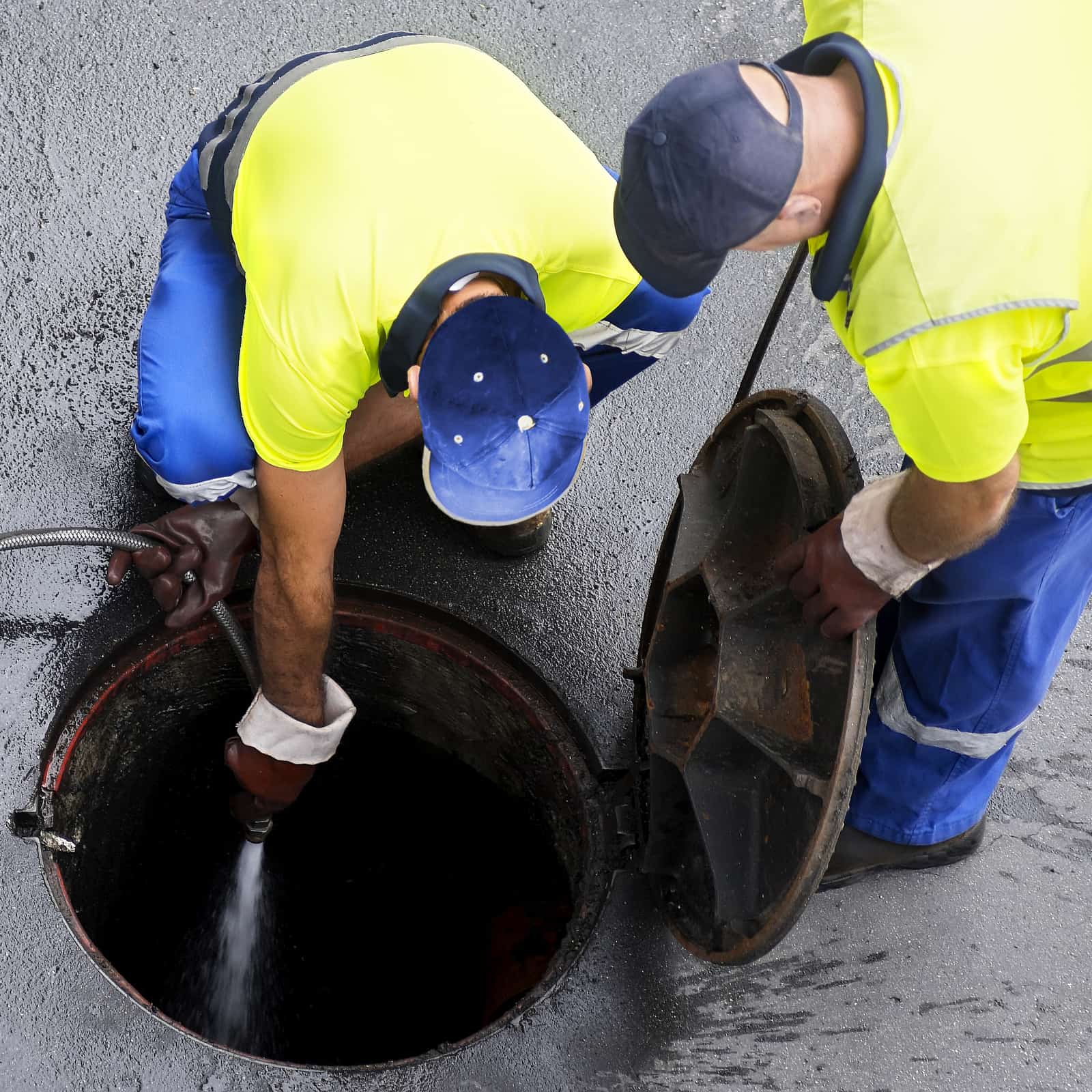
Beyond pumping, get a professional inspection while the technician is there. Small issues like deteriorating baffles or clogged effluent filters won’t fix themselves. Finding them before guests arrive means you can address problems on your schedule, not during a holiday emergency when options are limited and prices are premium.
Suffolk County regulations require documentation for property transfers and permits. Having current service records also proves you’ve maintained your system properly, which matters if you ever need to file an insurance claim or sell your home.
Managing Water Usage When Your House Is Full
Even with a freshly pumped tank, you need a plan for managing the water surge that comes with holiday guests. Your system can only process so much wastewater at once. Overload it and you’re asking for problems.
Start by spreading out water-intensive activities. Don’t run the dishwasher while three people are showering and someone’s doing laundry. Your system gets overwhelmed when everything hits at once. Instead, stagger usage throughout the day. Morning showers, then wait an hour before running appliances. Evening dishes after the water usage from dinner prep has moved through.
This isn’t about making your guests uncomfortable. It’s about understanding that your cesspool has a finite capacity to accept wastewater in any given hour. Give it time to process one load before adding another and you avoid the hydraulic overload that causes backups.
Talk to your guests before they arrive, especially if they’re not familiar with septic systems. Most people who’ve always had city sewer don’t think twice about what goes down the drain. A quick conversation prevents problems. Explain that only toilet paper gets flushed—no wipes, feminine products, or paper towels. Those items don’t break down and they will clog your system.
Put small trash cans with lids in every bathroom. This gives guests an obvious place to dispose of items that shouldn’t be flushed. A simple reminder card by the toilet works too. You’re not being paranoid—you’re preventing the clogs that cause thousands in damage.
Kitchen habits matter just as much. Grease, cooking oil, and food scraps are cesspool killers. They don’t break down like other organic waste. Instead, grease floats to the top of your tank and hardens into a layer that reduces capacity and can flow out to clog your distribution system. Scrape plates into the trash before washing. Pour grease into a container for disposal, never down the drain.
If you have a garbage disposal, use it sparingly during the holidays or skip it entirely. Every bit of food waste you grind up is solid material your tank has to handle. During a week when your system is already stressed, that extra load pushes things toward failure.
Watch for early warning signs while guests are there. Slow drains, gurgling sounds from plumbing fixtures, or sewage odors around your property mean your system is struggling. Don’t ignore these signs hoping they’ll go away. They won’t. They’ll get worse. If you notice problems starting, reduce water usage immediately and call for service before it becomes an emergency.
The difference between a minor issue and a major disaster is often just a few hours. Catching problems early means you might need a quick pump-out instead of dealing with a complete system failure that ruins your holiday and costs thousands to fix.
Prevent Cesspool Backup During Holiday Gatherings
Cesspool backups during the holidays follow a predictable pattern. Your tank fills beyond capacity, solids block the distribution system, and wastewater has nowhere to go except back toward your house. Understanding this process helps you prevent it.
The first sign is usually slow drains. Water that used to disappear quickly now sits in your sink or shower. This happens because your tank is full and can’t accept new wastewater efficiently. By the time you notice standing water or sewage odors, you’re already in trouble.
Suffolk County’s winter conditions make this worse. Cold temperatures slow the bacterial action in your tank that breaks down waste. Frozen or saturated ground reduces your system’s ability to absorb effluent. Your cesspool is working harder in conditions that make it less efficient.
What to Do If Your Cesspool Shows Warning Signs During the Holidays
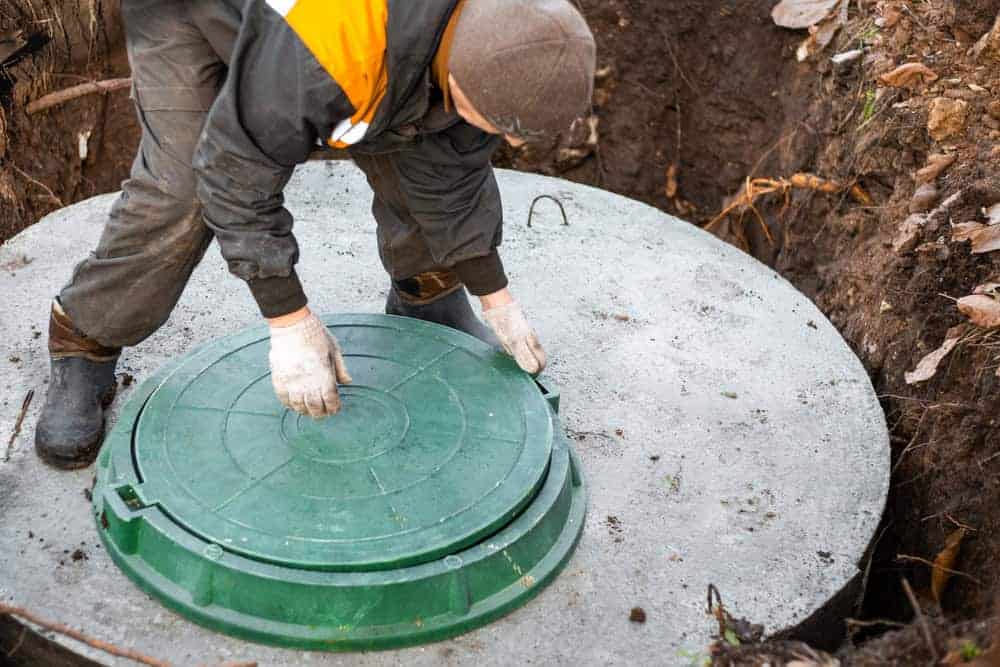
The moment you notice slow drains, strange odors, or gurgling sounds from your plumbing, you need to act. Don’t wait to see if things improve on their own. They won’t.
First, reduce water usage immediately. Stop running dishwashers and washing machines. Ask guests to take shorter showers and space them out. Every gallon you can keep out of an already-stressed system buys you time to get professional help before a full backup occurs.
Call for service right away, even if it’s a holiday weekend. Yes, emergency rates are higher. But the cost of waiting until sewage backs into your home is much worse. You’re not just paying for pumping at that point—you’re paying for cleanup, potential property damage, and the health hazards that come with raw sewage exposure.
While you’re waiting for service, identify your lowest drains. Basement floor drains, ground-level showers, and lower bathroom fixtures are where backups appear first because sewage takes the path of least resistance. If you see water or sewage coming up through these drains, your system has exceeded capacity and you’re in full emergency mode.
Don’t try to fix this yourself with chemical drain cleaners or additives. These products can damage your system and they won’t solve the underlying problem of a full tank or failed distribution system. You need professional pumping and assessment, not temporary fixes that make things worse.
Keep guests away from areas where you’re seeing problems. Raw sewage contains bacteria and pathogens that create serious health risks. Children and pets especially need to stay clear of any areas with standing water or sewage exposure.
Document everything if you need to file an insurance claim later. Take photos of any damage, keep receipts for emergency service, and note when problems started. Most homeowner’s insurance won’t cover damage from maintenance-related failures, but if your system failed despite proper care, you may have coverage for resulting damage.
The key to surviving a holiday cesspool problem is recognizing warning signs early and acting immediately. The homeowners who fare best are the ones who call for help at the first sign of trouble, not the ones who hope problems will resolve themselves.
Long Island Winter Conditions That Affect Your Cesspool
Suffolk County winters create specific challenges for cesspool systems that you need to understand when planning holiday gatherings. The ground conditions, temperature fluctuations, and precipitation patterns all affect how your system performs.
Winter soil saturation is the biggest issue. Rain and snow saturate the ground, which means your distribution system is trying to release effluent into soil that’s already holding maximum moisture. The liquid has nowhere to go, which backs pressure up into your tank and eventually into your house.
Cold temperatures slow everything down. The bacterial action in your tank that breaks down solid waste operates best at warmer temperatures. When your tank gets cold, this process slows significantly. Solids build up faster than they’re being broken down, which means your tank fills quicker than it would in summer.
Long Island’s proximity to water creates temperature swings that mainland areas don’t experience. You’ll get a warm day followed by a sudden freeze overnight. Your system doesn’t have time to adjust, which can cause components to crack or fail.
Snow cover actually helps by insulating your tank and distribution area. Don’t shovel or plow snow off your cesspool location. That snow layer maintains ground temperature and protects components near the surface from freeze damage.
The combination of holiday stress and winter conditions is why so many Suffolk County homeowners face cesspool emergencies between Thanksgiving and New Year’s. You’re asking your system to handle peak usage during the season when it’s least capable of doing so. Pre-holiday preparation becomes even more critical when you factor in these environmental challenges.
If your property has a high water table—common near Great South Bay, Peconic Bay, or along the Sound—winter makes this worse. The water table rises with precipitation and your system is constantly fighting against hydraulic pressure from groundwater. This is why systems that work fine in August can fail in December even without increased usage.
Understanding these conditions helps you make better decisions about timing and preparation. If you know your property struggles with winter drainage, that pre-holiday pumping becomes non-negotiable. If your system has shown sensitivity to cold weather in past years, you might need more frequent service than the standard recommendations suggest.
Protect Your Holiday Gatherings From Cesspool Disasters
Holiday septic problems are predictable, preventable, and expensive when you ignore the warning signs. The homeowners who enjoy stress-free gatherings are the ones who prepare their systems weeks in advance, not the ones who hope everything will be fine.
Schedule that pre-holiday pumping four to six weeks before guests arrive. Manage water usage once your house is full. Educate guests about what can and can’t go down your drains. Watch for warning signs and act immediately if problems start. These simple steps prevent the vast majority of holiday cesspool emergencies.
Suffolk County’s unique soil conditions and winter weather make proper maintenance even more critical here than in other regions. Your system faces challenges that generic advice doesn’t address. Working with professionals who understand Long Island cesspools means you get recommendations based on how systems actually perform in this environment, not just what the manual says. When you’re ready to prepare your system for the holidays or need help with an existing problem, we bring over 60 years of Suffolk County experience to keep your gatherings running smoothly.