Summary:
You’re watching a septic truck pull away after a $400 pumping, and a thought crosses your mind: there has to be something I can do myself between these visits. You’re not wrong. There’s plenty you can handle. But there’s also a very clear line between smart homeowner maintenance and the kind of DIY that ends with emergency room visits or five-figure repair bills.
Here’s what most Suffolk County homeowners don’t realize: the daily choices you make about water use and what goes down your drains have more impact on your system’s lifespan than almost anything else. You can absolutely take care of your septic system in ways that save money and prevent problems. Once you know what’s actually safe to handle yourself and what requires a professional, maintaining your system becomes straightforward instead of stressful.
Understanding Your Septic System Before You Touch Anything
Before you can maintain something, you need to know how it works. Your septic system has one job: treat wastewater from your home before it returns to the environment. The process isn’t complicated once you see it.
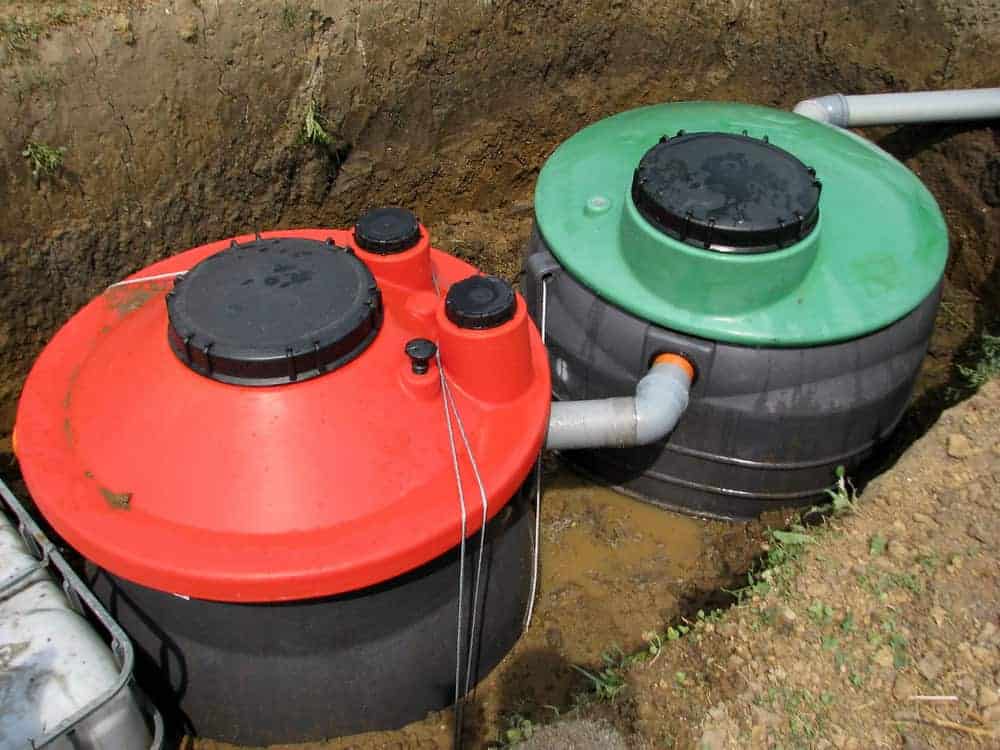
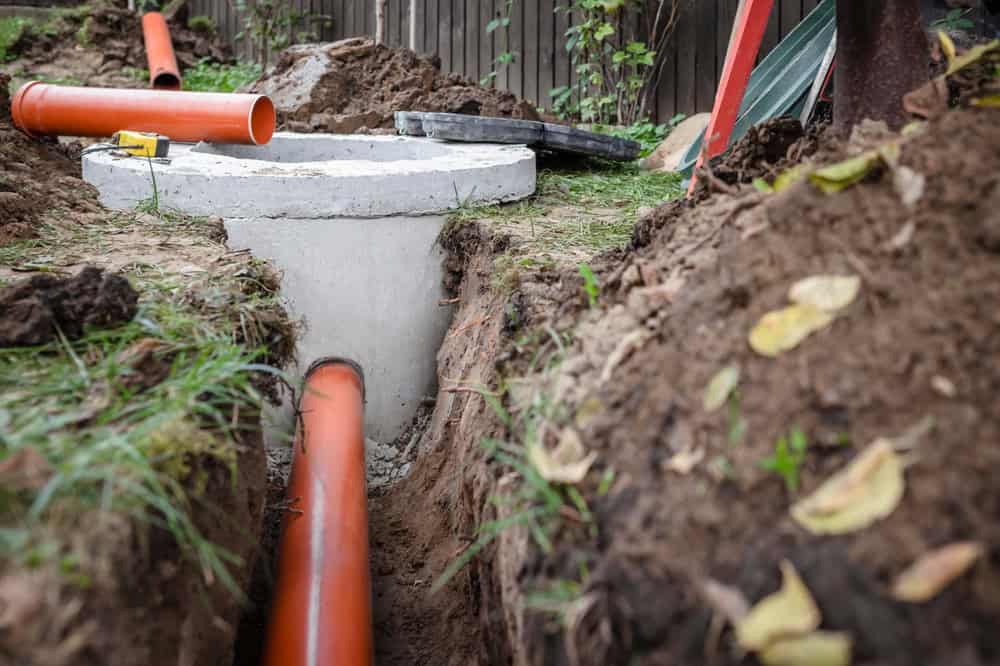
Wastewater flows into an underground tank. Solids settle to the bottom forming sludge. Lighter materials float to the top creating a scum layer. The liquid in the middle flows out to your drainfield where soil naturally filters it before it reaches groundwater. That’s it.
Here’s what matters for septic tank maintenance DIY work: when sludge and scum layers get too thick, solids start escaping into your drainfield. That’s when your system stops working properly and you’re facing expensive repairs. Everything you do as a homeowner either protects that process or puts it at risk. Regular septic tank maintenance helps keep the system functioning properly and can reduce the risk of costly problems.
How Long Island's Conditions Change the Rules
Suffolk County isn’t like other places when it comes to septic systems, and that changes what you need to know about maintenance. Long Island sits on a sole source aquifer. Every drop of water you use ends up filtering back into the same groundwater that supplies drinking water for you and your neighbors. There’s no backup source.
The sandy soil here drains fast, which sounds like a good thing until you realize it also means less time for natural filtration before wastewater reaches groundwater. Your system works harder here than it would inland. High water tables add another challenge. During heavy rains or in coastal areas like Mastic Beach, groundwater rises closer to your system. Less soil means less treatment capacity exactly when you need it most.
That’s why Suffolk County homeowners typically need pumping every one to three years instead of the three to five years you’ll see recommended nationally. A family of four in Huntington or Babylon should expect service every one to two years. Single-person households might stretch to three or four years, but that’s still more frequent than other regions.
These conditions also mean Suffolk County has stricter regulations than many other areas. As of July 2019, you can’t replace a failing cesspool with another cesspool—you have to upgrade to a modern septic system. The county requires professional inspections every three years. These aren’t suggestions. They’re legal requirements designed to protect the water supply everyone depends on.
Understanding these local factors helps you see why some septic tank maintenance DIY tasks that might be safe elsewhere aren’t legal or advisable here. The stakes are higher when you’re dealing with Long Island’s unique environmental conditions and sole source aquifer.
The Real Dangers: Why Some DIY Work Can Actually Kill You
This isn’t scare tactics to push you toward calling professionals for everything. Septic tanks produce gases that are genuinely lethal, and you need to understand that before you consider any work that involves opening your tank.
Methane is colorless and odorless. You won’t know it’s there until you’re unconscious. It’s also highly flammable—a single spark near accumulated methane can cause an explosion. Hydrogen sulfide smells like rotten eggs at low concentrations, but at higher levels it actually deadens your sense of smell right before it kills you. At just 100 parts per million, it can cause rapid unconsciousness and death.
These gases are heavier than air. They don’t dissipate easily. Opening a septic tank releases them directly into the surrounding area. Leaning over an open tank can cause you to collapse immediately. Falling into a septic tank means drowning in sewage or dying from toxic gas exposure within minutes.
Hundreds of people die worldwide every year from septic tank accidents. Most were attempting DIY work or trying to rescue someone who fell in. Professional septic workers wear self-contained breathing apparatus and follow strict safety protocols. They don’t do this because they’re overly cautious. They do it because the danger is real and immediate.
This is why opening your septic tank, pumping it yourself, or entering it for any reason is never a DIY task. Not even if you think you’re being careful. Not even if you’ve done it before without incident. The risk isn’t worth any amount of money you might save. Some professional services exist because the alternative is genuinely dangerous, and septic pumping is one of them.
Beyond the gas hazards, septic tanks contain raw sewage with bacteria, viruses, and parasites that cause serious illness. Professional septic workers have the training and equipment to handle waste safely and dispose of it at approved treatment facilities. That’s not something you can replicate with a rental pump and good intentions.
Safe DIY Cesspool Maintenance Tips for Homeowners
Now that you know what not to touch, let’s talk about what you can and should do yourself. These septic system care tasks are safe, legal, and genuinely helpful for keeping your system running between professional services.
The most impactful thing you can do is manage what goes into your system. Your septic tank is designed to handle human waste and toilet paper. That’s it. Everything else you flush or pour down the drain is working against the system. No wipes, even ones labeled flushable. No feminine products, dental floss, or paper towels. No grease, coffee grounds, or harsh chemicals.
Your tank relies on bacteria to break down waste. Harsh cleaners, especially bleach and antibacterial products, kill that bacteria. Use them sparingly if you must use them at all. Mild detergents and baking soda clean just as well without disrupting your system’s biological process. This is basic septic system care that costs nothing and prevents major problems.
Water Management: The Easiest Way to Extend System Life
Every gallon of water that enters your home eventually enters your septic system. The more water you use, the harder your system works. Reducing water usage is the single most effective septic tank maintenance DIY strategy available to you, and it doesn’t require any special tools or expertise.
Fix leaky faucets and running toilets immediately. A toilet that runs continuously can send hundreds of extra gallons through your system every day. That’s not just wasting water—it’s overloading your tank and preventing solids from settling properly before liquid flows to your drainfield.
Spread out water use throughout the week. Doing six loads of laundry in one day floods your system with more water than it’s designed to handle at once. The tank doesn’t have time to separate solids from liquids. Untreated wastewater ends up in your drainfield, which clogs it and eventually causes system failure. Instead, do one or two loads on different days. Your system gets time to process wastewater properly.
Install water-efficient fixtures when you can. Low-flow toilets, faucet aerators, and efficient showerheads reduce the volume entering your system without requiring you to change your habits. High-efficiency washing machines use significantly less water per load than older models. These upgrades pay for themselves through lower water bills while protecting your septic investment.
When you control water volume and timing, you’re preventing the most common cause of premature system failure in Suffolk County. This simple septic system care habit can extend the time between pumpings and add years to your drainfield’s lifespan.
Monitoring Your System: What to Watch For Between Services
You don’t need to be a septic expert to spot warning signs that something’s wrong. Regular monitoring catches problems while they’re still small and fixable instead of waiting until you have sewage backing up into your house during a family dinner.
Walk your property periodically and check the area above your tank and drainfield. Soggy ground or standing water when it hasn’t rained means wastewater isn’t draining properly. Unusually lush or green grass in one spot indicates sewage is surfacing and fertilizing that area. Both are signs your system is failing or your tank is overdue for pumping.
Pay attention to how your drains behave. Slow draining throughout your house—not just one sink or toilet—often means your septic tank is full or there’s a blockage in the line to your tank. Gurgling sounds from drains when you run water elsewhere in the house indicate air is being pushed back through your plumbing because wastewater isn’t flowing out properly. These are early warnings that professional service is needed.
Foul odors around your tank area or drainfield are obvious red flags. Your system shouldn’t smell. If it does, something is wrong. Don’t ignore it hoping it’ll resolve itself. It won’t.
Keep records of when your tank was last pumped, what the service provider found, and any repairs that were made. This history helps you predict when you’ll need service again and gives professionals useful information when they do come out. Mark your tank and drainfield locations on a property diagram. You’ll save time and money when service is needed because the crew won’t have to hunt for your system.
These monitoring tasks take minimal time and no special equipment. But they give you early warning of problems before they become emergencies. Catching issues early means choosing when to schedule service instead of dealing with a crisis on a weekend when emergency rates apply. That’s smart septic tank maintenance DIY work that protects your investment.
When to Call a Septic Professional Instead of Going DIY
The line between DIY maintenance and professional service is clear once you understand it. You can manage what goes into your system, monitor for problems, and control water usage. Those tasks are safe and genuinely helpful. But anything involving opening your tank, pumping it, making repairs, or working with the system’s mechanical components requires a licensed professional—not because we want to protect our business, but because those tasks are genuinely dangerous and legally regulated for good reason.
In Suffolk County, that line also includes legal requirements. Replacing or retrofitting your cesspool requires permits and professional installation. Professional inspections are required every three years. Waste must be disposed of at approved facilities by licensed haulers. These regulations exist to protect Long Island’s sole source aquifer, and violations carry real consequences.
The smart approach combines both. Handle the daily septic system care tasks that keep your system healthy between services. Call professionals for pumping, inspections, and repairs. That combination gives you the cost savings of DIY care without the risks of crossing into dangerous territory. When you’re ready for professional service or you’ve spotted warning signs that need expert evaluation, we bring local expertise and reliable service to Suffolk County homeowners who want their systems maintained properly.