Summary:
Your cesspool has been doing its job for years. Maybe decades. But now you’re hearing about Suffolk County regulations, or noticing slow drains, or wondering what happens when it finally gives out. The truth is, cesspools don’t last forever, and when replacement time comes, you can’t just swap it for another cesspool. Suffolk County banned cesspool-only installations back in 2019. That means your next move involves either converting to a proper septic system or installing a completely new one. The costs, timelines, and requirements are different for each path. Here’s what you’re actually looking at.
Understanding Cesspool to Septic Conversion vs New Installation
When your cesspool fails or you decide to upgrade, you’ve got two main paths forward. The first is cesspool to septic conversion, where your existing cesspool gets decommissioned and a new septic tank with leaching system gets installed. The second is a complete new installation that may involve different placement, larger capacity, or advanced nitrogen-reducing technology.
Conversion typically costs less when your property has adequate space near the existing system and your soil conditions are favorable. You’re working with a known location, existing access points, and often less disruption to your landscaping. New installations give you more flexibility in system placement and design but require more extensive site work. A professional septic tank installation can be designed around your property’s specific conditions and wastewater needs.
The decision often comes down to your property’s layout, your household size, and whether Suffolk County regulations require you to install an I/A OWTS system—the advanced nitrogen-reducing technology now mandated for certain situations.
Septic System Conversion: What Actually Happens
The septic system conversion process follows a specific sequence that typically takes five to ten working days once permits are approved. Before any digging starts, you’ll need soil testing and percolation tests to determine how well your property drains. This data drives the system design and tells the engineer what size tank and leach field you need.
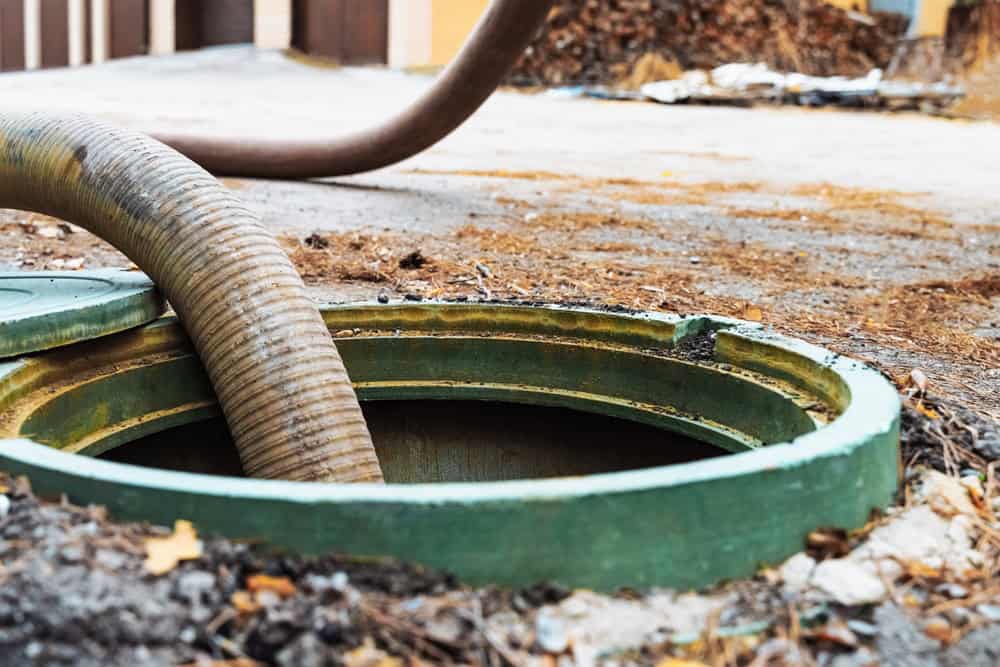
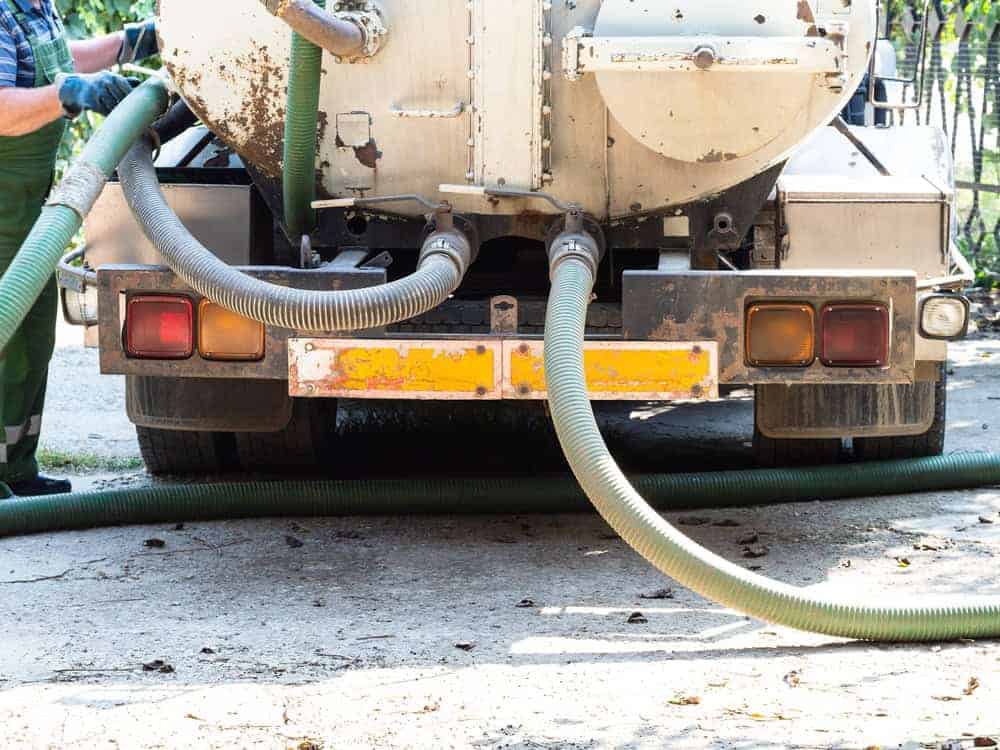
Once permits come through from the Suffolk County Department of Health Services, the actual work begins. Your existing cesspool gets pumped completely, then properly decommissioned by collapsing and filling it with approved material. Nothing gets left behind that could cause future settling or contamination issues.
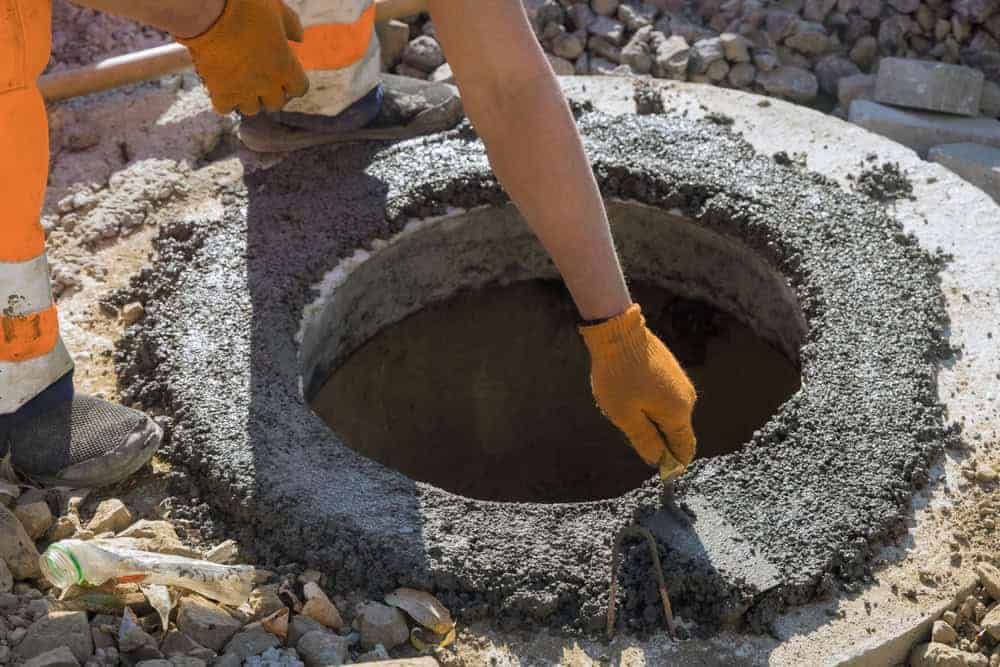
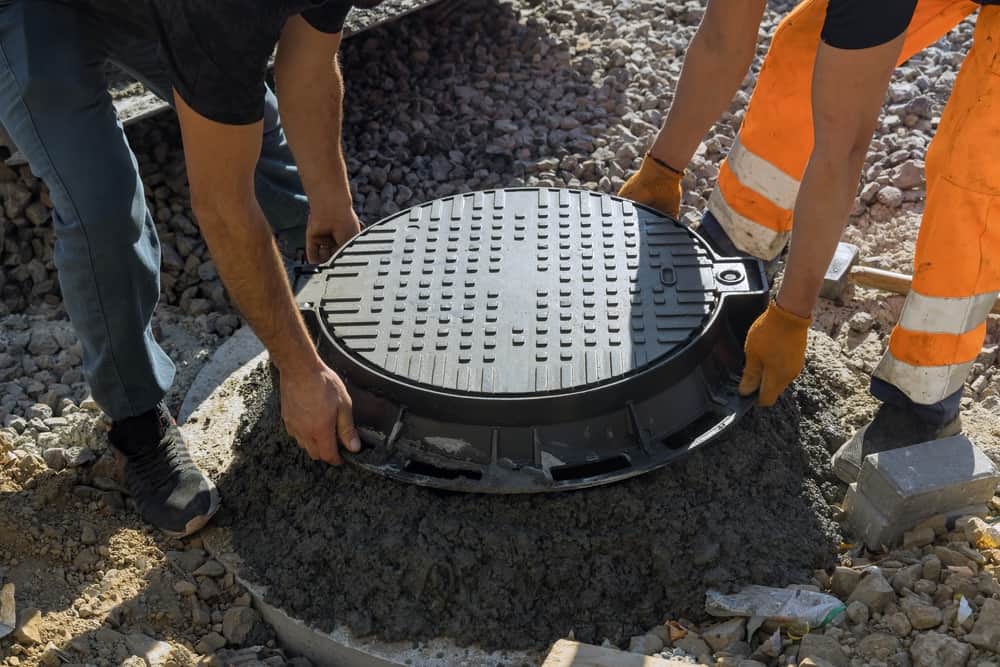
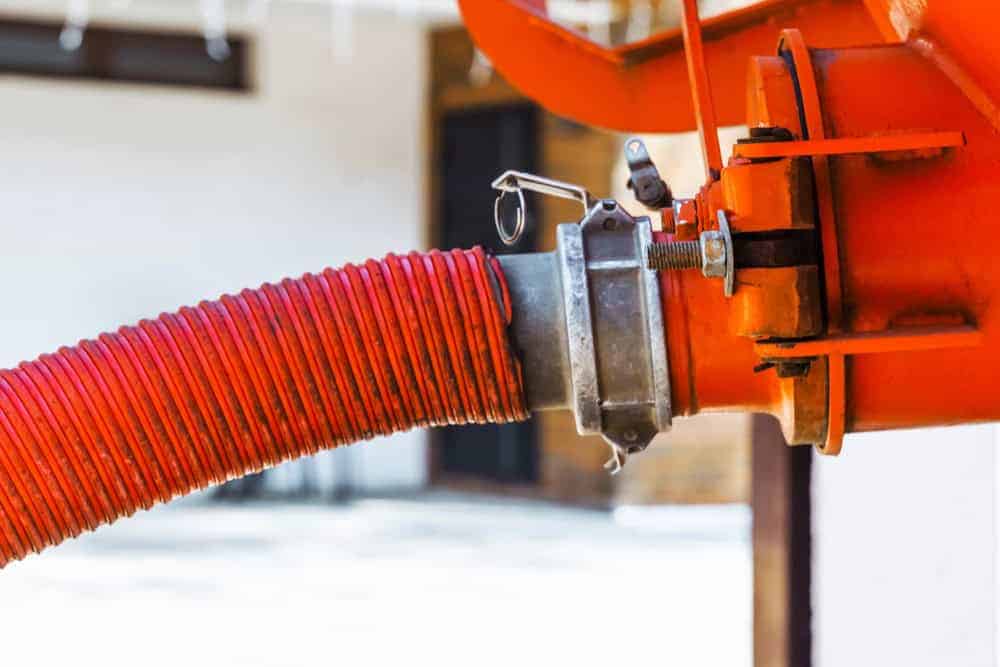
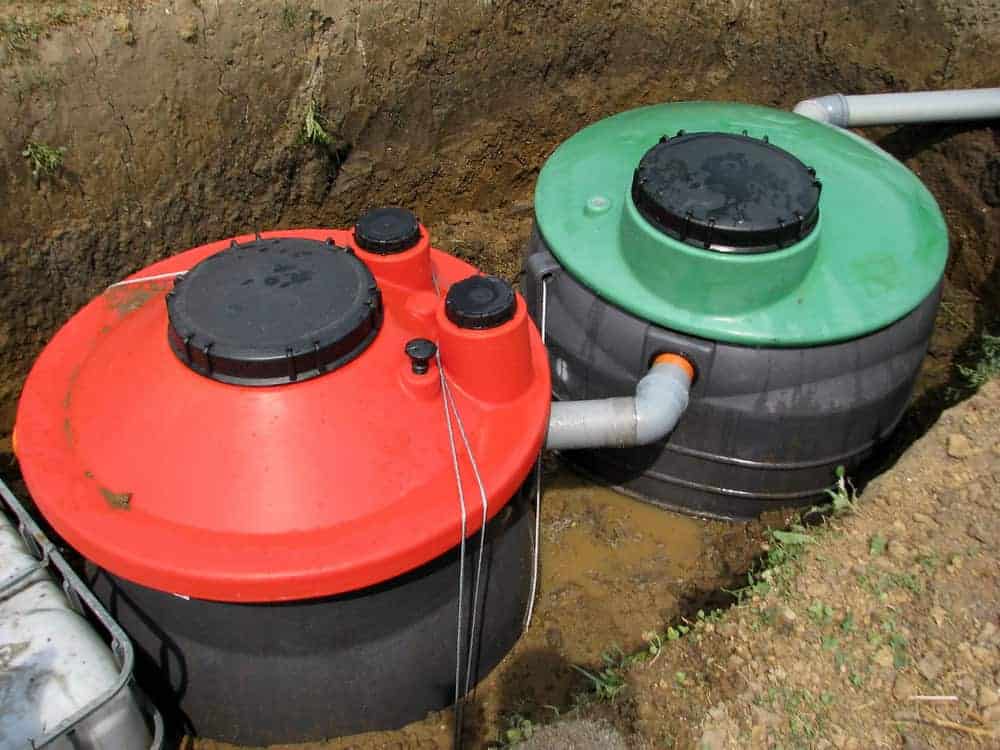
The new septic tank installation involves excavating a pit for the tank, setting the precast concrete or fiberglass unit, and connecting inlet and outlet pipes. The leach field or leaching pools get installed with proper gravel bedding and distribution piping. Everything connects to your home’s existing sewer line, and the site gets backfilled and graded.
The final step is inspection. The county needs to verify that everything meets current standards before you can use the new system. Most contractors handle scheduling these inspections as part of the installation process. The permitting phase before work starts typically adds two to six weeks to your timeline, depending on how quickly the health department processes applications and whether any site complications require additional engineering.
Key Differences Between Cesspool and Septic Systems
If you’ve only ever had a cesspool, understanding how septic systems actually work helps explain why Suffolk County requires the upgrade. A cesspool is essentially a pit with perforated walls that collects all your household wastewater—solids and liquids together. The liquid seeps into surrounding soil while solids accumulate at the bottom. There’s no treatment happening, just storage and slow drainage.
A septic system separates the process. Wastewater flows into a sealed tank where solids settle to the bottom as sludge and oils float to the top as scum. The clarified liquid in the middle—the effluent—flows out to a leach field where it disperses through perforated pipes buried in gravel trenches. The soil acts as a natural filter before the water reaches groundwater.
This separation matters because it prevents solid waste from clogging your drainage area and provides basic treatment before wastewater enters the environment. Septic tanks need pumping every three to five years to remove accumulated sludge, while cesspools often need service every two to three years because everything goes into one chamber.
The environmental difference is significant. Suffolk County sits on a sole-source aquifer—meaning all drinking water comes from underground. Cesspools discharge approximately 40 pounds of nitrogen per year directly into groundwater with no treatment. That nitrogen pollution has contributed to algal blooms, fish kills, and beach closures across Long Island. Modern septic systems, especially the I/A OWTS technology now required for new construction, can reduce nitrogen discharge by up to 70 percent.
Cesspool Upgrade Cost Analysis: Conversion vs Replacement
Money matters when you’re looking at a major system upgrade. Most Long Island cesspool to septic conversions fall somewhere between $10,000 and $25,000, though the actual number depends heavily on your specific situation. Simple conversions with favorable soil and easy access land on the lower end. Properties requiring advanced treatment systems, difficult excavation, or extensive site work push toward the higher range.
That’s before considering available grants. Suffolk County and New York State offer combined funding up to $30,000 for homeowners installing approved nitrogen-reducing systems. If you qualify, that grant money goes directly to your contractor, significantly reducing your out-of-pocket costs. Some homeowners in priority environmental areas have covered most of their conversion costs through these programs.
Compare that to emergency replacement when your cesspool fails completely. You’re looking at $8,000 to $15,000 minimum, often with rush charges, and you don’t have time to shop around or plan the project properly. The system still needs to meet current regulations, so you can’t avoid the conversion requirement even in an emergency situation.
Breaking Down Cesspool Replacement Options and Costs
Several factors drive the final cost of your cesspool replacement or conversion. Tank size matters—a three-bedroom home typically needs a 1,000 to 1,250-gallon tank, while larger households require 1,500 gallons or more. Material choice affects both upfront cost and longevity. Concrete tanks cost more initially but last 30 to 40 years. Fiberglass units run cheaper but may need replacement sooner.
Labor represents one of your biggest expenses, typically $1,500 to $4,100 depending on complexity. This covers excavation, tank installation, leach field construction, and connection to your existing plumbing. Properties with difficult access, high water tables, or rocky soil face higher labor costs because the work takes longer and requires more equipment.
Permits and testing add another layer of expense. Percolation tests run $450 to $1,400. Suffolk County septic permits vary but budget $330 to $2,000 for the application and required inspections. Some properties need land surveys to verify setback distances from property lines, wells, and water bodies. These surveys cost $330 to $900 but prevent expensive mistakes that could require system relocation.
The type of system you install makes a substantial difference. A conventional septic system with standard leach field costs less than an I/A OWTS nitrogen-reducing system. However, if your property falls under Suffolk County’s new construction or major reconstruction requirements, you don’t have a choice—the advanced system is mandatory. For existing home conversions, you can often install a conventional system unless you’re in a designated priority area or voluntarily want the nitrogen reduction benefits.
Don’t forget ongoing costs. Routine septic pumping runs $300 to $600 every three to five years. Advanced treatment systems may need annual service contracts for mechanical components. These maintenance costs are actually lower than what most homeowners spend on frequent cesspool pumping, and they’re predictable rather than emergency-driven.
Suffolk County Grant Programs and Financing Options
Suffolk County’s Septic Improvement Program can cover a substantial portion of your conversion costs if you meet eligibility requirements. The base grant provides up to $10,000, with an additional $10,000 available if you install a pressurized shallow drain field and meet income qualifications. Combined with New York State’s Septic System Replacement Fund, eligible homeowners can access up to $30,000 in grant funding.
To qualify, your property must be your primary residence—single-family, owner-occupied year-round. Rental properties, new construction, and properties with home-based businesses don’t qualify. You can’t have tax liens or be in foreclosure. The property must currently use a cesspool or septic system, not be connected to sewer or within a proposed sewer district.
Properties in environmentally sensitive areas get preferential consideration. Suffolk County maintains a priority area map showing locations near coastlines, wetlands, and drinking water sources where nitrogen pollution poses the greatest threat. If your property falls in one of these zones, your application moves up in the ranking system.
The grant money goes directly to your contractor, not to you. That means you must use an installer from Suffolk County’s approved vendor list to be eligible. These contractors have gone through the county’s solicitation process and hold proper licensing. The county pays them after your new system is installed and inspected, reducing your upfront cash requirement.
Beyond grants, homeowners can access low-interest financing through the Community Development Corporation of Long Island. These loans carry a 3 percent fixed rate over 15 years, making monthly payments manageable even for higher-cost installations. Some homeowners combine grant funding with these loans to cover their entire conversion cost without depleting savings.
Making Your Cesspool Conversion Decision
Cesspool to septic conversion isn’t optional anymore in Suffolk County when your system fails or you’re making major property changes. The regulations are clear, the environmental reasons are sound, and the grant funding makes the upgrade more affordable than most homeowners expect. What matters now is understanding your specific situation and planning the conversion on your timeline rather than waiting for an emergency.
Start by getting a professional assessment of your current system and property conditions. Know whether you’re facing mandatory conversion or have time to plan. Research your grant eligibility and get on the approved vendor list contractors’ schedules—many book out months in advance. The more you understand upfront, the smoother your conversion process will be.
If you’re dealing with a failing cesspool or want to explore your conversion options in Suffolk County, we can walk you through the process and help you understand what your property needs.