Summary:
You’ve decided to sell your Suffolk County home, and you’re getting your paperwork in order. But there’s one set of documents that catches most sellers off guard: septic records. Buyers want them. Lenders require them. And Suffolk County mandates them for property transfers. Missing or incomplete documentation doesn’t just slow down your sale—it can cost you thousands in negotiations or even kill the deal entirely. Here’s what you need to know about cesspool and septic records before you list your property, so you’re not scrambling for paperwork when you should be celebrating an accepted offer.
Suffolk County Septic Records Requirements for Home Sales
Suffolk County doesn’t mess around when it comes to cesspool and septic system documentation. The county requires property owners to maintain records of regular system maintenance, and those records become critical during real estate transactions.
You need documentation showing when your system was last pumped, who performed the work, and what condition your cesspool is in. These aren’t suggestions. They’re requirements that protect Long Island’s sole-source aquifer and ensure buyers aren’t inheriting a failing system.
Most buyers and their lenders will request this documentation during the inspection period. If you can’t produce it, you’re immediately at a disadvantage in negotiations.
What Septic Documentation Do Buyers Actually Request
When a buyer makes an offer on your Suffolk County property, their agent will typically request specific cesspool documentation as part of due diligence. Understanding what they’re looking for helps you prepare before listing.
Buyers want to see pumping records that show regular maintenance. They’re looking for dates, service provider information, and proof that a licensed contractor performed the work. This tells them you’ve been responsible about system care.
They’ll also request any inspection reports from the past few years. Suffolk County mandates inspections every three years, so having current reports demonstrates compliance. These inspections should document tank condition, waste levels, and any repairs or issues identified.
Maintenance receipts matter too. Every service call, every repair, every chemical treatment—keep those records. They create a complete picture of how the system has been managed during your ownership.
If your system has been upgraded or replaced, documentation of that work becomes especially important. Permits, installation records, and compliance certificates all reassure buyers that the work was done correctly and meets current standards.
Missing any of these documents raises red flags. Buyers start wondering what else hasn’t been maintained. Their inspectors dig deeper. And suddenly you’re defending your property instead of selling its benefits.
The timeline matters as well. Recent records carry more weight than old ones. A pumping from last year means more than one from five years ago. If your last service was too long ago, schedule maintenance before listing.
How Missing Records Affect Your Property Sale
The impact of missing cesspool records goes beyond inconvenience. It directly affects your timeline, your negotiating position, and potentially your sale price.
Closing delays happen fast when documentation issues surface. Your buyer’s lender requires proof of a functioning, compliant system. Without records, they’ll demand a current inspection. That inspection takes time to schedule, time to complete, and time to process. Meanwhile, your closing date gets pushed back.
Each delay costs money. You’re still paying mortgage, taxes, insurance, and utilities on a property you’re trying to sell. Those carrying costs add up quickly when you’re waiting for paperwork that should have been ready from the start.
Your negotiating position weakens considerably without documentation. Buyers know you’re vulnerable. They’ll request price concessions to cover potential system issues. They might demand you pay for pumping and inspection as a condition of sale. Or they’ll ask for credits at closing to offset their uncertainty.
These concessions typically range from a few thousand dollars to fifteen thousand or more, depending on system age and condition. That’s money straight out of your proceeds because you didn’t have records organized.
Some deals fall apart entirely over documentation issues. If an inspection reveals problems that weren’t disclosed, buyers have legitimate grounds to walk away. Their earnest money comes back to them. You’re back to square one, except now you have to disclose the newly discovered issues to the next buyer.
Lenders add another layer of complexity. Many won’t approve financing for properties with undocumented or questionable cesspool systems. FHA and VA loans have specific septic requirements. If your buyer needs those loan products and your system doesn’t meet standards, the deal dies regardless of how much everyone wants it to work.
The stress factor shouldn’t be underestimated either. Real estate transactions are already tense. Adding last-minute scrambling for cesspool records, emergency inspections, and difficult conversations with buyers makes everything harder than it needs to be.
Cesspool Inspection for Sale: What Buyers Expect
Most Suffolk County buyers won’t close on a property without a cesspool inspection, even if it’s not technically required by law. They’re protecting their investment, and that means knowing exactly what they’re getting.
The inspection process involves a licensed professional examining your entire system. They’ll locate the cesspool, measure waste levels, check structural integrity, and assess overall condition. This isn’t a quick visual check—it’s a thorough evaluation that can take one to two hours.
Buyers use these inspection results to make informed decisions. A system in good condition with proper maintenance history gives them confidence. A system with issues or no documentation history makes them nervous. And nervous buyers either walk away or demand concessions.
The Cesspool Inspection Process During Property Transfer
Understanding what happens during a cesspool inspection helps you prepare your property and set realistic expectations for the sale process.
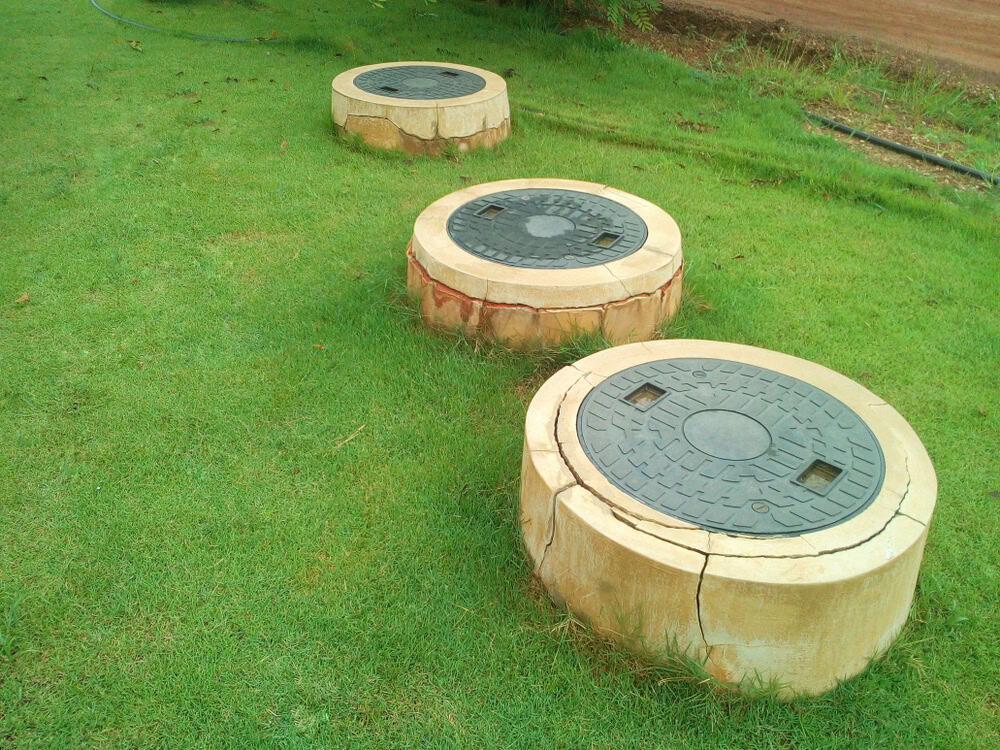
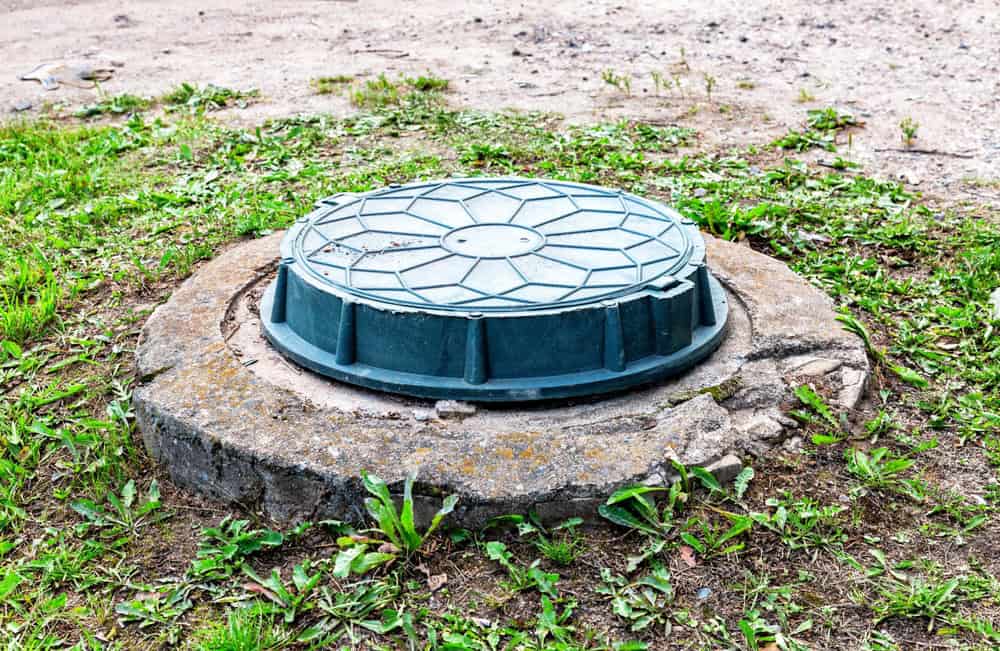
The inspector starts by locating your cesspool. If you don’t know where it is, they’ll use electronic equipment or property records to find it. This adds time and potentially cost to the inspection, so knowing the location beforehand helps.
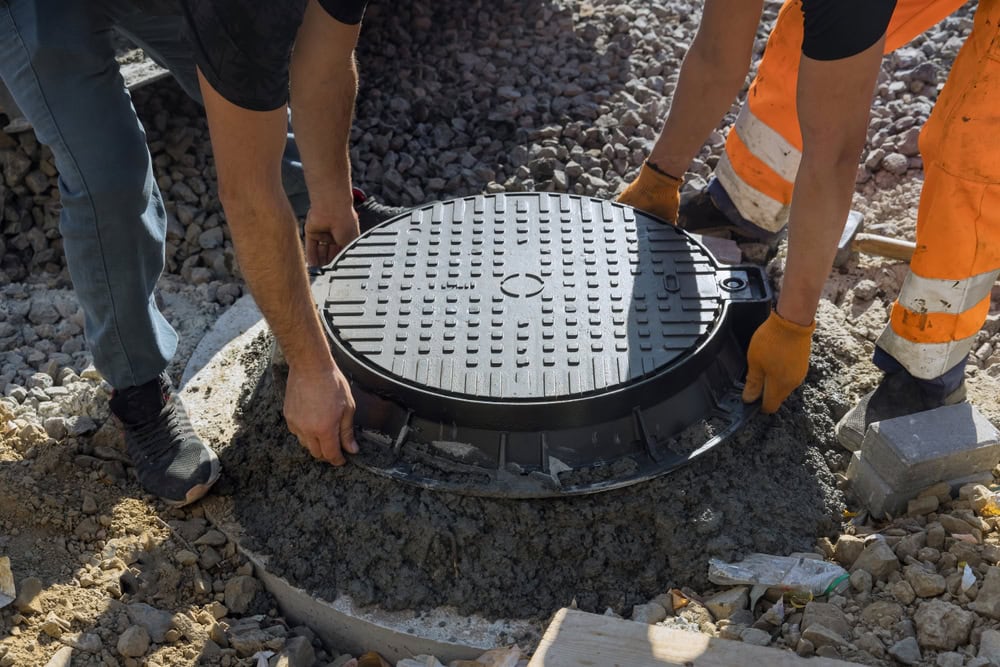
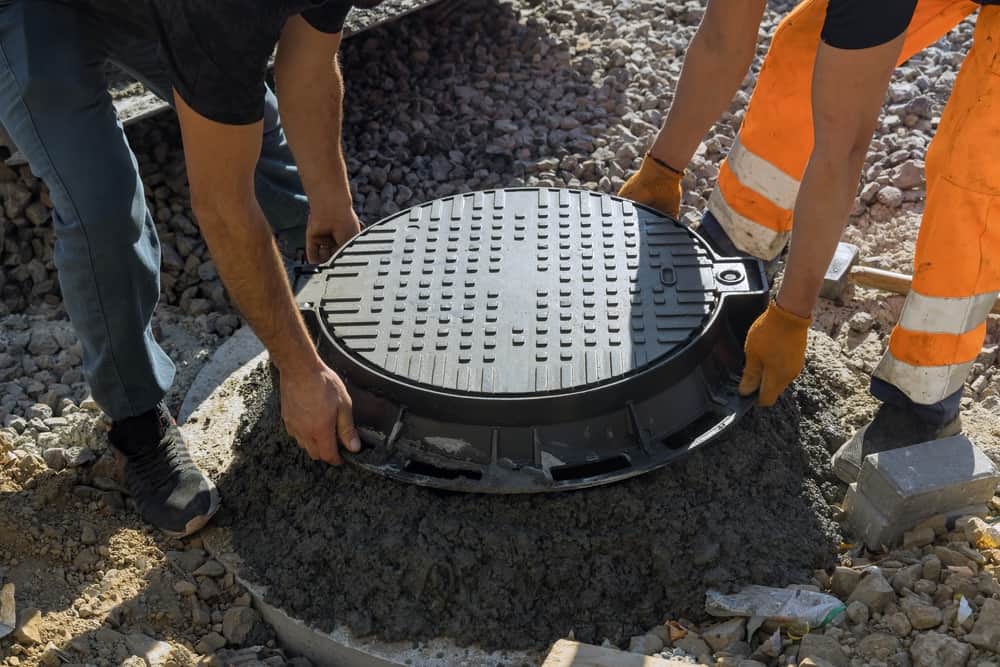
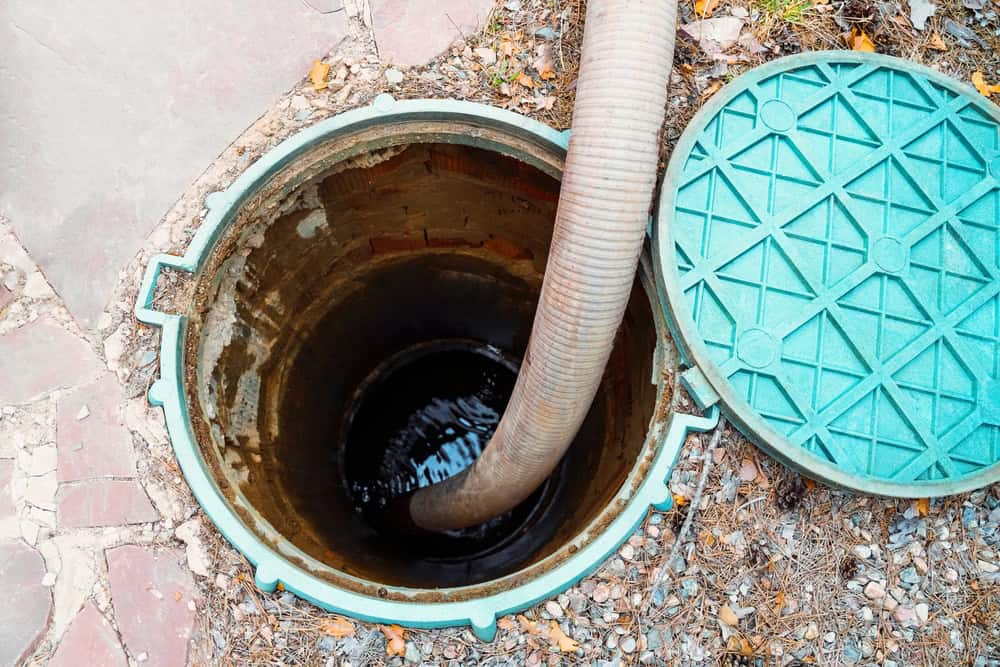
Once located, they’ll open the access cover and examine the tank interior. They’re looking at waste levels, checking how much solid buildup has accumulated, and determining whether pumping is needed before the sale.
Structural assessment comes next. The inspector examines the tank walls, baffles, inlet and outlet pipes, and overall integrity. Cracks, deterioration, or damage get documented in the report. These findings directly impact buyer decisions and negotiations.
They’ll also evaluate the distribution system and absorption area when accessible. Signs of failure in these components—like wet spots in the yard, unusual vegetation growth, or odors—indicate serious problems that could require expensive repairs.
The inspection report goes to the buyer, their lender, and typically to you as the seller. It includes findings, recommendations, and often an estimate of the system’s remaining useful life. This document becomes a negotiating tool for both parties.
If the inspection reveals your system needs pumping, expect the buyer to request that work before closing. If it shows structural issues or compliance problems, negotiations get more complicated. You might need to make repairs, offer credits, or reduce the price.
Timing matters significantly. Getting your own inspection before listing gives you control. You know what issues exist, what they’ll cost to address, and how to price your property accordingly. Waiting for the buyer’s inspection means reacting to problems under pressure with less negotiating leverage.
The cost of a pre-listing inspection—typically three hundred to five hundred dollars—often saves thousands in negotiations. You’re showing buyers a well-maintained property with transparent documentation rather than leaving them to discover problems on their own.
Property Transfer Septic Requirements and Compliance
Suffolk County has specific requirements for cesspool and septic systems during property transfers. Understanding these regulations helps you avoid compliance issues that can derail your sale.
The county requires documentation of regular maintenance for most property transfers. You need to show that your system has been pumped and serviced according to recommended schedules—typically every one to three years depending on household size and usage.
Licensed contractors must perform all documented work. Records from unlicensed providers don’t satisfy county requirements. This protects buyers and ensures work meets professional standards.
Suffolk County’s three-year inspection mandate applies to many properties. If your system hasn’t been inspected within that timeframe, you’ll need a current inspection before or shortly after the sale. Planning for this ahead of listing prevents last-minute complications.
Certain areas designated as environmentally sensitive have additional requirements. Properties near water bodies, in priority zones, or in areas with groundwater concerns may need enhanced documentation or even system upgrades before transfer. Checking whether your property falls into these categories early in the process prevents surprises.
The county also tracks cesspool pumping through licensed contractors. When you have your system serviced, that information gets reported to the Department of Health Services. This creates an official record that supports your documentation during the sale.
If your property has an older cesspool system—especially one installed before the 1970s—additional scrutiny may apply. Regulations have changed significantly over the decades. Systems that were acceptable when installed might not meet current standards, potentially requiring upgrades during the transfer process.
Understanding what triggers upgrade requirements saves headaches. Simple property transfers with existing systems usually don’t require replacement. But if you’ve done major renovations, added bedrooms, or significantly increased the system’s load, upgrade requirements might kick in.
Documentation of any past upgrades or replacements becomes valuable here. If you’ve already invested in system improvements, having permits, installation records, and compliance certificates proves the work was done correctly and meets current standards.
Preparing Your Septic Records Before Listing Your Suffolk County Home
Getting your cesspool documentation organized before listing your Suffolk County property isn’t just smart—it’s essential for a smooth sale. Buyers expect transparency. Lenders require compliance. And county regulations mandate proper records.
Start by gathering all maintenance receipts, pumping records, and inspection reports from your ownership period. If you’re missing documentation, schedule a current inspection and pumping service now, before listing. This gives you control over timing and costs rather than scrambling during negotiations.
Having complete, organized records strengthens your position, demonstrates responsible ownership, and prevents delays that cost time and money. When buyers see well-documented system maintenance, they have confidence in your property. When they see gaps or missing information, they get nervous and start looking for problems.
If you need help getting your cesspool inspection and documentation ready for a property sale, we’ve been serving Suffolk County homeowners since 1980. We understand local requirements, provide all necessary documentation, and help ensure your system is sale-ready.