Summary:
You’ve heard about Suffolk County’s cesspool ban. Maybe your real estate agent mentioned compliance issues, or you’re planning a renovation and someone said you’ll need permits you didn’t expect. Suddenly you’re facing questions about what’s legal, what’s required, and what it’s going to cost.
Here’s what actually matters: the answer depends entirely on your specific situation. Existing cesspools aren’t going anywhere if they’re working properly. But if you’re replacing a failed system, building new, or selling your property, different rules apply. This guide breaks down exactly what Suffolk County requires so you can make informed decisions without unnecessary expense or stress.
Current Suffolk County Cesspool Installation Laws
Suffolk County Executive Steve Bellone signed legislation in 2019 that fundamentally changed cesspool installation rules. Effective July 1, 2019, you can no longer install a cesspool-only system as a replacement for a failing one. That loophole closed.
Before 2019, homeowners could replace a failed cesspool with another cesspool. That perpetuated outdated technology that contributed to nitrogen pollution in Long Island’s sole-source aquifer. The regulations shifted because over 252,000 cesspool-only systems were still operating across the county, and nitrogen levels in drinking water were higher than 95% of the country.
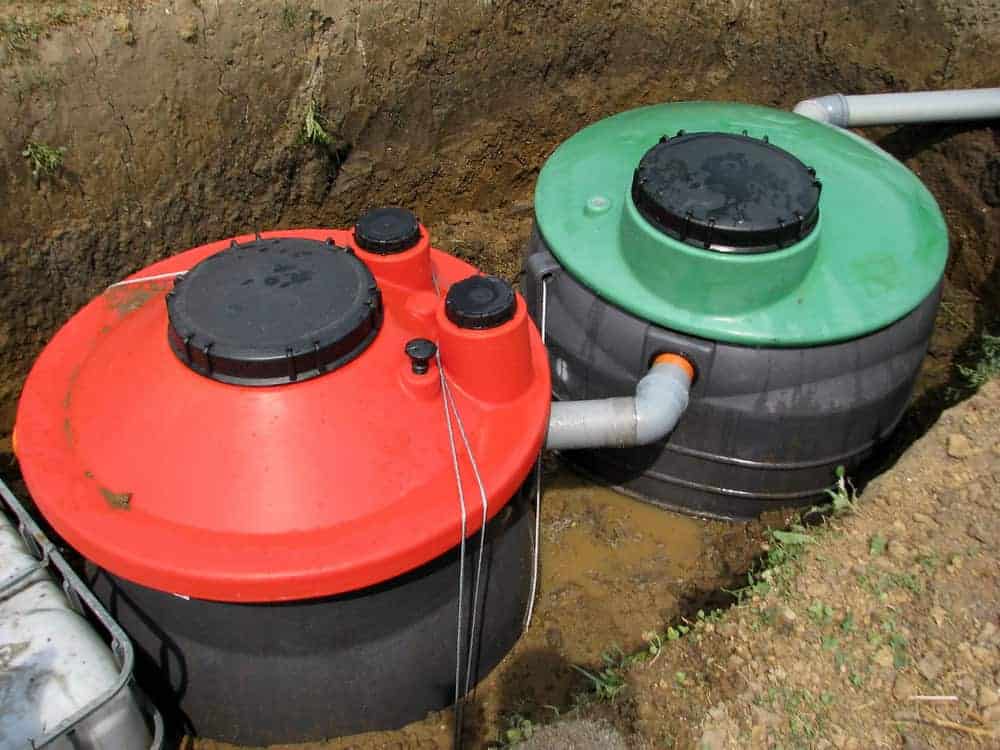
Now, when you replace your system—whether it’s failing or you’re voluntarily upgrading—you must install at least a conventional septic system with a tank and leaching structure. For new construction and major renovations, requirements go further, often requiring nitrogen-reducing I/A OWTS systems. A septic tank replacement can therefore involve requirements that differ significantly from simply installing another cesspool.
What Happens to Existing Cesspools in Suffolk County
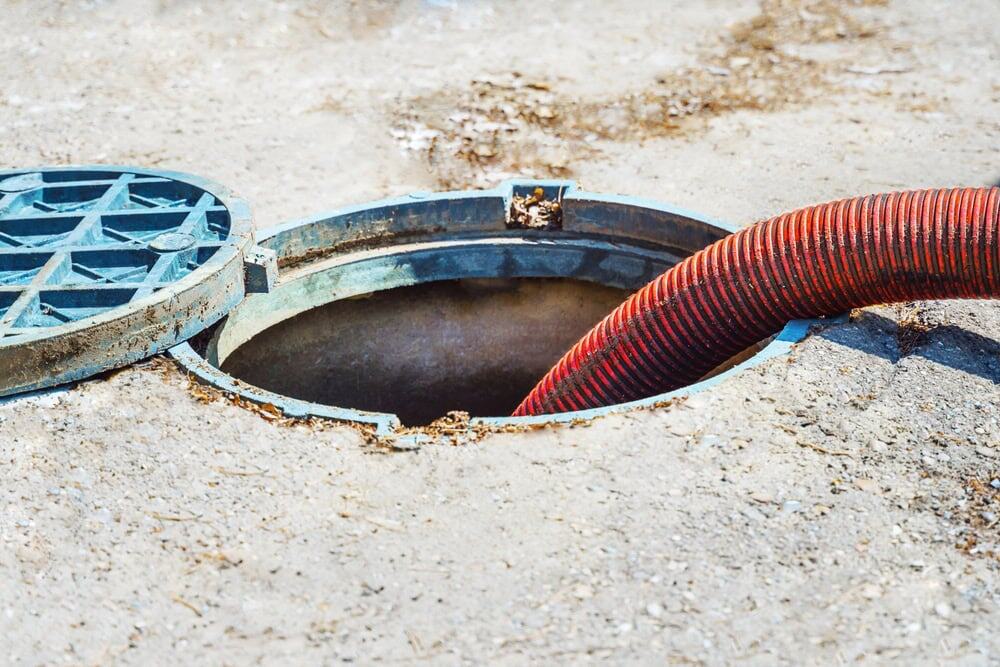
If your cesspool is functioning properly, you’re not required to replace it immediately. Many Suffolk County homeowners continue operating existing cesspools for years without issue. Regular pumping every 2-3 years and proper maintenance can extend system life significantly.
The regulations aren’t as straightforward as a blanket ban. What you’re required to do depends on your specific situation—whether you’re selling, renovating, or just maintaining what you have. Existing cesspools are grandfathered under current law.
Voluntary replacement is entirely your choice. If your cesspool is functioning but you want to upgrade for environmental reasons or peace of mind, that’s up to you. The Suffolk County Department of Health Services has specific triggers that mandate replacement, but normal operation isn’t one of them.
Mandatory replacement happens in specific situations. When your system fails and needs replacement, you can’t install another cesspool. New construction projects require advanced systems. Major reconstruction—defined as work costing 50% or more of your property’s market value—triggers upgrade requirements. Adding bedrooms that bring your total above five also typically requires advanced system installation.
Property sales create confusion. Suffolk County doesn’t have a blanket requirement to replace cesspools when selling your property. However, certain areas designated as high-priority zones—particularly near shorelines and sensitive water bodies—may have additional local requirements under Article 6 of the Suffolk County Sanitary Code.
Documentation protects everyone involved in a sale. If you’re selling with an existing cesspool, provide records of pumping, maintenance, and any repairs. If you’re buying, get written confirmation of the system type, age, and condition. Mortgage lenders sometimes have requirements that exceed local regulations, especially for FHA and VA loans.
New Construction and Major Renovation Requirements
If you’re building a new home on a vacant lot, constructing a replacement dwelling, or adding bedrooms that increase wastewater output, Article 6 requirements apply. These regulations expanded significantly on July 1, 2021, when Suffolk County began requiring Innovative and Alternative Onsite Wastewater Treatment Systems for new construction.
I/A OWTS systems treat wastewater more effectively than conventional septics. These nitrogen-reducing systems remove up to 70% of nitrogen from wastewater before it reaches groundwater. The technology uses aerobic treatment, recirculating sand filters, or other approved methods to break down nitrogen compounds.
Major reconstruction projects trigger the same I/A OWTS requirement. This is defined as any renovation where the cost exceeds 50% of your home’s market value. If you’re planning a substantial renovation, you’ll need documentation from a licensed appraiser and design professional to determine if your project meets this threshold.
The regulations apply broadly to new construction. This includes new homes on vacant parcels, replacement dwellings, additions that add bedrooms to existing homes, and expansions that increase a building’s footprint or floor area beyond five bedrooms. Commercial projects, multi-family developments, and changes of use that increase wastewater flow all fall under these requirements.
The cost difference is substantial. A traditional cesspool replacement used to run $6,500-$8,000. An I/A OWTS installation typically costs $19,000-$25,000. You’re also committing to ongoing maintenance—these advanced systems require annual service contracts, usually costing $300-500 per year.
Grant funding exists specifically because these systems cost more. The Suffolk County Septic Improvement Program, combined with New York State funding, offers grants up to $30,000 for eligible homeowners. That can cover most or all of your installation costs. Nassau County offers up to $20,000, and the state’s Septic System Replacement Fund adds another $10,000 for eligible projects.
Understanding which regulation applies to your specific project determines what system you’ll need, what permits are required, and what your costs will look like. The difference between a standard septic system and an I/A OWTS can mean $10,000 to $15,000 in additional expense—but also access to grant programs that can offset much of that cost.
Cesspool Permits: Requirements and Application Process
Any cesspool replacement or septic system installation now requires filing a registration with the Suffolk County Department of Health Services. This isn’t the same as obtaining a construction permit, and for many projects, it’s a simpler process.
Cesspool installation demands permits from local health departments in Suffolk County. Permit costs typically range from $200-$650 depending on system size and local requirements. Processing takes 2-4 weeks for approval. The permit process involves submitting detailed site plans, soil percolation test results, and system specifications that meet current environmental standards.
Homeowners are required to obtain a permit from Suffolk County prior to replacing or retrofitting a cesspool. The legislation requires the wastewater industry to provide data regarding system replacement and pumping activities to the Department of Health Services. This ensures all cesspool work meets current environmental standards.
What the Permit Application Process Actually Involves
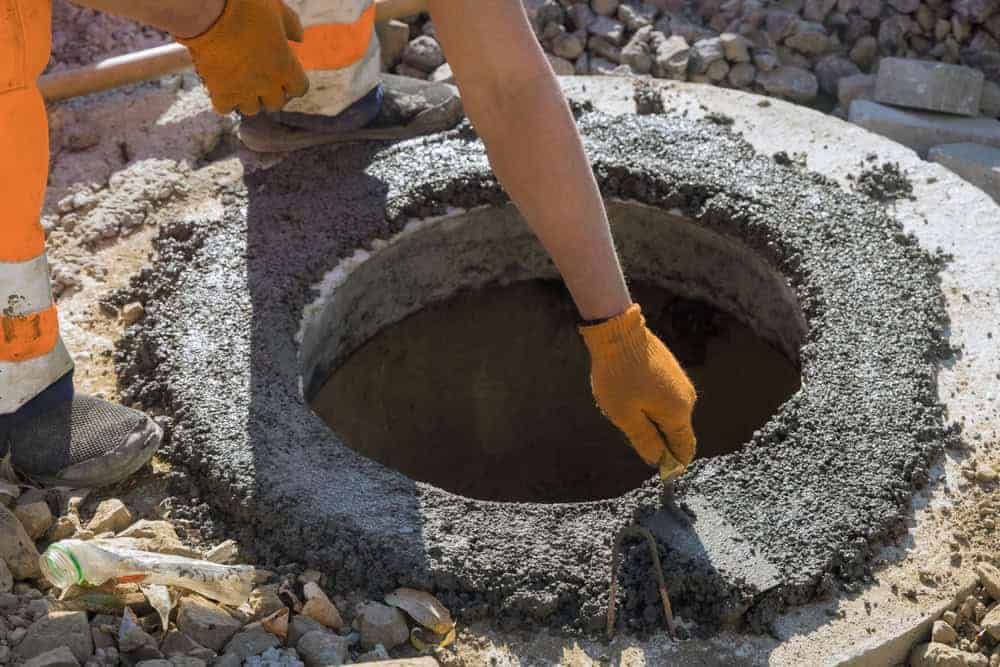
The process includes site assessment with soil percolation testing. At least two percolation tests for up to 1,000 square feet of absorption area should be performed in holes spaced uniformly throughout the site. More tests are required if soil conditions vary significantly across your property.
Distance verification is critical. Suffolk County mandates minimum setbacks of 100 feet from water wells and 20 feet from property lines for new cesspool installations. Nassau County has similar requirements with additional restrictions near sensitive environmental areas. These aren’t arbitrary numbers—they’re strategic distances that protect water supply and ensure environmental responsibility.
Groundwater depth checking is part of the assessment. Long Island’s high water table creates challenges that don’t exist in other regions. Your property sits above the sole-source aquifer that millions depend on for drinking water. The permit process ensures your system won’t contaminate this critical resource.
Installation of a sewage disposal system is prohibited unless a permit to construct has been issued by the Commissioner. Occupancy is prohibited without final approval of constructed works. The Department must be notified at least twenty-four hours in advance of inspections. Failure to contact for inspection prior to backfilling may result in re-excavation, with no approval issued unless there’s compliance with requirements.
New construction, major reconstruction, and any project where you want official SCDHS approval of bedroom counts or design specifications requires submitting a full application. These applications must include engineered plans, soil testing results, and documentation of setback distances from wells, property lines, and water bodies. The review process takes longer and costs more, but it provides formal approval that protects your investment.
Working with contractors who understand these requirements prevents expensive delays and ensures your project stays compliant throughout the installation process. Licensed contractors handle all permit applications, soil testing, and inspection scheduling as part of their installation service.
Cesspool Regulations for Property Sales and Transfers
When you sell your home in Suffolk County, your cesspool’s maintenance history becomes part of the transaction. Buyers want to know the system has been maintained. Inspectors look for service records. Lenders sometimes require proof of recent pumping before approving a mortgage.
A well-maintained cesspool with documented service history rarely hurts resale value. A neglected system with no records can cost you thousands in negotiations or delay your sale entirely. Buyers see missing maintenance records as a red flag. They assume the worst and either ask for a price reduction to cover potential repairs or they walk away.
The documentation itself matters. Verbal claims that you’ve always taken care of it don’t carry weight. Written records from a licensed cesspool company showing regular pumping, inspections, and any repairs create confidence. Property value impact goes beyond just avoiding problems—documented maintenance can actually increase buyer confidence enough to support your asking price.
Suffolk County doesn’t have a blanket requirement to replace cesspools when selling. However, certain areas designated as high-priority zones—particularly near shorelines and sensitive water bodies—may have additional local requirements. Article 6 of the Suffolk County Sanitary Code allows for mandatory upgrades during property transfers in specific environmentally sensitive areas.
Properties within designated high-priority areas near shorelines may face earlier mandatory upgrade requirements. Any property transfer in certain areas may trigger required upgrades. The Suffolk County Subwatersheds Wastewater Plan identifies these zones based on proximity to critical water bodies and environmental impact.
The mortgage lender’s requirements sometimes exceed local regulations. Some lenders won’t finance properties with cesspools in certain conditions, even if Suffolk County doesn’t require replacement. FHA and VA loans have specific septic system requirements. If your buyer is using certain loan products, that might drive the cesspool conversation more than local regulations.
If replacement is happening as part of the transaction, ensure the contract specifies who pays, what system type will be installed, and what happens if there are delays or complications. This protects both buyer and seller from misunderstandings that can derail a closing.
Making Informed Decisions About Cesspool Installation in Suffolk County
Suffolk County’s cesspool regulations in 2026 aren’t as complicated as they might seem once you understand what actually applies to your situation. Existing cesspools can stay if they’re functioning properly. Replacements must meet current standards, which means at minimum a conventional septic system. New construction and major renovations require nitrogen-reducing I/A OWTS systems.
Your specific property location and project details determine exactly what’s required. Significant grant funding exists to help with costs—up to $30,000 in combined county and state programs. The question isn’t whether you’ll eventually upgrade, but whether you’ll do it on your terms with grant funding or during an emergency at full cost.
If you’re dealing with cesspool questions in Suffolk County, working with a local company that understands SCDHS requirements makes the process manageable. We provide straight answers about what your property needs, handle permit applications and inspections, and help navigate grant programs that can offset most of your costs. Getting expert guidance now prevents costly mistakes and ensures your system stays compliant for years to come.