Summary:
Most homeowners don’t think about their septic system until something goes wrong. And honestly, that’s understandable — the system is underground, out of sight, and when it’s working, it gives you no reason to think about it. The problem is that by the time it gives you a reason, the damage is already done.
On Long Island, where a failed system can trigger a mandatory full replacement under current Suffolk County code, “waiting to see” is one of the most expensive decisions a homeowner can make. We’ve seen this play out across Nassau and Suffolk Counties for decades — homeowners who skipped maintenance end up facing $8,000 to $25,000 in replacement costs that a few hundred dollars in regular service would have prevented.
This guide walks through what real septic tank maintenance includes, what typically gets skipped, and why the gap between those two things matters more here than almost anywhere else.
What Septic System Maintenance Actually Includes
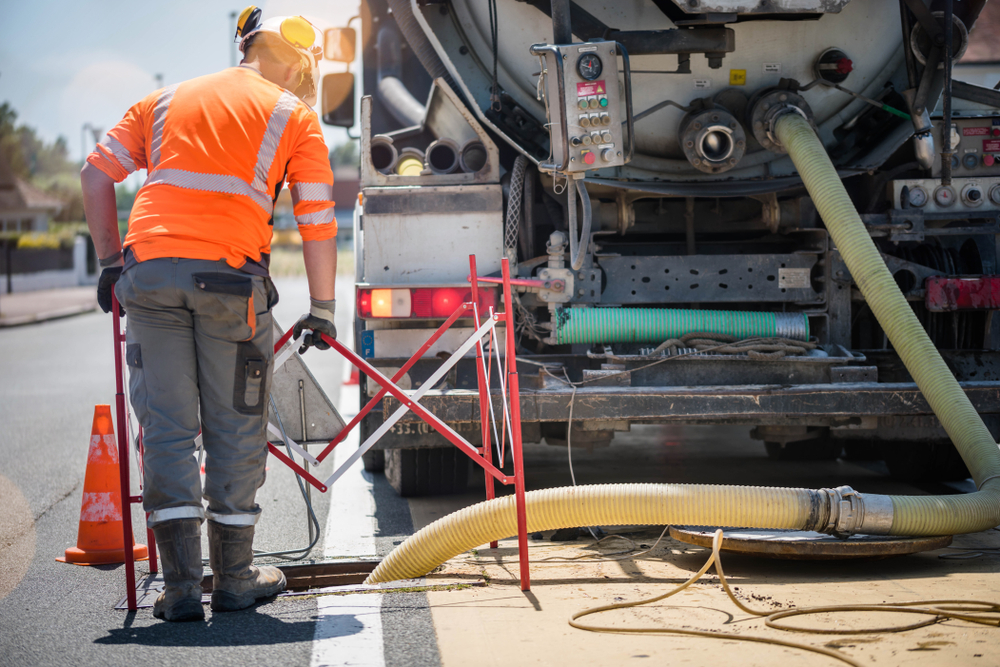
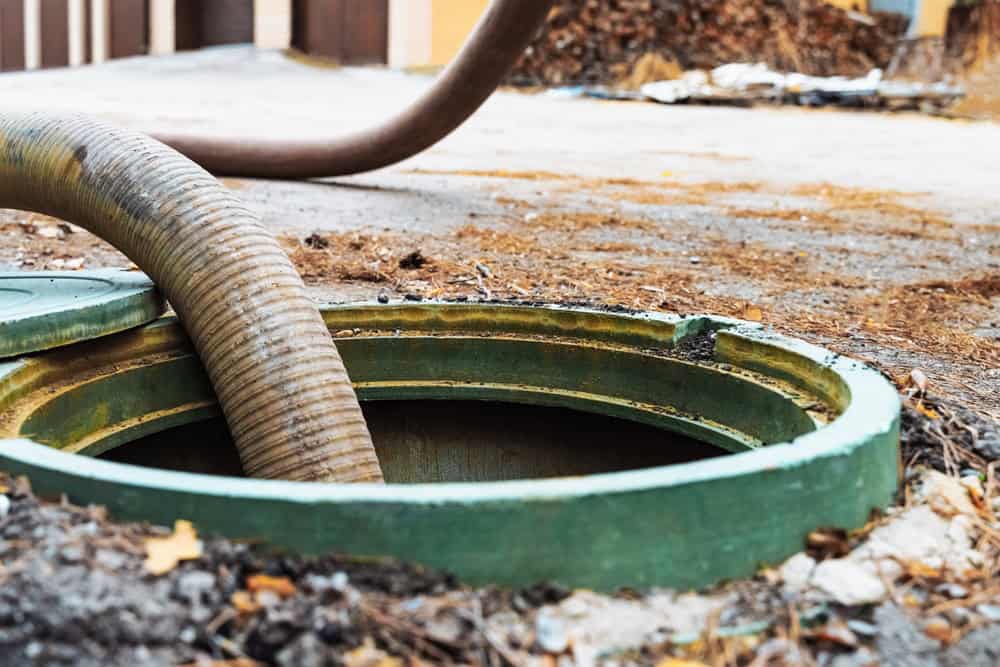
When most people picture septic maintenance, they picture a pump truck pulling up, emptying the tank, and driving away. That’s part of it — but only part.
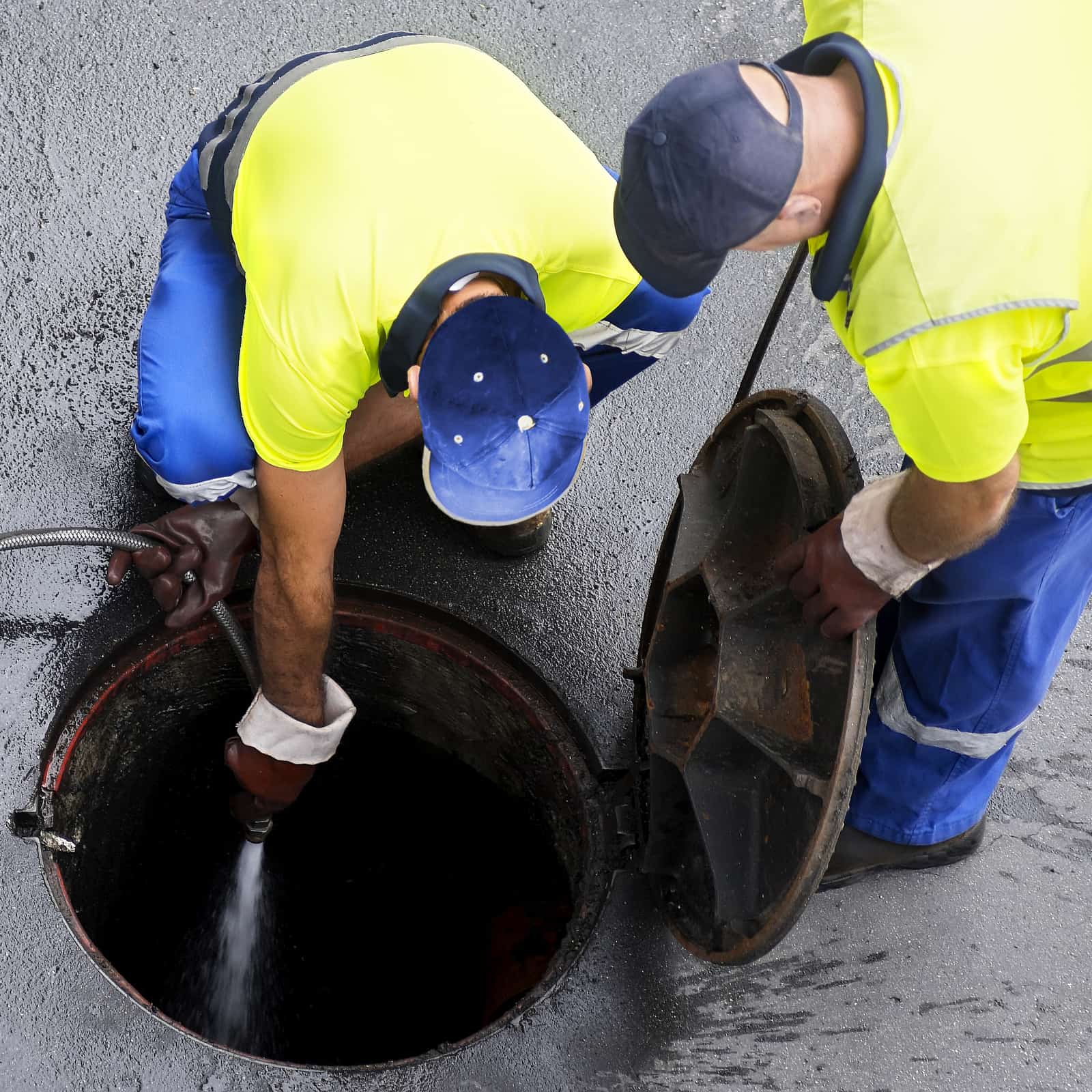
A thorough maintenance visit covers several things that a basic pump-out doesn’t. We measure sludge and scum layers before and after pumping to document how fast your system is filling and whether your current service interval is right for your household. We inspect the inlet and outlet baffles — the components that direct wastewater flow through the tank. A failed baffle is one of the most common causes of leach field contamination, and it’s completely invisible unless someone looks for it.
If your tank has an effluent filter on the outlet baffle, that filter needs to be cleaned every one to three years or it will restrict flow and back pressure into the tank. Beyond the tank itself, a complete visit includes monitoring the leach field for signs of stress — surface saturation, odors, or pooling that suggest the field is being overloaded.
We end every service with written documentation you can keep. That service record matters for regulatory compliance, for future service providers, and for anyone who buys your home.
What Are Inlet and Outlet Baffles — and Why Do They Matter?
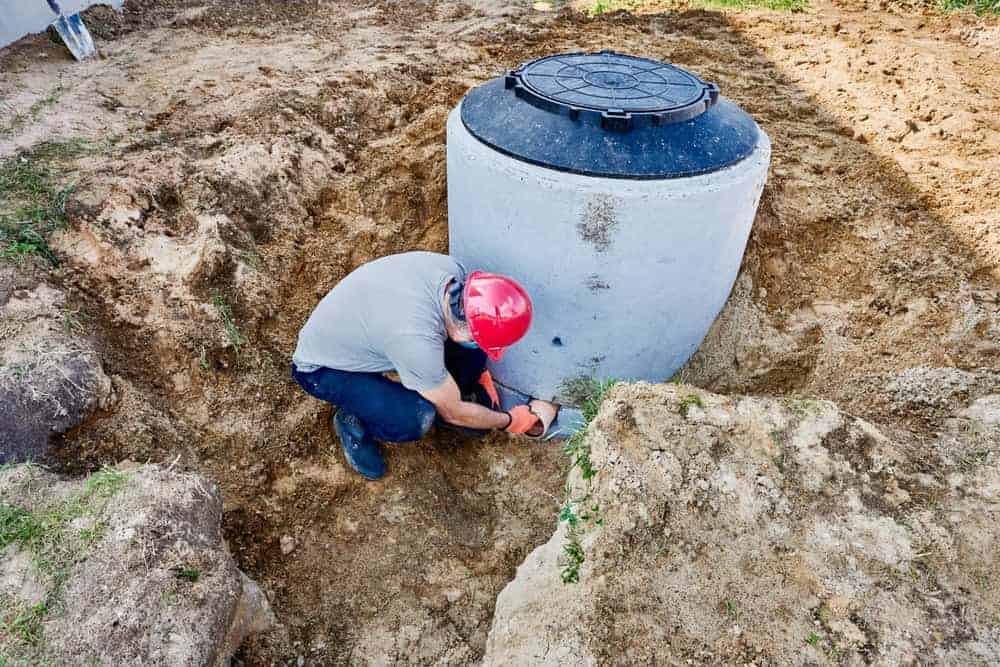
The baffles inside your septic tank are probably the most overlooked components in the entire system — and the most consequential when they fail. Wastewater enters your tank through the inlet pipe, and the inlet baffle slows that flow down so it doesn’t disturb the layers of settled solids.
On the other side, the outlet baffle keeps floating scum from leaving the tank and reaching your leach field. Together, they keep the tank working the way it’s supposed to — separating solids, allowing bacterial digestion, and sending only clarified liquid out to the drain field.
When the outlet baffle deteriorates — and in older concrete tanks, this happens gradually over years — scum and solids start passing through to the leach field. The field isn’t designed to handle solid material. Once it starts clogging, you’re no longer dealing with a baffle replacement. You’re dealing with a drain field that may need to be replaced entirely, at a cost of $5,000 to $15,000 or more.
This is exactly why baffle inspection matters so much on Long Island. A large share of the housing stock across Nassau and Suffolk Counties was built before 1980, which means the tanks are old, the original baffles are aging, and many homeowners have no service history to reference. If your home was built in that era and you’ve never had the baffles checked, that’s not a minor gap — it’s a real risk.
The fix, when caught early, is straightforward and inexpensive. We can replace a deteriorated baffle during a routine visit. But catching it requires someone to actually look — not just pump the tank and leave.
How Often Should You Actually Pump Your Septic Tank on Long Island?
The answer you’ll find most often online is every three to five years, and that’s the EPA’s general guidance. It’s a reasonable starting point, but it’s a national average built around a range of household sizes, tank capacities, and soil conditions — and Long Island doesn’t fit neatly into that average.
Here’s what actually drives your pumping frequency: the number of people in your household, the size of your tank, and how heavily you use it. A family of four in a Long Island home typically needs service every two to three years. If you have a garbage disposal, that timeline shortens — disposals add significant solid load to the tank. If you’re running heavy laundry volume or have guests regularly, the same applies.
Smaller households in larger homes can often stretch closer to three years, but that assumes the system was properly sized for the home to begin with, which isn’t always the case in older construction across Nassau and Suffolk Counties.
Long Island adds a few factors that the national guideline doesn’t account for. The sandy, glacially deposited soil here allows wastewater to move quickly — which is good for leach field function under normal conditions, but it also means contamination from a stressed system reaches the aquifer faster than it would in denser soil.
The water table in many parts of Nassau County and the South Shore of Suffolk County sits relatively close to the surface, which reduces the effective treatment depth between your leach field and the groundwater below. During heavy rain events, that high water table can temporarily saturate the soil around your leach field, putting additional stress on a system that may already be running close to capacity.
The honest answer to “how often?” is: it depends on your specific home, your household, and your system’s history. If you don’t have service records — which is common for homes that have changed hands — the right first step is an inspection, not a guess.
Septic Tank Cleaning vs. Pumping: They're Not the Same Thing
The terms get used interchangeably, but they describe different services. Pumping is the removal of liquid, sludge, and scum from the tank — what happens during a standard maintenance visit. Cleaning goes further: it involves power-washing the interior walls of the tank and scrubbing residue from the surfaces and components inside.
For most homeowners on a regular maintenance schedule, pumping is the appropriate service. Cleaning is typically reserved for tanks that have been neglected for an extended period, or where buildup on the walls has become significant enough that it’s affecting how the tank functions. If you’re on a consistent schedule and your system is in reasonable shape, a thorough pump-out with baffle inspection and leach field monitoring is what you need.
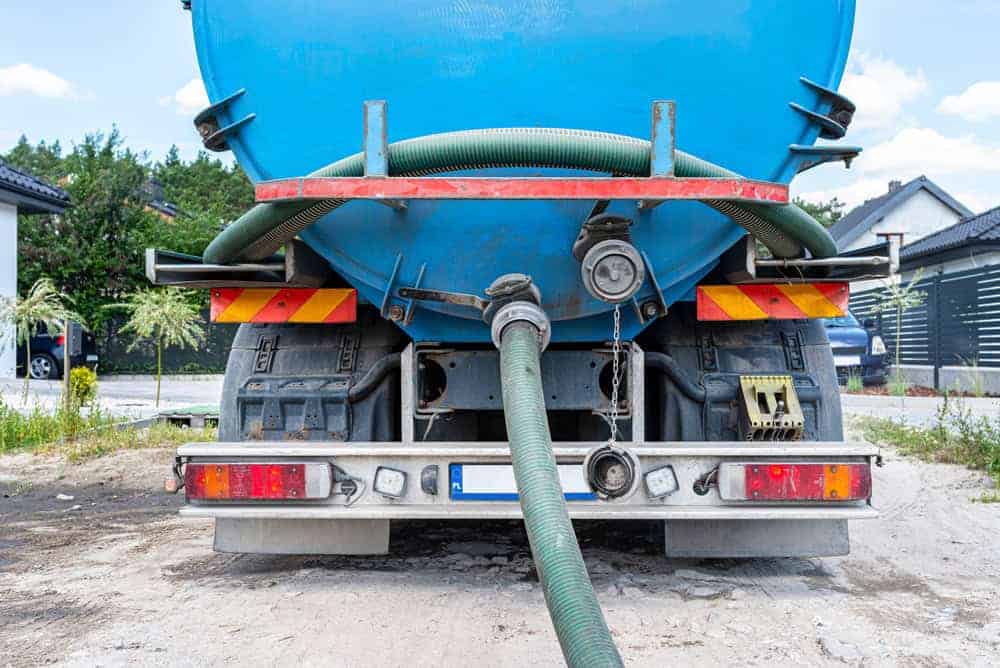
What Does Septic System Cleaning Actually Involve?
When a full cleaning is warranted, it goes beyond what a standard pump-out covers. After the tank is pumped, we use high-pressure water to wash down the interior walls, dislodging any hardened scale, biofilm, or residue that has accumulated over time. The inlet and outlet baffles are inspected closely, the effluent filter is cleaned or replaced if present, and the tank is checked for structural issues — cracks, deteriorating concrete, or signs of groundwater infiltration.
This level of service makes the most sense in a few specific situations: when a home is being purchased and the tank’s history is unknown, when a system has gone significantly longer than recommended between service visits, or when an inspection reveals that buildup is affecting the tank’s effective capacity.
On Long Island, where many homes have original tanks from the 1960s and 1970s, a full cleaning is sometimes the right starting point — particularly if the previous owner left no service records. It gives you a clean baseline and a clear picture of what you’re actually working with. From there, a regular pumping schedule keeps the system in good shape without the need for a deep clean every time.
One thing worth knowing: septic tank additives — the enzyme treatments and bacterial supplements marketed to homeowners as a way to reduce pumping frequency — are not a substitute for either pumping or cleaning. The EPA and most state health agencies are explicit about this. Some additives are harmless; others can actually disrupt the bacterial balance in the tank or damage the leach field. A healthy tank has a naturally occurring bacterial population that handles digestion on its own. What it can’t do on its own is remove the accumulated solids that pumping takes care of.
What Happens If You Skip Septic Maintenance on Long Island?
Septic systems don’t fail suddenly. They fail gradually — sludge builds up, baffles deteriorate, the leach field absorbs more and more partially treated effluent — until the system crosses a threshold and the failure becomes visible. By that point, you’re not looking at a maintenance bill. You’re looking at a repair or replacement.
Drain field repair or replacement on Long Island runs $5,000 to $15,000 depending on the extent of the damage and the size of the system. A complete septic system replacement runs $8,000 to $25,000 or more for standard installations — and significantly more for engineered or advanced systems on constrained lots.
But here’s the piece that’s specific to Long Island and almost never comes up in generic septic content: if your system fails and needs to be replaced, Suffolk County’s regulations — which have been in effect since July 1, 2019 — do not allow a like-for-like cesspool replacement. Any replacement must include a full septic tank preceding the leaching structure, and in many cases must meet the standards for modern wastewater treatment systems. You cannot simply swap out a failed cesspool for a new one.
The regulatory floor has moved, and it moved significantly. That means the cost of inaction isn’t just the repair bill — it’s the difference between maintaining a system you already have and financing a full modern installation you didn’t plan for.
Long Island’s aquifer is a sole-source aquifer, meaning it’s the only drinking water supply for the entire island. Suffolk County takes wastewater system integrity seriously because the stakes are real, and the regulations reflect that. Routine septic tank maintenance — $300 to $600 every few years — is not a luxury. Compared to what a replacement costs, it’s one of the more straightforward financial decisions a homeowner can make.
When to Schedule Septic Maintenance — and Where to Start
If you’re not sure when your system was last serviced, that uncertainty is itself a reason to act. A proper inspection gives you a clear picture of where things stand — sludge levels, baffle condition, leach field health — and tells you what your actual service interval should be based on your specific household, not a generic guideline.
Spring is a natural time to schedule service on Long Island. Snowmelt and spring rains put added stress on leach fields, and getting ahead of that is easier than responding to it. Fall is the other logical window — before cold weather reduces the biological activity in the tank and complicates access.
If you have questions about your system or want to know what a maintenance visit from us actually covers, reach out. We’ve been doing this work on Long Island since 1980, we know the soil, the regulations, and the specific challenges that come with the housing stock here, and we’ll tell you what you actually need — not what’s easiest to sell.