Summary:
You probably don’t think about your cesspool until something goes wrong. And when winter hits Suffolk County, “something going wrong” gets expensive fast.
Frozen ground makes emergency repairs harder, slower, and costlier than they need to be. Bacteria that break down waste slow to a crawl when temperatures drop. Pipes crack. Systems back up. And you’re dealing with sewage problems when snow is piling up in your driveway.
Fall is your window to avoid that scenario entirely. Not because anyone’s trying to sell you services you don’t need, but because timing the maintenance your system already requires protects you from failures that happen when coastal moisture meets inland cold and your cesspool faces conditions it wasn’t designed to handle.
Why Fall Septic Maintenance Matters Before Winter Arrives
Fall maintenance isn’t just convenient timing. It’s strategic.
Suffolk County’s coastal location creates freeze-thaw cycles that are particularly brutal on underground systems. When temperatures drop and moisture from the coast meets inland cold, your cesspool faces conditions that can crack pipes, freeze lines, and turn minor issues into major failures overnight.
Right now, the ground is still accessible. Trucks can reach your property without plowing through snow. Our technicians can work efficiently without battling ice. And if your system needs more than routine pumping—if there’s a repair or a component that needs replacing—you have time to address it before it becomes an emergency.

What Happens to Your System During Long Island Winters
Winter isn’t kind to septic systems. While everything looks fine on the surface, cold temperatures and frozen ground create conditions that put serious stress on how your system functions.
The bacteria inside your cesspool or septic tank need warmth to thrive. When temperatures drop during winter months, their activity slows to a crawl. Some bacteria go dormant. Others die off completely. What you’re left with is a system that’s supposed to be treating waste but is really just storing it.
By late winter, your tank is fuller than it should be. Sludge layers are thicker. The liquid level is higher. There’s less room for new wastewater coming in, which means less time for any treatment to happen before effluent moves out to your drain field.
This is why fall maintenance matters. An inspection can measure those sludge levels, assess how well your system will handle winter, and determine whether you need pumping now or if you can wait. It’s not about creating work. It’s about preventing the kind of backup that happens when a stressed system meets heavy winter conditions.
Long Island’s proximity to the Sound makes this worse. You’ll get a warm day, then a sudden freeze overnight. Your system doesn’t have time to adjust. That’s when pipes crack, components fail, and homeowners wake up to problems that could’ve been prevented with a simple pump-out before winter hit.
The frozen soil makes digging nearly impossible without specialized equipment, which drives up costs. And because you’re not the only homeowner dealing with winter cesspool problems, you might wait days for emergency service while your system overflows.
Suffolk County's Unique Challenges for Septic Systems
Suffolk County sits on a sole-source aquifer. That’s not just environmental trivia. It’s why your cesspool or septic system matters more here than almost anywhere else.
It also means the ground conditions, water tables, and soil composition create specific challenges when temperatures drop. Sandy areas drain quickly but offer less insulation, while clay-heavy spots hold moisture that can freeze around system components. Understanding your specific soil type helps you prepare more effectively.
Local water table fluctuations during winter can also affect system performance. When groundwater levels rise from snow melt and winter rains, your cesspool may struggle to drain properly. Fall maintenance ensures your system is operating at peak efficiency before these challenges arrive.
Many Suffolk County homes were built in the 1950s and 1960s when cesspool installation standards were different. These older systems face higher risks during winter because they weren’t designed with today’s environmental standards or freeze protection in mind. Components wear out. Efficiency decreases over time. And winter stress pushes aging systems over the edge.
Consider your household’s water usage patterns too. Consistent water flow helps prevent freezing better than intermittent use. If you’re planning to be away from home during winter months, make arrangements to have water run periodically or have your system properly winterized by a professional.
The regulations have changed dramatically in recent years. Cesspools can no longer be replaced with like-kind systems and must be upgraded to septic systems if they fail. This makes preventive maintenance even more critical, because a winter failure could force an expensive upgrade at the worst possible time.
Cesspool Freeze Protection for Long Island Winters
Water expands when it freezes. That’s basic science, but it’s also the reason frozen pipes cause thousands of dollars in damage overnight.
Your cesspool system has multiple points where freezing can happen, and each one can shut down your entire household. Inlet pipes from your house to the cesspool are vulnerable, especially if they’re not buried deep enough or run through uninsulated areas. Distribution lines that carry effluent from your tank to the leach field can freeze if they’re sitting in saturated soil. Even the cesspool itself can develop ice that restricts flow and creates pressure on aging concrete walls.
Long Island’s dramatic temperature swings make this worse. One day it’s 45 and raining. Two days later it’s 12 degrees with frozen ground. Your cesspool doesn’t get time to adjust.
Septic Tank Winter Care: Essential Protection Steps
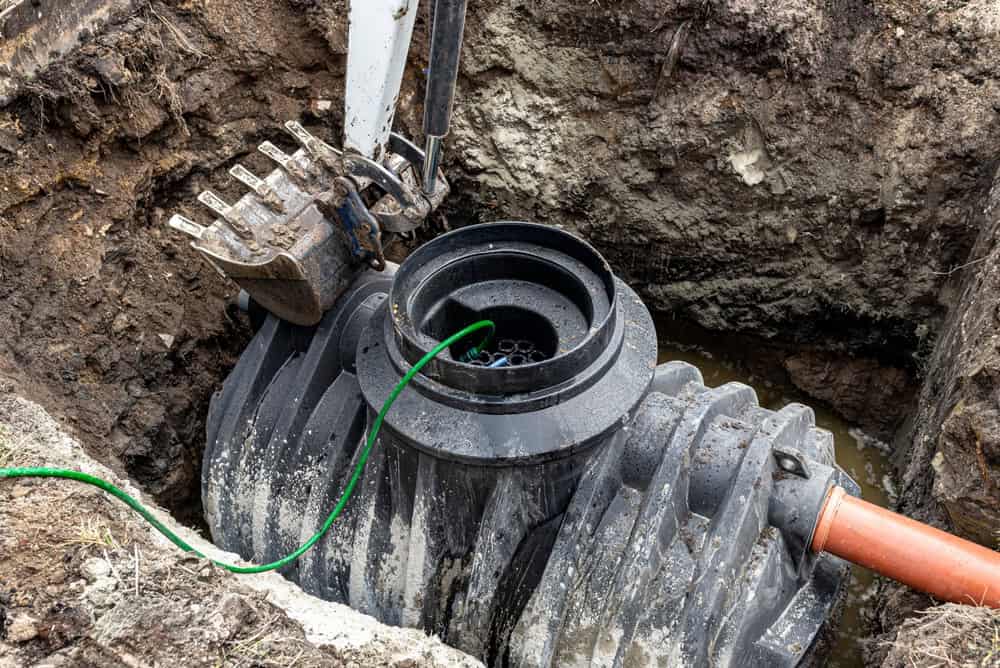
Protecting your system starts with understanding what’s most vulnerable. The pipes connecting your house to your cesspool or septic tank are where most freeze-ups happen. These lines are usually only a few feet underground, and if there’s no snow cover acting as insulation, frost can penetrate deep enough to reach them.
A small trickle of water—maybe from a leaky faucet you’ve been meaning to fix—creates perfect conditions for ice to form. That trickle freezes, builds up, and eventually blocks the whole pipe. Your tank itself rarely freezes if you’re using it regularly. The wastewater coming from your house carries heat, and daily use keeps things moving. But if you have a vacation home or you’re away for a week in January, that protection disappears.
The key is maintaining consistent water flow and providing adequate insulation around vulnerable components. Start by ensuring steady water usage throughout winter months. Consistent flow prevents pipes from sitting empty where they’re most likely to freeze. This doesn’t mean running water constantly, but rather spreading your water usage throughout the day instead of having long periods with no flow.
Insulation around exposed pipes and your cesspool access points makes a significant difference. Even simple measures like adding mulch or leaves around the cesspool area provide natural insulation that helps maintain ground temperature. Eight to twelve inches of loose organic material—straw, leaves, or hay—provides significant thermal protection.
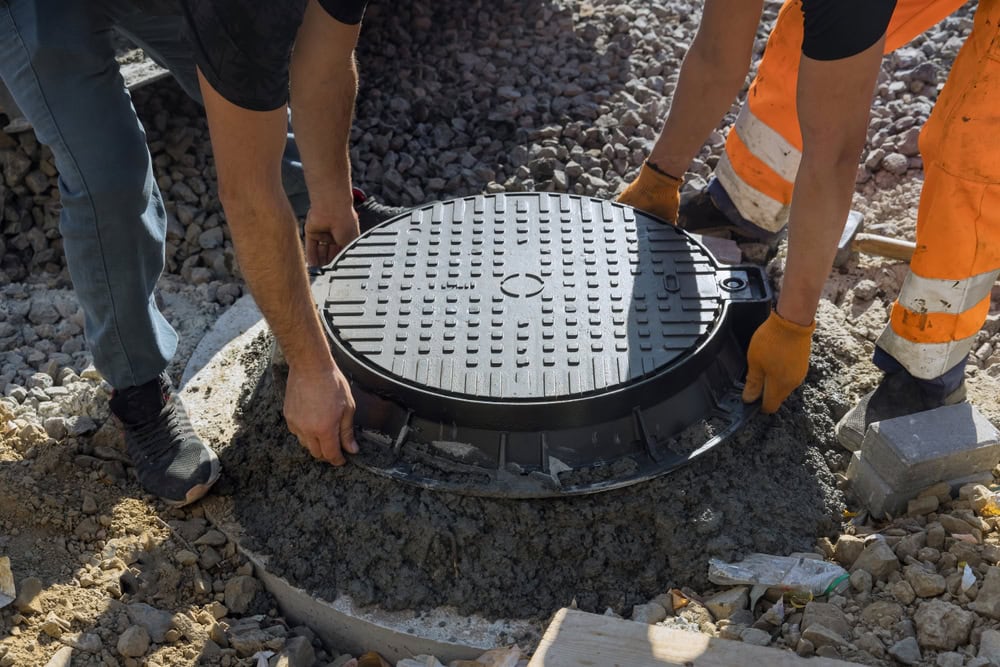
Make sure all risers, inspection pipes, and manhole covers have tight covers. Cold air entering the system through these openings can cause freezing. Check for any cracks in the covers in the fall and replace them before winter hits. Even a small opening lets cold air into your system, and that’s often enough to cause freezing in the pipes or tank.
If your system is in an exposed area without much natural insulation, adding that layer of mulch over the tank and pipe areas before winter is one of the most effective freeze protection measures you can take. Just make sure you know exactly where your system components are before you start spreading material. You don’t want to block access if you need service.
Fall Septic Maintenance Checklist for Homeowners
A thorough pre-winter inspection covers more than just the tank. You’re looking at every component that could fail when temperatures drop, and you’re checking for the specific issues that cause freeze-ups in Suffolk County systems.
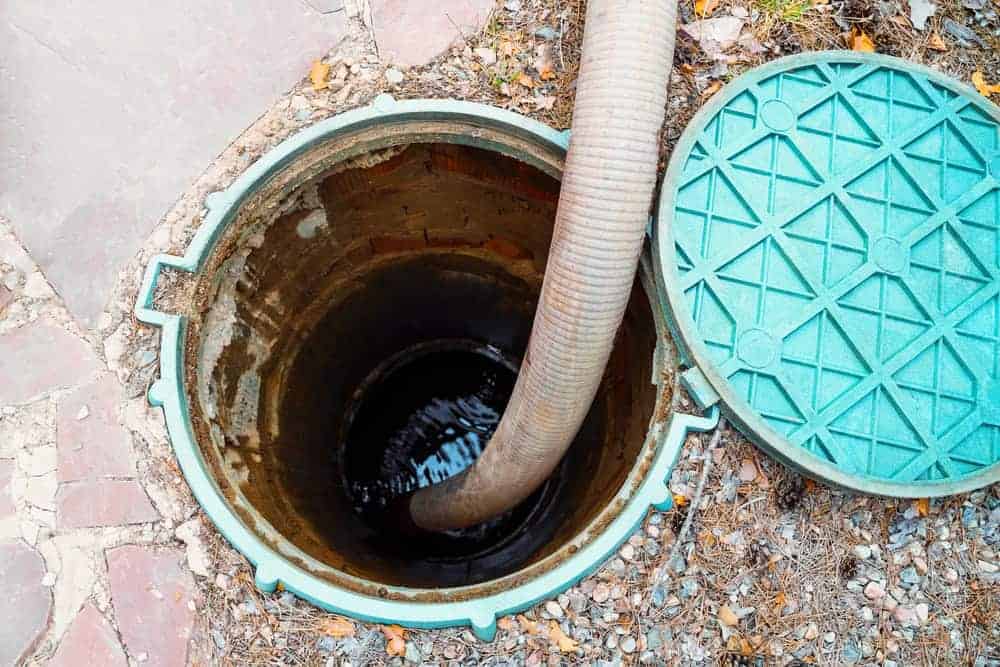
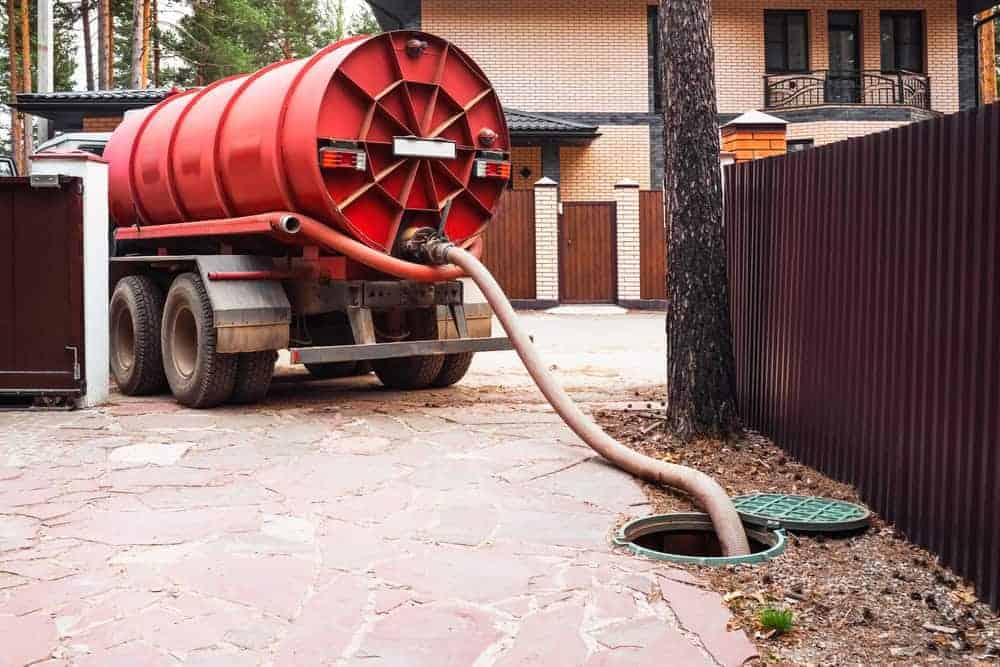
Start with the obvious: tank levels. If your tank is more than two-thirds full heading into winter, schedule a pumping. Full tanks freeze more easily, and frozen waste can damage the tank structure and create blockages that persist even after the thaw. Most Long Island homeowners need cesspool pumping every 2-3 years under normal conditions, but if you’re approaching that timeline in fall, don’t wait until spring.
Next, check all access points. Risers, inspection pipes, and manhole covers need to be intact and properly sealed. Even a small opening lets cold air into your system, and that’s often enough to cause problems. If you’ve got broken or missing covers, replace them before winter hits.
Fix any leaky plumbing before the first freeze. Small trickles of water going into the system can freeze as thin ice layers within the pipes and eventually close them completely. That slow drip you’ve been ignoring all summer becomes a major problem in January.
Pay attention to how water drains around your system. If rainwater or snowmelt pools near your cesspool or drainfield, that excess moisture can freeze and cause problems. Make sure gutters, downspouts, and surface drainage direct water away from your system, not toward it.
The goal is to keep your system as warm as possible throughout winter. Every bit of insulation helps, and addressing these issues in fall is far easier than trying to fix a frozen system in January when the ground is solid and service calls are backed up for days.
Stop mowing the grass over your system area in early fall. Let it grow longer to trap more snow, which adds natural insulation. Longer grass helps retain winter snow, providing an insulated layer above your septic system that protects against deep frost penetration.
If you’re not sure about the condition of your system, or if it’s been a few years since your last professional inspection, now is the time to get it checked. What you spend on fall maintenance protects your home, your family’s health, and your peace of mind through the entire cold season.
Prepare Your System Now to Avoid Winter Emergencies
Winter is hard on septic systems. Spring weather tests everything that barely held together through the cold months. The difference between a small repair and a major failure often comes down to timing—catching problems before they cascade into something bigger.
Fall maintenance gives you that window. It’s not about fear or pressure. It’s about information. Knowing where your system stands after assessing tank levels, checking components, and addressing vulnerabilities means you can make decisions before you’re forced into emergency mode.
A few hundred dollars spent now protects your home, prevents sewage backups during the holidays, and saves you from dealing with emergency repairs when frozen ground turns routine service into an expensive, complicated ordeal.
When you’re ready to protect your system before winter arrives, we bring local Long Island experience to help you make informed decisions that actually protect your investment.