Summary:
Understanding Septic Tank Replacement Costs and Funding Options
Replacement costs in Long Island typically run between $10,000 and $25,000, depending on your system type and property conditions. That’s a real number, and it catches most homeowners off guard.
But here’s what changes the math: Suffolk County offers up to $20,000 in grants for nitrogen-reducing systems, and Nassau County provides up to $20,000 through their SEPTIC program. These aren’t loans you pay back—they’re grants designed to upgrade aging systems and protect Long Island’s water supply.
The catch is timing and paperwork. Grant applications take weeks to process, and you need specific documentation about your current system. If you’re dealing with an emergency failure, you might not have time to wait for funding approval.
What Actually Drives Your Septic Replacement Cost
Tank material is the first cost variable. Concrete tanks run $700-$2,000 for the tank itself, while plastic tanks cost $500-$2,000. That sounds similar until you factor in installation labor—concrete requires heavy equipment and specialized crews, which adds to your bill.
Your property’s soil conditions matter more than most homeowners realize. Long Island’s sandy soil drains quickly, which sounds good until you understand it means less natural filtration before wastewater reaches groundwater. If percolation tests show your soil drains too fast or too slow, you might need an engineered system with additional components, which increases costs by $5,000-$10,000.
System size depends on your home’s bedroom count, not bathroom count. A three-bedroom home typically needs a 1,000-gallon tank, while a four-bedroom requires 1,250 gallons. Contractors who skip this calculation and install undersized systems create problems that surface within a few years.
Permits and testing add $1,000-$2,000 to your project. You’ll need percolation tests to measure how your soil absorbs water, plus permits from your local health department. These aren’t optional expenses you can skip—they’re required by Suffolk and Nassau County regulations.
Labor typically represents 50% of your total cost. Installation involves excavation, tank placement, drain field construction, and connection to your home’s plumbing. Properties with difficult access, high water tables, or rocky soil face higher labor costs because the work takes longer and requires specialized equipment.
The type of system you choose creates the biggest cost spread. A conventional anaerobic system costs $3,000-$8,000, while aerobic systems with nitrogen-reducing technology run $10,000-$20,000. Suffolk County now requires nitrogen-reducing systems for most replacements, which pushes you toward the higher end of that range.
How to Access Long Island Septic Replacement Grants
Suffolk County’s Septic Improvement Program provides a $10,000 base grant, with potential for an additional $10,000 if you install a pressurized shallow drain field system or qualify based on income. Nassau County’s SEPTIC program offers up to $20,000 for eligible homeowners replacing conventional systems with nitrogen-reducing technology.
Eligibility requirements are specific. Your property must have an existing septic system or cesspool, not be connected to public sewers, and have a valid certificate of occupancy. You can’t have tax liens or active foreclosure actions. The system you’re replacing must be considered “failing” by New York State standards—which includes all conventional cesspools and septic systems that don’t remove nitrogen.
The application process requires documentation most homeowners don’t have readily available. You’ll need proof of your current system’s condition, property surveys, soil tests, and design plans for your replacement system. Most successful applicants work with contractors who have experience navigating these programs, because missing one required document can delay approval by months.
Grant funding is first-come, first-served. Nassau County currently has funding for 403 grants as of 2024, but when that money runs out, you’re waiting for the next budget cycle. Suffolk County’s funding availability changes based on state and county budget allocations.
Here’s the reality check: grants don’t cover emergency replacements. If your system fails completely and you need immediate service, you’re paying out of pocket first and potentially seeking reimbursement later. The programs are designed for planned upgrades, not crisis response.
The maintenance commitment matters. Grant-funded systems must be inspected and maintained at least once per year by a licensed service provider. You can’t deactivate or remove the system without repaying the grant. Make sure you’re ready for that ongoing responsibility before you apply.
Choosing Between Plastic and Concrete Septic Tanks
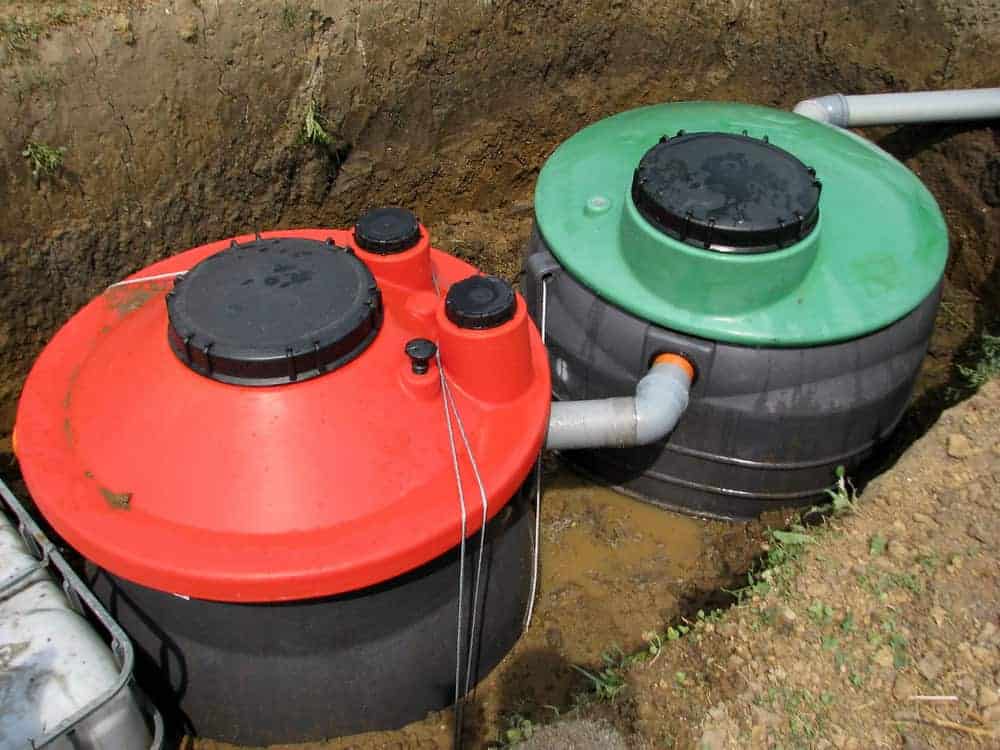
Material choice affects your system’s performance for the next 30-40 years. Plastic tanks are lighter, easier to install, and resistant to cracking from ground movement. Concrete tanks are heavier, more durable, and can handle larger capacities.
The decision isn’t about which material is “better”—it’s about which works for your specific property conditions and long-term plans. Your soil type, water table level, and whether heavy vehicles will drive over your tank all factor into the right choice.

When Plastic Septic Tanks Make Sense for Your Property
Plastic tanks weigh a few hundred pounds compared to several thousand for concrete. That means simpler installation with smaller equipment, which translates to lower labor costs. If your property has difficult access—narrow driveways, limited space for heavy machinery, or obstacles that make maneuvering challenging—plastic offers practical advantages.
Installation happens faster with plastic. There’s no waiting for concrete to cure, no concerns about cracking during transport, and less disruption to your property. For homeowners who need to minimize the installation timeline, plastic reduces the days your yard is torn up and equipment is blocking your driveway.
Plastic resists corrosion better than concrete in acidic soil conditions. If soil tests show high acidity levels, plastic won’t deteriorate the way concrete can over time. Long Island’s coastal areas sometimes have soil conditions where plastic’s corrosion resistance provides a genuine advantage.
The downsides are real. Plastic tanks typically last 30 years compared to 40+ for concrete. They’re more vulnerable to damage from ground shifting, tree roots, or anything driving over them. In areas with high water tables—common across Long Island—lightweight plastic tanks can actually float out of position during heavy rain or flooding, which destroys your plumbing connections and requires emergency repairs.
Not all municipalities approve plastic tanks. Some Long Island towns restrict their use because of flotation concerns and environmental regulations. You need to verify local approval before committing to plastic, or you’ll face compliance issues that delay your project.
Capacity limitations matter for larger households. Plastic tanks top out at smaller sizes than concrete, which means if you have a four or five-bedroom home with high water usage, you might not find a plastic tank that meets your needs without installing multiple units.
Why Concrete Tanks Remain the Standard for Long Island Properties
Concrete tanks last 40-50 years with proper maintenance. That longer lifespan means you’re making one replacement decision instead of potentially two over the time you own your property. For homeowners planning to stay long-term, that durability justifies the higher upfront cost.
Weight is actually an advantage in most Long Island conditions. Concrete tanks won’t float during storms or when groundwater levels rise—a real concern in coastal and low-lying areas. That stability prevents the catastrophic plumbing damage that happens when tanks shift position.
Concrete handles heavy loads without damage. If your tank location is under a driveway or anywhere vehicles might drive, concrete won’t crack or collapse from the weight. Plastic tanks require careful placement away from traffic areas, which limits your installation options on smaller properties.
Capacity options favor concrete. You can get larger tanks to handle bigger households or properties with high water usage. Commercial properties and larger homes almost always use concrete because plastic simply doesn’t come in the required sizes.
The installation challenges are significant. Concrete requires heavy equipment—cranes or large excavators—which means higher labor costs and more property disruption. If your property has access limitations, getting a multi-ton concrete tank into position might require removing fences, navigating tight spaces, or even lifting tanks over structures.
Concrete is vulnerable to acidic soil. In areas with high soil acidity, concrete can deteriorate over time, developing cracks that lead to leaks and system failure. Soil testing before installation helps identify if your property has conditions where concrete’s durability advantage disappears.
Cost is consistently higher for concrete—both for the tank itself and for installation labor. If you’re working with a tight budget and don’t qualify for grant funding, that price difference might push you toward plastic even if concrete would technically be the better long-term choice.
Making Your Septic Tank Replacement Decision
Choosing the right septic replacement system comes down to matching your property’s conditions with your household’s needs and your budget reality. Soil type, water table levels, household size, and local regulations all narrow down your options before you even consider personal preferences.
Start with the requirements: get your soil tested, understand what your local health department requires, and verify which tank materials are approved for your area. Then look at grant programs to see if you can offset costs significantly. Only after you know what’s required and what’s available should you start comparing contractor quotes.
We’ve been installing and replacing septic systems across Long Island for over 60 years, working with the unique challenges sandy soil and high water tables create. When you’re ready to move forward with your replacement, working with our team means you’re getting local expertise that makes the process clearer and less stressful.