Summary:
What Is a Cesspool and How Does It Work?
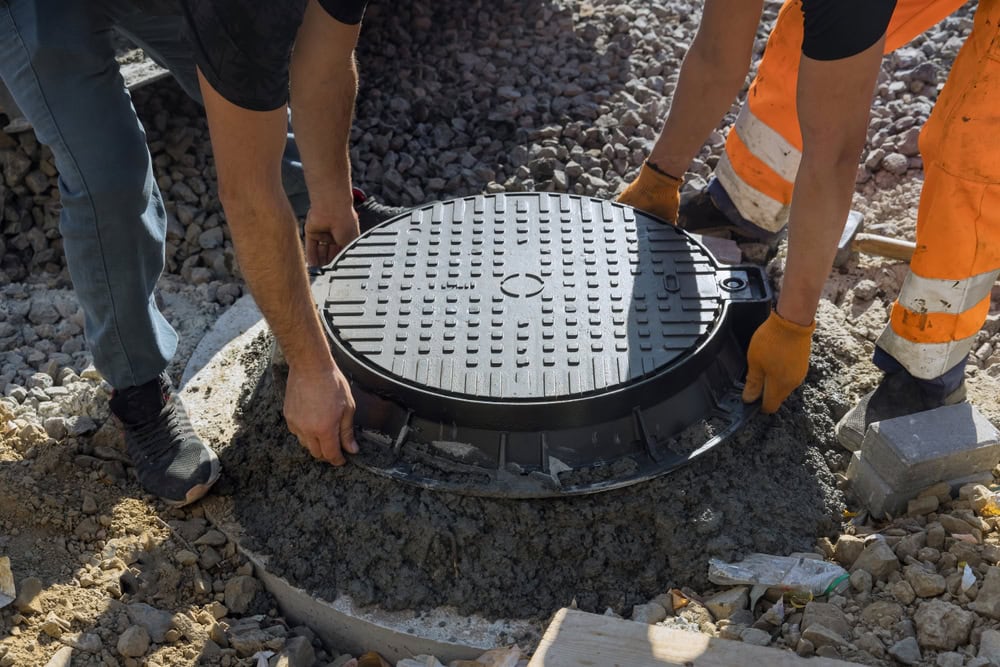
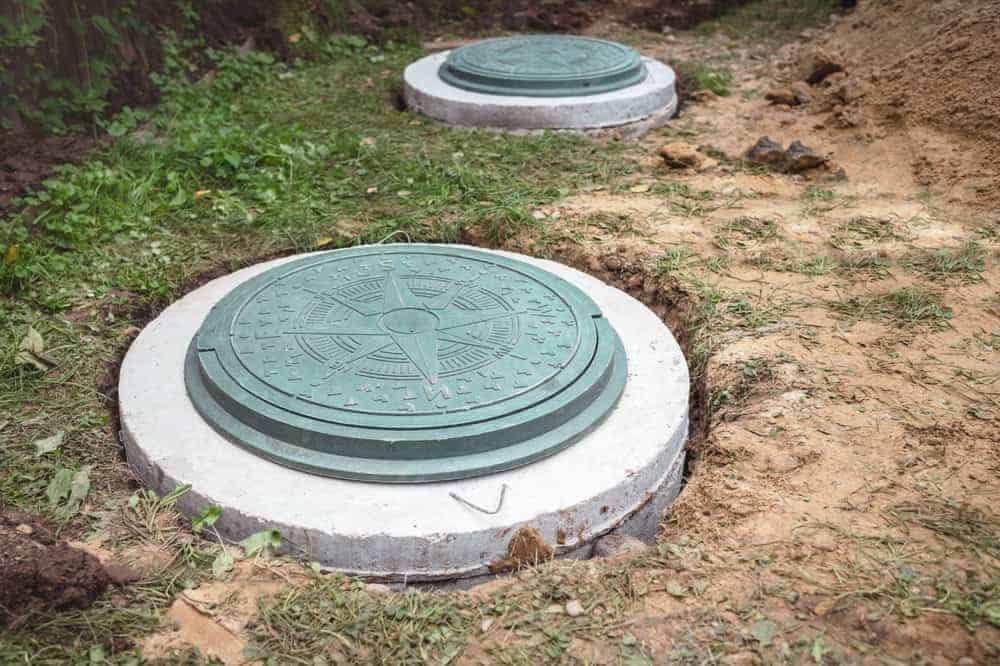
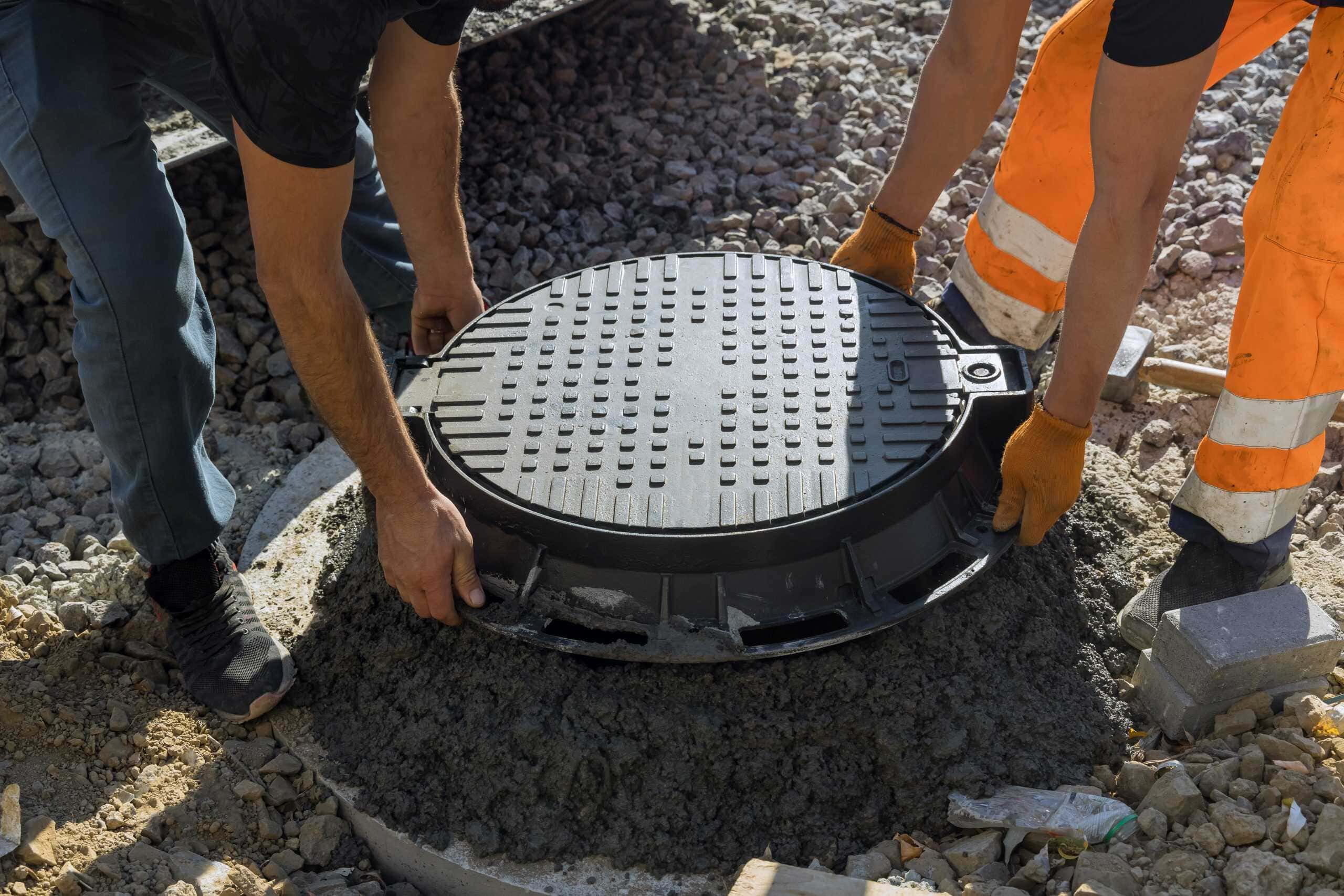
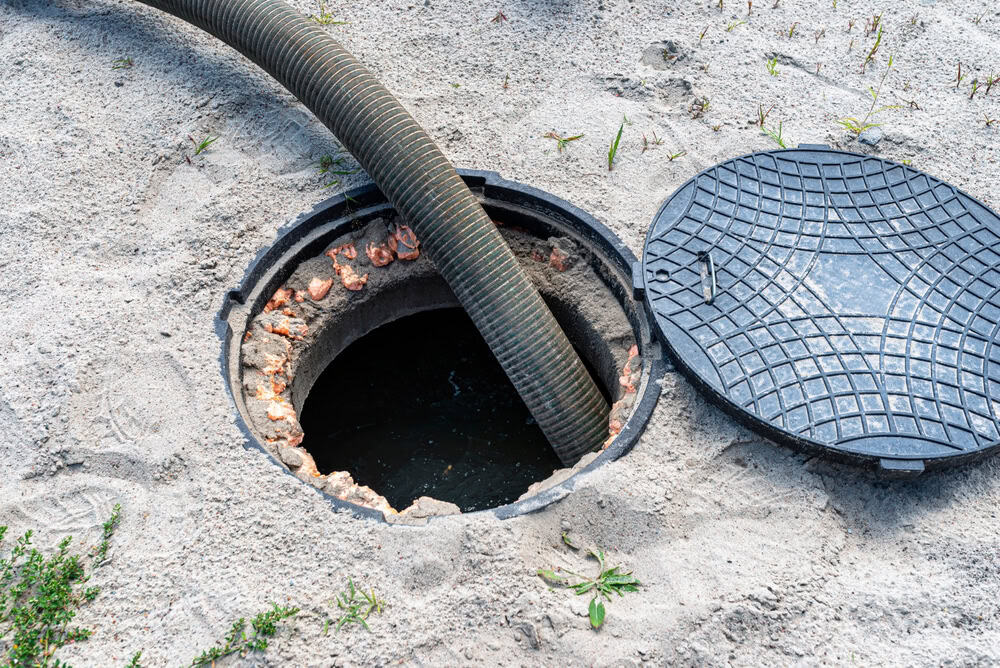
A cesspool is basically a big concrete or stone-lined pit buried in your yard. All the wastewater from your home—toilets, sinks, showers, washing machine—drains into this underground hole. Solids settle at the bottom. Liquids seep out through perforations in the walls into the surrounding soil.
That’s it. No treatment. No filtration. Just collection and slow drainage into the ground around your property.
Cesspools were common on Long Island before the 1970s, especially in areas without access to municipal sewer systems. They’re simple to install and relatively inexpensive upfront. But that simplicity comes with a cost: they fill up fast, require frequent cesspool pumping, and don’t do anything to protect groundwater from contamination.
Why Cesspools Are Still Around on Long Island
If cesspools are outdated, why do so many Long Island homes still have them? The answer comes down to timing and grandfathering.
In Suffolk County, new homes built since 1973 have been required to install septic systems with leach fields instead of cesspools. But homes that already had cesspools were allowed to keep them. For decades, homeowners could even replace a failing cesspool with another cesspool rather than upgrading to a septic system.
That changed in 2019. Suffolk County banned new cesspool installations entirely, and Nassau County followed with similar restrictions. The reason? Groundwater contamination. Long Island gets 100% of its drinking water from underground aquifers, and cesspools dump untreated waste directly into the soil.
Now, if your cesspool fails or you’re doing major renovations, you’ll likely need to upgrade to a modern septic system or connect to municipal sewer if it’s available in your area. And if you’re selling your home, expect the buyer’s inspector to take a close look at your system’s age and condition.
But here’s what most people don’t realize: even if your cesspool is still functioning, it’s probably costing you more than you think. Cesspools fill up faster than septic tanks because they don’t separate solids from liquids. That means more frequent pumping—sometimes every few months for a busy household—and higher cesspool maintenance costs over time.
Plus, older cesspools built from concrete blocks often exceed their structural lifespan. The walls can collapse, creating sewage-filled sinkholes in your yard. It’s not common, but it happens. And when it does, you’re looking at emergency cesspool repair costs that can easily hit $15,000 or more.
Signs Your Cesspool Is Full or Failing
Your cesspool won’t send you a calendar reminder when it’s time for service. But it will give you warning signs if you know what to look for.
Slow drains are usually the first clue. If every sink and toilet in your house is draining slower than usual, that’s not a clog in one pipe—that’s your cesspool reaching capacity. You might also hear gurgling sounds from your drains, especially after running water or flushing.
Foul odors are another red flag. If you smell sewage outside near your cesspool location, that’s a sign the system is overloaded or leaking. Some homeowners notice a patch of grass that’s unusually green or always soggy, even when it hasn’t rained. That’s wastewater saturating the soil.
The worst-case scenario? Sewage backing up into your home through drains or toilets. If that happens, you need emergency cesspool services immediately. Not tomorrow. Not next week. Right now.
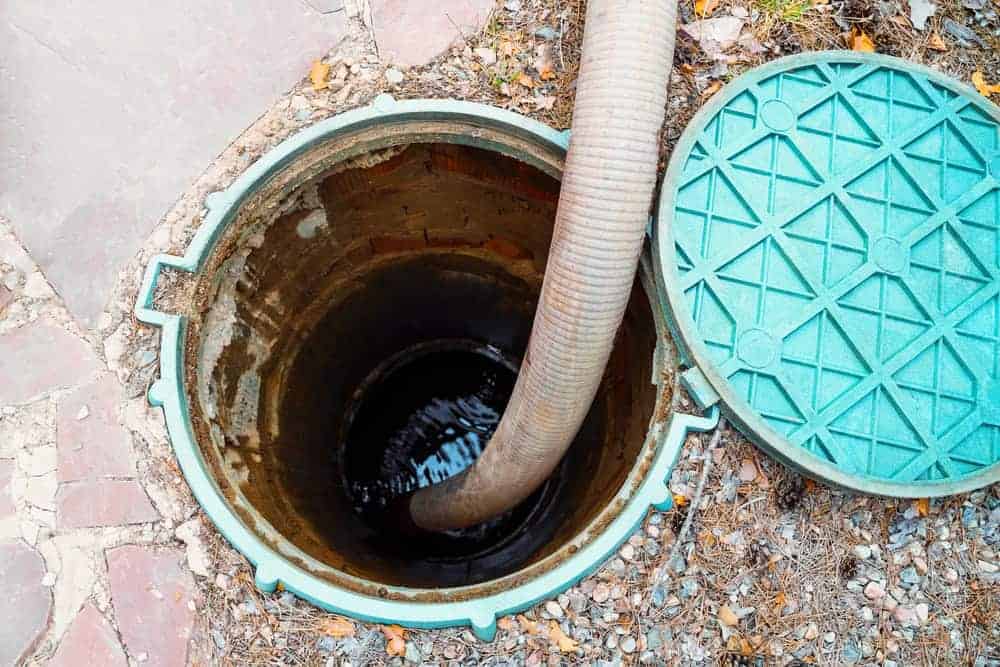
Most Long Island cesspools hold between 1,000 and 1,500 gallons. Once the solid waste reaches about 25-30% of the tank’s capacity, it’s time to pump. For a family of four, that could mean cesspool pumping every year or two. For a single person, maybe every three to four years.
Ignoring these signs doesn’t make the problem go away. It makes it worse and more expensive. Emergency pumping costs three to four times more than scheduled maintenance. If your system fails completely, you could be looking at a full replacement costing anywhere from $8,000 to $25,000 depending on what your property needs and local regulations require.
What Is a Septic Tank and How Is It Different?
A septic tank isn’t just a bigger, fancier cesspool. It’s a completely different system designed to treat wastewater, not just store it until someone pumps it out.
Here’s how it works: wastewater flows from your home into an underground tank where it separates into three layers. Heavy solids sink to the bottom and form sludge. Oils and lighter materials float to the top and create a scum layer. The middle layer—partially treated liquid called effluent—flows out of the tank through an outlet pipe into a drain field.
The drain field is a network of perforated pipes buried in gravel trenches. As the effluent moves through the soil, natural bacteria break down remaining contaminants before the water reaches the groundwater. It’s not perfect, but it’s a whole lot better than dumping raw sewage directly into the ground like cesspools do.
Why Septic Tank Services Require Less Maintenance
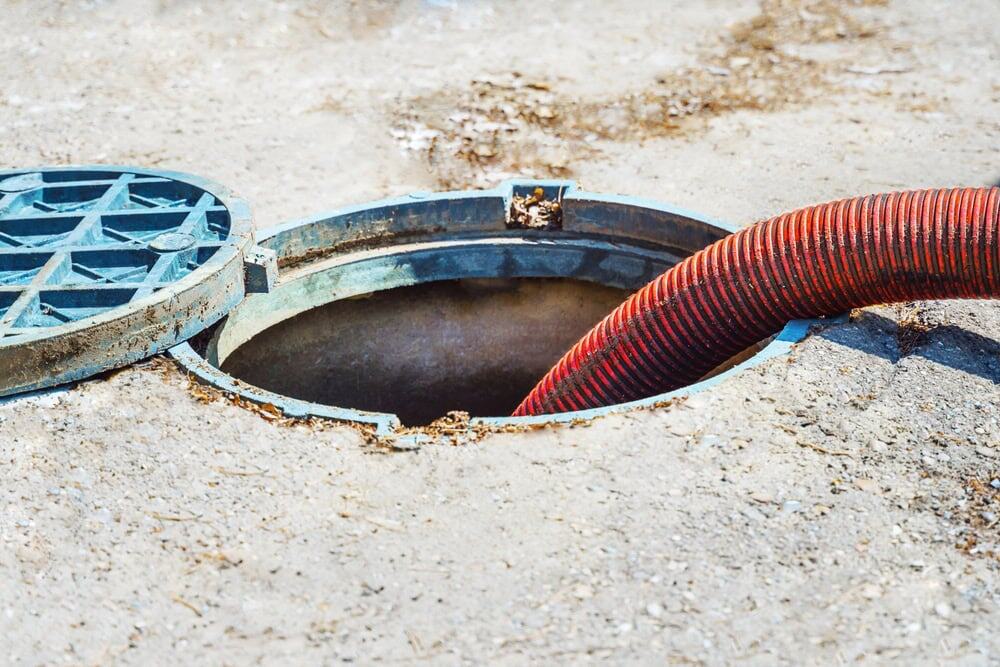
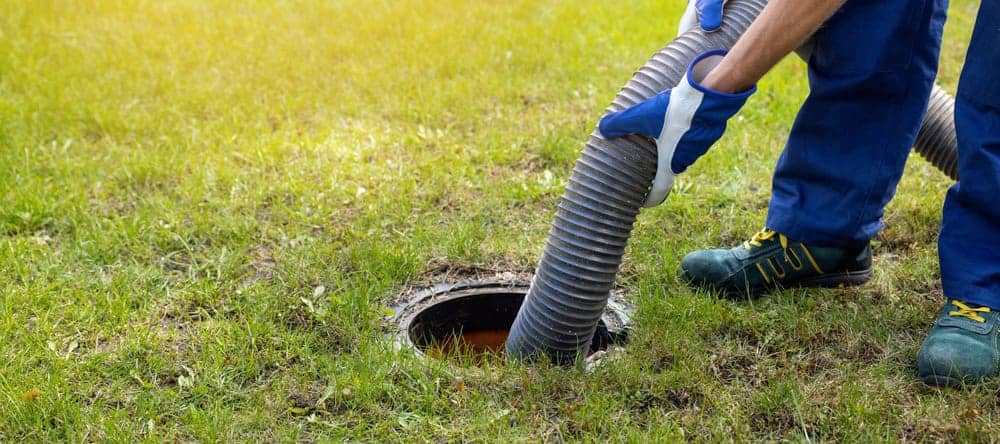
Because septic tanks separate solids from liquids and only send treated effluent to the drain field, they don’t fill up nearly as fast as cesspools. Most septic tanks only need septic tank pumping every three to five years, depending on household size and water usage patterns.
That’s a big difference. If a cesspool needs pumping twice a year and a septic tank needs it once every four years, you’re looking at eight times fewer service calls over the same period. Even accounting for the higher upfront cost of septic tank installation, the long-term savings in maintenance costs add up quickly.
Septic tanks are also better for the environment and Long Island’s water supply. They’re not perfect—traditional septic systems don’t remove nitrogen, which is a major pollutant in Long Island’s bays and groundwater. But they’re a massive improvement over cesspools, which release untreated waste directly into the soil.
That’s why Long Island regulations now push homeowners toward even more advanced systems called I/A OWTS, which stands for Innovative/Alternative Onsite Wastewater Treatment Systems. These systems can remove up to 90% of nitrogen from wastewater before it reaches the ground. They cost more to install—around $19,000 to $25,000 on average—but both Nassau and Suffolk counties offer grants to help cover the expense.
Nassau County offers up to $20,000 in grant funding for qualifying homeowners. Suffolk County provides $10,000, with an additional $5,000 available for low-to-moderate income households and another $5,000 if your property requires a pressurized shallow drainfield. In some cases, you could get the entire septic tank installation covered through these programs.
What Happens If You Don't Maintain Your Septic System
Septic systems are more forgiving than cesspools, but they’re not maintenance-free. Skip septic tank pumping for too long and the sludge layer builds up until it starts flowing into the drain field. Once that happens, the soil clogs and the system backs up.
Repairing a failed drain field is expensive—often more expensive than replacing an entire cesspool. You’re looking at excavation, new piping, new gravel, possibly even a new tank if the damage is severe enough. Costs can easily exceed $15,000 for major septic tank services and repairs.
And here’s the kicker: insurance usually won’t cover it. Most homeowner policies classify septic failures as “maintenance-related,” which means you’re paying out of pocket for the entire repair or replacement.
Beyond the financial hit, there’s the health risk. When a septic system fails, raw sewage can surface in your yard or back up into your home. That’s not just unpleasant—it’s a serious health hazard. Sewage contains bacteria, viruses, and parasites that can cause illness, especially in children and pets who might come into contact with contaminated areas.
Then there’s the environmental impact on Long Island’s water supply. Long Island’s sole-source aquifer supplies drinking water to millions of people across Nassau and Suffolk counties. When septic systems fail, contaminants leach into the groundwater that eventually becomes your drinking water. Suffolk County already has nitrate levels higher than 95% of the country. Every failed system makes that problem worse.
That’s why Suffolk County now requires documentation of regular septic tank pumping for property transfers. If you’re selling your home and can’t prove you’ve maintained your septic system with proper records, you could face delays or even be required to replace the system before the sale goes through.
Which System Do You Have and What Should You Do Next?
If you’re not sure if you have a cesspool or a septic tank, you’re not alone. Many Long Island homeowners don’t know until they have a problem—or until they’re trying to sell and the inspector asks for maintenance records.
The easiest way to find out is to check your property records or call a local cesspool service company that knows Long Island systems. We can locate your system, inspect it, and tell you exactly what you’re working with and what maintenance schedule makes sense. If your home was built before 1973 in Suffolk County, there’s a good chance you have a cesspool. Newer homes almost certainly have septic systems.
Once you know what you have, the next step is simple: get on a maintenance schedule that works. Regular cesspool pumping or septic tank pumping prevents emergencies, protects your property value, and keeps your system compliant with local regulations. No matter if you’re dealing with a cesspool that needs pumping every couple of years or a septic tank that can go longer between services, staying ahead of the maintenance curve saves you money and problems.
We’ve been helping Long Island homeowners with cesspool services and septic tank services since 1980. If you need pumping, inspection, or you’re ready to upgrade to a modern system that meets current regulations, reach out and talk to someone who knows Long Island’s soil conditions, local requirements, and what actually works out here.