Summary:
Understanding Aging Septic System Problems in Older Homes
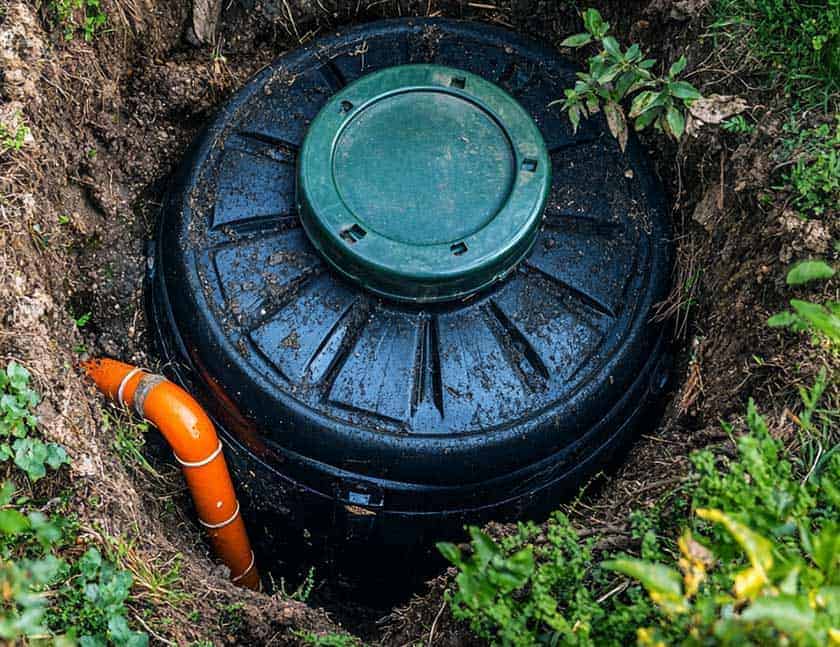
Older homes throughout Centereach and Selden typically rely on septic systems installed decades ago using different standards and materials. These aging systems face unique challenges that newer installations don’t encounter.
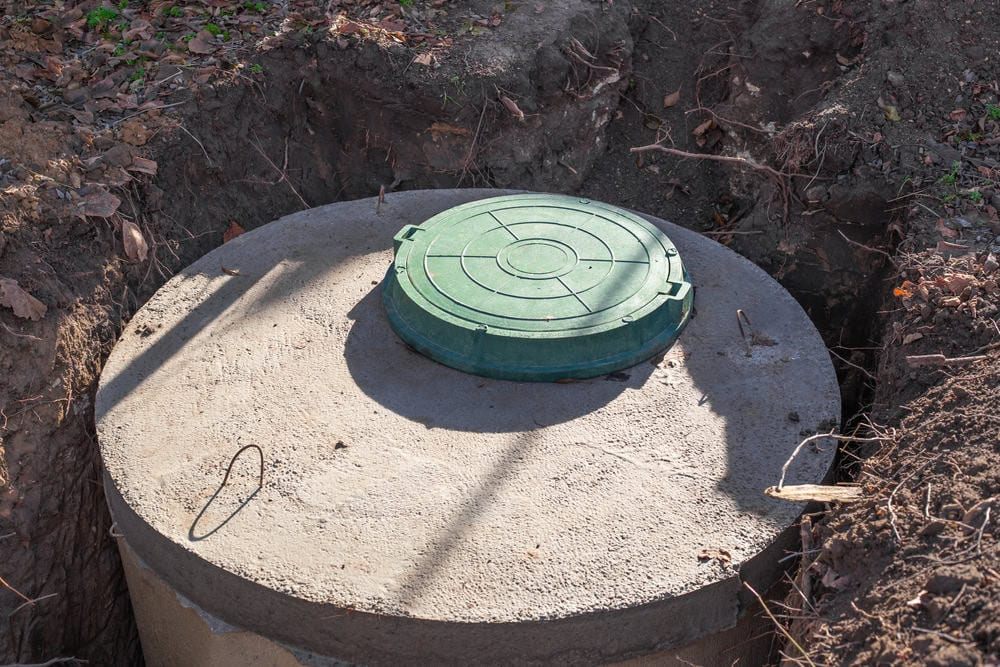
Most systems installed before the 1990s used concrete or clay components that deteriorate over time. The natural aging process creates structural weaknesses, allowing untreated wastewater to seep into surrounding soil. This contamination threatens both your property and the broader Long Island aquifer system.
Suffolk County’s environmental regulations have evolved significantly since these older systems were installed. What was acceptable decades ago no longer meets current environmental protection standards, especially regarding nitrogen pollution control.
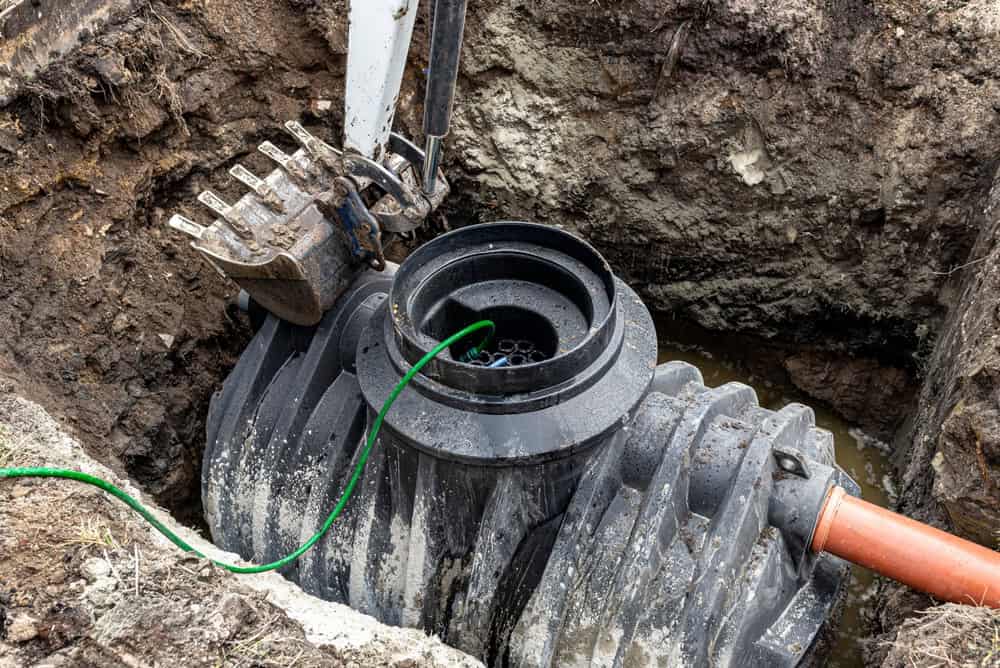
Common Signs Your Aging Septic System Needs Replacement
Recognizing replacement warning signs helps you address problems before they become emergencies. Slow-draining fixtures throughout your home often indicate system capacity issues or structural failures within the tank itself.
Persistent sewage odors around your property signal that your system isn’t properly containing waste. These odors typically worsen during wet weather when saturated soil can’t absorb additional liquid waste effectively.
Gurgling sounds from toilets and drains suggest air displacement issues within your septic system. This happens when normal waste flow patterns are disrupted by accumulated solids or structural damage to tank components.
Standing water or unusually lush grass growth over your drain field indicates system overflow. When your septic tank can’t properly separate solids from liquids, untreated waste reaches the surface, creating both health hazards and environmental contamination.
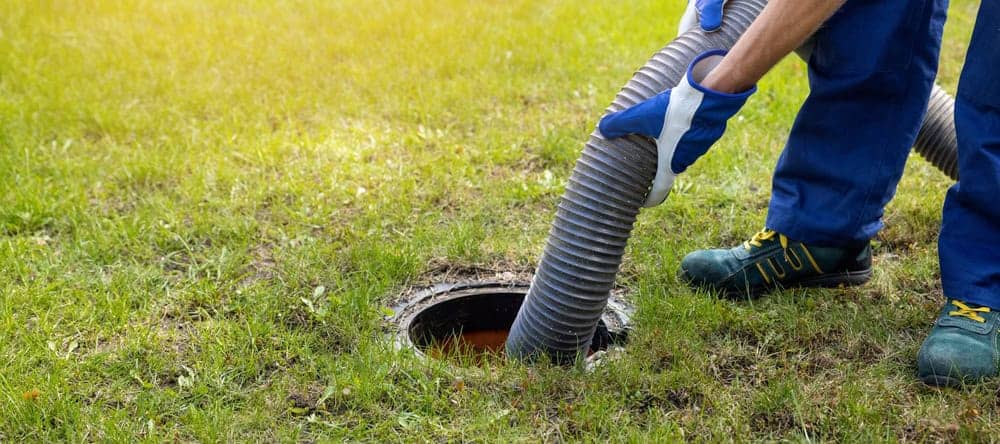
Frequent pumping requirements—more than once yearly—signal that your system’s capacity has been compromised. Aging tanks lose their ability to separate waste effectively, requiring more frequent professional intervention to prevent backups.
Regular sewage backups into your home represent the most serious warning sign. These emergencies typically occur when aging systems can no longer handle normal household waste volumes, creating immediate health risks for your family.
Environmental Compliance Requirements for Suffolk County Properties
Suffolk County has implemented strict environmental regulations that directly impact older septic systems throughout Centereach, Selden, and Lake Grove. These regulations address nitrogen pollution concerns that threaten local water quality and marine ecosystems.
New construction and major home renovations now require nitrogen-reducing septic systems that meet current environmental standards. While existing systems aren’t immediately affected, property owners planning significant improvements must upgrade to compliant systems.
The county’s Septic Improvement Program offers substantial financial assistance for voluntary upgrades. Homeowners can receive grants up to $30,000 toward installing modern nitrogen-reducing systems, making compliance more affordable than many expect.
Environmental compliance isn’t just about meeting regulations—it’s about protecting Long Island’s sole-source aquifer that supplies drinking water to millions of residents. Aging septic systems contribute significantly to nitrogen pollution that threatens this critical water resource.
Modern replacement systems use advanced treatment technologies to remove up to 90% of nitrogen from wastewater before it reaches groundwater. This dramatic improvement helps preserve water quality for future generations while ensuring your property remains compliant with evolving regulations.
Property values increasingly reflect environmental compliance status. Homes with modern, compliant septic systems command higher prices and attract more buyers than properties with aging, non-compliant systems that may require immediate upgrades.
Modern Septic Tank Replacement Solutions and Costs
Today’s septic replacement options offer significant improvements over older systems in terms of efficiency, environmental protection, and longevity. Understanding these modern solutions helps you make informed decisions about your property’s wastewater management needs.
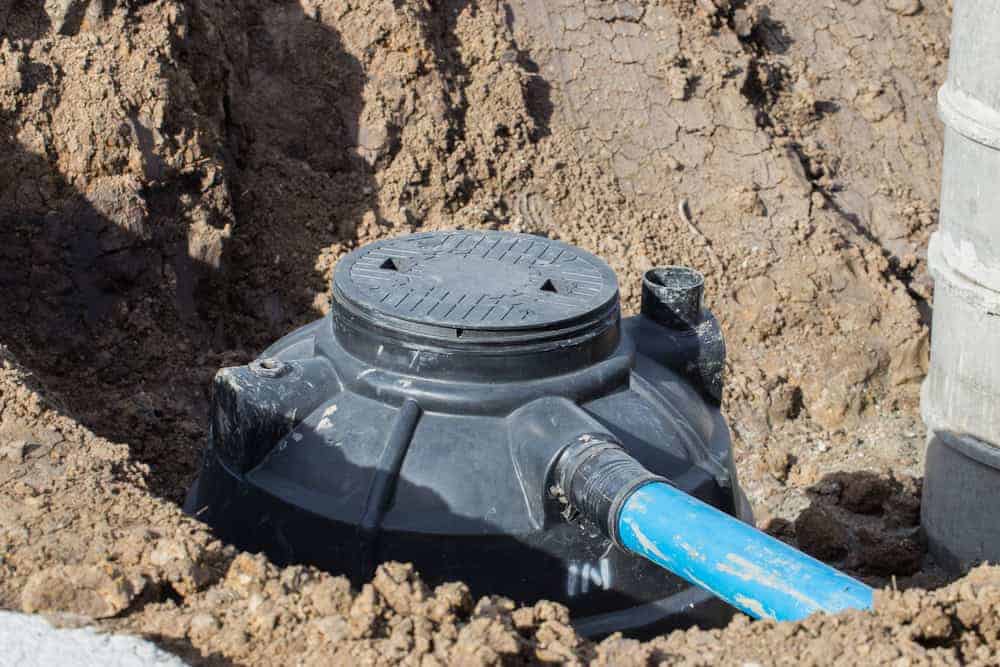
Conventional septic systems represent the baseline replacement option, featuring improved materials and construction standards compared to older installations. These systems provide reliable waste treatment while meeting current Suffolk County construction requirements.
Advanced nitrogen-reducing systems offer superior environmental protection and regulatory compliance. While these systems cost more initially, available grant programs can offset much of the expense while providing long-term environmental benefits.
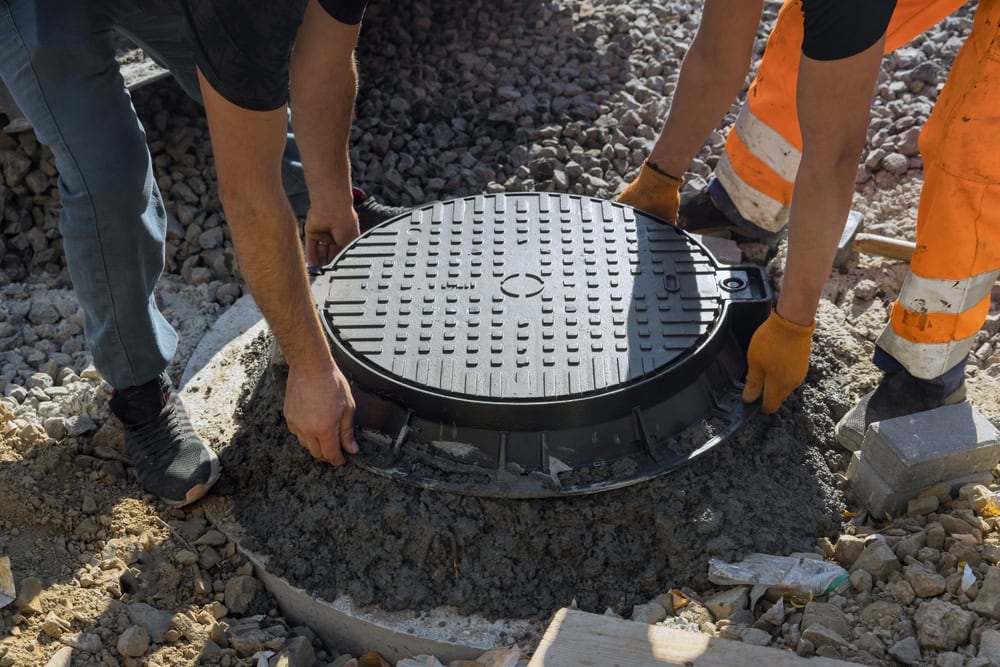
Replacement Cost Factors and Financing Options
Septic tank replacement costs vary significantly based on system type, property conditions, and local requirements. Basic conventional system replacements typically range from $15,000 to $25,000, while advanced nitrogen-reducing systems can cost $25,000 to $40,000 before grant assistance.
Property-specific factors influence final costs considerably. Difficult soil conditions, limited access for equipment, or complex site layouts can increase installation expenses. Conversely, straightforward installations with good soil conditions often come in at the lower end of cost ranges.
Suffolk County’s grant programs dramatically improve replacement affordability. The Septic Improvement Program provides up to $25,000 in county funding, with additional New York State grants available for qualifying properties. These programs can cover most or all replacement costs for eligible homeowners.
Financing options extend beyond grant programs to include low-interest loans and contractor payment plans. Many homeowners combine grant funding with financing to manage any remaining costs while avoiding delays in addressing failing systems.
The true cost of replacement includes long-term operational benefits. Modern systems require less frequent pumping, experience fewer emergency repairs, and provide decades of reliable service. These operational savings offset initial investment costs over the system’s lifespan.
Emergency replacements always cost more than planned upgrades. Addressing aging system issues proactively allows you to research options, secure optimal pricing, and take advantage of available funding programs that may not be accessible during emergency situations.
Choosing the Right Replacement System for Your Property
Selecting appropriate replacement systems requires understanding your property’s specific needs, local regulations, and long-term goals. Professional assessment helps identify the most suitable options for your situation and budget.
Conventional septic systems work well for properties with adequate space and suitable soil conditions. These systems provide reliable waste treatment while meeting current construction standards at lower initial costs than advanced alternatives.
Nitrogen-reducing systems make sense for environmentally sensitive locations or properties where future regulatory compliance seems likely. While these systems cost more initially, grant funding and long-term compliance benefits often justify the additional investment.
Property size and household usage patterns influence system sizing requirements. Larger homes or properties with high water usage need appropriately sized systems to handle peak loads without compromising treatment effectiveness.
Soil conditions and site constraints affect system design and installation approaches. Professional evaluation identifies any site-specific challenges that might influence system selection or require specialized installation techniques.
Future property plans should factor into replacement decisions. If you’re considering home additions or renovations, choosing systems that can accommodate increased capacity prevents costly upgrades later.
Professional guidance ensures optimal system selection and proper installation. We understand local conditions, regulatory requirements, and available funding options that help you make the best decision for your specific situation.
Making Smart Septic Replacement Decisions for Your Home
Septic tank replacement represents a significant investment that protects your property, family health, and Long Island’s environment. Understanding your options, available funding, and regulatory requirements helps you make informed decisions that serve your long-term interests.
Modern replacement systems offer substantial improvements over aging installations in terms of reliability, environmental protection, and regulatory compliance. While initial costs seem substantial, grant programs and long-term operational benefits make upgrades more affordable than many homeowners expect.
Don’t wait for emergency failures to force rushed decisions. Proactive replacement planning allows you to research options thoroughly, secure optimal pricing, and take advantage of available funding programs. For expert guidance on septic tank replacement in Centereach, Selden, or Lake Grove, contact us at Antorino & Sons to discuss your specific needs and explore your best options.