Summary:
How Regular Cesspool Pumping Saves You Money
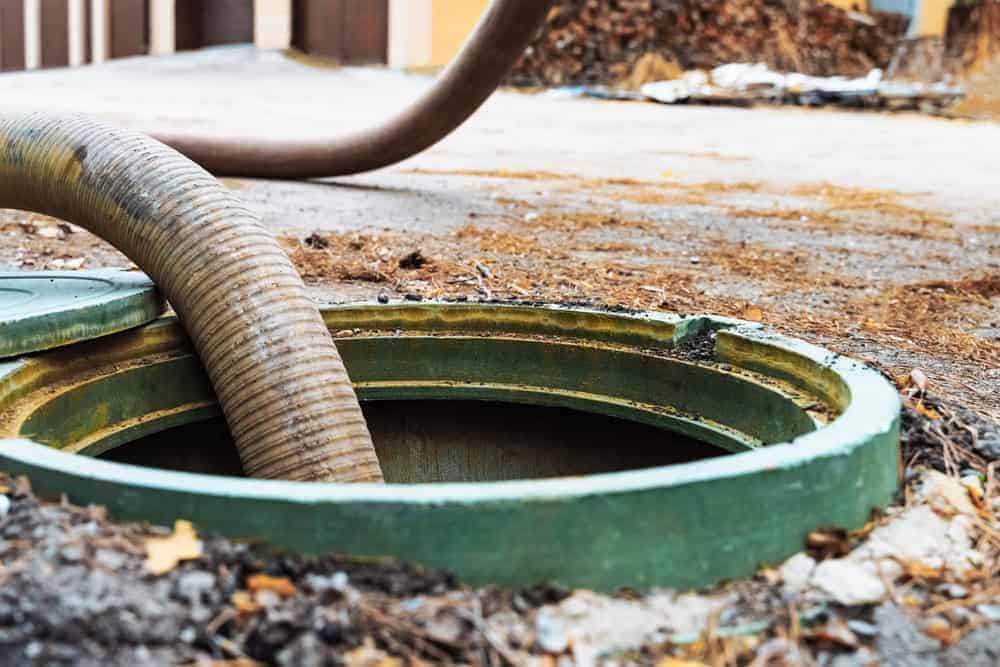
The math on cesspool maintenance is straightforward. Routine pumping costs between $300-600 depending on your system size. Emergency repairs when your system fails? You’re looking at $3,000-8,000 on average, with complete system replacements reaching $15,000-25,000.
What makes proactive pumping so cost-effective is what it prevents. Every time wastewater flows through your cesspool, solid waste settles at the bottom. Over months and years, those solids build up until they block the distribution system. When that happens, wastewater has nowhere to go except back into your home through your drains and toilets.
Emergency service calls cost 3-4 times more than scheduled maintenance. You’re paying premium rates for immediate response, often on weekends or holidays when the backup happens. The cleanup alone can run into thousands if sewage damages your floors, walls, or belongings. Your homeowner’s insurance probably won’t cover it either—most policies exclude damage from maintenance-related failures.
What Happens When You Skip Cesspool Maintenance
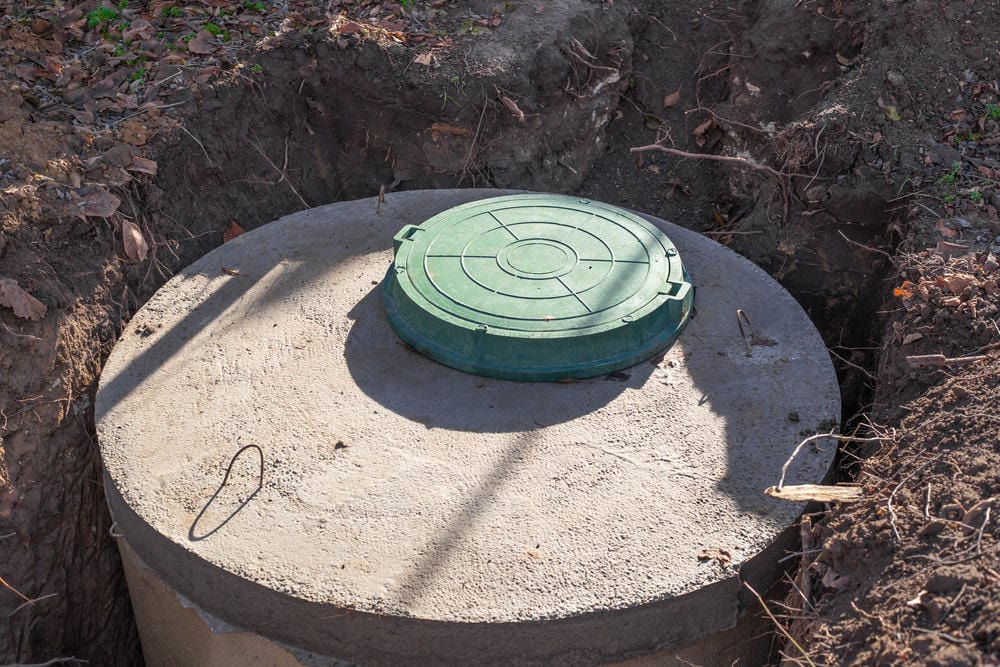
Skipping regular pumping doesn’t save money. It just delays the inevitable while making the eventual problem worse.
Here’s the typical timeline: Most Long Island homeowners who skip routine maintenance face emergency repairs within 5-7 years. The cesspool continues accepting waste, but solid accumulation reduces capacity with every flush. You might not notice anything wrong at first. The system keeps working, just less efficiently.
Then the warning signs start. Drains slow down throughout your house. You catch occasional sewage odors in the yard. Maybe you see wet spots near where the cesspool is located. These symptoms tell you the system is struggling, but many homeowners ignore them, hoping the problem resolves itself.
It doesn’t resolve itself. The solid waste layer keeps building until it completely blocks the drainage system. Now you have sewage backing up into your home—through toilets, showers, floor drains. The mess is immediate and severe. You need emergency service right now, not next week when it’s more convenient.
Emergency repairs cost thousands, but that’s just the beginning. If the backup damaged your property, you’re paying for cleanup and restoration. If the cesspool structure failed from years of pressure and neglect, you might need complete replacement. And because you waited until failure, you have no choice about timing or cost—you pay whatever it takes to fix the problem immediately.
The homeowners who avoid these disasters share one thing in common: they pump their cesspools every 2-3 years whether they think it needs it or not. That scheduled service removes accumulated solids before they cause problems. It’s not exciting. It’s not something you show off to neighbors. But it’s the difference between spending $400-600 every few years versus $15,000 when your system fails at the worst possible time.
Long Island Soil Conditions Make Proactive Maintenance Critical
Long Island’s soil isn’t like other places, and that affects how your cesspool functions. The sandy soil and high water table create specific challenges that make regular maintenance even more important here than in other regions.
Sandy soil drains quickly, which sounds good until you realize it also means less natural filtration. When your cesspool releases liquid waste into the surrounding soil, that waste can travel further and faster than it would in clay-heavy soil. If your system is overloaded with solids, you’re not just risking backup into your home—you’re potentially contaminating groundwater that feeds into Long Island’s drinking water supply.
The high water table adds another complication. During heavy rain or wet seasons, the water table rises closer to your cesspool. If your system is already struggling with solid accumulation, that rising water table can trigger backups even if the cesspool isn’t technically full. The soil becomes saturated and can’t absorb the liquid waste your cesspool needs to discharge.
Long Island regulations reflect these environmental concerns. Suffolk County banned new cesspool installations in 2019 specifically because of nitrogen pollution entering groundwater and bays. While existing cesspools can remain operational, they face increasing scrutiny. Health departments can issue violation notices for systems that contaminate groundwater or create surface hazards. Those violations come with fines ranging from $250-2,000, plus mandatory repair or replacement orders.
Regular pumping keeps you compliant with these regulations while protecting the environment. When your cesspool is properly maintained, it processes waste efficiently without overloading the surrounding soil. You avoid the contamination issues that trigger violations, and you protect the groundwater that everyone on Long Island depends on for drinking water.
Local knowledge matters here. We understand Long Island’s specific soil conditions, water table fluctuations, and regulatory requirements, which allows us to recommend maintenance schedules that account for these factors. A family of four in Nassau County might need different service timing than a similar household in Suffolk County, depending on soil composition and local water table levels.
Warning Signs Your Cesspool Needs Immediate Attention
Your cesspool tells you when it’s struggling. The question is whether you’re paying attention to the warning signs before they become emergencies.
Slow drains throughout your house are often the first indicator. If multiple fixtures—sinks, showers, toilets—are all draining slower than normal, that’s your cesspool signaling that it’s reaching capacity. One slow drain might be a localized clog in that pipe. Multiple slow drains point to the cesspool itself.
Sewage odors around your property mean waste isn’t being contained properly. You might smell it near the cesspool location in your yard, or you might catch occasional odors inside the house near drains. These smells indicate that the system is overloaded and waste is surfacing or backing up through vent pipes.

Physical Signs of Cesspool Problems
Wet spots or unusually lush grass near your cesspool location tell you that liquid waste is surfacing instead of being absorbed into the soil. The grass might be greener in that area because it’s getting extra “fertilization” from the waste. This isn’t a good sign—it means your cesspool is full and can’t process waste properly.
Gurgling sounds from drains and toilets indicate air pressure issues in your plumbing system. When the cesspool is too full, air can’t vent properly through the system. You hear it as gurgling or bubbling when you run water or flush toilets. This sound is your system’s way of saying it’s running out of capacity.
Standing water in your basement or around floor drains represents a more serious situation. If you see sewage backing up into your home, that’s a full emergency requiring immediate professional response. Don’t wait to see if it gets worse. It will get worse. Call for emergency service immediately to prevent health hazards and property damage.
But here’s the thing about warning signs: you shouldn’t wait for them. By the time you notice slow drains or sewage odors, your cesspool is already developing problems. Proactive maintenance means pumping your cesspool every 2-3 years whether you see warning signs or not. That scheduled service removes accumulated solids before they reach the point where they cause symptoms.
Think of it like changing your car’s oil. You don’t wait until the engine starts making noise to change the oil. You follow the recommended schedule because that’s what prevents engine damage. Your cesspool works the same way. The recommended pumping schedule—every 2-3 years for most Long Island households—is based on typical waste accumulation rates. Following that schedule prevents the problems that create warning signs in the first place.
How Household Size Affects Cesspool Pumping Frequency
Not every household needs the same pumping schedule. Your family size, water usage patterns, and habits all affect how quickly your cesspool fills with solid waste.
A family of four typically needs cesspool pumping every 2-3 years. That’s the baseline recommendation for average household waste and water usage. Smaller households—one or two people—might extend that to 3-4 years between pumpings because they generate less waste overall.
Larger families or homes with frequent guests need more frequent service. If you regularly have five or more people using your plumbing system, consider annual pumping. The increased waste volume fills your cesspool faster, and waiting too long between services increases backup risk.
Your water usage habits matter too. If you run multiple loads of laundry every day, take long showers, or use a garbage disposal frequently, you’re sending more material into your cesspool. Garbage disposals are particularly problematic because they add food waste and grease that don’t break down as easily as human waste and toilet paper. Homes with garbage disposals often need more frequent pumping to handle the additional solid load.
Commercial properties face different requirements entirely. Businesses generate higher waste volumes than residential properties, and the consequences of system failure are more severe. Most commercial cesspools need annual pumping at minimum, with high-volume operations requiring service every 6 months. Restaurants, medical facilities, and multi-unit buildings can’t afford the downtime and health risks that come with cesspool failure.
Professional assessment helps determine your specific pumping schedule. During routine service, our technicians measure the solid waste levels in your cesspool. If solids are accumulating faster than expected, we can recommend more frequent pumping. If levels are lower than typical, you might be able to extend the interval slightly. This customized approach ensures you’re not over-maintaining or under-maintaining your system.
The cost difference between annual and biennial pumping might seem significant when you’re writing the check. But compare that cost to one emergency repair. A single backup incident costs more than five years of proactive maintenance. The homeowners who spend the least on cesspool service over the long term are the ones who pump regularly and never have emergencies.
Making Proactive Cesspool Maintenance Your Standard Practice
The choice between proactive maintenance and reactive emergency repairs isn’t really a choice at all when you look at the numbers. Scheduled pumping every 2-3 years costs a few hundred dollars and prevents thousands in emergency repairs. It protects your property value, keeps your family safe from health hazards, and ensures compliance with Long Island’s environmental regulations.
Your cesspool doesn’t care whether maintenance is convenient for you. It fills with solid waste at a predictable rate based on your household size and usage. When those solids reach critical levels, the system fails—usually at the worst possible time. The homeowners who avoid these disasters are the ones who schedule service before problems develop, not after.
If it’s been more than two years since your last pumping, or if you’re seeing any warning signs like slow drains or sewage odors, don’t wait for the situation to get worse. We’ve been serving Long Island families for over 60 years with reliable cesspool maintenance that prevents the emergencies other homeowners face. Schedule your service now, before your cesspool makes the decision for you.