Summary:
How Septic Tank Pumping Actually Works
When wastewater leaves your home, it flows into your septic tank where a natural separation process begins. Heavier solids sink to the bottom forming sludge. Lighter materials like grease and oils float to the top creating scum. The middle layer—mostly liquid—flows out to your drain field where soil filters it naturally.
This process works fine until the sludge and scum layers get too thick. When that happens, solids start escaping into your drain field. Those solids clog the pipes and soil, and once that damage occurs, pumping your tank won’t fix it. You’re looking at drain field replacement, which runs $10,000 to $30,000 or more.
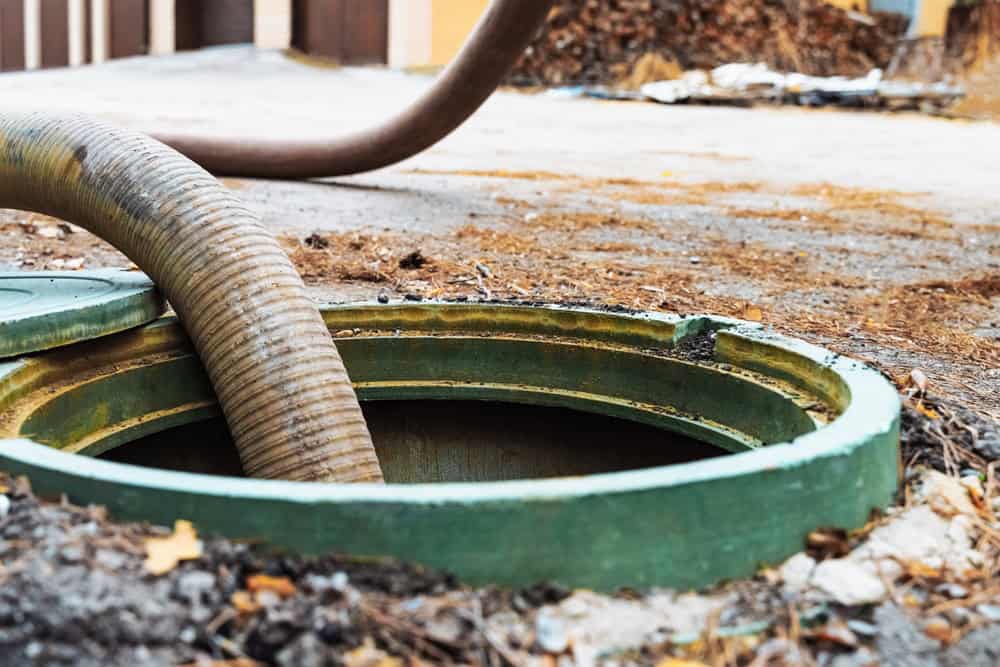
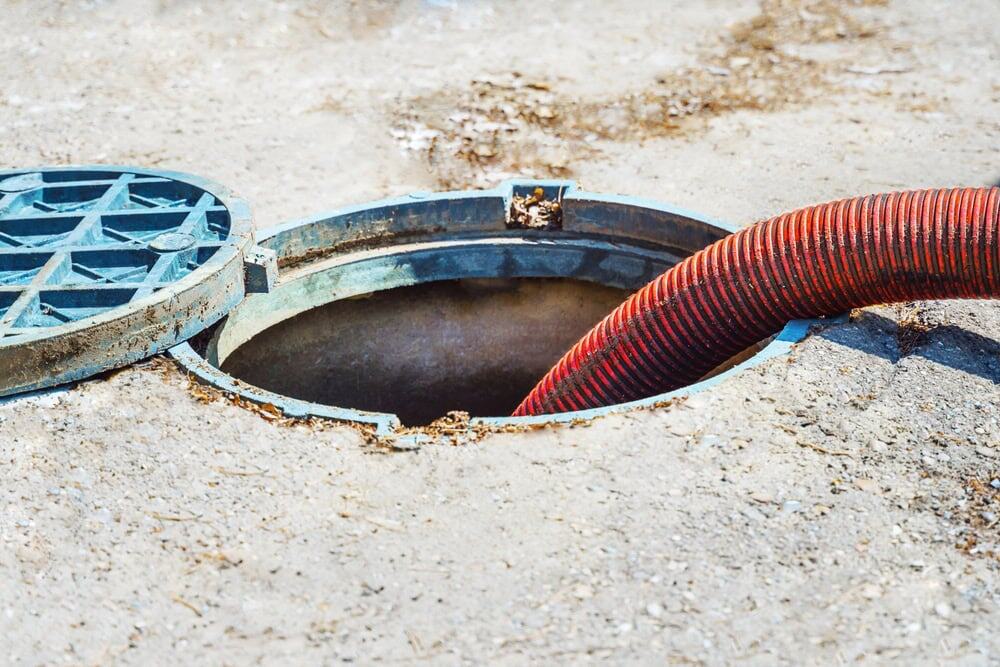
Pumping removes the accumulated sludge and scum before they reach critical levels. We use a vacuum truck to extract everything from your tank, giving your system a clean slate. The process typically takes 30 minutes to an hour, depending on tank size and access. Regular septic system maintenance through scheduled pumping is what keeps this entire process working efficiently for decades.

How Often Should You Pump Your Septic Tank
The standard answer you’ll hear is every three to five years. That’s accurate for many households, but your specific situation might be different. Three main factors determine your pumping frequency: household size, tank size, and water usage.
A family of four with a 1,000-gallon tank typically needs pumping every 2.5 years. A couple with the same tank might go five years between pumpings. Add a garbage disposal to either scenario and you could need pumping every year. The disposal grinds food into small particles that don’t break down like human waste, filling your tank with solids much faster.
Here’s what really matters: the thickness of your sludge and scum layers. Industry standards say you should pump when these layers take up 30% of your tank’s volume. For a tank with 48 inches of liquid depth, that means pumping when combined sludge and scum reach about 14 inches. Your septic professional can measure these levels during an inspection and tell you exactly when pumping is needed.
Water usage plays a bigger role than most people realize. Every gallon entering your home eventually reaches your septic system. Leaky toilets, long showers, and doing five loads of laundry in one day all stress your system. The average person uses about 70 gallons of water daily. Multiply that by your household size and you’ll understand why a family of six needs more frequent pumping than a retired couple.
On Long Island specifically, you’re dealing with sandy soils and high water tables that affect how your system performs. These conditions mean your drain field might be working harder than systems in other areas. Some Long Island homeowners find they need slightly more frequent pumping to account for these local challenges.
Never go more than five years between pumpings regardless of your situation. Even if you think your system is fine, sludge and scum are accumulating. Waiting too long means you’re gambling with a component that costs $15,000 to $25,000 to replace.
What Happens When You Skip Pumping Your Septic Tank
Skipping septic tank pumping doesn’t cause immediate disaster. The problems develop gradually, which is exactly why so many homeowners wait too long. But make no mistake—those problems are developing whether you see them or not.
As sludge accumulates, it reduces the time wastewater spends in your tank. Your tank needs to hold wastewater long enough for solids to settle out. When the tank fills with sludge, wastewater rushes through too quickly. Solids that should settle get pushed out to your drain field instead.
Those solids start clogging the perforated pipes in your drain field. They also form a thick layer called biomat in the soil. A thin biomat layer is normal and actually helps with filtration. A thick biomat becomes impermeable, preventing water from draining through the soil. When water can’t drain, it backs up. First you’ll notice slow drains in your home. Then toilets that don’t flush properly. Eventually, sewage backs up into your house or pools on the ground above your drain field.
Here’s the part that catches people off guard: pumping your tank at this stage doesn’t fix the problem. The damage is in your drain field, not your tank. You’re looking at drain field restoration or replacement, which is the most expensive septic repair you can face. The soil needs to be excavated, the biomat removed, and in many cases, the entire drain field rebuilt.
On Long Island, where your drinking water comes from the same aquifer your septic system drains into, an overloaded system poses environmental risks too. Untreated wastewater containing nitrogen and pathogens seeps into groundwater. That nitrogen feeds algae blooms in Long Island’s bays, creating dead zones that kill fish and close beaches. This is why Suffolk County now offers up to $20,000 in grants for advanced septic system upgrades—the environmental stakes are that high.
The financial impact is straightforward. Regular pumping costs $300 to $600 every few years. Drain field replacement costs $10,000 to $30,000 or more. Even if you’re trying to save money by skipping pumping, you’re setting yourself up for expenses that dwarf those savings.
Recognizing When Your Septic Tank Needs Pumping
Your septic system gives you warning signs before it fails completely. Recognizing these signs early means you can schedule pumping before you’re dealing with an emergency. Most homeowners miss these signals until the situation becomes urgent.
Slow drains are usually the first indicator. If water drains slowly from multiple fixtures—not just one clogged sink—your septic system might be struggling. Gurgling sounds when you flush toilets or run water suggest air trapped in your plumbing, often because your septic tank is too full.
Odors are another clear signal. You shouldn’t smell sewage anywhere on your property. If you do, whether it’s near your tank, around your drain field, or even inside your home near drains, something’s wrong. These odors indicate gases escaping from your system, which happens when the tank is overloaded or the drain field is failing. Proper septic system maintenance prevents these warning signs from ever appearing.
Visual Signs Your Septic System Is Failing
Walk your property and look for visual clues about your septic system’s condition. Bright green, lush grass growing over your tank or drain field during dry weather is a red flag. Your septic effluent contains nitrogen and phosphorus—essentially fertilizer. When that effluent reaches the surface instead of filtering through soil, it creates unusually healthy patches of grass.
Standing water or soggy ground near your septic system means your drain field isn’t absorbing wastewater properly. This is especially concerning if it hasn’t rained recently. The ground above your drain field should feel normal, not spongy or wet. If you can see pooling water or muddy areas, your system is likely failing.
Inside your home, watch for sewage backing up through drains. This is an emergency. If wastewater comes back up through toilets, showers, or floor drains, stop using water immediately and call a professional. This backup means your system is completely overloaded and can’t handle any more wastewater. Continued use will make the situation worse and increase the risk of property damage and health hazards.
For Long Island homeowners, these warning signs can develop faster than in other regions because of our sandy soils. Water moves through sand quickly, which is usually good for septic systems. But it also means problems can escalate rapidly. A system that seems fine one month might show serious symptoms the next.
The most reliable way to know if you need pumping is to have your tank inspected. A septic professional can measure your sludge and scum levels and tell you exactly where you stand. Most homeowners should have this inspection done every one to three years, even if everything seems fine. Catching issues early—before you see warning signs—is always cheaper than waiting for problems to surface.
Understanding Sludge and Scum Levels in Your Tank
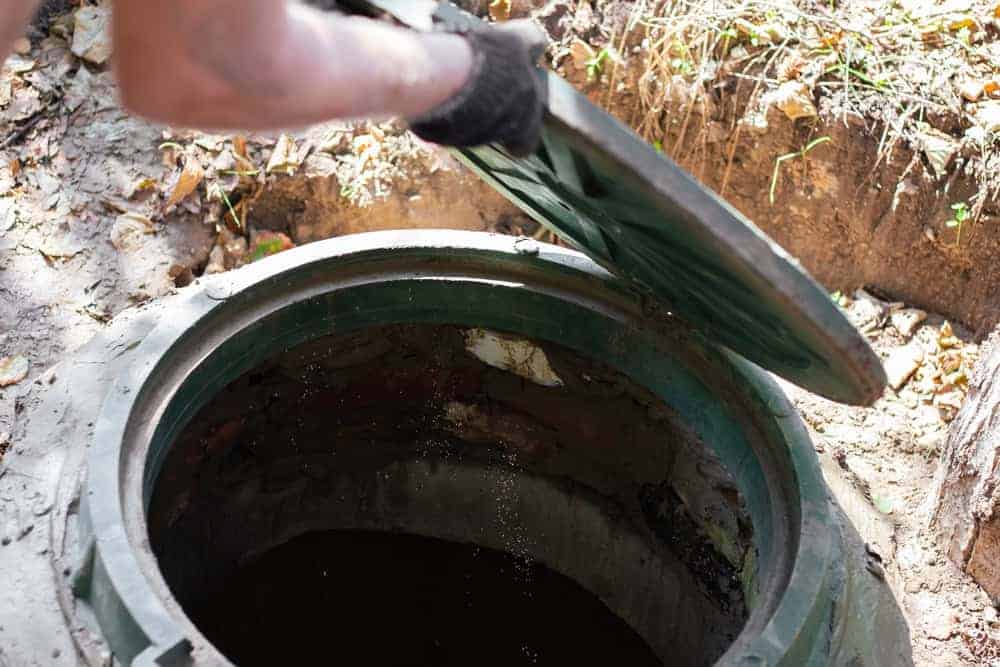
Inside your septic tank, three distinct layers form naturally. At the bottom, sludge consists of solid waste that has settled. In the middle, you have the liquid effluent layer that flows out to your drain field. At the top, scum floats—this layer contains fats, oils, grease, and other materials lighter than water.
Your tank has inlet and outlet pipes. The outlet sits below the top of the tank, typically about a foot down. Your tank should be pumped when the bottom of the scum layer gets within six inches of the outlet, or when the top of the sludge layer gets within 12 inches of the outlet. When either layer gets too close, solids start escaping through the outlet into your drain field.
Most experts agree you should pump when the combined sludge and scum layers reach about 30% of your tank’s total volume. For a typical residential tank, this might mean pumping when you have 8 to 12 inches of combined sludge and scum. These measurements require opening your tank and using specialized tools, which is why professional inspections matter.
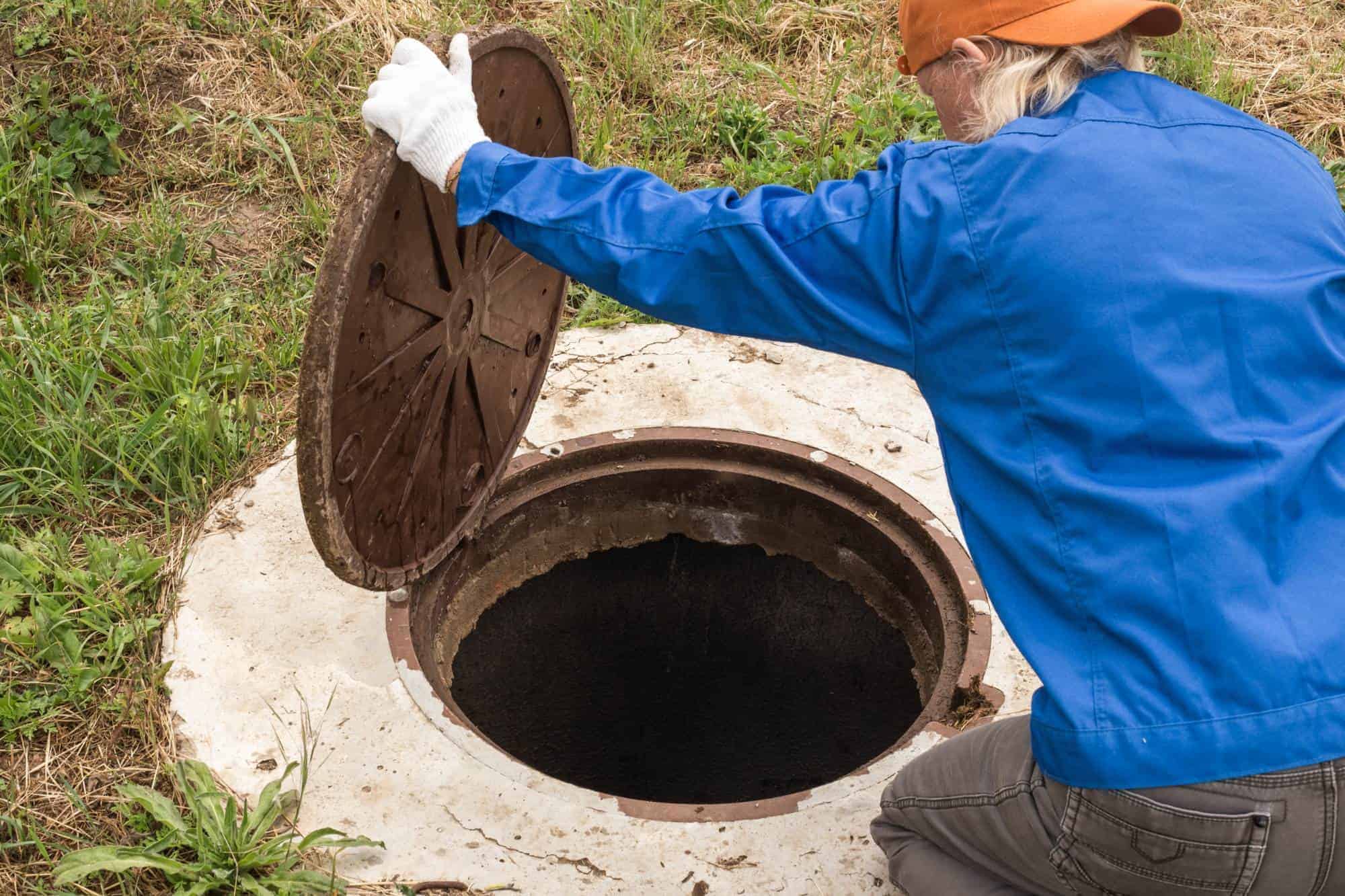
Some homeowners try to measure levels themselves using a sludge stick or homemade tool. While this is possible, it requires knowing where to measure, how to interpret results, and taking proper safety precautions. Septic tanks contain toxic gases that can cause death within minutes. Never enter a septic tank, and always exercise extreme caution when opening one.
The rate at which sludge and scum accumulate depends on your household’s habits. Using a garbage disposal significantly increases solid accumulation. Flushing non-biodegradable items like wipes—even ones labeled “flushable”—adds material that won’t break down. Pouring grease down drains builds up the scum layer. Every person in your household contributes about 90 gallons of solid waste annually to your septic tank.
On Long Island, where many homes have older systems installed before current regulations, tank sizes might not match current household needs. A family of five living in a home with a 750-gallon tank designed for a smaller household will need more frequent pumping than standard guidelines suggest. Knowing your tank size and household patterns helps you determine the right septic cleaning schedule.
Protecting Your Septic Investment Through Regular Maintenance
Your septic system represents a significant investment in your property. With proper care, it should last 20 to 40 years or more. Neglect that care and you’re looking at expensive repairs or complete replacement within 10 to 15 years. The difference comes down to regular pumping and smart maintenance practices.
Schedule pumping based on your household’s specific needs—not just a generic timeline. Consider your tank size, number of people in your home, water usage patterns, and whether you use a garbage disposal. Have your tank inspected regularly so you know exactly when pumping is needed rather than guessing. And watch for warning signs like slow drains, odors, and soggy areas around your system.
For Long Island homeowners, regular septic maintenance isn’t just about protecting your property. It’s about protecting our shared water resources. Every properly maintained system is one less source of nitrogen pollution entering our aquifer and bays. If you’re unsure about your system’s condition or when it was last pumped, now is the time to find out. We’ve been helping Long Island families maintain their septic systems for over 40 years, and we understand the unique challenges of our local soil and water conditions. A simple inspection and pumping today can save you from expensive emergencies tomorrow.