Summary:
Health Risks from Full Cesspools in Long Island Homes
A full cesspool creates immediate health hazards that put your family at risk every day. When your system reaches capacity, sewage doesn’t just disappear—it finds other ways to surface.
Raw sewage contains dangerous pathogens including bacteria, viruses, and parasites that cause serious illness. These contaminants can seep into your home’s foundation, create toxic fumes in your basement, or contaminate nearby wells and groundwater sources.
Long Island’s unique geology makes these risks even more serious. Our sandy soil and high water table mean contamination spreads quickly through the ground, potentially affecting your neighbors’ wells and the broader community water supply.
Sewage Backups and Indoor Contamination Dangers
When your cesspool fills beyond capacity, sewage has nowhere to go except back into your home. This isn’t just an unpleasant inconvenience—it’s a serious health emergency that requires immediate professional intervention.
Sewage backups expose your family to dangerous pathogens through direct contact, airborne particles, and contaminated surfaces. Children and elderly family members face the highest risk of severe illness from exposure to these contaminants. The bacteria and viruses in raw sewage can cause gastroenteritis, hepatitis A, skin infections, and respiratory problems.
Beyond immediate health risks, sewage backups create long-term contamination issues. Porous materials like drywall, flooring, and furniture absorb sewage and become breeding grounds for harmful bacteria and mold. Professional remediation often costs thousands of dollars, and some materials may need complete replacement to ensure your home is safe.
The cleanup process itself poses additional health risks. Many homeowners attempt to handle backups themselves, unknowingly exposing themselves to dangerous pathogens. Proper cleanup requires specialized equipment, protective gear, and disinfection protocols that most homeowners don’t have access to.
Insurance companies often classify sewage backups as preventable maintenance issues, meaning you could face these costs entirely out of pocket. The average sewage backup cleanup costs between $3,000 and $7,000, not including structural repairs or temporary housing expenses.
Groundwater Contamination and Community Health Impact
Long Island’s drinking water comes entirely from underground aquifers, making groundwater contamination a community-wide crisis. When your cesspool overflows or fails, it doesn’t just affect your property—it threatens the water supply for thousands of your neighbors.
Suffolk County already has higher nitrate levels in its drinking water than 95% of the country. Recent studies link these elevated nitrate levels to increased rates of bladder and kidney cancer in affected communities. Your full cesspool contributes directly to this growing public health crisis.
The contamination process happens faster than you might expect. Long Island’s sandy soil allows sewage to move rapidly through the ground, reaching water wells and coastal waters within months or even weeks. Once groundwater becomes contaminated, it can take decades to recover—if it ever does.
Nitrogen from untreated sewage creates additional environmental problems that come back to affect your quality of life. Excess nitrogen fuels toxic algae blooms in Long Island’s bays and harbors, leading to beach closures, fish kills, and the collapse of our local shellfish industry. These environmental disasters hurt property values and destroy the natural beauty that makes Long Island special.
Local health officials have identified approximately 250,000 cesspools in Suffolk County alone that discharge raw, untreated human waste directly into the ground. Your cesspool is part of this larger infrastructure crisis, but you have the power to protect your community by maintaining your system properly.
Property Damage and Structural Risks from Cesspool Failure
A full cesspool threatens your property in ways that extend far beyond sewage odors and wet spots in your yard. When these systems fail, they can cause catastrophic structural damage that costs tens of thousands of dollars to repair.
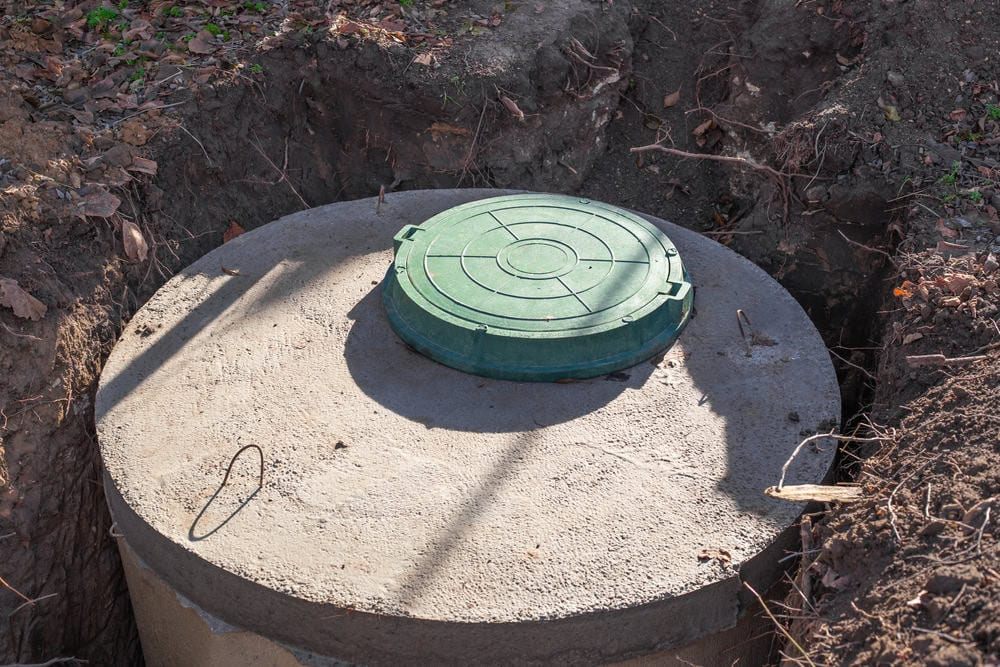
Many Long Island cesspools were built before 1970 using concrete blocks that have far exceeded their structural lifespan. These aging systems are essentially time bombs waiting to collapse under the pressure of accumulated waste and groundwater infiltration.
The financial impact of cesspool failure often surprises homeowners who assumed their biggest risk was an occasional backup. Property damage, emergency repairs, and regulatory fines can quickly escalate into major financial crises that strain family budgets for years.
Catastrophic Cesspool Collapse and Sinkhole Formation
The most dangerous risk from an overloaded cesspool is catastrophic structural failure. When the concrete walls of an aging cesspool can no longer support the weight of accumulated sewage and surrounding soil, they collapse inward, creating large sewage-filled sinkholes.
These sinkholes pose immediate physical danger to anyone walking in your yard. Children, pets, and visitors can fall into these holes, suffering serious injuries from both the fall and exposure to raw sewage. The holes are often partially hidden by grass or debris, making them invisible until someone steps on unstable ground.
Cesspool collapse typically happens without warning, often during periods of heavy rain or when the system is under additional stress from high usage. One day your yard looks normal, and the next morning you discover a gaping hole filled with sewage where your family plays and entertains guests.
The cleanup process for collapsed cesspools requires specialized equipment and professional remediation services. Emergency crews must pump out the sewage, stabilize the area, and completely rebuild the system. This work often requires heavy machinery that damages landscaping, driveways, and other property features.
Insurance coverage for cesspool collapse varies significantly between policies. Many standard homeowner’s insurance policies exclude coverage for “maintenance-related” failures, leaving you responsible for the full cost of emergency repairs and cleanup. These expenses can easily exceed $15,000 to $25,000 for complete system replacement and property restoration.
Foundation Damage and Basement Flooding from Hydraulic Failure
Even when cesspools don’t collapse completely, hydraulic failure creates serious structural problems that threaten your home’s foundation. When the ground around your cesspool becomes saturated with sewage, it creates hydrostatic pressure against your basement walls and foundation.
This pressure can cause foundation cracks, basement leaks, and structural settling that affects your entire home. The sewage-saturated soil loses its ability to provide stable support, leading to uneven settling that cracks walls, sticks doors and windows, and creates gaps in your home’s structure.
Basement flooding from cesspool failure is particularly dangerous because it combines structural damage with severe contamination. The sewage-contaminated water damages everything it touches, from heating systems and electrical panels to stored belongings and finished basement areas. Professional restoration often requires gutting the entire basement and rebuilding with new materials.
The moisture from hydraulic failure also creates perfect conditions for mold growth throughout your home. Mold spores can spread through your HVAC system, contaminating air quality in every room. Some types of mold produce toxic compounds that cause respiratory problems, allergic reactions, and other serious health issues.
Property values suffer significantly when homes have a history of cesspool problems. Real estate disclosures require you to report known sewage issues, and potential buyers often avoid properties with cesspool-related damage. Even after repairs, the stigma of sewage problems can reduce your home’s market value by thousands of dollars.
Legal liability adds another layer of financial risk. If your cesspool failure contaminates neighboring properties or causes injury to visitors, you could face lawsuits for property damage, medical expenses, and other costs. New York state regulations impose fines of $250 to $2,000 for missed pump-outs or failed inspection reports, adding regulatory penalties to your financial burden.
Protecting Your Long Island Home from Cesspool Dangers
The dangers of a full cesspool are real, serious, and completely preventable with proper maintenance. Regular cesspool pumping every 2-3 years costs a few hundred dollars but prevents thousands in emergency repairs and protects your family’s health.
Don’t wait for warning signs like slow drains, sewage odors, or wet spots in your yard. By the time these symptoms appear, your system is already approaching failure and putting your family at risk. Professional inspection and maintenance keep your cesspool functioning safely while protecting Long Island’s precious water resources.
When you need reliable cesspool pumping and maintenance services, we bring over 60 years of experience serving Long Island families. Our local expertise and 24/7 emergency availability ensure your home stays safe and your family stays protected from the hidden dangers lurking underground.