Summary:
What Actually Counts as a Cesspool Emergency
Not every cesspool problem requires an emergency call at 2 AM with premium pricing. But some situations absolutely demand immediate professional response.
A true cesspool emergency means sewage is actively backing up into your home, standing water around your property smells like waste, or drains have completely stopped working throughout your entire house. These situations create immediate health hazards and property damage that compounds by the hour. On Long Island, where the water table sits high and properties are close together, what starts as your problem can quickly affect neighbors and groundwater.
Slow drains and occasional odors are warning signs that need attention within days, not hours. They’re telling you problems are developing, but they’re not the same as raw sewage coming up through your basement floor drain. Understanding this difference matters because emergency service costs three to four times more than scheduled maintenance—and we don’t manufacture urgency to justify higher prices when your situation can wait.
Warning Signs That Mean You Need Help Now
Your cesspool sends clear signals before it fails completely. Recognizing these signs early gives you time to call for help before you’re dealing with a full-blown emergency.
Sewage backing up into your home is the most obvious emergency sign. If wastewater is coming out of drains, toilets, or appearing in your basement, stop using all plumbing immediately and call for emergency service. Raw sewage contains bacteria and pathogens that create serious health risks, especially for children, elderly family members, or anyone with compromised immunity. This isn’t something you wait on or try to handle yourself.
Standing water in your yard that smells like sewage means your cesspool is overflowing. The liquid waste your system should be processing is instead saturating the soil around your property. On Long Island, this is particularly serious because our sandy and clay soils either drain too quickly into groundwater or hold moisture that prevents your system from recovering. Either way, you’re looking at contamination that affects more than just your property.
Multiple drains backing up simultaneously tell you the problem is your main cesspool system, not individual fixture clogs. If your kitchen sink, bathroom drains, and toilets are all slow or backing up at once, waste has nowhere to go. One slow drain might be a clog you can snake yourself. Everything backing up together means you need professional liquid waste management service to restore system function.
Gurgling sounds from drains and toilets signal air pressure problems in your plumbing system. When your cesspool fills beyond capacity, air can’t vent properly. You hear this as bubbling or gurgling when you run water or flush. These sounds are your system’s way of warning you it’s running out of room before you see visible backup—giving you a small window to schedule service before things get worse.
Persistent foul odors that get stronger over time indicate waste is escaping your system somewhere. Occasional sewage smells might be normal, but continuous odors that don’t dissipate point to blockages or overflow issues. The smell means waste isn’t flowing through your system as designed, and visible problems are coming soon if you don’t address it.
Immediate Actions to Take During a Cesspool Emergency
What you do in the first thirty minutes of realizing your cesspool is failing determines how bad the situation gets. Most people’s instinct is to keep trying to use plumbing or hope the problem resolves itself. Both approaches make everything worse and more expensive.
Stop all water use immediately. No flushing toilets, no running sinks, no showers, no dishwasher, no washing machine. Every gallon you send into an already-failing system pushes sewage closer to backing up into your home or overflowing in your yard. If appliances are mid-cycle, stop them now. This isn’t about convenience—it’s about preventing a health hazard from getting worse.
Turn off water supply to prevent accidental use. If you have kids or family members who might forget and flush a toilet out of habit, shut off water at individual fixtures or your main line. You can’t afford someone unknowingly adding more waste to a system that’s already past capacity.
Document everything before calling for help. Take photos or videos of standing water, backup locations, or visible overflow. This documentation helps us understand your situation before we arrive and becomes crucial for insurance claims if you have significant property damage. Note when you first noticed problems and what symptoms you’re experiencing—this timeline matters for diagnosis.
Call a local Long Island cesspool company with genuine 24/7 emergency response. Not every company claiming emergency availability actually answers after hours or responds quickly. You need someone who arrives within hours, not the next business day, and who understands Long Island’s specific soil conditions and regulations. Companies based outside the area often don’t carry the right equipment for our conditions, leading to multiple trips and higher costs.
Keep family members and pets away from contaminated areas. Raw sewage isn’t just unpleasant—it’s medically dangerous. Don’t let anyone walk through standing water or touch surfaces contaminated by backup. If sewage has reached living areas, keep everyone out until professionals address the immediate emergency and you can properly clean and disinfect affected spaces.
Never try fixing this yourself with chemical drain cleaners or by opening your cesspool. Cesspools contain hazardous materials and gases that cause serious harm. Chemical cleaners won’t solve a full cesspool and can damage your system or contaminate groundwater—a major concern on Long Island where we depend on a sole-source aquifer. This is when you call professionals with proper equipment and safety training for handling waste.
How Professional Emergency Cesspool Service Works
When you call for emergency cesspool service, you’re paying for immediate availability, specialized equipment, and expertise that prevents your emergency from becoming a complete disaster. Understanding what professionals do helps you know what to expect and why emergency service costs what it does.
Professional response starts with rapid assessment. Licensed technicians arrive with diagnostic equipment to identify whether you’re dealing with a blockage, pump failure, or structural damage requiring excavation. We check waste levels, inspect distribution lines for clogs, and evaluate whether your cesspool can be restored to function or needs more extensive repair.
Initial evaluation determines your repair pathway and provides upfront cost estimates before work begins. Companies that understand Long Island conditions explain what they’re seeing and what needs to happen without creating false urgency to justify premium pricing. We’re honest about whether you need emergency pumping, aeration services, or more extensive system repair.
What Happens During Emergency Cesspool Pumping
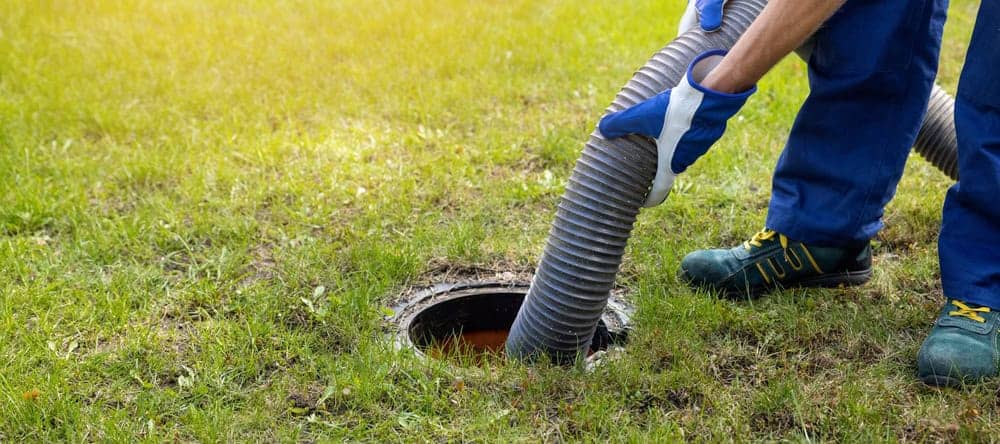
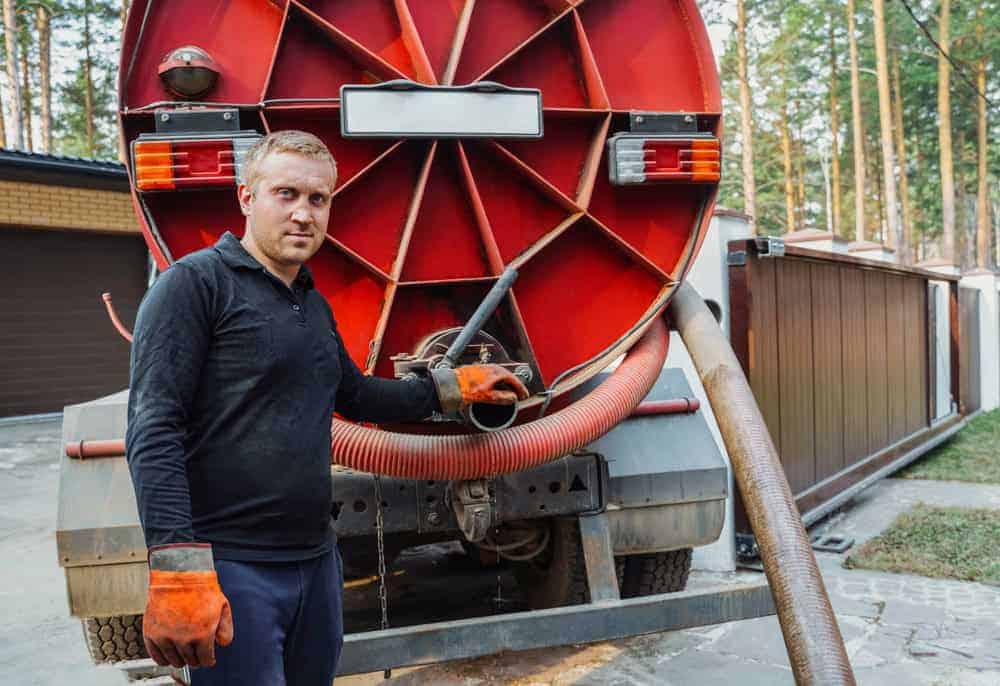
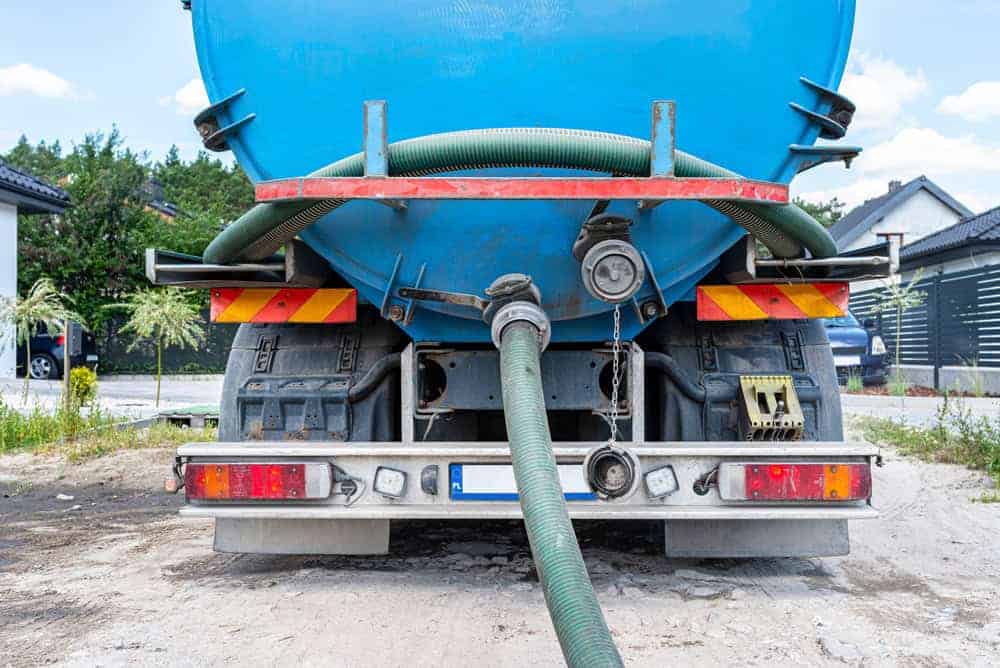
Emergency pumping removes accumulated waste to restore your system’s capacity and stop immediate backup. Technicians use vacuum trucks to extract liquid and solid waste from your cesspool, then properly dispose of it at approved treatment facilities according to Suffolk and Nassau County regulations for liquid waste management.
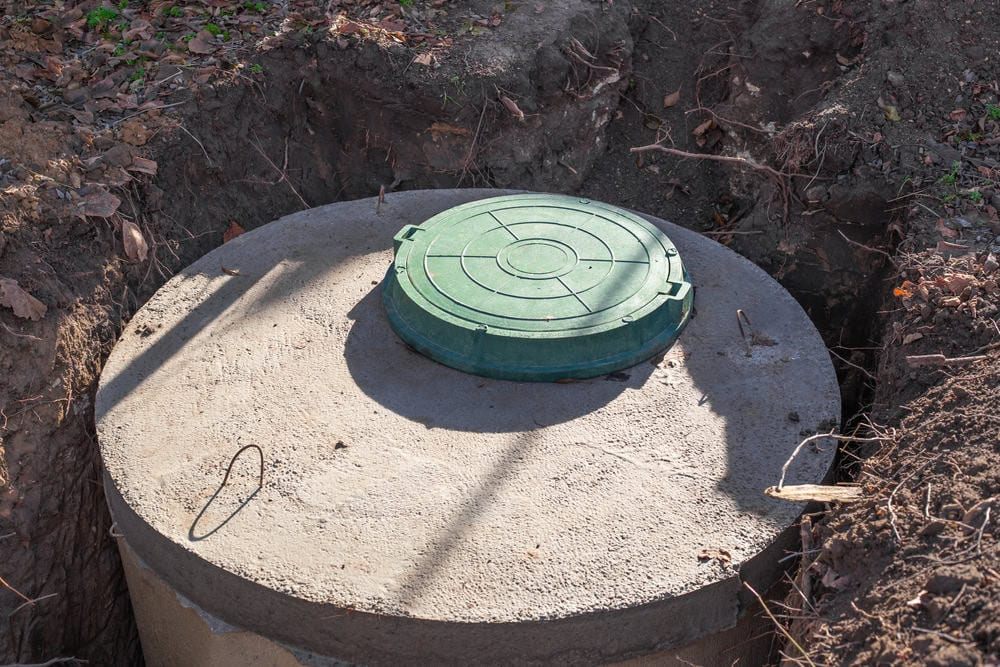
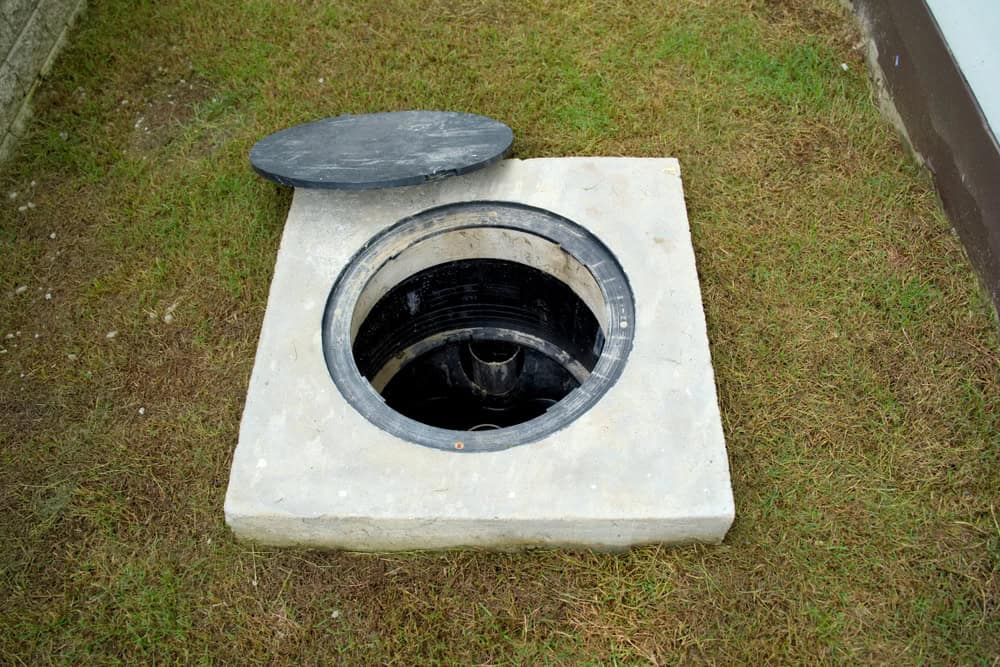
The process begins with locating and accessing your cesspool. On Long Island, cesspools built in different decades sit in different typical locations based on construction patterns from those eras. Local companies know these patterns and find your system quickly, while outside companies often waste your time and money searching. Every minute matters when sewage is backing up.
During pumping, we inspect your system’s structural condition. We’re examining walls for cracks or deterioration, checking baffle conditions, and measuring how quickly waste accumulated since your last service. This inspection reveals whether you’re dealing with deferred maintenance or whether your cesspool is approaching the end of its functional life—important information for planning ahead.
After pumping, we test drainage to confirm your system is working properly. If liquid drains away normally into Long Island’s soil, your emergency is resolved and you can resume using plumbing. If drainage remains slow or non-existent, additional services like professional cesspool aeration or chemical treatment become necessary to restore full function.
Aeration involves driving a long metal pipe connected to a high-powered air compressor into the bottom of your cesspool. Air escaping from the pipe churns the accumulated solids and helps restore drainage capacity. This service can extend the life of an aging cesspool when combined with regular pumping and proper maintenance schedules.
Chemical treatments break down sludge layers on cesspool sides and bottoms. We use approved treatments that dissolve accumulated solids and increase drainage without harming beneficial bacteria your system needs. These treatments work best as ongoing maintenance, not emergency fixes, but they help restore struggling systems when used correctly.
Emergency service typically takes several hours depending on your system’s size and condition. Companies experienced with Long Island’s specific soil conditions—sandy areas that drain quickly versus clay soils that hold moisture—work more efficiently because we know which treatments work in your specific location and how the local water table affects system recovery.
Understanding Emergency Service Costs and Pricing
Emergency cesspool service costs more than scheduled maintenance, and understanding why helps you make informed decisions. When your system backs up at midnight or over a holiday weekend, you’re paying for immediate availability, specialized equipment mobilization, and the premium that comes with genuine urgency.
Emergency pricing typically includes base emergency fees ranging from $150 to $300, after-hours surcharges adding 50-100% to standard rates, and expedition charges for immediate response. These fees reflect the real cost of maintaining crews and equipment available around the clock for situations that can’t wait. Weekend and holiday emergencies carry the highest premiums because they pull technicians away from family time on short notice.
Here’s what many Long Island homeowners don’t realize: not every urgent situation actually requires emergency pricing. If your drains are running slow but still functional, you can often schedule regular service within a day or two and save significant money. We explain this difference honestly instead of manufacturing urgency to justify premium charges when your situation can safely wait.
True emergencies—sewage actively backing up into your home, standing water with sewage odor in your yard, complete system failure preventing all drainage—absolutely require immediate response. In these situations, premium pricing prevents additional property damage and health hazards that would cost far more than emergency service fees. The difference between a two-hour response and waiting until next business day can mean the difference between a $500 pump-out and $3,000 in flooring replacement.
Routine pumping costs a few hundred dollars every two to three years and prevents most emergency situations entirely. Emergency repairs cost three to four times more than scheduled maintenance. Complete cesspool replacement runs $7,000 to $20,000 or more depending on your property and whether you need to upgrade to advanced treatment systems under current Suffolk County regulations.
Transparent companies provide clear estimates upfront and explain any additional costs before work begins. If digging is needed to access your cesspool, if repairs are necessary beyond standard pumping, or if your system requires aeration or chemical treatment to restore function, you should know the cost before we start work. No surprise charges after we’re already on your property with equipment running.
Preventing Future Cesspool Emergencies on Long Island
The best way to handle a cesspool emergency is preventing it from happening in the first place. Most Long Island homeowners who experience cesspool failures admit they knew maintenance was overdue or ignored warning signs for months hoping problems would resolve themselves.
Regular pumping every two to three years prevents the solid accumulation that leads to backups and system failure. Professional inspections catch developing problems—cracks, deterioration, drainage issues—before they require expensive emergency repairs. Understanding your system’s warning signs gives you time to schedule service before you’re dealing with sewage in your basement at 2 AM.
When emergencies do happen despite your best efforts, fast action and working with experienced local professionals make all the difference. We understand Long Island’s unique soil conditions, water table variations, and regulatory requirements because we’ve been serving local families for years. That local expertise translates to faster response times, proper equipment on the first visit, and solutions that actually work in Long Island’s specific conditions rather than generic approaches that fail in our environment.
Your cesspool doesn’t have to be a constant source of worry. With proper maintenance schedules and a relationship with professionals you trust, you can keep your system functioning reliably for decades while avoiding the stress and expense of emergency situations.