Summary:
Why Your Long Island Septic Tank Smells Like Sewage
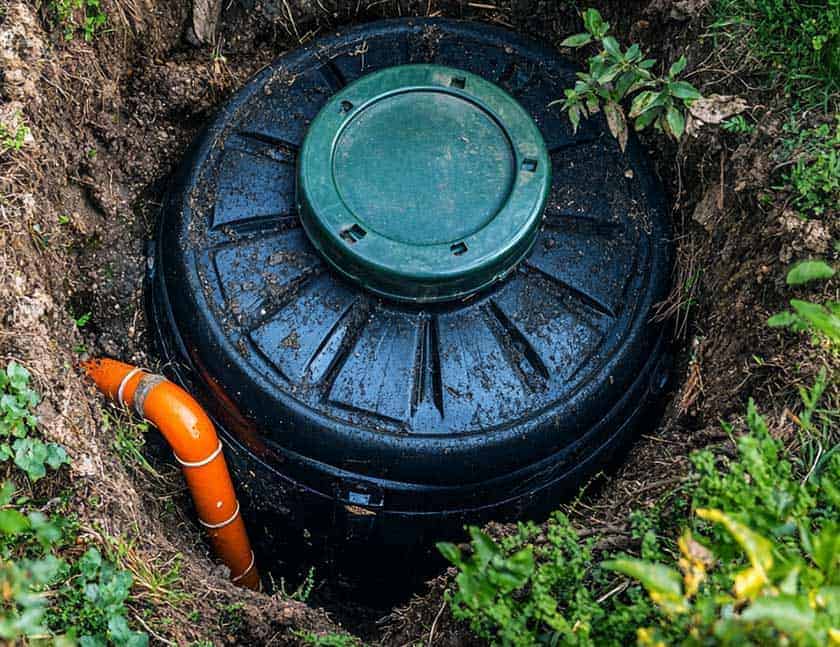
Septic tank odors around your Long Island property happen for specific reasons, and understanding them helps you respond appropriately. The smell you’re detecting is primarily hydrogen sulfide gas, which forms naturally as bacteria break down organic waste in your tank.
Under normal conditions, these gases stay contained within your septic system and vent safely through your home’s plumbing vent. When you start smelling sewage outside, it means your system has reached capacity and gases are escaping through compromised seals, overfilled tanks, or saturated drain fields.
Long Island’s unique soil conditions and high water table can intensify these problems, especially during wet seasons when systems struggle to process wastewater effectively.
What That Sewage Smell Actually Tells You About Your System
Your septic system communicates through smells, and each type of odor provides specific information about what’s happening underground. Strong sewage odors near your tank location typically indicate the system has reached 70-80% capacity and needs pumping within weeks, not months.
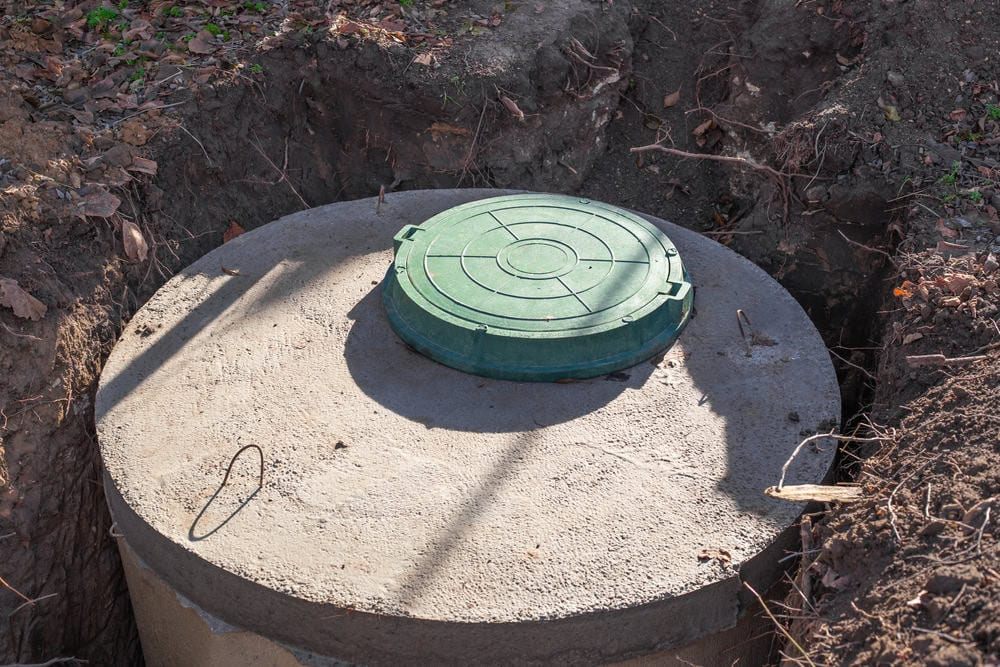
Most Long Island cesspools hold between 1,000-1,500 gallons and require pumping when solid waste reaches 25-30% of total capacity. When you smell sewage, that percentage has likely exceeded safe operating levels. The odor intensifies because accumulated solids are preventing proper gas ventilation and creating pressure that forces gases to escape through alternative routes.
Different smell patterns tell different stories. Intermittent odors that come and go often indicate a system that’s borderline full but still functioning. Constant, strong smells suggest immediate intervention is needed. Sweet or chemical smells mixed with sewage odors can indicate someone has introduced harmful substances that are disrupting the bacterial balance your system needs to function properly.
Weather conditions affect odor intensity too. Hot, humid Long Island summers make smells more noticeable, while rain can temporarily reduce odors by diluting gases—but this doesn’t mean your problem has resolved. The underlying capacity issue remains and will return as conditions change.
How Long Island's Unique Conditions Affect Septic Odors
Long Island’s coastal environment creates specific challenges that intensify septic system odors and accelerate the need for pumping. The area’s sandy soil, while generally good for drainage, can become saturated during heavy rains or when systems are overloaded, causing sewage to surface and create stronger odors.
The region’s fluctuating water table levels, especially during stormy seasons, impact septic system efficiency and can force gases upward through soil that’s normally effective at filtering odors. Many Long Island properties also deal with older cesspool systems that were installed before modern septic requirements, making them more prone to odor issues as they age.
Salt air and coastal humidity can intensify sewage smells, making them more noticeable to homeowners and neighbors. This is particularly problematic during summer months when windows are open and families spend more time outdoors. The combination of higher temperatures, increased humidity, and peak household water usage creates perfect conditions for septic odors to become overwhelming.
Understanding these local factors helps explain why Long Island homeowners often need more frequent septic maintenance compared to other regions. The environmental conditions that make the area attractive for living also create challenges for waste management systems that require professional expertise to address effectively.
Signs Your Long Island Septic Tank Needs Immediate Pumping
Beyond sewage smells, your Long Island septic system provides multiple warning signs that pumping is urgently needed. Recognizing these signals helps you avoid emergency situations that cost significantly more than preventive maintenance.
Slow draining fixtures throughout your home indicate your tank has reached capacity and can’t process incoming wastewater effectively. When multiple drains slow down simultaneously, your system is struggling to handle normal household usage. Gurgling sounds from toilets, sinks, or floor drains signal air displacement caused by restricted flow in overfilled systems.
Standing water or unusually green grass near your septic tank location shows wastewater is surfacing instead of properly filtering through your drain field.
Emergency Warning Signs That Can't Wait
Certain septic system symptoms require immediate professional attention to prevent property damage and health hazards. Sewage backup into your home represents a complete system failure that poses serious health risks and can cause thousands of dollars in damage to flooring, walls, and personal belongings.
When toilets won’t flush properly or bubble when other fixtures drain, your system has exceeded its capacity and is backing up into your home’s plumbing. This situation typically worsens rapidly, especially with continued water usage. Raw sewage appearing in basement floor drains or utility sinks indicates your system is completely overwhelmed and requires emergency pumping.
Strong sewage odors inside your home, particularly in basements or near plumbing fixtures, suggest gases are backing up through your drain system instead of venting properly. This creates both odor problems and potential health hazards from toxic gas exposure. Wet spots or standing water in your yard that smell like sewage indicate your drain field is failing and wastewater is surfacing instead of filtering through soil.
These emergency situations typically occur when homeowners delay routine maintenance pumping. A family of four in Nassau or Suffolk County typically needs septic pumping every 1-2 years, while smaller households might extend to 2-3 years. Waiting longer than these intervals often results in the emergency scenarios that could have been prevented with timely maintenance.
What Happens When You Ignore the Warning Signs
Delaying septic tank pumping when warning signs appear leads to increasingly expensive problems that affect your property value and family’s health. Systems that aren’t pumped on schedule allow waste layers to compact and harden, making eventual removal more difficult and costly when you finally address the problem.
Overfilled septic tanks can’t properly separate solids from liquids, causing untreated waste to flow into drain fields that aren’t designed to handle solid materials. This damages the soil’s filtering capacity and can require complete drain field replacement—a project that typically costs $10,000-20,000 compared to $400-700 for routine pumping.
Continued use of an overfilled system forces wastewater to find alternative escape routes, often causing sewage to surface in your yard or back up into your home. These situations create health hazards, property damage, and potential violations of local health department regulations. Suffolk County requires proper septic maintenance records for property transfers, and neglected systems can delay real estate transactions.
Long-term neglect can lead to complete system failure requiring full replacement. Modern septic system installation in Nassau and Suffolk Counties typically costs $15,000-30,000, depending on soil conditions and local requirements. This expense could be avoided with regular maintenance that costs a fraction of replacement costs and keeps your system functioning reliably for decades.
Getting Professional Septic Tank Pumping in Long Island, NY
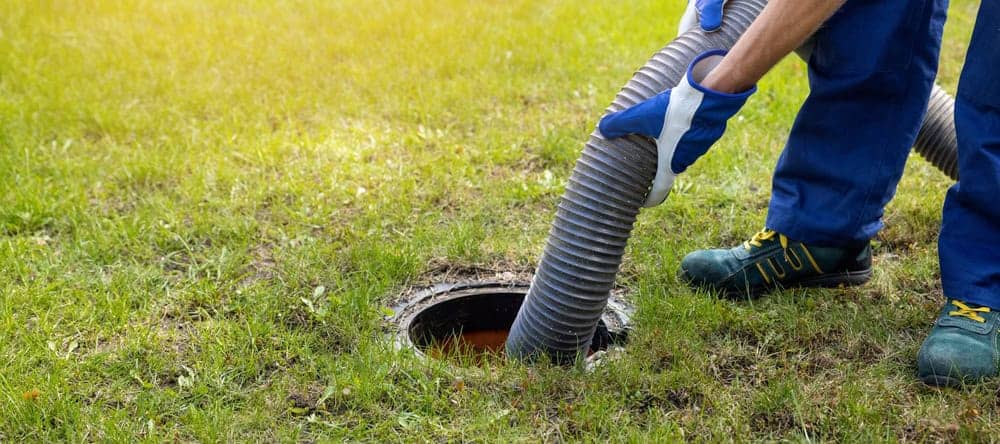
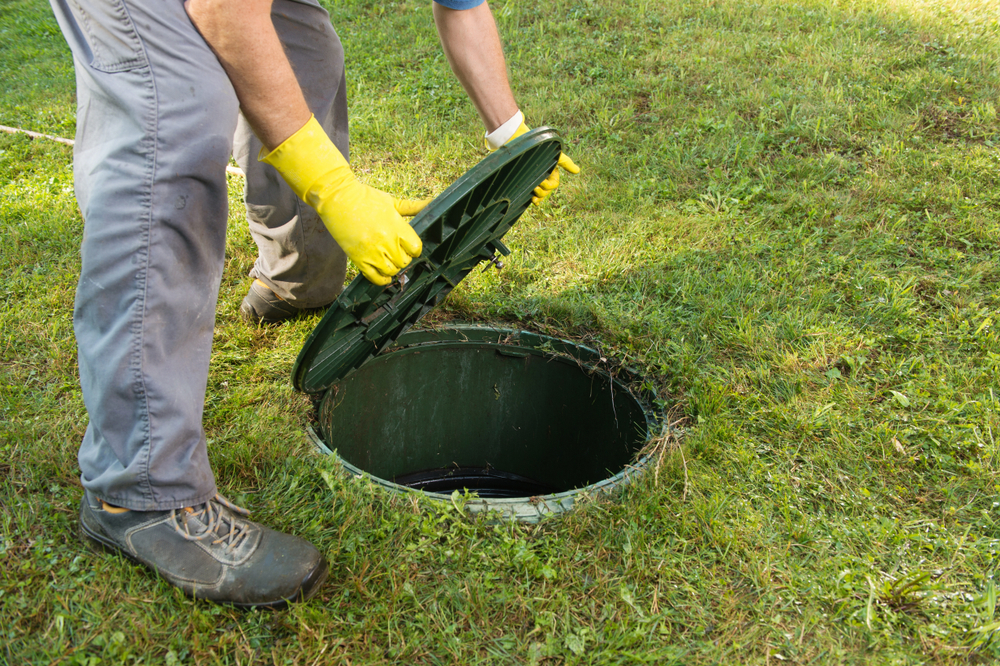
When sewage smells indicate your Long Island septic system needs attention, choosing experienced local contractors ensures the job gets done right the first time. Professional septic pumping involves more than just removing liquid waste—it requires complete system evaluation, proper waste disposal, and maintenance planning tailored to your household’s specific needs.
Qualified contractors measure actual waste accumulation rates and customize maintenance schedules based on your family size, water usage patterns, and system capacity. They also provide the documentation required for county compliance and property transfers. Most importantly, experienced professionals can identify potential problems before they become expensive emergencies.
For Long Island homeowners dealing with septic system odors and warning signs, we at Antorino & Sons provide the expertise and reliability you need to restore your system and prevent future problems.