Summary:
Why Long Island Septic Regulations Changed in 2026
Long Island sits on a sole-source aquifer. That means every drop of drinking water comes from groundwater directly beneath your property. When 360,000 homes discharge wastewater through aging cesspools and conventional septic systems, nitrogen pollution becomes a crisis, not just an environmental talking point.
Excess nitrogen fuels algae blooms that kill fish, closes beaches, and contaminates drinking water wells. Studies identified septic systems as the largest source of this pollution. The 2026 regulations aren’t about government overreach—they’re about protecting the water supply that every Long Island resident depends on for survival. Suffolk and Nassau Counties had to act.

What Are Nitrogen-Reducing Septic Systems and How Much Do They Cost
Traditional cesspools and septic systems remove bacteria but do almost nothing about nitrogen. They were designed for public health protection, not environmental protection. That made sense 50 years ago when Long Island’s population was smaller and the aquifer could handle the load.
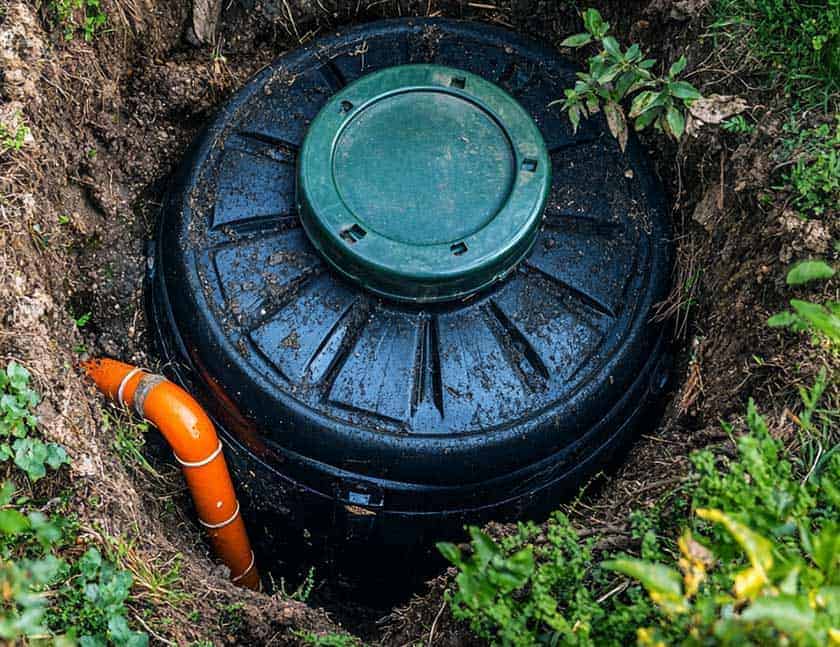
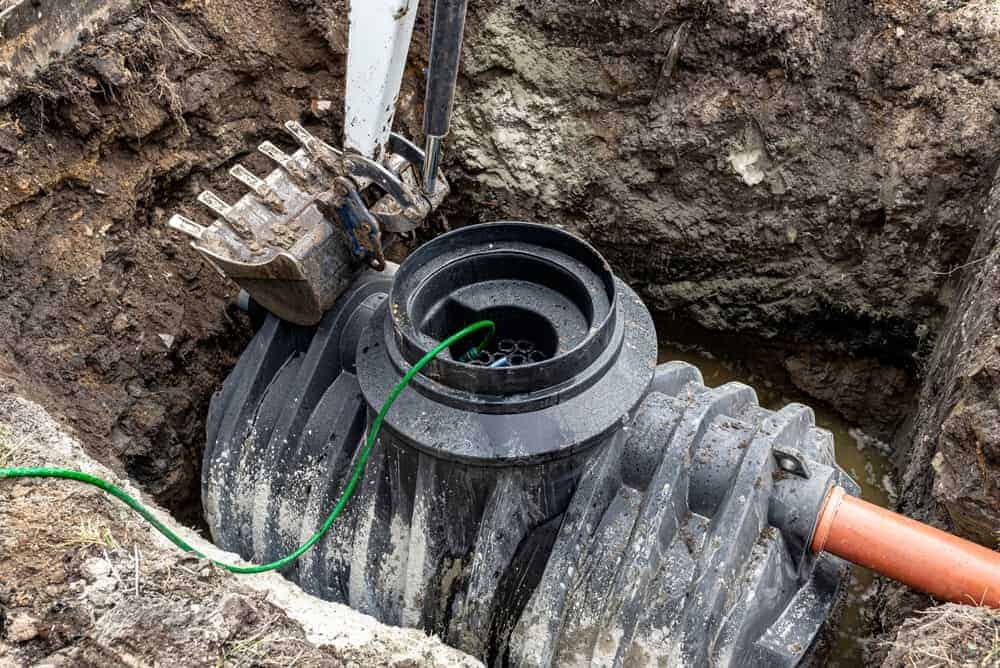
Nitrogen-reducing systems—officially called Innovative/Alternative Onsite Wastewater Treatment Systems or I/A OWTS—treat wastewater more thoroughly before releasing it into soil. These advanced systems can remove up to 90% of nitrogen compared to the near-zero removal of conventional cesspools. The technology uses aerobic treatment, recirculating sand filters, or other approved methods to break down nitrogen compounds before they reach groundwater.
Suffolk and Nassau Counties now require I/A OWTS for all new construction and when existing systems fail and need replacement. You can’t replace a cesspool with another cesspool anymore. When your system reaches the end of its life, you’re upgrading to advanced treatment whether you planned for it or not.
The cost difference is real. A traditional cesspool replacement used to run $6,500-$8,000. An I/A OWTS installation typically costs $19,000-$25,000. But here’s what most homeowners don’t realize: New York State and county grant programs now reimburse up to 75% of costs for these enhanced systems. That means you could receive $18,750-$30,000 toward your upgrade, making the actual out-of-pocket expense comparable to what old-style replacements used to cost.
The systems require slightly more maintenance than traditional cesspools—typically an annual service contract—but they last just as long and actually reduce pumping frequency because they treat waste more effectively. For Long Island homeowners, these aren’t optional upgrades anymore. They’re the new standard, and understanding how they work helps you plan for the inevitable transition.
Suffolk County and Nassau County Mandatory Septic Inspection Requirements
Suffolk County now requires septic system inspections every three years with mandatory reporting to the county database. Nassau County follows a five-year inspection cycle. These aren’t suggestions. They’re enforceable requirements with real consequences for non-compliance.
The inspection process involves a licensed professional evaluating your system’s condition, measuring sludge and scum levels, checking for structural damage, testing drainage capacity, and documenting whether your system meets current environmental standards. You receive a detailed report, and the service provider submits compliance documentation to the county.
Homeowners who skip inspections face fines ranging from $250 to $2,000. But the financial penalty is actually the smallest concern. When you try to sell your property, buyers require current inspection records as part of their due diligence. Properties without proper documentation fail to close, or sellers face last-minute negotiations where buyers demand system replacements or significant price reductions.
The inspection requirement also serves as an early warning system. Most septic failures don’t happen overnight. They develop gradually over months or years. A soggy patch in your yard gets bigger. Drains slow down. Odors appear occasionally, then more frequently. Professional inspections catch these warning signs during the hundreds-of-dollars repair stage instead of the thousands-of-dollars replacement stage.
Long Island’s sandy soil and high water tables make systems particularly vulnerable to problems that other regions don’t face. Water tables rise during wet seasons, affecting drainage capacity. Sandy soil means less filtration time for wastewater before it reaches groundwater. These local conditions require specialized knowledge that generic inspection services can’t provide.
The inspection schedule also documents your system’s condition over time. When you eventually need replacement—and every system eventually does—having years of inspection records proves you maintained it properly. This documentation supports grant applications and demonstrates responsible ownership during property sales.
Think of mandatory inspections as preventive medicine for your septic system. You wouldn’t skip annual checkups for your health and then wonder why problems got serious. Your septic system works 24/7 processing everything your household sends down the drains. Regular professional evaluation keeps it functioning and keeps you compliant with regulations that aren’t going away.
Septic Upgrade Grants Available for Long Island Homeowners in 2026
The same regulations that require expensive upgrades also created funding programs to help homeowners afford them. New York State invested $30 million in septic system replacement programs, with $20 million designated specifically for Long Island. Suffolk and Nassau Counties added their own funding on top of state programs.
Suffolk County’s Septic Improvement Program provides up to $11,000 base grant, with additional funding available for pressurized shallow drain field systems and income-qualified applicants. Combined with state funding, eligible homeowners can receive up to $30,000 toward I/A OWTS installation. Nassau County’s SEPTIC program offers up to $20,000 in combined state and federal funding for nitrogen-reducing system replacements.
How to Qualify for Long Island Septic System Replacement Grants
Grant eligibility depends on your property location, system condition, and proximity to priority waterbodies. The state Department of Environmental Conservation identified geographic areas based on sole-source aquifer presence, documented water quality impairment from septic systems, and the potential for upgrades to improve water conditions.
Most Long Island properties near bays, harbors, or designated priority areas qualify. Your system must be failing, reasonably likely to fail, or located within 250 feet of eligible waterbodies. Failing systems show obvious signs: frequent backups, sewage odors, standing water near the tank, or inspection reports documenting structural damage or inadequate treatment capacity.
The application process requires professional documentation. You need a licensed inspector to evaluate your current system and confirm it meets failure criteria. Then you need design plans from a qualified engineer for the replacement system. County health departments review applications and determine award amounts based on project scope and available funding.
Here’s what most homeowners get wrong: They wait until their system completely fails before exploring grants. Emergency situations limit your options and rush decisions. The smart approach involves getting your property evaluated before crisis hits, understanding your eligibility, and having funding applications ready when replacement becomes necessary.
Working with septic professionals who understand grant programs makes a massive difference. We know which documentation county reviewers need, how to structure projects to maximize reimbursement, and how to navigate the bureaucracy without months of delays. We handle the entire application process as part of our service, turning what seems like overwhelming paperwork into a straightforward procedure.
Grant funding has limits and waiting lists. Counties receive fixed allocations each year, and when funds run out, new applicants wait for the next funding round. This creates urgency for homeowners whose systems are approaching failure. Getting your application submitted early in the funding cycle improves your chances of approval before allocations are exhausted.
The reimbursement typically works on a pay-and-get-reimbursed model. You pay for the installation, then submit receipts and final inspection documentation for reimbursement. Some programs offer partial upfront funding for income-qualified applicants. Understanding the payment timeline helps you plan financing if needed, though we offer payment plans that bridge the gap between installation and reimbursement.
When Long Island Homeowners Must Replace Their Septic System
The 2019 Suffolk County cesspool installation ban changed everything. When your cesspool fails, you can’t replace it with another cesspool. You must upgrade to a compliant septic system or I/A OWTS. Nassau County has similar restrictions. This means every aging cesspool on Long Island is on borrowed time before mandatory upgrade.
Most Long Island cesspools show signs of deterioration after 15-20 years of service. Concrete deteriorates, distribution capacity decreases, and structural integrity weakens. If your system is approaching this age range, you’re not wondering if replacement will be required—you’re wondering when.
Certain triggers mandate immediate replacement regardless of your timeline preferences. If you’re doing major home renovations that increase bedroom count or significantly expand living space, you must upgrade your septic system to handle the increased load. If your property is within environmentally sensitive zones and your system fails inspection, you face mandatory replacement timelines with potential fines for delays.
Property sales create another trigger point. Buyers require septic inspections as part of purchase agreements. When inspections reveal failing systems, sellers either complete replacements before closing or negotiate price reductions that exceed replacement costs. Many buyers simply walk away from properties with failed septic systems rather than inheriting someone else’s problem.
The definition of “failing” expanded under new regulations. It’s not just about sewage backing up into your home anymore. Systems that discharge inadequately treated wastewater, show structural damage, or can’t meet current nitrogen reduction standards are considered failing even if they still technically function for daily use.
Here’s what this means practically: If your cesspool is 15+ years old, start planning for replacement within the next 3-5 years. Get current inspections to document condition. Research grant eligibility while funding is available. Understand your property’s soil conditions and space requirements for I/A OWTS installation. This proactive approach puts you in control instead of reacting to emergency failures or compliance deadlines.
The regulatory environment will only get stricter. Suffolk County’s phase-out of cesspools in environmentally sensitive zones continues expanding. More areas get designated as priority waterbodies requiring enhanced treatment. Waiting doesn’t make the situation better or cheaper—it just reduces your options and increases the likelihood of emergency replacement at premium costs.
What Long Island Homeowners Should Do About Septic Replacement Now
The 2026 regulatory landscape isn’t temporary. Nitrogen-reducing systems, mandatory inspections, and cesspool phase-outs represent Long Island’s new normal. Every homeowner with an aging septic system faces this transition eventually. The question isn’t whether you’ll upgrade—it’s whether you’ll do it on your terms with grant funding or during an emergency at full cost.
Start with a professional evaluation of your current system. Understand its age, condition, and how much functional life remains. Research your grant eligibility before you need it. Document everything through proper inspections that satisfy county requirements and support future funding applications.
When you’re ready to move forward, work with septic professionals who understand Long Island’s unique conditions and regulatory requirements. We bring over 60 years of local experience to every installation, helping homeowners navigate compliance, access available funding, and install systems designed for Long Island’s soil and water table challenges.