
Summary:
Why Heavy Rain Threatens Your Cesspool System
Your cesspool wasn’t designed to handle Suffolk County’s increasingly intense weather patterns. When heavy rain saturates the ground around your system, it creates a perfect storm of problems.
The soil becomes waterlogged, preventing proper drainage from your cesspool’s leach field. Meanwhile, additional rainwater can infiltrate your system through compromised covers or aging infrastructure. This double hit overwhelms your cesspool’s capacity and pushes waste back toward your home.
Recent storms have proven this isn’t just theory. The August 2024 flooding showed how quickly systems can fail, with cesspools overflowing across northern Suffolk County communities.
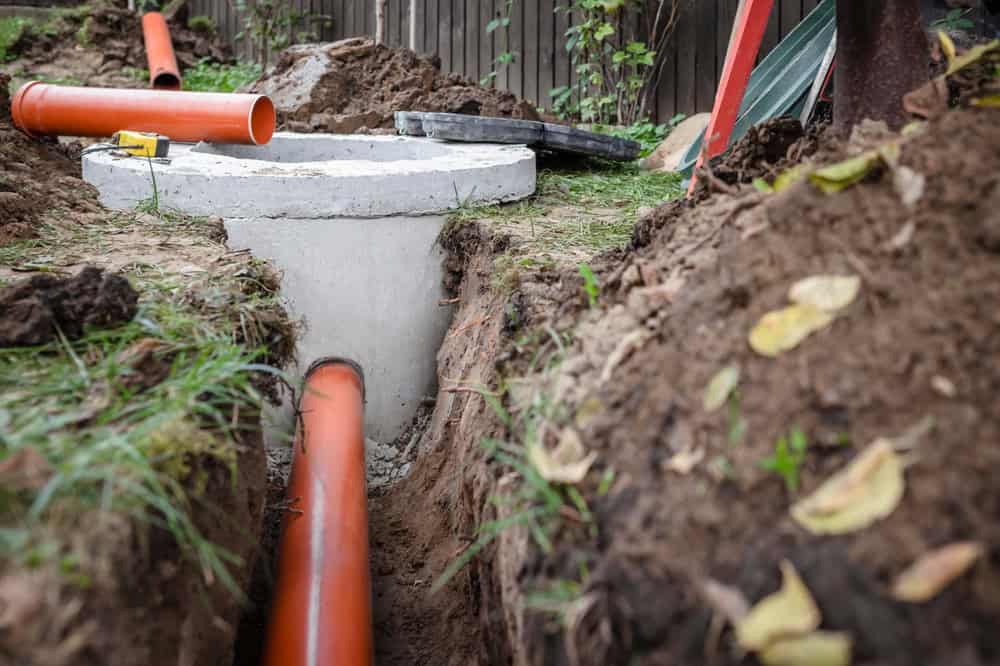
How Saturated Ground Stops Your Drain Field Cold
Your drain field depends on soil absorption to function properly. Under normal conditions, liquid waste flows from your cesspool into the surrounding soil where it’s naturally filtered and processed.
Heavy rain changes everything. When soil becomes saturated, it can’t accept additional liquid. Think of it like trying to pour water into an already full sponge—it just runs off or backs up.
This backup effect hits Suffolk County properties especially hard because of our clay-heavy soils, which drain slowly even under ideal conditions. During extended wet periods, your drain field essentially shuts down. Waste that should be filtering into the ground starts accumulating in your cesspool instead.
The result? Rising levels that can quickly reach capacity and begin backing up into your home’s plumbing. What starts as slow drains can escalate to sewage in your basement within hours.
You might notice warning signs before complete failure. Soggy areas in your yard, especially over the drain field, indicate poor absorption. Gurgling sounds from drains or toilets suggest the system is struggling. Bad odors around your property mean gases aren’t properly venting.
Don’t ignore these early warnings. Once your system reaches capacity during a storm, your options become limited and expensive. Emergency pumping during flooding conditions costs significantly more than preventive maintenance—and that’s assuming you can even get service during the height of a storm.
Where Rainwater Sneaks Into Your System
Even well-maintained cesspools can struggle when rainwater finds its way directly into the system. This infiltration adds volume your cesspool wasn’t designed to handle, pushing it toward capacity faster than normal waste alone.
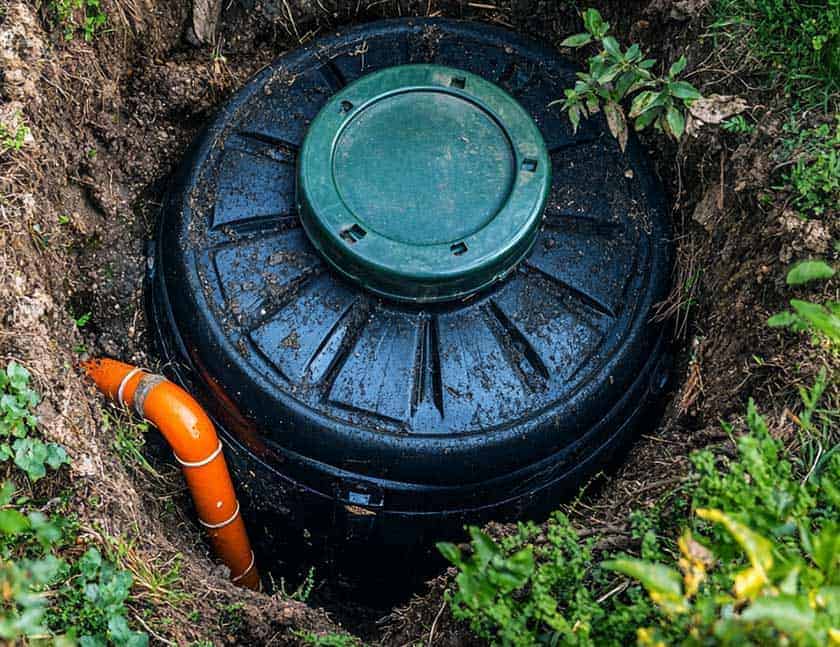
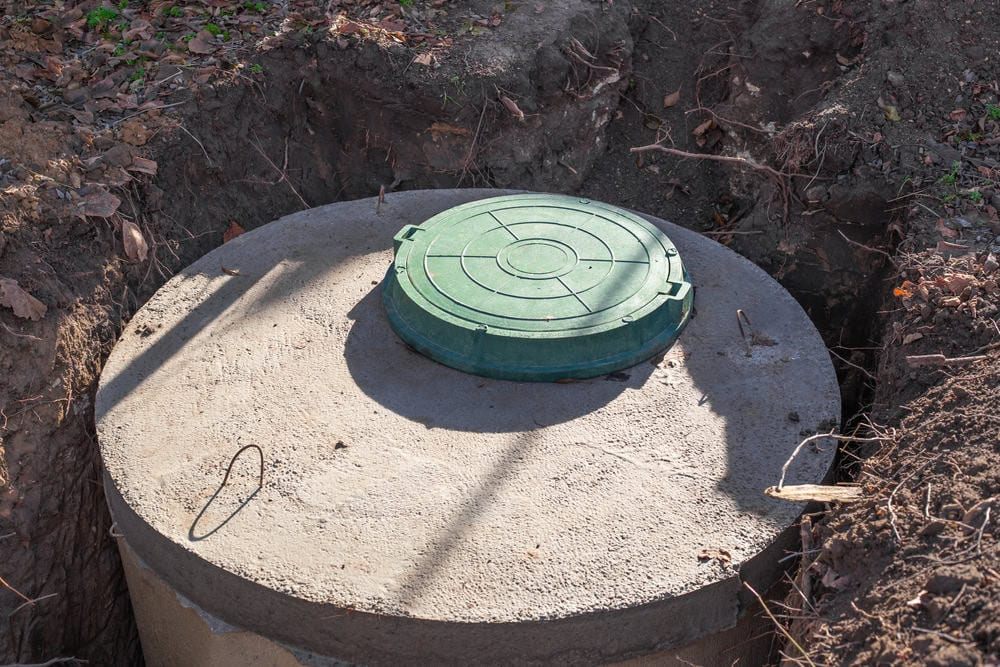
Common entry points include damaged or poorly sealed cesspool covers, cracked distribution boxes, and compromised pipe joints. Age makes these vulnerabilities worse—systems installed decades ago may have components that no longer provide watertight seals.
Surface water runoff creates another infiltration pathway. If grading around your cesspool directs rainwater toward system components, you’re essentially feeding extra water directly into your waste management system. This is particularly common in areas where landscaping or construction has altered natural drainage patterns.
Tree roots compound the problem by creating cracks in pipes and cesspool walls as they seek water sources. During dry periods, these small cracks might not cause noticeable issues. But heavy rain can turn minor infiltration points into major flooding sources.
The cumulative effect overwhelms your system’s biological processes too. Cesspools rely on bacteria to break down waste, but too much water dilutes these essential microorganisms and disrupts the treatment process. This means waste doesn’t break down properly, leading to faster accumulation of solids and reduced overall capacity.
Professional inspection can identify infiltration risks before they become storm-day disasters. Video camera inspections reveal cracks, root intrusion, and structural issues that aren’t visible from the surface. Addressing these problems during dry weather costs far less than emergency repairs during flooding conditions.
Essential Pre-Storm Cesspool Maintenance Steps
Smart homeowners don’t wait for storm warnings to prepare their cesspool systems. Regular maintenance creates the foundation for storm resilience, while targeted pre-storm actions provide additional protection.
The most critical step is ensuring your system has adequate capacity before heavy rain arrives. A cesspool that’s already approaching capacity has no room to handle additional water from infiltration or reduced drain field performance.
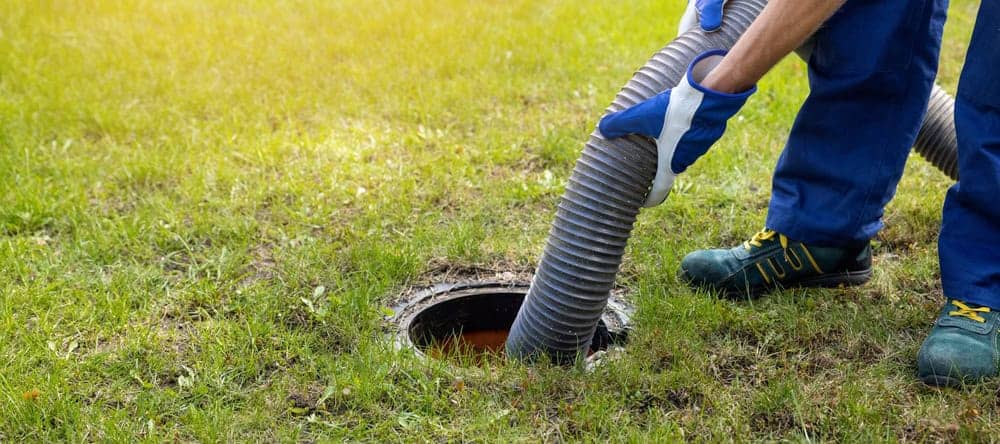
Professional pumping and inspection should happen well before storm season. This gives you time to address any issues discovered during service and ensures your system starts the storm with maximum available capacity.
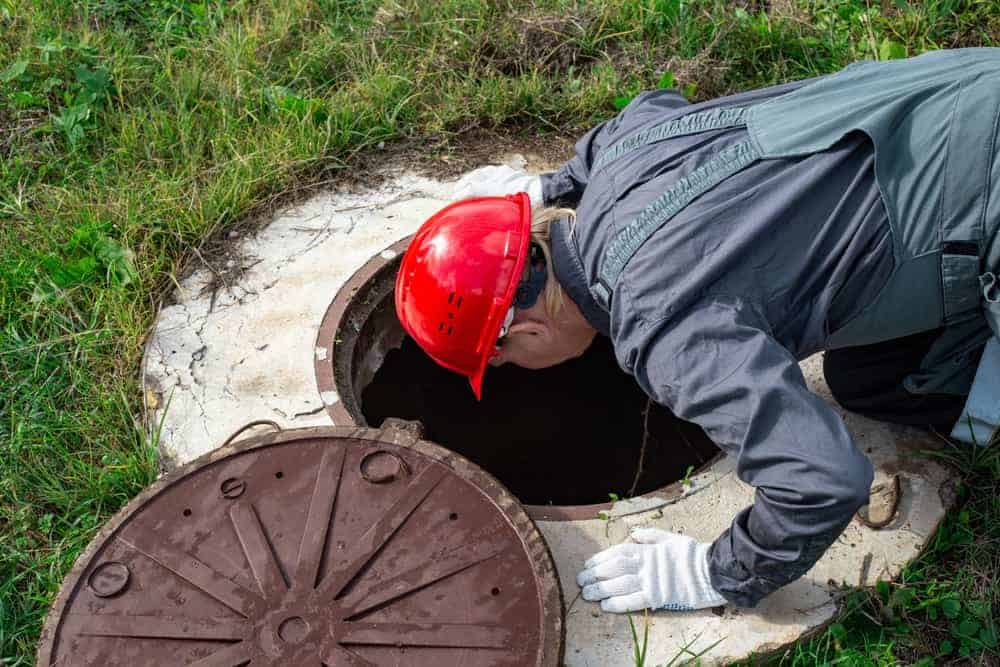
The Smart Timing Strategy for Cesspool Pumping
Timing your cesspool pumping can mean the difference between riding out a storm safely and dealing with a sewage emergency. Most homeowners should pump every 3-5 years under normal conditions, but storm preparation may require more frequent service.
Consider pumping if it’s been more than three years since your last service, especially heading into active weather seasons. Spring pumping prepares your system for summer thunderstorms, while fall service creates capacity for winter nor’easters and spring snowmelt.
Your household size and usage patterns affect this timeline. Larger families, homes with garbage disposals, or properties that host frequent guests may need more frequent pumping. Water softener discharge and hot tub drainage also increase system load.
Don’t wait for obvious signs of trouble. By the time you notice slow drains or odors, your system is already compromised. Emergency pumping during active weather costs significantly more than scheduled maintenance, and service may not be available during severe conditions.
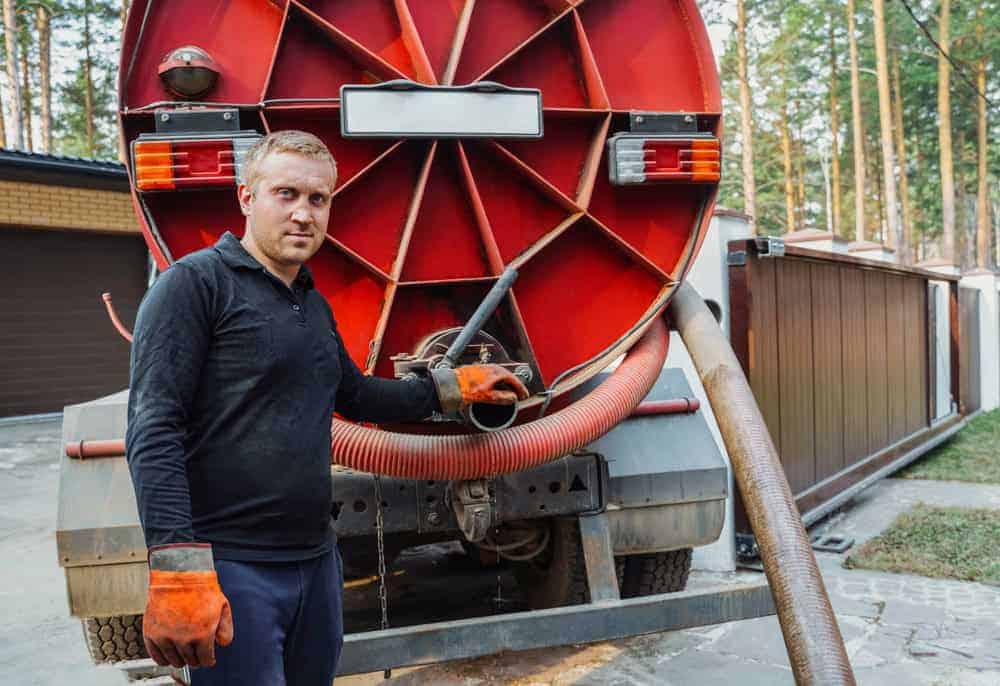
Professional pumping removes accumulated solids and allows inspection of your system’s condition. Our technicians can spot potential problems like damaged baffles, cracked walls, or excessive grease buildup that could worsen during storms. We can also assess your drain field’s condition and recommend additional protective measures.
Schedule pumping at least two weeks before predicted severe weather when possible. This timing ensures any disturbed sediments have time to settle and your system returns to normal operation before facing storm conditions.
Emergency Actions That Prevent Overflow Disasters
When storm warnings are issued, immediate action can prevent cesspool overflow and protect your property. These emergency strategies buy time and reduce system stress during critical periods.
Water conservation becomes essential during heavy rain events. Reduce non-essential water use like laundry, dishwashing, and long showers. Every gallon you don’t send to your cesspool creates more capacity for handling infiltration and reduced drain field performance.
Redirect surface water away from your cesspool and drain field areas. Clear gutters and downspouts to ensure roof runoff flows away from your system. Check that yard grading directs water toward storm drains or other appropriate outlets rather than toward your cesspool components.
Avoid using garbage disposals, which add solid waste that takes up valuable capacity. Don’t flush anything beyond human waste and toilet paper—no feminine products, wipes, or other materials that could clog pipes or reduce system efficiency.
Consider temporary measures like portable pumps if you have chronic drainage issues in areas near your cesspool. Standing water around system components increases infiltration risk and should be removed when safely possible.
Monitor your system’s performance closely during storms. Slow drains, gurgling sounds, or sewage odors indicate your system is struggling. If you notice these warning signs, immediately reduce water use and contact emergency cesspool services before complete failure occurs.
Keep emergency contact information readily available. We provide 24/7 emergency service, but having contact details easily accessible saves precious time when problems develop. Don’t wait until you’re dealing with sewage backup to find professional help.
Protecting Your Home with Professional Cesspool Care
Suffolk County’s weather patterns aren’t getting milder, and your cesspool system faces increasing challenges from intense storms and heavy rain events. The homeowners who avoid emergency situations are those who prepare proactively rather than react to problems.
Regular maintenance, strategic pre-storm pumping, and emergency preparedness create multiple layers of protection for your property and family. These steps cost far less than dealing with sewage backups, property damage, and emergency repairs during severe weather.
When you need professional cesspool services in Babylon, West Islip, or Lindenhurst, we bring over 40 years of local expertise to protect your home. Don’t wait for the next storm warning to discover your system isn’t ready.