Summary:
Why Fall Septic System Planning Saves Money
Smart homeowners know that timing is everything when it comes to septic work. Fall gives you the advantage of scheduling during our slower season, often translating to better availability and competitive pricing. More importantly, you’re addressing potential issues before they become winter emergencies.
The math is simple: a planned upgrade costs significantly less than an emergency repair. When your system fails in January and you need immediate service, you’re paying premium rates for urgent work in challenging conditions. Plan ahead, and you control both the timeline and the budget.
Long Island Grant Programs That Cover Most Upgrade Costs
Here’s where fall planning really pays off—literally. Long Island homeowners have access to unprecedented grant funding for septic system upgrades, but these programs work on a first-come, first-served basis.
Suffolk County residents can receive up to $10,000 in base grants, with additional funding available that can bring total assistance to $30,000 for qualifying nitrogen-reducing systems. Nassau County offers up to $20,000 through their SEPTIC Environmental Program. These aren’t loans—they’re grants that can cover most or even all of your upgrade costs.
The catch? You need time to navigate the application process. Emergency repairs don’t qualify, and winter installations are complicated by weather conditions. Fall applications position you perfectly for spring installations when conditions are optimal and we have full availability.
The grant requirements focus on environmental impact, particularly nitrogen reduction. Traditional cesspools and older septic systems don’t remove nitrogen effectively, contributing to water quality issues in Long Island’s bays and harbors. The state has determined that conventional systems are essentially “failing” by today’s environmental standards, making most homeowners eligible for upgrade assistance.
Income verification and property eligibility requirements apply, but the programs are designed to help typical Long Island homeowners, not just those in financial hardship. Properties served by existing septic systems or cesspools, not connected to sewer systems, and with valid certificates of occupancy generally qualify.
Cost-Effective Upgrades That Make a Winter Difference
Not every improvement requires a complete system overhaul. Strategic upgrades can dramatically improve your system’s winter performance without major construction projects.
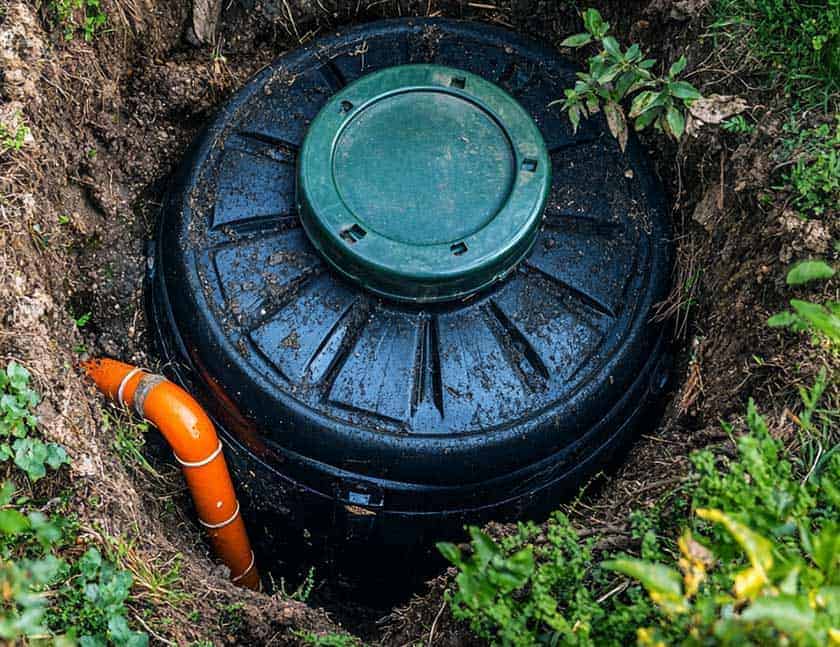
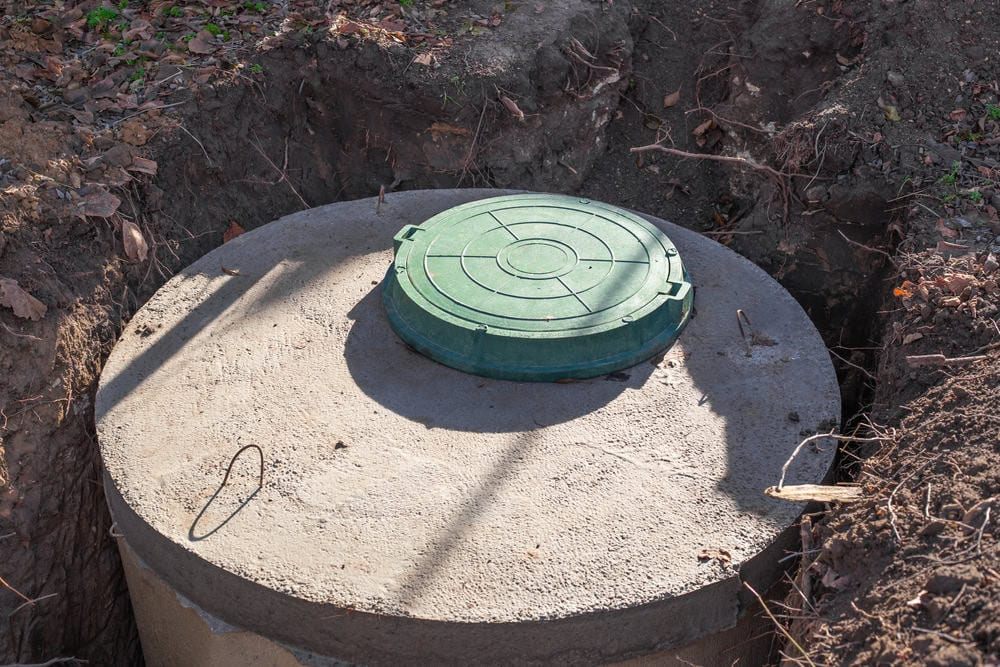
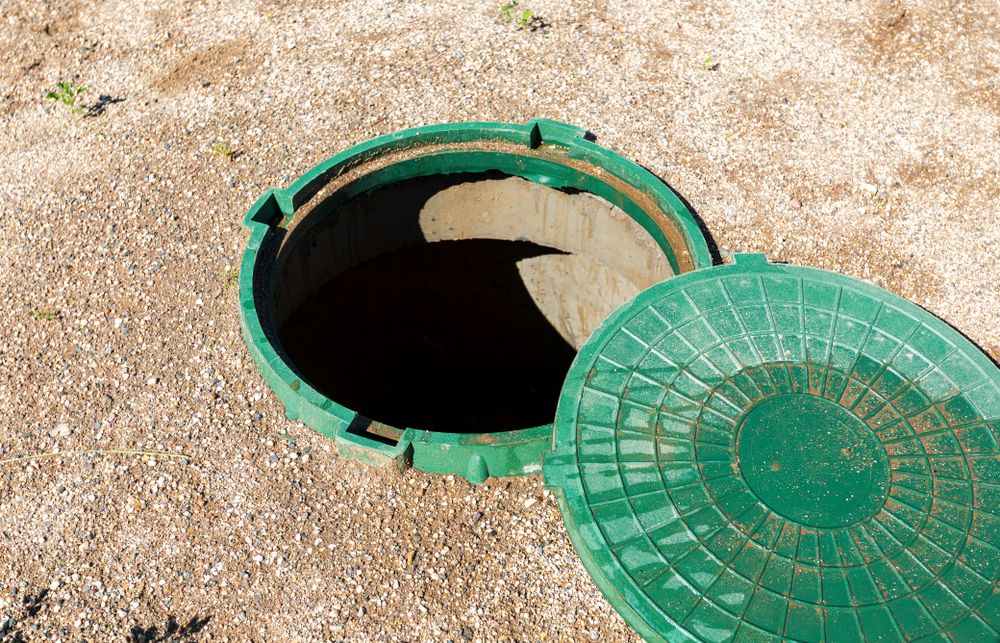
Riser installations are among the most practical fall upgrades. These access points make routine maintenance possible even when the ground is frozen, and they’re relatively inexpensive—typically $300 to $600. When you need emergency service in February, having accessible risers can mean the difference between a service call and a major excavation project.
Insulation improvements offer excellent return on investment. Adding proper insulation around pipes and tanks, or upgrading to insulated piping, costs significantly less than dealing with frozen systems. Professional insulation work ranges from a few hundred to a few thousand dollars, depending on your system’s configuration.
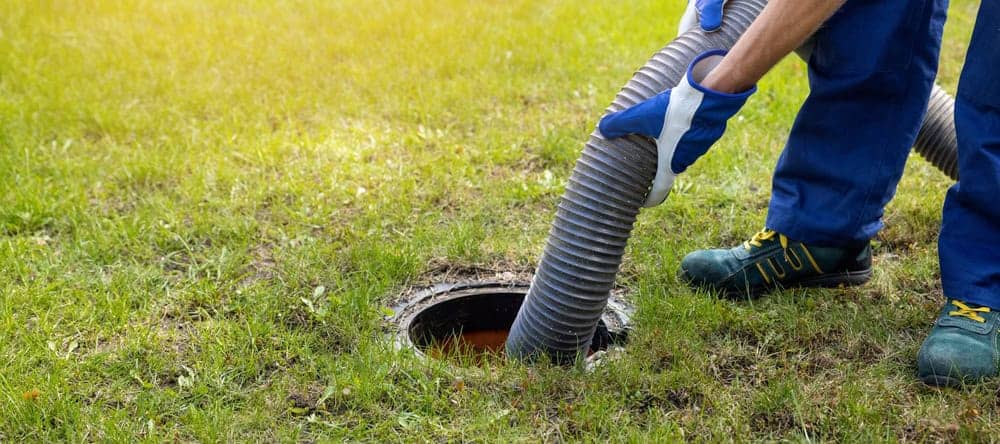
Bundled maintenance services make financial sense when planned in advance. Fall inspections, pumping, and minor repairs cost less when scheduled together during slower periods. We offer package deals that include winter monitoring or emergency priority service.
System monitoring upgrades, like alarms and level indicators, provide early warning of developing problems. These relatively inexpensive additions—often under $500—can alert you to issues before they become emergencies. In winter conditions, early detection is crucial because response time affects both repair complexity and cost.
The key is focusing on improvements that address your system’s specific vulnerabilities. A professional assessment can identify which upgrades offer the best protection for your investment, whether that’s improving drainage, upgrading electrical components, or enhancing freeze protection.
Winter-Proofing Your System on Any Budget
Winter preparation doesn’t require expensive upgrades to be effective. Understanding what makes septic systems vulnerable to cold weather helps you prioritize protective measures within your budget.
The biggest winter threat isn’t necessarily the septic tank itself—it’s the pipes connecting your house to the tank and the distribution system. These components are most vulnerable to freezing because they’re closer to the surface and don’t benefit from the tank’s bacterial heat generation.
Essential Winter Protection Steps
Effective winter protection starts with proper insulation, and you don’t need professional installation for basic improvements. Adding 8 to 12 inches of mulch, straw, or leaves over your tank and distribution areas provides significant freeze protection. This natural insulation traps ground heat and creates a barrier against surface frost.
The timing of this insulation matters. Apply it after the ground cools but before sustained freezing temperatures arrive—typically late November in most of Long Island. If you wait until the system is already frozen, insulation actually delays spring thawing.
Snow management plays a crucial role in winter protection. Natural snow cover provides excellent insulation, but compacted snow loses its protective value. Avoid driving or walking over septic areas, and never plow or shovel snow off your system components. That snow cover is working as free insulation.
Water usage patterns affect freeze resistance more than most homeowners realize. Consistent water flow helps prevent freezing, but the key is regularity, not volume. Spreading laundry and dishwashing throughout the week maintains steady flow better than doing everything on one day. Hot water usage is particularly beneficial—it adds heat to the system while maintaining flow.
Fixture maintenance becomes critical before winter. Leaky faucets or running toilets that seem minor in summer can create freezing problems when that constant drip hits cold pipes. Fix these issues in fall, and you eliminate potential freeze points while reducing water waste.
What to Avoid During Winter Preparation
Common winter preparation mistakes can create more problems than they solve. Never add antifreeze, salt, or chemical additives to your septic system. These substances kill the beneficial bacteria your system depends on and can contaminate groundwater. They also don’t effectively prevent freezing in septic applications.
Avoid the temptation to let faucets drip continuously, a common pipe-freezing prevention tip that backfires with septic systems. Constant cold water flow can actually promote freezing in septic lines, and it overwhelms your system’s treatment capacity.
Don’t attempt to thaw frozen components with open flames, heat guns, or other direct heat sources. This creates safety hazards and can damage system components. Professional thawing equipment like steamers and pressure jetters are designed for septic applications and won’t cause damage.
Resist the urge to pump your system unnecessarily before winter. If your tank was properly maintained and isn’t due for pumping, removing effluent actually reduces the system’s thermal mass and can increase freezing risk. Only pump if you’re winterizing a seasonal property or if your system is overdue for maintenance.
Emergency preparedness matters more than emergency response when it comes to septic systems. Know where your system components are located, keep contractor contact information accessible, and understand your system’s normal operating patterns. Early detection of problems allows for less expensive solutions than waiting until complete system failure.
Smart Planning Protects Your Investment
The homeowners who avoid expensive winter septic emergencies aren’t lucky—they’re prepared. Fall planning gives you control over timing, costs, and contractor selection while positioning you to take advantage of significant grant opportunities.
Whether you’re considering major upgrades or basic winter protection, the key is acting before problems develop. Small investments in preparation and maintenance prevent large expenses in emergency repairs. With Long Island’s grant programs covering substantial upgrade costs, there’s never been a better time to improve your system’s performance and reliability.
When you’re ready to discuss specific improvements for your property, we bring over 60 years of Long Island experience to help you make informed decisions that protect both your system and your budget.