Summary:
How Leaves and Yard Debris Damage Long Island Septic Systems
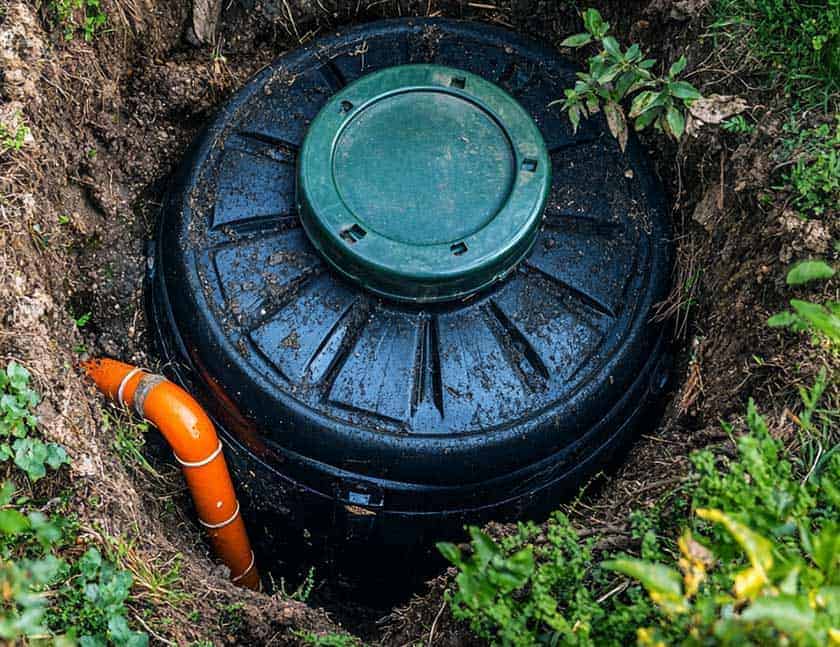
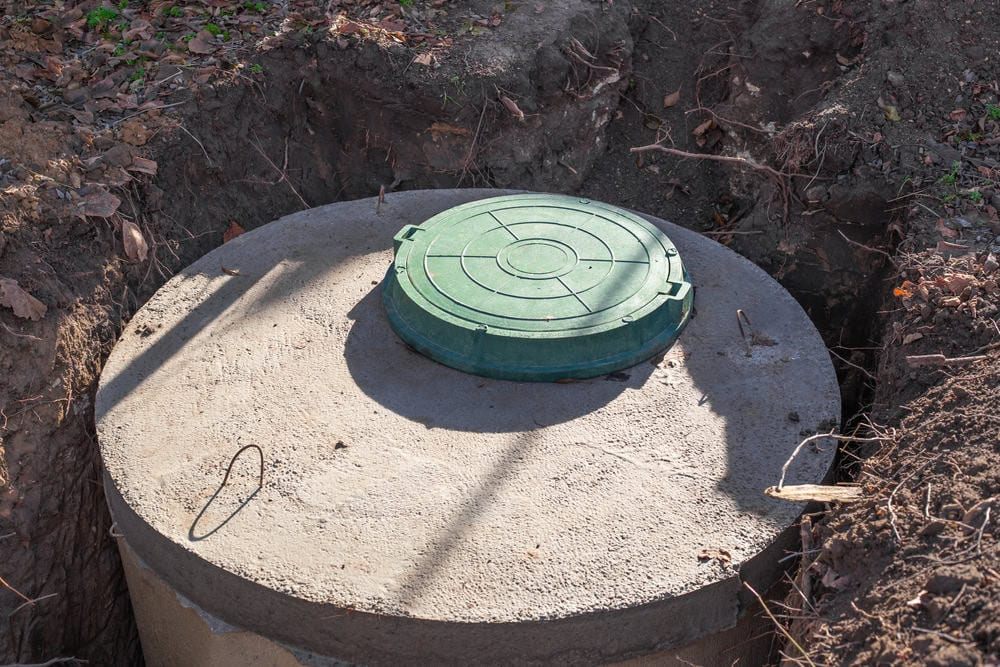
Most Long Island homeowners don’t realize that their septic system has multiple vulnerable points where fall debris can cause serious problems. Your system isn’t just the tank buried in your yard—it includes vent pipes, drain fields, and distribution systems that all work together to process wastewater safely.
When leaves pile up around these components, they create blockages that disrupt the delicate balance your septic system needs to function properly. The result? Expensive backups, foul odors, and potential system failure that could have been avoided with some basic fall septic maintenance.
Septic Vent Pipes: Your System's Hidden Weak Spot
Your septic system relies on proper ventilation to function correctly, but most Long Island homeowners have no idea where their vent pipes are located or why they matter. These pipes—usually white PVC sticking up from your yard like small candy canes—release gases from your septic tank and allow proper airflow throughout the system.
Fall leaves and debris can easily block these vents, creating dangerous pressure buildup inside your tank. When vents get clogged, you’ll start noticing warning signs: gurgling sounds from drains, slow drainage throughout your house, or unpleasant sewage odors both inside and outside your home. Even worse, blocked vents can cause wastewater to back up into your house—a messy, expensive problem that requires immediate professional attention.
The fix is surprisingly simple. Walk around your property and locate any white PVC pipes sticking up from the ground. Clear away leaves, debris, and overgrown vegetation from around these vents. Make sure nothing is actually blocking the opening of the pipe itself. This five-minute task, done regularly throughout fall, can prevent thousands of dollars in emergency repairs.
But here’s what many homeowners miss: it’s not just about clearing visible debris. Sometimes leaves and organic matter can get stuck inside the vent pipe itself, creating blockages you can’t see from ground level. If you notice any of the warning signs mentioned above, don’t wait—contact a professional to inspect and clean your vents properly.
Drain Field Protection: Why Leaves Are Your Leach Field's Enemy
Your drain field (also called a leach field) is where the real magic of waste treatment happens, but it’s also the most vulnerable part of your septic system when it comes to fall debris. This network of perforated pipes buried in gravel allows treated wastewater to slowly filter into the surrounding soil, but only when everything flows freely.
When leaves accumulate over your drain field, they create several serious problems. First, decomposing organic matter forms a thick mat that blocks proper drainage and prevents oxygen from reaching the soil. Your drain field needs oxygen to support the beneficial bacteria that break down waste—without it, the treatment process fails and raw sewage can surface in your yard.
Second, heavy leaf accumulation can compact the soil above your drain field, making it harder for water to percolate through. This forces wastewater to back up into your septic tank and eventually into your house. The signs are unmistakable: standing water or soggy spots in your yard (especially during dry weather), unusually green grass over the drain field area, or strong sewage odors outside your home.
Protecting your drain field is straightforward but crucial. Rake leaves away from the area regularly throughout fall—don’t let them pile up for weeks. Avoid driving or parking over the drain field, as this compacts soil and can damage the pipes below. If you’re not sure where your drain field is located, look for the area of your yard that stays greenest during dry spells, or contact a professional for system mapping.
Most importantly, never try to “help” your drain field by adding extra soil or mulch over it. Your system was designed with specific soil depths and drainage characteristics. Adding material on top disrupts this balance and can cause expensive failures down the road.
Long Island Fall Cleanup: Septic-Safe Yard Maintenance Tips
Fall cleanup looks different when you have a septic system. You can’t just rake everything into piles and forget about it—you need to think strategically about where debris goes and how your cleanup activities might impact your system’s components.
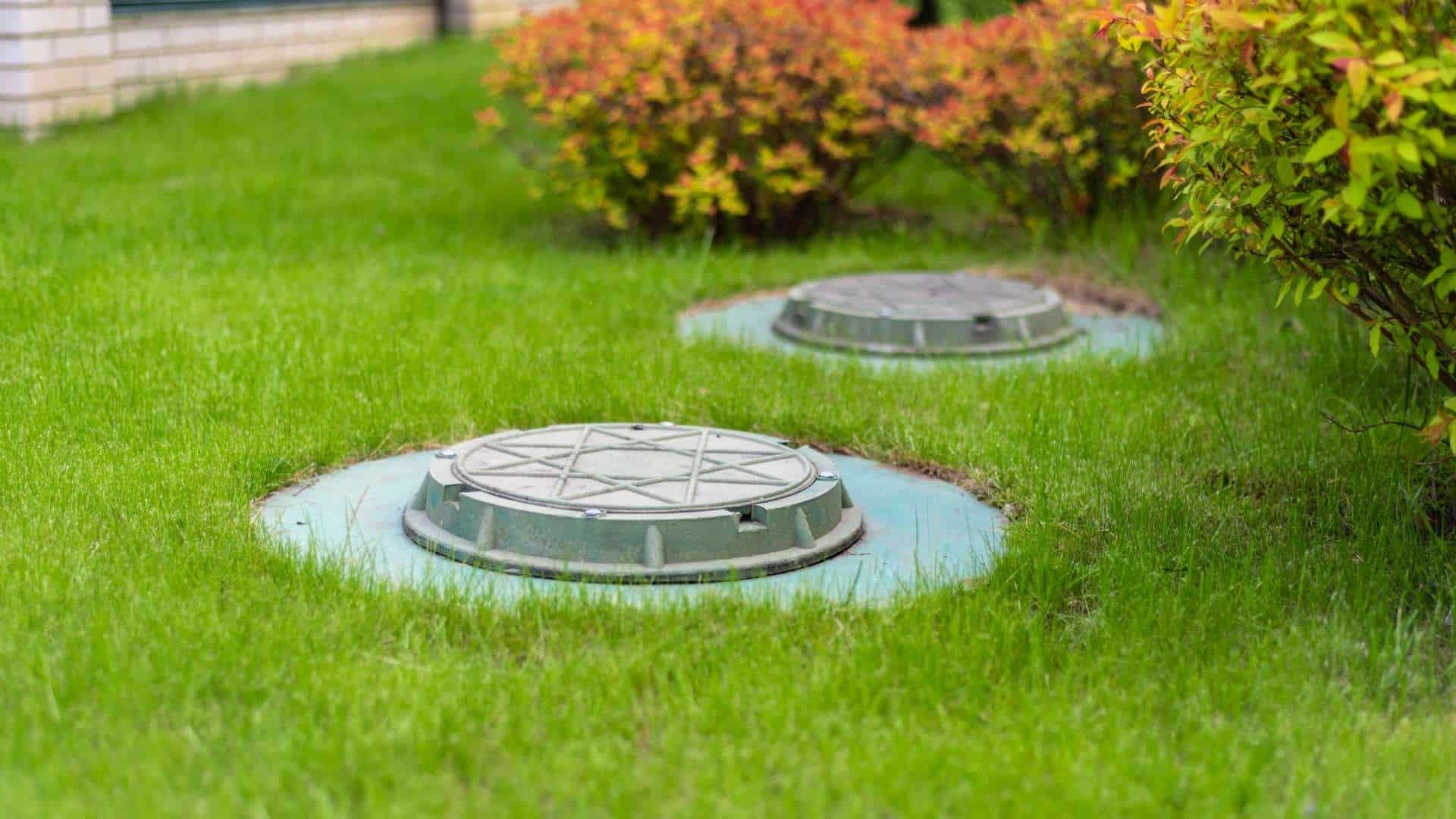
The key is understanding that your septic system extends far beyond the tank itself. Distribution boxes, pump chambers, and inspection ports are all potential trouble spots during fall cleanup, and most are located just below ground level where they’re easily damaged by aggressive raking or leaf blowers.
Smart Leaf Management Around Septic Components
Effective leaf management starts with knowing where your septic components are located. If you don’t have a map of your system, now is the time to create one. Mark the locations of your septic tank, distribution box, pump chamber (if you have one), and the general area of your drain field with permanent stakes or markers.
Once you know where everything is, you can clean strategically. Use a rake rather than a leaf blower near septic components—blowers can force debris into vents, inspection ports, or around tank lids where it can cause problems later. When raking around vent pipes, work gently to avoid damaging the pipe or pushing debris down into the opening.
For drain field areas, light raking is fine, but avoid using heavy equipment or aggressive techniques that might compact the soil. Don’t pile leaves directly on the drain field, even temporarily. The weight can compact soil and the decomposing organic matter can interfere with proper drainage.
Consider composting your leaves in an area well away from your septic system, or bag them for municipal pickup. Never dump large quantities of organic matter near your septic components—it might seem like natural fertilizer, but it can actually harm your system’s delicate balance.
Here’s a pro tip from our decades of experience serving Long Island families: create a maintenance schedule that includes septic-specific tasks. Check and clear vent pipes weekly during heavy leaf-fall periods. Walk your drain field area after every major storm to look for new soggy spots or standing water that might indicate problems developing.
When DIY Isn't Enough: Professional Fall Septic Inspections
While homeowner maintenance goes a long way, some fall septic care requires professional expertise. After serving Long Island families for over 60 years, we’ve learned that fall is actually the ideal time for comprehensive septic inspections—before winter weather makes problems harder and more expensive to fix.
A professional fall inspection catches issues that aren’t visible to homeowners. We check for root intrusion from trees losing their leaves, inspect vent pipes for internal blockages, and evaluate whether your drain field is handling the increased water flow from fall rains. We also look for signs that your system might struggle during the coming winter months when frozen ground makes repairs much more complicated.
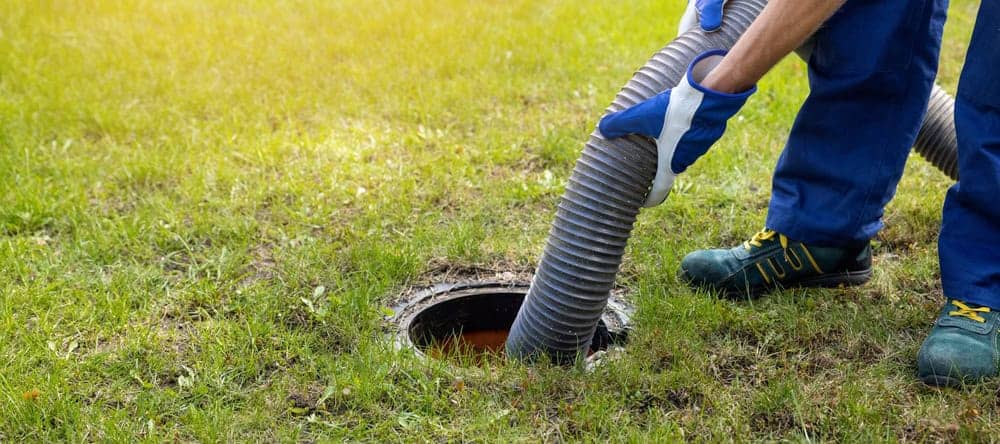
During a fall inspection, we measure sludge and scum levels in your septic tank to determine if pumping is needed before winter. We inspect all accessible components for damage, check that distribution boxes are level and functioning properly, and evaluate the overall health of your drain field. Most importantly, we identify small problems before they become big, expensive emergencies.
The timing matters more than most homeowners realize. Fall inspections allow time to complete any necessary repairs before winter weather sets in. If we find issues during a December emergency call, your options for fixes are much more limited and expensive than they would be during a planned fall inspection.
We also use fall inspections to help homeowners prepare their systems for winter. This includes advice on water conservation during cold months, tips for protecting above-ground components from freezing, and planning for any maintenance that should be completed before spring. It’s preventive care that pays for itself many times over in avoided emergency calls and extended system life.
Protecting Your Long Island Septic Investment This Fall Season
Fall septic maintenance isn’t complicated, but it is crucial for Long Island homeowners. Simple steps like clearing debris from vent pipes, managing leaves around your drain field, and scheduling professional inspections can prevent thousands of dollars in emergency repairs and extend your system’s lifespan significantly.
Remember that your septic system is a major investment in your home’s functionality and value. A little attention during fall cleanup season protects that investment and ensures your system will handle whatever winter brings. The alternative—emergency repairs during frozen ground and holiday seasons—is both expensive and stressful.
If you’re unsure about your system’s condition or need help with fall maintenance, Antorino & Sons has been helping Long Island families protect their septic investments for over 60 years. Contact us for a comprehensive fall inspection and take the worry out of winter septic care.