Summary:
You’re staring at three different quotes for septic work. One contractor says you need a full replacement. Another insists repairs will do. The third mentions something about Article 6 and nitrogen-reducing systems you’ve never heard of. And you’re left wondering: who’s actually licensed to do this work, and who can you trust?
Suffolk County’s septic regulations changed dramatically starting in 2019. The contractors who handled your neighbor’s cesspool five years ago might not be qualified for what you need today. Between licensing requirements, health department approvals, excavation permits, and post-installation restoration, most septic projects now involve multiple specialized contractors working together.
This guide helps you understand which licensed professionals handle which aspects of septic work, how to verify their credentials, and how to connect with contractors approved for Suffolk County’s grant programs.
Top Licensed Septic Contractors in Suffolk County
Suffolk County requires specific licensing for anyone touching your septic system. Not suggestions. Not recommendations. Legal requirements that protect you from contractors who don’t know what they’re doing.
Every licensed septic contractor in Suffolk County must demonstrate five years of trade experience, carry one million dollars in liability insurance, and post a ten-thousand-dollar bond. Their advertising must include a Suffolk County Department of Citizen Affairs license number and a New York State DEC permit number. If you don’t see those numbers, you’re not looking at a legitimate contractor.
The Suffolk County Septic Improvement Program maintains an approved installer list. These contractors didn’t just get licensed. They went through the county’s solicitation process and demonstrated they can handle grant-funded installations that meet current nitrogen-reduction standards. If you’re planning to use county or state grant money for a system upgrade, your contractor needs to be on this list. For projects involving a new system, professional septic tank installation should be handled by a properly licensed contractor who understands the applicable requirements.

How to Verify a Septic Contractor Is Properly Licensed
You can’t just take a contractor’s word that they’re licensed. Suffolk County makes verification straightforward if you know where to look.
Start with the license number. Every legitimate contractor displays their Suffolk County Department of Citizen Affairs license number on their trucks, website, and advertising. That number should be at least ten-point type, not hidden in fine print at the bottom of a page. No license number visible? That’s your first red flag.
Next, check their DEC permit. Any contractor hauling liquid waste needs a New York State Department of Environmental Conservation Part 364 Permit. This isn’t optional for septic work. The permit allows them to transport septage legally, and they’re required to carry a copy in every vehicle they use. Ask to see it before they start work.
Insurance matters more than most homeowners realize. Licensed contractors carry one million dollars in public liability and property damage insurance. That protects you if something goes wrong during excavation, if their equipment damages your property, or if someone gets injured on your land during the project. Request a current certificate of insurance before signing any contract. Your homeowner’s insurance won’t cover damage caused by an uninsured contractor’s mistake.
The bond requirement exists for a reason. That ten-thousand-dollar bond protects you if the contractor abandons your project, violates regulations, or fails to complete work they were paid to do. It’s not a huge amount, but it demonstrates the contractor went through the proper licensing process instead of operating under the table.
For grant-funded projects, verification gets more specific. The Suffolk County Septic Improvement Program publishes its approved installer list. These contractors submitted detailed applications, proved their experience with I/A OWTS systems, and demonstrated they can meet the program’s technical requirements. The list gets updated periodically, so check the current version on the county’s website before you commit to a contractor.
Don’t skip the reference check. Licensed contractors should provide recent references from Suffolk County projects similar to yours. Call those references. Ask about permit problems, timeline delays, surprise costs, and how the contractor handled issues that came up during excavation. A contractor who gets defensive about providing references probably has something to hide.
What Septic System Contractors Actually Do
The term “septic contractor” covers a range of specialized work. Understanding who does what helps you hire the right professionals and avoid paying one contractor to coordinate work they’re subcontracting to someone else.
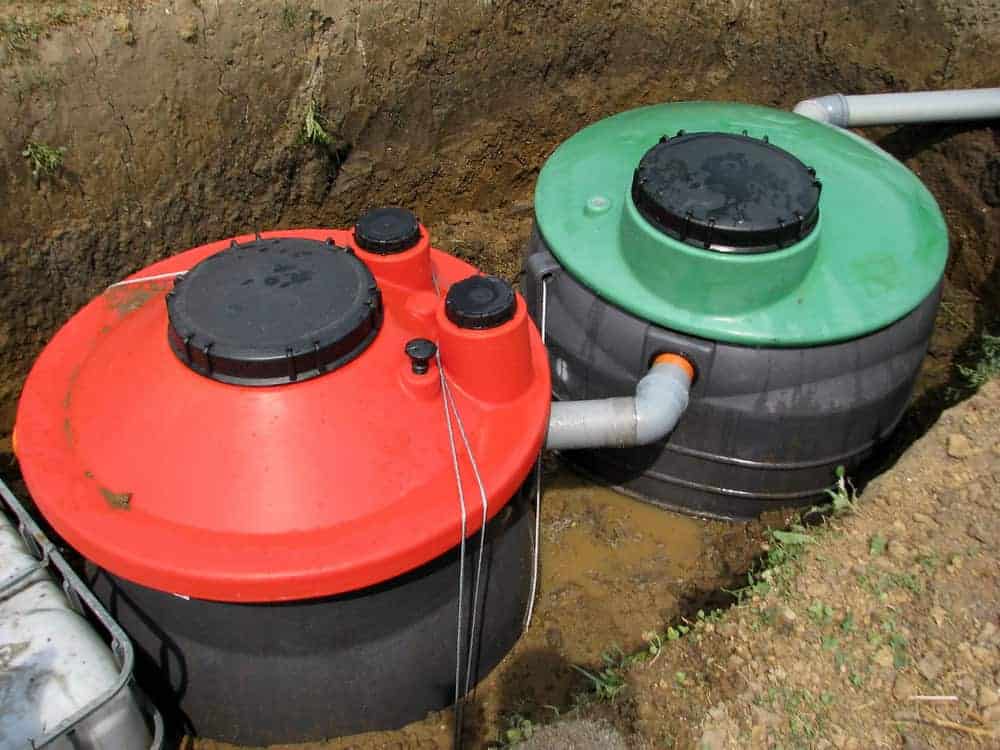
Septic system contractors handle the core installation and replacement work. They design system layouts based on your property’s soil conditions, water table depth, and household size. They calculate required tank capacity, determine drain field sizing, and ensure everything meets current Suffolk County regulations. These contractors excavate the site, install tanks and leaching structures, connect all the piping, and coordinate required inspections with the health department.
For I/A OWTS installations, you need contractors with specialized certification. These advanced systems use mechanical components and treatment processes that conventional septic contractors might not be trained to install. The technology reduces nitrogen levels in wastewater, which is why Suffolk County now requires these systems in many situations. Contractors certified in I/A OWTS installation understand the electrical requirements, mechanical maintenance needs, and specific health department approval processes these systems require.
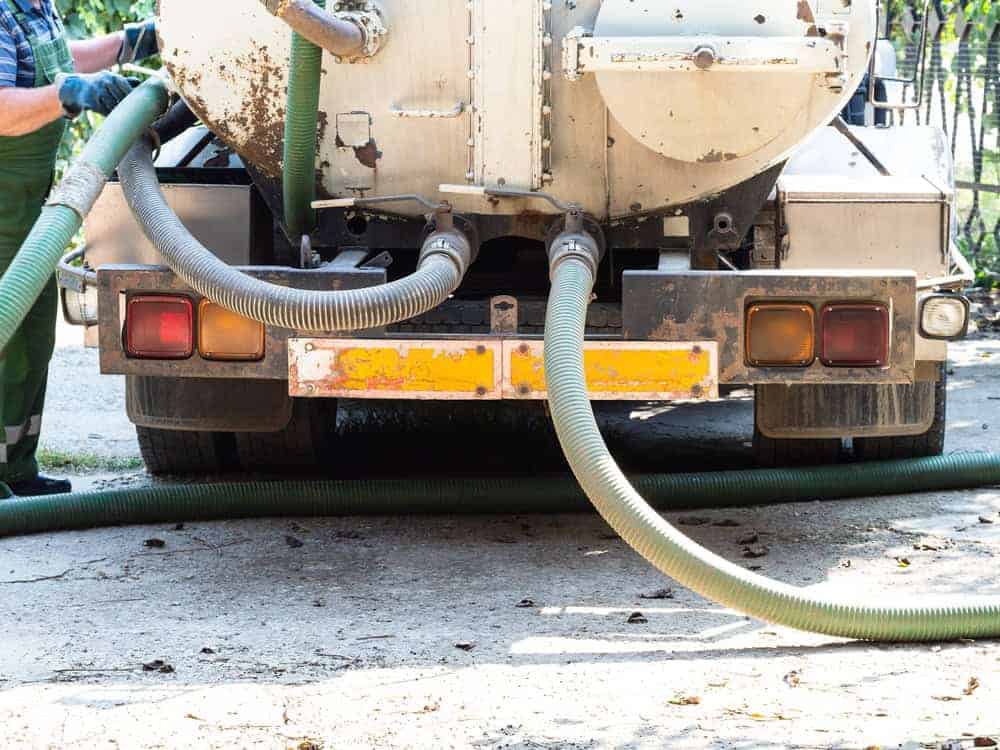
Maintenance and pumping services keep existing systems running. Regular pumping removes accumulated solids before they overflow into your drain field. Suffolk County recommends pumping every three years for most households, though families of four typically need service every one to two years. Contractors providing this service should inspect your tank during pumping, identify potential problems before they become emergencies, and maintain records of service dates and tank conditions.
Emergency repair contractors respond when systems fail. Sewage backing up into your house, standing water pooling around your tank, or foul odors coming from your yard all require immediate professional attention. These contractors diagnose failures, pump overflowing tanks, repair damaged components, and restore system function. They work outside normal business hours because septic emergencies don’t wait for Monday morning.
Replacement and retrofit specialists handle the complex work of upgrading existing systems to meet current standards. Since July 2019, you can’t replace a failing cesspool with another cesspool. Any replacement must include at minimum a septic tank, and in many cases requires full I/A OWTS installation. These contractors navigate the permit process, handle old system removal and disposal, and ensure new installations comply with Article 6 requirements that didn’t exist when your original system was installed.
The scope of work determines which contractor you need. A routine pumping requires a licensed pumping contractor with the right equipment. A full system replacement requires a contractor who can design compliant systems, handle excavation, install advanced treatment components, coordinate electrical work, manage health department inspections, and ensure everything meets current nitrogen-reduction standards. Make sure the contractor you hire is actually qualified for the specific work your property needs.
Plumbing Contractors for Septic-Related Work
Septic contractors handle what happens outside your house. Plumbing contractors handle the connections between your home’s internal plumbing and your septic system. Most septic projects require both, and the handoff between these two trades needs to happen correctly or you’ll have problems.
Plumbing contractors licensed for septic work understand how drain lines, vent stacks, and fixture connections affect septic system performance. They ensure proper slope on waste lines so solids don’t accumulate in pipes before reaching your tank. They verify vent systems allow air flow that prevents vacuum conditions from slowing drainage. They install clean-outs at strategic locations so future blockages can be cleared without tearing apart walls.
When you’re replacing a septic system, plumbing contractors inspect your home’s internal plumbing for issues that could compromise your new system. Old cast iron pipes might be deteriorating. Tree roots might have infiltrated drain lines. Improper venting might be causing slow drainage that has nothing to do with your septic system. Fixing these problems before installing a new septic system prevents you from blaming the new system for issues that existed in your home’s plumbing all along.
Connecting Plumbing Systems to New Septic Installations
The connection between your home’s plumbing and your septic system is where a lot of problems start. Get this wrong and you’ll deal with slow drains, frequent backups, and premature system failure.
Licensed plumbing contractors verify the main drain line from your house meets current code requirements. Older homes often have undersized drain lines that worked fine with original cesspools but can’t handle the flow requirements of modern septic systems. The contractor checks pipe diameter, slope, and condition. If your main line needs upgrading, now’s the time to do it, not after your new septic system is already installed.
Clean-out access matters more than most homeowners realize. Plumbing contractors install clean-outs at the foundation wall and at strategic points along the main drain line. When you eventually need to clear a blockage, these access points let contractors reach the problem without excavating your yard or breaking through your foundation. The cost of installing proper clean-outs during initial work is nothing compared to the cost of emergency excavation later.
Vent system connections require specific knowledge. Your home’s plumbing vents allow air into the drain system so wastewater can flow freely. Inadequate venting creates vacuum conditions that slow drainage and make toilets gurgle. Plumbing contractors ensure vent pipes are properly sized, correctly positioned, and free of blockages before connecting to your new septic system.
Fixture connections need verification. Every toilet, sink, shower, and appliance that drains into your septic system needs proper trap configuration and vent connections. Plumbing contractors check that traps are installed correctly, that vent connections meet code, and that no fixtures are improperly connected in ways that could cause problems. A bathroom sink that drains into a floor drain instead of the main waste line might seem minor, but it affects how your septic system functions.
Inspection and testing happen before final connection. Licensed plumbing contractors perform pressure tests or water tests to verify your internal plumbing holds water without leaking. They check that all connections are secure, that no joints are leaking, and that water flows properly from every fixture to the main drain line. This testing catches problems while they’re still easy to fix, not after your new septic system is already in use.
The coordination between plumbing contractors and septic contractors determines project success. Your plumbing contractor needs to know where the septic contractor is positioning the tank inlet so they can ensure proper slope on the main drain line. The septic contractor needs to know the elevation of your home’s foundation drain so they can position the tank at the right depth. When these two trades don’t communicate, you get connection problems that require expensive fixes.
Drain Cleaning and Emergency Plumbing Services
Sometimes what looks like a septic problem is actually a plumbing problem. Knowing the difference saves you from paying a septic contractor to pump a tank that isn’t full when the real issue is a blocked drain line inside your house.
Licensed plumbing contractors use camera inspections to diagnose drain problems. They insert a waterproof camera into your drain lines and see exactly what’s causing blockages. Tree roots infiltrating pipes look different from grease buildup, which looks different from collapsed pipes. The camera shows the exact location of the problem and its distance from the access point, so contractors know exactly where to work.
Hydro jetting clears blockages that snaking can’t touch. This high-pressure water cleaning blasts through grease buildup, removes scale from pipe walls, and cuts through root intrusions. Plumbing contractors trained in hydro jetting can clear drain lines without damaging pipes, restoring full flow capacity. This service often solves drainage problems without requiring septic pumping or excavation.
Emergency drain services respond when backups happen. If sewage is coming up through your drains, you need immediate help determining whether the problem is in your home’s plumbing or in your septic system. Emergency plumbing contractors arrive quickly, diagnose the source of the backup, and either clear the blockage or confirm that your septic system needs attention. Getting the right diagnosis fast prevents raw sewage from causing extensive property damage.
Preventive drain maintenance catches problems before they become emergencies. Plumbing contractors can inspect your main drain line annually, clear minor buildup before it becomes a full blockage, and identify developing issues like root intrusion or pipe deterioration. This maintenance costs far less than emergency service, and it extends the time between septic pumpings by keeping your drain lines flowing freely.
The relationship between drain health and septic function is direct. Slow-flowing drain lines allow solids to settle in pipes instead of reaching your septic tank. That causes blockages in your plumbing while your septic tank remains half empty. Plumbing contractors who understand septic systems recognize these patterns and address the actual problem instead of just treating symptoms.
Coordination with septic contractors prevents duplicate work. If your plumbing contractor’s camera inspection shows your drain lines are clear but you’re still having backup problems, that confirms your septic system needs attention. The plumbing contractor’s diagnostic work gives your septic contractor useful information about where the problem isn’t, which speeds up diagnosis and prevents unnecessary excavation.
Finding the Right Licensed Contractors for Your Suffolk County Septic Project
Septic work in Suffolk County requires coordination between licensed professionals who each bring specific expertise. Your project might need a septic system contractor for installation work, a plumbing contractor for internal connections, an excavation company for site work, and a landscaping service for post-installation restoration. The contractors who succeed are the ones who communicate with each other and understand how their work affects everyone else on the project.
Start by verifying licensing. Check Suffolk County license numbers, confirm DEC permits, and request current insurance certificates. For grant-funded projects, make sure contractors appear on the approved installer list. These verification steps take minutes and prevent problems that cost thousands.
Look for contractors with recent Suffolk County experience. Article 6 regulations changed everything about septic installations after 2019. Contractors who haven’t worked in Suffolk County recently might not understand current requirements for nitrogen-reducing systems, health department approvals, or grant application processes. Local experience with recent projects matters more than decades of experience with outdated regulations.
When you’re ready to move forward with septic work, we’ve been helping Suffolk County property owners navigate these projects for years. Our team understands local regulations, maintains proper licensing, and connects with the specialized contractors needed for comprehensive septic projects.