Summary:
What Modern Cesspool Services Include in Long Island NY
Cesspool services in 2026 look nothing like the basic pump-and-go approach from years past. Today’s professional service integrates inspection technology, environmental compliance, and preventive strategies that extend system life while meeting stricter county standards.
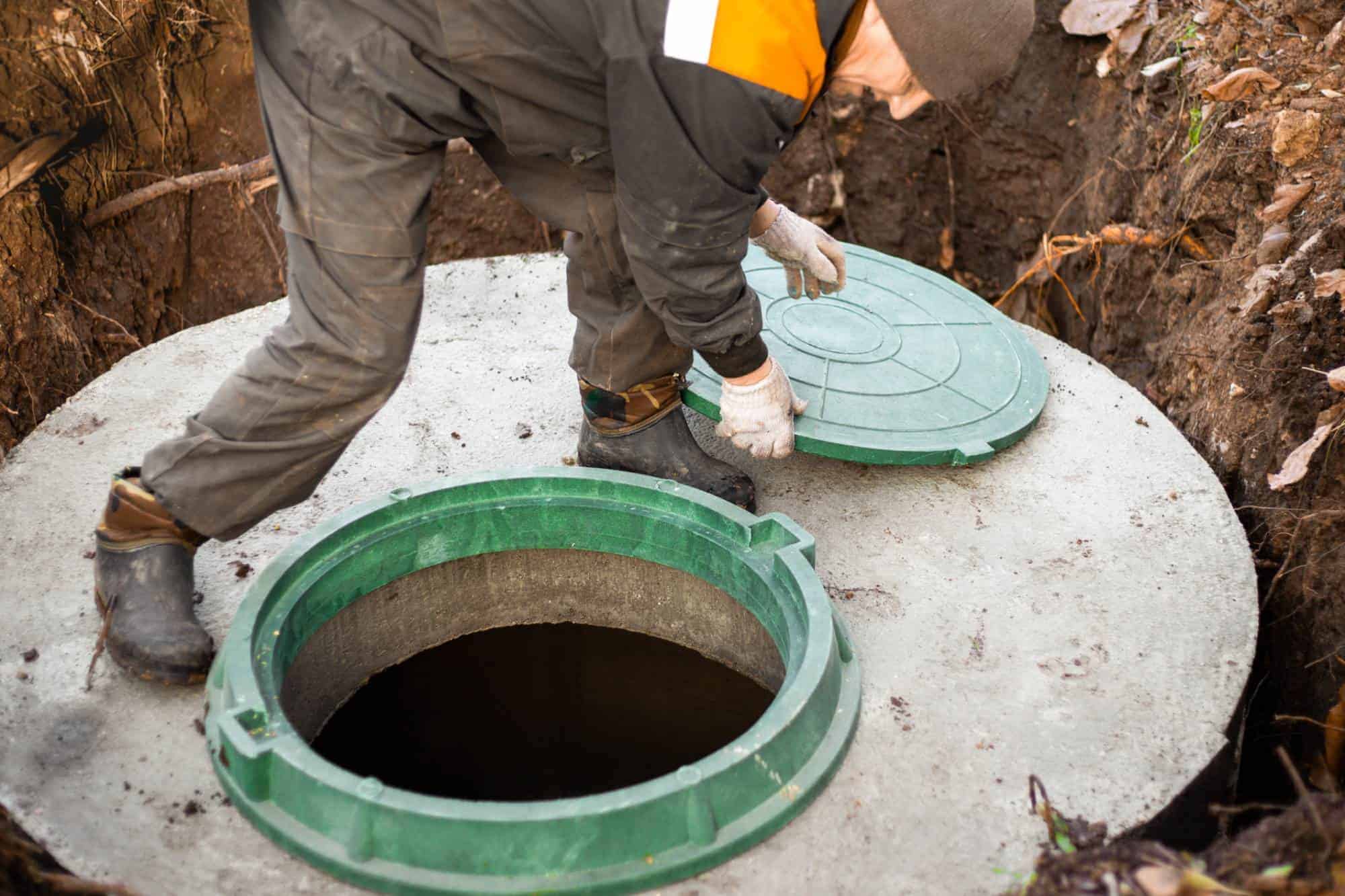
A complete service visit now includes video inspection of your system’s condition, measurement of sludge accumulation levels, and assessment of your cesspool’s drainage capacity. We check for structural issues, evaluate whether your system meets current setback requirements from wells and property lines, and document everything for regulatory compliance. This isn’t just thoroughness for its own sake—it’s protection against the expensive surprises that catch unprepared homeowners off guard.
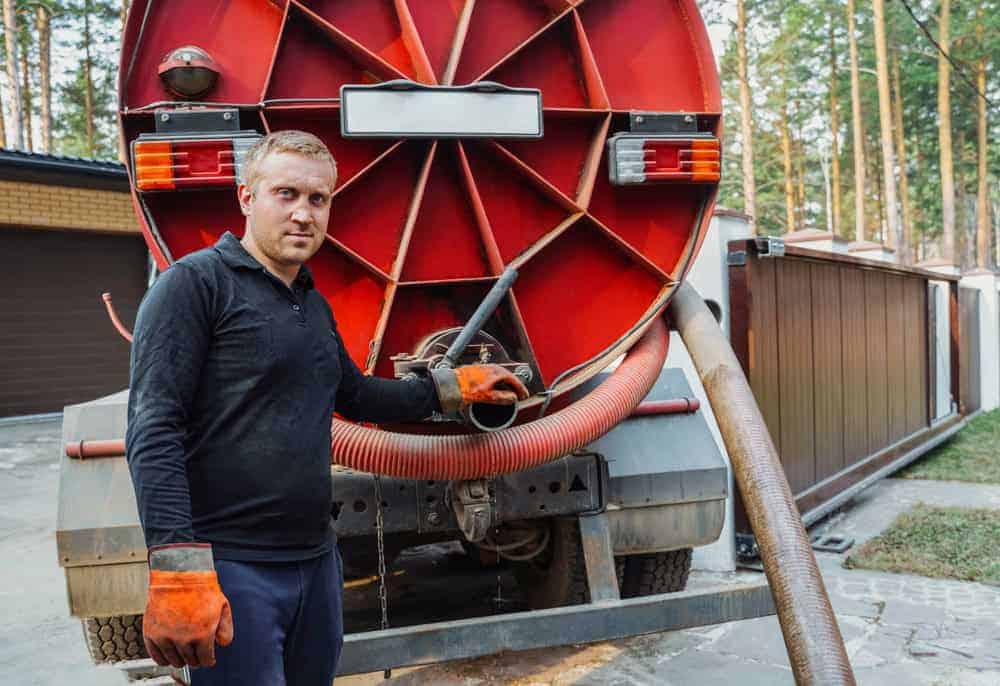
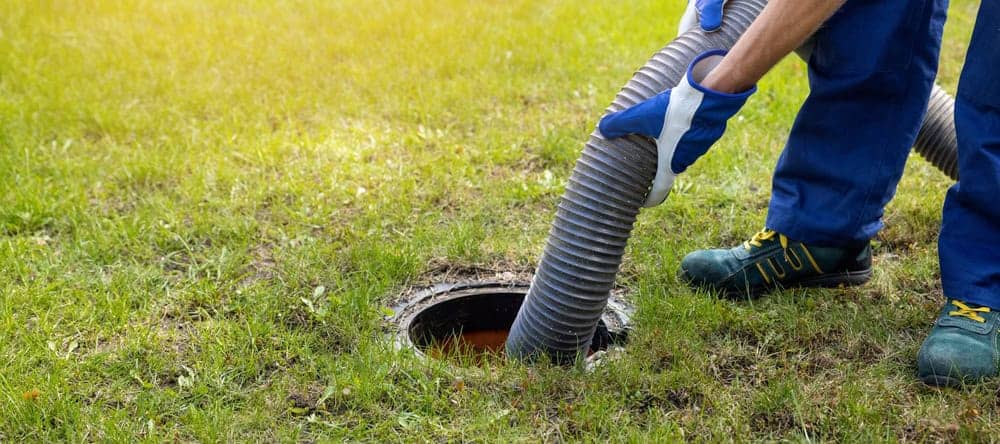
The pumping itself uses commercial vacuum equipment that removes waste completely without damaging your cesspool structure. But that’s just one piece. Modern service also evaluates whether your system needs aeration to restore drainage capacity, chemical treatment to break down accumulated sludge layers, or repairs to address developing problems before they become emergencies.

How Advanced Cesspool Technology Changed Long Island Maintenance
The technology gap between old-school cesspool service and modern approaches is massive. Traditional services showed up, pumped your system, and left. You had no idea what condition your cesspool was actually in or what problems were developing underground.
Advanced cesspool technology now gives you real visibility into your system’s health. Electronic locating equipment pinpoints your cesspool’s exact location without the hours of guesswork that used to drive up emergency service costs. Video camera inspections reveal cracks, deterioration, and blockages that visual inspection alone would miss. High-pressure jetting clears stubborn clogs that mechanical methods can’t touch.
These aren’t just fancy tools for their own sake. They solve real problems Long Island homeowners face. Clay soil conditions common across Nassau and Suffolk counties don’t absorb liquids quickly, which means overloaded cesspools cause surface contamination faster than in other regions. Modern diagnostic equipment catches these issues during routine maintenance instead of after contamination spreads to neighboring properties.
The inspection documentation matters more now too. Suffolk County’s 2019 cesspool installation ban means any failing system must be replaced with an advanced treatment system, not another cesspool. Professional inspection reports provide the proof you need that your existing system still functions adequately, potentially saving you $15,000-30,000 in premature replacement costs. When replacement does become necessary, that same documentation helps you qualify for county and state grant programs that cover up to 75% of costs for nitrogen-reducing systems.
Long Island’s unique water table creates another challenge traditional services often ignored. Your property sits above the sole-source aquifer that millions depend on for drinking water. Nitrogen pollution from failing cesspools contributes to toxic algae blooms, fish kills, and shellfish bed closures that have plagued local bays. We now incorporate eco-friendly treatments that break down waste using beneficial bacteria instead of harsh chemicals that kill the organisms your system needs to function properly.
Why Long Island Soil Conditions Demand Specialized Cesspool Expertise
Not all cesspool services understand what makes Long Island different. Your soil composition, water table depth, and environmental regulations create challenges that generic approaches can’t address effectively.
Long Island’s clay soil presents the biggest maintenance challenge. Unlike sandy soil that absorbs liquids rapidly, clay holds moisture and drains slowly. When your cesspool releases effluent into clay-heavy soil, that liquid doesn’t disperse quickly. It pools, saturates the surrounding area, and eventually surfaces in your yard or seeps toward neighboring properties. This is why you see wet spots around cesspools during heavy use periods—the soil literally can’t keep up with the volume.
Professional cesspool maintenance accounts for these soil conditions by adjusting service frequency and treatment approaches. Systems in clay-heavy areas need more frequent pumping than the standard 2-3 year interval. They benefit from aeration services that restore drainage capacity by breaking through the compressed sediment layers that form faster in slow-draining soil. Chemical treatments work differently in clay versus sand, requiring expertise to dose correctly without wasting money or harming your system.
The water table depth across Long Island varies significantly between north and south shores, between Nassau and Suffolk counties, and even within individual neighborhoods. High water tables mean less soil depth for waste filtration before effluent reaches groundwater. This makes proper cesspool maintenance critical not just for your property but for community water quality. A failing system in a high water table area contaminates groundwater faster and spreads contamination farther than the same failure in better conditions.
Suffolk County mandates 100-foot setbacks from water wells and 20-foot setbacks from property lines for cesspool installations. Nassau County enforces similar requirements with additional restrictions near environmentally sensitive areas. These regulations exist because Long Island’s geology makes groundwater contamination spread quickly once it starts. We know these setback requirements matter for existing systems too—not just new installations. If your cesspool sits too close to your well or property line, that affects your maintenance schedule and may require earlier replacement than systems in compliant locations.
Local expertise also means understanding the regulatory environment that’s unique to Long Island. The 2019 cesspool installation ban in Suffolk County changed everything. You can’t replace a failing cesspool with another cesspool anymore. You must upgrade to a septic system or advanced treatment technology. Nassau County has similar restrictions. This means every service visit now includes evaluation of whether your existing cesspool can be maintained or whether you’re approaching the point where replacement becomes mandatory. Companies without local regulatory knowledge can’t provide that guidance.
Eco-Friendly Waste Disposal Methods That Actually Work
Environmental protection isn’t just a buzzword anymore—it’s a requirement that affects how cesspool services operate across Long Island. The methods that worked decades ago don’t meet current standards for protecting groundwater and surface water quality.
Eco-friendly waste disposal starts with understanding what’s actually happening in your cesspool. Traditional chemical treatments used harsh acids that dissolved waste quickly but killed the beneficial bacteria your system needs for ongoing waste breakdown. Modern biological treatments use specialized bacteria strains that digest grease, fats, oils, and organic materials more effectively than chemicals ever did. These treatments are non-toxic, non-corrosive, and completely safe for groundwater.
The shift toward sustainable septic solutions reflects what’s at stake. Nitrogen pollution from cesspools and conventional septic systems has been identified as the leading cause of degraded water quality on Long Island. Excess nitrogen fuels algae blooms that deplete oxygen in bays and harbors, killing fish and marine life. It contaminates drinking water wells and destroys wetland marshes that protect shorelines from storms. Advanced treatment systems can remove up to 90% of nitrogen before it reaches groundwater—a massive improvement over traditional cesspools that remove almost none.
What Sustainable Septic Solutions Mean for Your Property
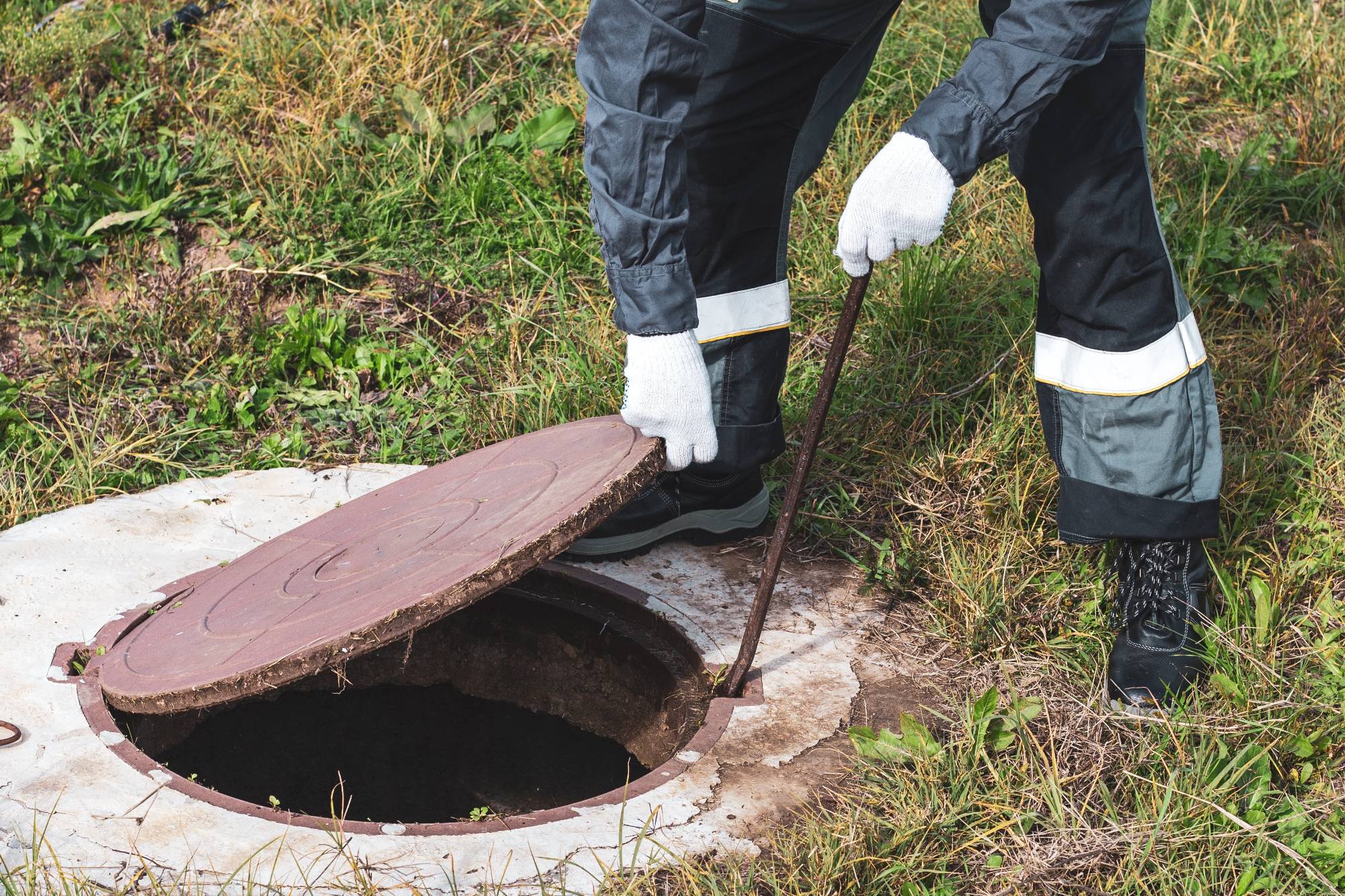
Sustainable septic solutions sound expensive and complicated, but they’re actually becoming the cost-effective choice for Long Island homeowners. The initial investment pays back through lower maintenance costs, reduced pumping frequency, better environmental protection, and compliance with regulations that will only get stricter.
The shift toward Innovative/Alternative Onsite Wastewater Treatment Systems (IA OWTS) represents the biggest change in Long Island cesspool services. These advanced systems treat wastewater more thoroughly before releasing it into the soil, removing nitrogen and other contaminants that traditional cesspools can’t touch. Suffolk and Nassau counties now require IA OWTS for all new construction and major renovations. When your existing cesspool fails, you’ll need to upgrade to one of these systems instead of replacing it with another basic cesspool.
The cost difference is real but manageable with available funding. A new IA OWTS installation typically runs $19,000-25,000 compared to $6,500-8,000 for a traditional cesspool replacement. However, New York State and county grant programs now reimburse up to 75% of costs for enhanced septic systems—potentially $18,750 toward your upgrade. That makes an advanced system actually cheaper than paying for a traditional cesspool out of pocket. We help you navigate the application process and maximize your reimbursement.
Even if you’re not ready for a full system upgrade, sustainable maintenance practices extend your existing cesspool’s life while reducing environmental impact. Using biodegradable treatments instead of harsh chemicals keeps beneficial bacteria populations healthy. Water conservation reduces the volume your cesspool must process, decreasing how quickly solids accumulate. Proper disposal of fats, oils, and grease prevents the scum layers that clog drainage and require expensive cleaning. These aren’t complicated changes—they’re simple habits that protect your investment.
The property value implications matter too. Long Island’s real estate market increasingly values homes with compliant, modern wastewater systems. Properties with failing cesspools face delayed closings, mandatory upgrades before sale, and reduced offers from buyers who factor replacement costs into their negotiations. Maintaining your system properly and documenting that maintenance protects your property’s marketability when you eventually sell.
How to Choose Cesspool Services That Prioritize Environmental Protection
Not all cesspool companies approach environmental protection with the same seriousness. Some still use outdated methods because they’re cheaper or faster. Others lack the training to implement eco-friendly approaches correctly. Here’s what separates services that genuinely protect Long Island’s environment from those just paying lip service.
Look for companies that use biological treatments as their primary approach, not harsh chemicals. Ask specifically what products we use and whether those products are safe for groundwater. Legitimate eco-friendly treatments contain specialized bacteria strains that break down waste naturally without toxic residues. Chemical treatments should be reserved for specific situations where biological methods won’t work—not used as the default approach.
Equipment matters for environmental protection too. Modern vacuum trucks should have containment systems that prevent spills during pumping and transport. The disposal process should route waste to licensed treatment facilities, not questionable dumping locations. We document where waste goes and provide proof of proper disposal—this protects you from liability if waste handling becomes an issue.
Environmental expertise shows up in the recommendations you receive. Companies that understand Long Island’s ecosystem explain how your cesspool maintenance affects local water quality. We discuss nitrogen pollution impacts honestly instead of treating environmental protection as someone else’s problem. We know current regulations and upcoming changes so you’re not caught off guard by new requirements.
The inspection process reveals environmental priorities too. Services that check for leaks, measure setback distances from wells and property lines, and evaluate your system’s impact on surrounding soil take environmental protection seriously. Those that just pump and leave without assessing environmental risks don’t.
Certification and licensing prove a company meets professional standards. Suffolk and Nassau counties require specific permits for cesspool work. State licensing demonstrates technicians have training in proper waste handling and environmental protection. Insurance coverage protects you if environmental contamination occurs during or after service. Ask about these credentials before hiring—legitimate companies provide proof readily.
Finally, consider how a company approaches system upgrades. Services that only offer basic cesspool pumping can’t help when your system needs replacement. Those that understand IA OWTS technology, grant programs, and regulatory requirements guide you toward solutions that work long-term. Environmental protection isn’t just about maintaining your current system—it’s about planning for the inevitable transition to advanced treatment technology that Long Island’s future requires.
Why Professional Cesspool Expertise Matters More Now Than Ever
The cesspool service landscape changed dramatically by 2026, and those changes aren’t reversing. Long Island’s environmental challenges, regulatory requirements, and technology advances mean you need more than just basic pumping anymore. You need expertise that navigates complex county regulations, prevents expensive emergencies through proper maintenance, and positions your property for the inevitable transition to advanced treatment systems.
Professional cesspool services now combine advanced technology, environmental knowledge, and local expertise in ways that protect both your investment and Long Island’s water quality. The right service partner catches problems early, documents your system’s condition for regulatory compliance, and helps you access grant funding when upgrades become necessary. We understand that clay soil conditions, high water tables, and strict setback requirements make Long Island different from other regions—and we adjust our approach accordingly.
Your cesspool system will need attention whether you address it proactively or wait for an emergency. The difference is whether you spend $300-500 for routine maintenance or $8,000-15,000 for emergency replacement. Whether you have documentation proving your system’s condition or scramble to meet inspection requirements during a property sale. Whether you access grant funding that covers 75% of upgrade costs or pay full price out of pocket. For cesspool services that combine modern technology, environmental responsibility, and genuine local expertise, Antorino & Sons brings the experience Long Island homeowners need in 2026 and beyond.