Summary:
Understanding Your Cesspool System and Why Long Island Is Different
Your cesspool isn’t like systems in other parts of the country. Long Island sits on a sole-source aquifer with sandy, porous soil and a high water table that affects how your system performs. This unique geology means contamination spreads faster, systems face different pressures, and maintenance requirements are more critical than in other regions.
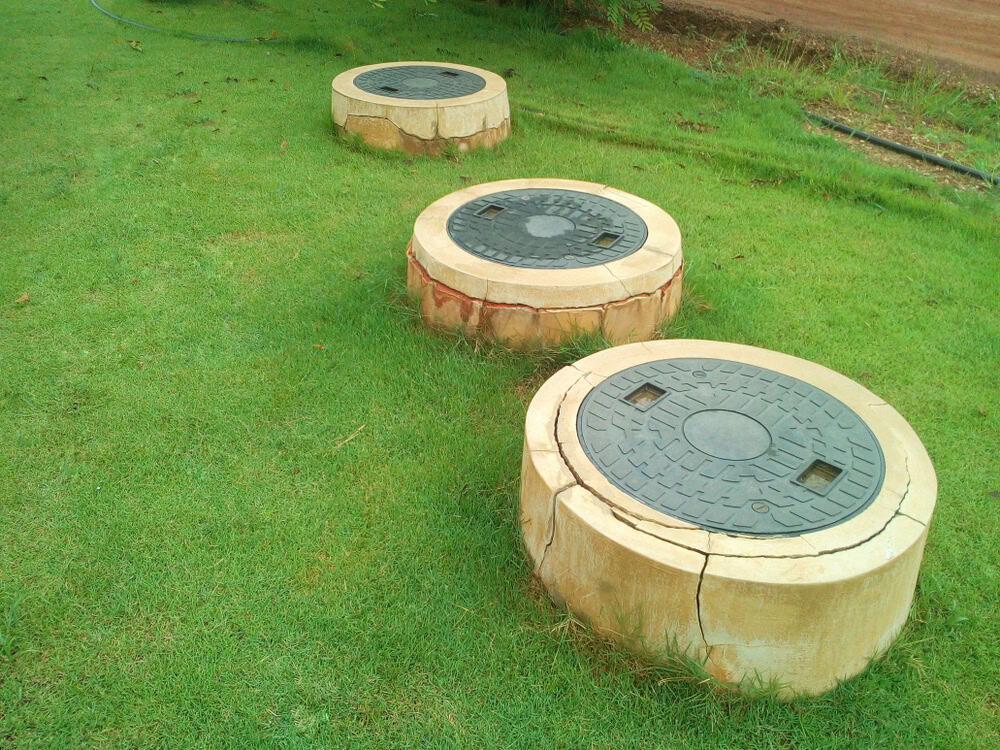
A cesspool collects all the wastewater from your home—everything from your toilets, sinks, showers, and washing machines flows into an underground concrete chamber. Solids settle at the bottom, liquids leach out through perforated sides into the surrounding soil. It’s a simple system that works well when maintained properly.
But here’s what most homeowners don’t realize: Long Island’s sandy soil that makes our beaches beautiful also means your cesspool processes waste differently. The high water table, especially in coastal areas, can saturate your system during heavy rains. Clay pockets in Nassau County slow drainage. These local conditions aren’t just technical details—they directly impact how often you need cesspool services and what problems you’re likely to face.
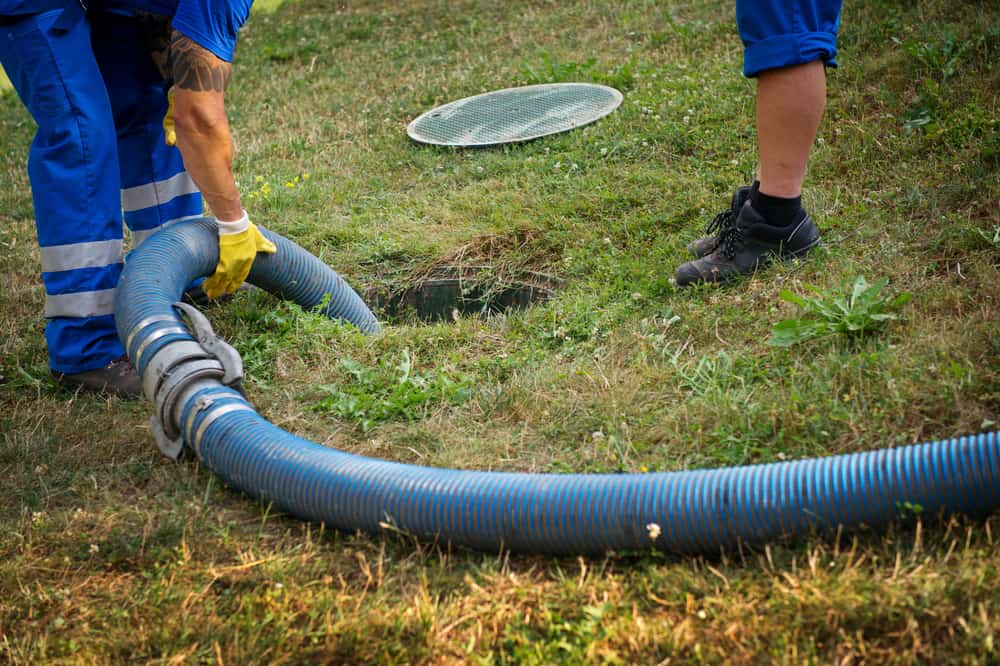
How Often Does Your Cesspool Actually Need Pumping
There’s no universal answer to how often you should pump your cesspool, despite what some companies might tell you. Your pumping schedule depends on your specific household and how you use water.
Most Long Island homes need cesspool pumping every three to four years. But that’s just an average. A single person living alone might stretch that to four or five years. A family of four typically needs service every three years. Have teenagers who take long showers? Use a garbage disposal regularly? Run multiple loads of laundry daily? You’ll need more frequent pumping—possibly every one to two years.
The size of your cesspool matters too. Most Long Island systems hold between 1,000 and 1,500 gallons. When solid waste reaches 25 to 30 percent of that capacity, it’s time to pump. Waiting longer doesn’t save you money. It costs more because compacted waste becomes harder to remove and you risk system failure.
Here’s a practical way to think about it: your cesspool has a job to do, and that job gets harder as waste accumulates. The bacteria in your system break down solids, but they can’t work fast enough to eliminate everything. Over time, the sludge layer at the bottom grows thicker. The scum layer at the top gets deeper. Eventually, there’s not enough space for new wastewater to enter and process properly.
That’s when you start seeing warning signs. Slow drains throughout your house. Gurgling sounds when you flush toilets. Sewage odors near your tank location. Wet spots or unusually lush grass in your yard where the cesspool sits. By the time these symptoms appear, you’re already approaching system failure.
Professional cesspool pumping removes all that accumulated waste before it causes problems. The service includes more than just vacuuming out your tank. A proper pumping appointment involves inspecting your system’s condition, checking baffles and inlet pipes, measuring sludge levels, and documenting everything for your records. This documentation matters more than you might think—Suffolk County requires pumping records for property transfers and renovation permits.
The cost of regular septic tank pumping runs between $300 and $500 depending on your tank size and how accessible it is. Compare that to emergency pumping, which typically costs 40 to 60 percent more. Or compare it to complete system replacement at $15,000 to $30,000. Regular maintenance isn’t an expense. It’s insurance against catastrophic failure.
Warning Signs Your Cesspool Needs Immediate Attention
Your cesspool communicates with you, but you need to know what to listen for. Catching problems early—before they become emergencies—can save you thousands of dollars and prevent serious health hazards.
Slow drains are usually the first sign something’s wrong. Not just one slow drain, but multiple fixtures throughout your house draining sluggishly. Water sits in your sinks longer than usual. Your shower takes forever to drain. This happens because your cesspool is reaching capacity and can’t accept new wastewater efficiently.
Gurgling sounds from your plumbing mean air is trapped in your lines because wastewater isn’t flowing properly. You’ll hear it most often from toilets when you run water elsewhere in the house. This gurgling indicates your system is struggling to process waste.
Sewage odors around your property aren’t normal and should never be ignored. If you smell something foul near where your cesspool is located, or if odors are seeping into your home, raw sewage is escaping from your system. This creates immediate health risks from dangerous bacteria, viruses, and parasites.
Standing water or wet spots in your yard, especially near your cesspool location, signal system overload. The ground shouldn’t be saturated in that area unless it’s been raining heavily. Unusually lush or green grass in one specific spot often indicates sewage is leaching into your lawn.
Sewage backing up into your home is an emergency. If wastewater comes up through drains, toilets, or appears in your basement, you need professional cesspool services immediately. This isn’t just unpleasant—it’s a serious health hazard that requires same-day service.
Here’s what many Long Island homeowners don’t realize: these warning signs appear in a sequence. You’ll usually notice slow drains first, then odors, then visible problems. Each stage represents your system getting closer to complete failure. The earlier you address issues, the less expensive and disruptive the fix.
Long Island’s weather patterns affect your cesspool too. Heavy rains saturate the ground, and your system can’t drain properly when the soil is already waterlogged. Nassau County’s clay soils retain water longer than Suffolk’s sandy areas, which means systems in certain locations face seasonal challenges.
Your household habits impact system health significantly. Flushing non-biodegradable items like wipes, feminine products, or paper towels adds solids that don’t break down. Pouring grease down your drains creates blockages. Using excessive amounts of harsh chemical cleaners kills the beneficial bacteria that help break down waste. Fixing leaky faucets and running toilets reduces the constant flow of water into your system.
Professional inspections catch problems you can’t see. During a pumping appointment, our technicians inspect your tank’s structural integrity, check for cracks or deterioration, examine baffles and distribution systems, and assess if your system is processing waste effectively. We can spot developing issues—like a baffle that’s starting to fail or walls showing early signs of deterioration—before they cause system-wide problems.
Septic Tank Services That Prevent Problems
Maintenance isn’t just about pumping your cesspool every few years and hoping for the best. Real preventive care involves understanding what your system needs and giving it the right support.
Professional cesspool maintenance includes regular pumping, system inspection, and preventive care recommendations customized to your household. During service, our technicians check baffle conditions, measure liquid levels, inspect the distribution box, and look for structural issues like cracks or deterioration. This thorough approach catches developing problems before they require expensive repairs.
The pumping process uses commercial vacuum equipment that removes waste completely without damaging your cesspool structure. After pumping, our technicians inspect interior walls and document their findings. You receive a detailed report showing your system’s condition, waste accumulation rates, and recommendations for your next service interval.
Between professional services, you can extend your system’s life through smart daily habits. Be mindful of what goes down your drains. Only human waste and toilet paper should enter your cesspool. Everything else—wipes, feminine products, paper towels, food scraps, grease, chemicals—stays out.
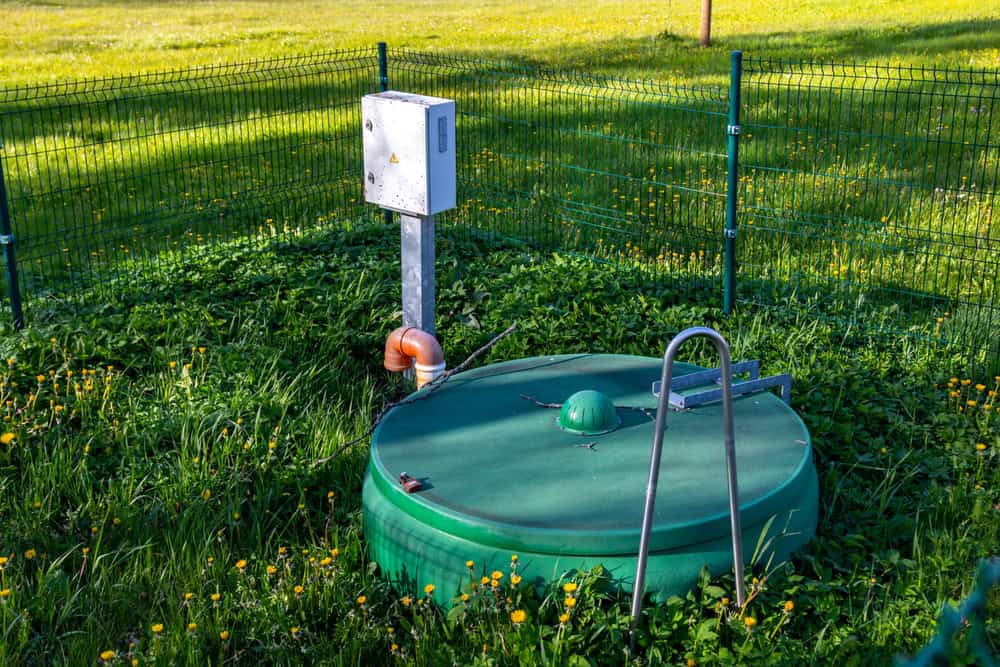
What Professional Cesspool Services Include
Professional cesspool services involve more than just showing up with a pump truck. We follow a systematic approach that protects your system and gives you documentation for regulatory compliance.
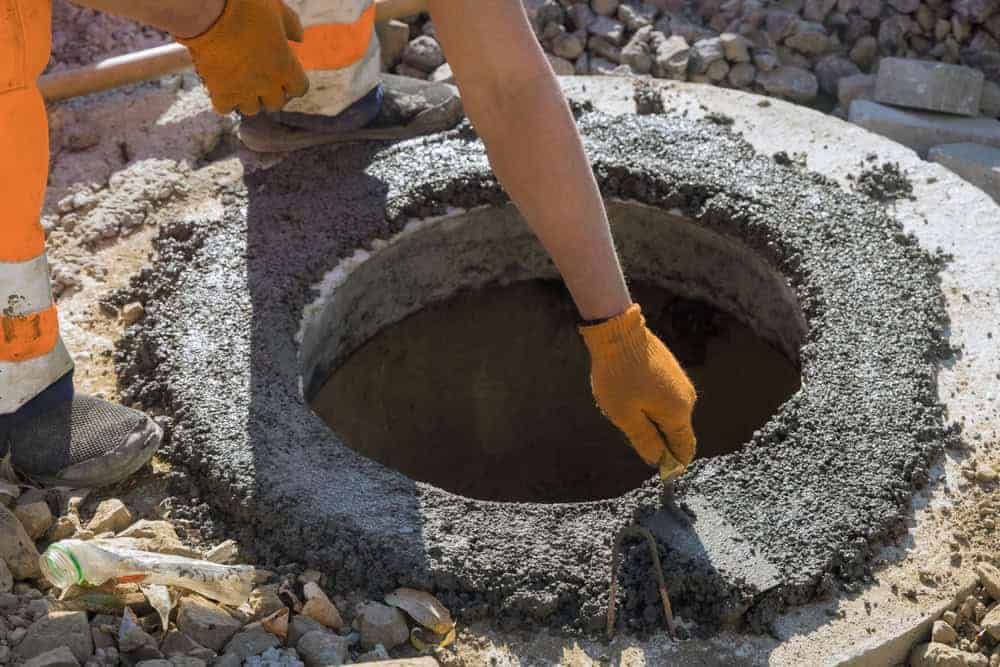
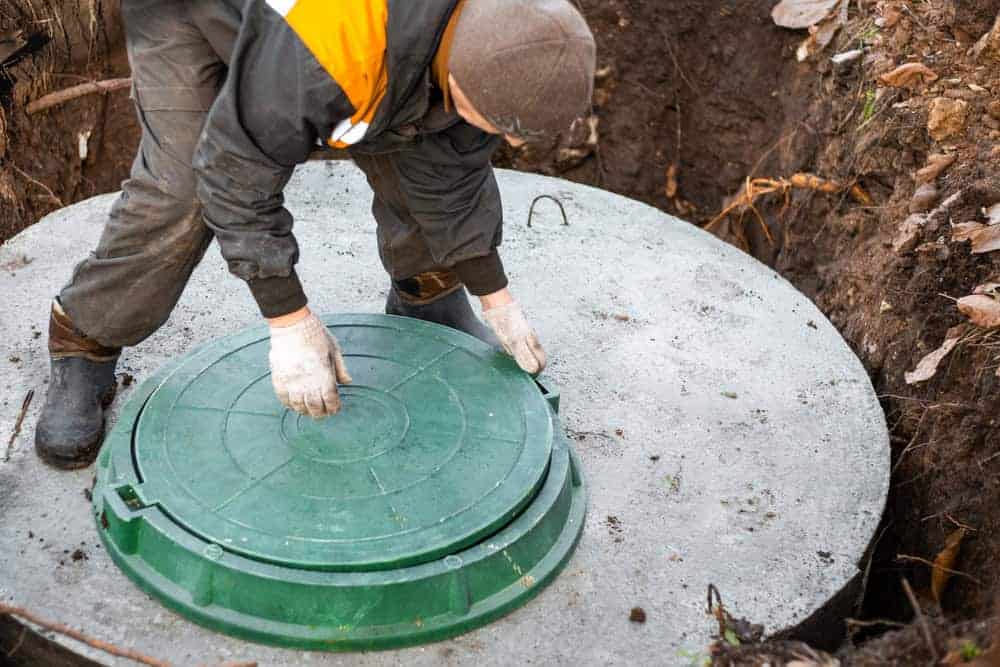
The service starts with locating and accessing your cesspool. If you don’t know where your system is located, we use special equipment to find it. We excavate the access cover if it’s buried, which is common in older Long Island properties.
Before pumping begins, we measure the levels of sludge and scum in your tank. This tells us how full your system is and helps establish the right pumping schedule for your household. We note these measurements in your service record.
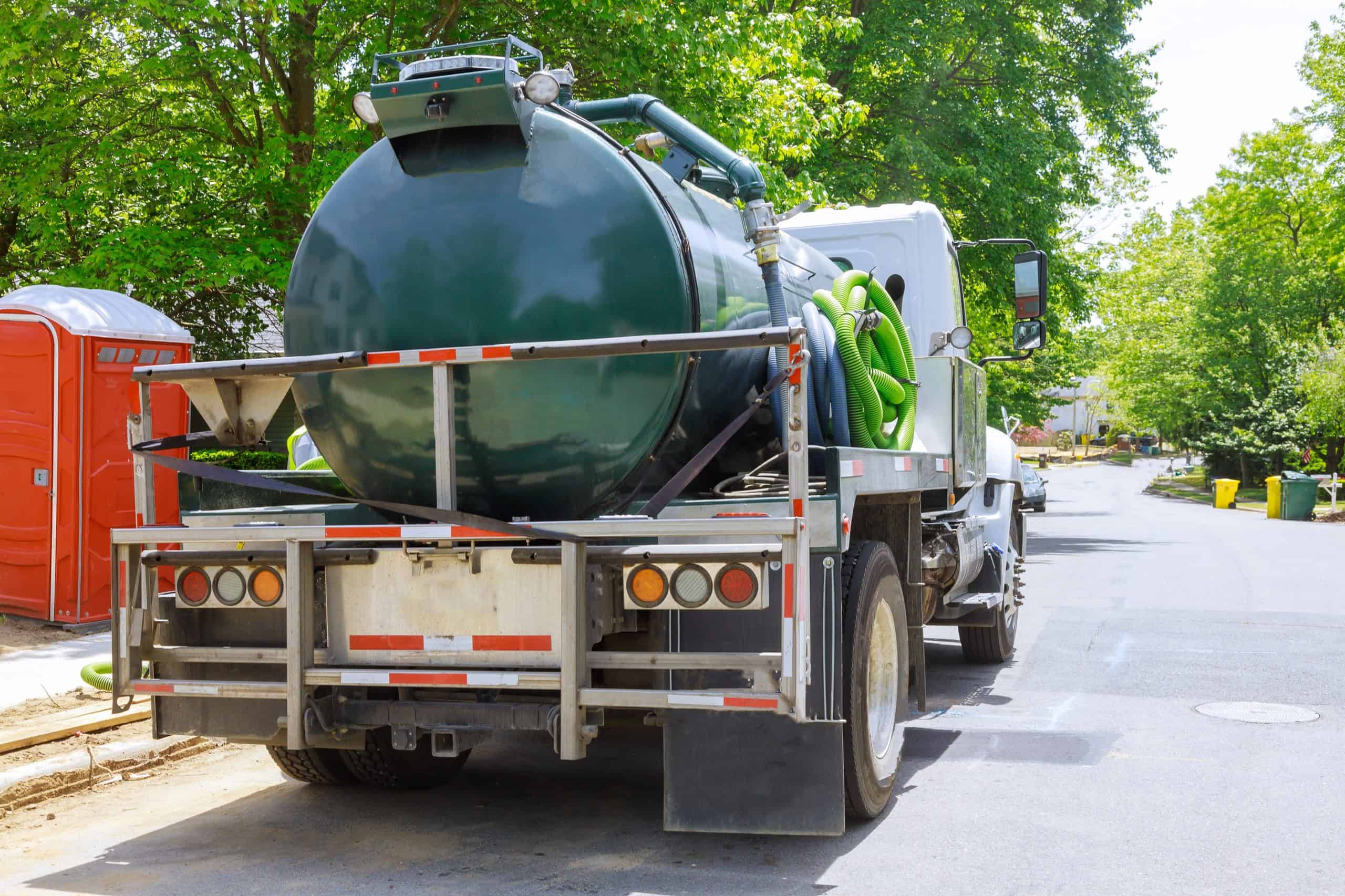
The actual pumping uses powerful vacuum trucks that remove all pumpable waste from your cesspool. This isn’t a quick five-minute process. Thorough pumping takes time to guarantee complete waste removal. The waste gets transported to approved treatment facilities that meet environmental regulations—this proper disposal is required by law and protects Long Island’s water supply.
During and after pumping, we inspect your system’s condition. We look for structural cracks, damaged baffles, deteriorating walls, or signs that your distribution system isn’t working properly. We check inlet and outlet pipes for blockages or damage. We assess if tree roots are infiltrating your system, which is common in older properties.
You receive a detailed service report documenting everything found during the appointment. This report includes the amount of waste removed, measurements taken, any issues discovered, and recommendations for future service. Keep these reports—they’re required for property sales and can prevent delays during real estate transactions.
We restore your property to its original condition. We backfill any excavation, clean up the work area, and make sure you understand our findings. We answer your questions about system performance and provide guidance on maintaining your cesspool between service appointments.
The cost of professional septic tank services reflects the special equipment, proper disposal, safety protocols, and expertise required. Attempting DIY cesspool pumping isn’t just impractical—it’s dangerous. Cesspools produce toxic gases like methane and hydrogen sulfide that can cause unconsciousness or death. Raw sewage exposure creates serious health risks from pathogens. And homeowners don’t have access to the waste disposal permits and facilities that licensed contractors use.
Long Island Regulations and Why They Matter for Your Property
Long Island’s cesspool regulations have gotten stricter in recent years, and for good reason. The region sits on a sole-source aquifer that provides drinking water for millions of people. What goes into the ground directly impacts what comes out of our taps.
Suffolk County has taken the lead with its Reclaim Our Water Initiative. If you’re selling your home or pulling permits for major renovations, you may need to upgrade your outdated cesspool to a nitrogen-reducing septic system. This isn’t a suggestion—it’s required under the Suffolk County Sanitary Code. The upgrade costs typically run between $15,000 and $30,000, though county grants can cover a significant portion of that expense.
Nassau County has similar requirements with inspections mandated every five years. These inspections must be performed by licensed professionals and include both visual inspection and functionality testing. Failing to maintain proper documentation can result in fines ranging from $250 to $2,000.
Regular maintenance helps you stay compliant with these regulations. We handle required reporting and documentation, keeping you on the right side of local health departments. We understand current setback requirements, capacity standards, and environmental regulations that affect your property.
For new cesspool installations, the rules are even stricter. Suffolk County mandates minimum setbacks of 100 feet from water wells and 20 feet from property lines. Nassau County has similar requirements with additional restrictions near sensitive environmental areas. Soil percolation testing determines absorption rates that affect system sizing and design.
These regulations protect everyone. Long Island’s sandy, porous soil means contamination spreads quickly through the ground. A failing cesspool doesn’t just affect your property—it potentially impacts your neighbors’ wells and the broader community water supply. Proper maintenance and regulatory compliance protect public health and preserve property values across the region.
Understanding these requirements helps you make informed decisions about your system. If you’re buying a property with a cesspool, factor in potential upgrade costs. If you’re planning renovations, check whether they’ll trigger upgrade requirements. If you’re maintaining an existing system, keep detailed service records that document compliance.
Keeping Your Long Island Cesspool System Running Smoothly
Your cesspool system doesn’t need to be a source of stress or surprise expenses. With the right maintenance schedule and attention to warning signs, you can keep it functioning properly for decades. Regular pumping every one to four years—depending on your household size and usage—prevents the vast majority of problems. Professional service catches developing issues before they become emergencies.
Long Island’s unique conditions mean your system faces challenges that cesspools in other regions don’t encounter. But those same conditions make local expertise invaluable. Working with professionals who understand our soil, water table, and regulations gives you assurance that your system is getting the right care.
Don’t wait for warning signs to appear before scheduling service. By the time you notice slow drains or odors, your system is already approaching failure. Proactive maintenance costs a few hundred dollars every few years. Emergency repairs and system replacement cost tens of thousands. The choice is clear.
If it’s been more than three years since your last service, or if you’re noticing any warning signs, reach out to us at Antorino & Sons. With over 60 years of experience serving Long Island families, we understand exactly what your cesspool needs to keep functioning properly.